
Are birds constantly invading your space, leaving messes and causing frustration? You’re not alone.
Whether it’s your garden, balcony, or rooftop, unwanted birds can be a real headache. But what if you could keep them away easily and effectively? This guide will show you simple, practical ways to protect your home without harming the birds.
Stick with me, and you’ll discover solutions that work — so you can enjoy your space bird-free and stress-free. Ready to take control? Let’s dive in.
Common Birds To Deter
Nuisance birdscan cause damage and mess in many places. Common types include pigeons, sparrows, crows,and seagulls. These birds often gather in large groups, making problems worse.
Understanding their behavior patternshelps to keep them away. Pigeons like to roost on ledges and roofs. Sparrows build nests near windows and vents. Crows are smart and can find food easily. Seagulls search for scraps near water and trash bins.
Most nuisance birds are active during the day. They look for food, water, and safe places to rest. Many birds return to the same spot daily. This makes it easier to predict and stop their visits.
| Bird | Common Behavior | Nesting Area |
|---|---|---|
| Pigeons | Roost on ledges, eat crumbs | Building ledges, rooftops |
| Sparrows | Build nests near openings | Windows, vents |
| Crows | Search for food scraps | Tall trees, rooftops |
| Seagulls | Look for food near water | Near beaches, trash bins |
Physical Barriers
Bird spikesare long, thin rods that stop birds from landing. They do not harm birds but make surfaces uncomfortable. These spikes work well on ledges, signs, and rooftops.
Netting and screensblock birds from entering gardens or balconies. Nets create a physical wall that birds cannot pass. Screens on windows keep birds safe and away from glass.
Wires and slopesmake it hard for birds to perch. Wires stretched tight over surfaces shake when birds land. Slopes angled sharply prevent birds from staying on ledges.
| Barrier Type | How It Works | Best Use |
|---|---|---|
| Bird Spikes | Stops birds from landing without harm | Ledges, rooftops, signs |
| Netting and Screens | Blocks birds from entering or hitting surfaces | Gardens, balconies, windows |
| Wires and Slopes | Makes landing uncomfortable or unstable | Ledges, pipes, flat surfaces |
Visual Deterrents
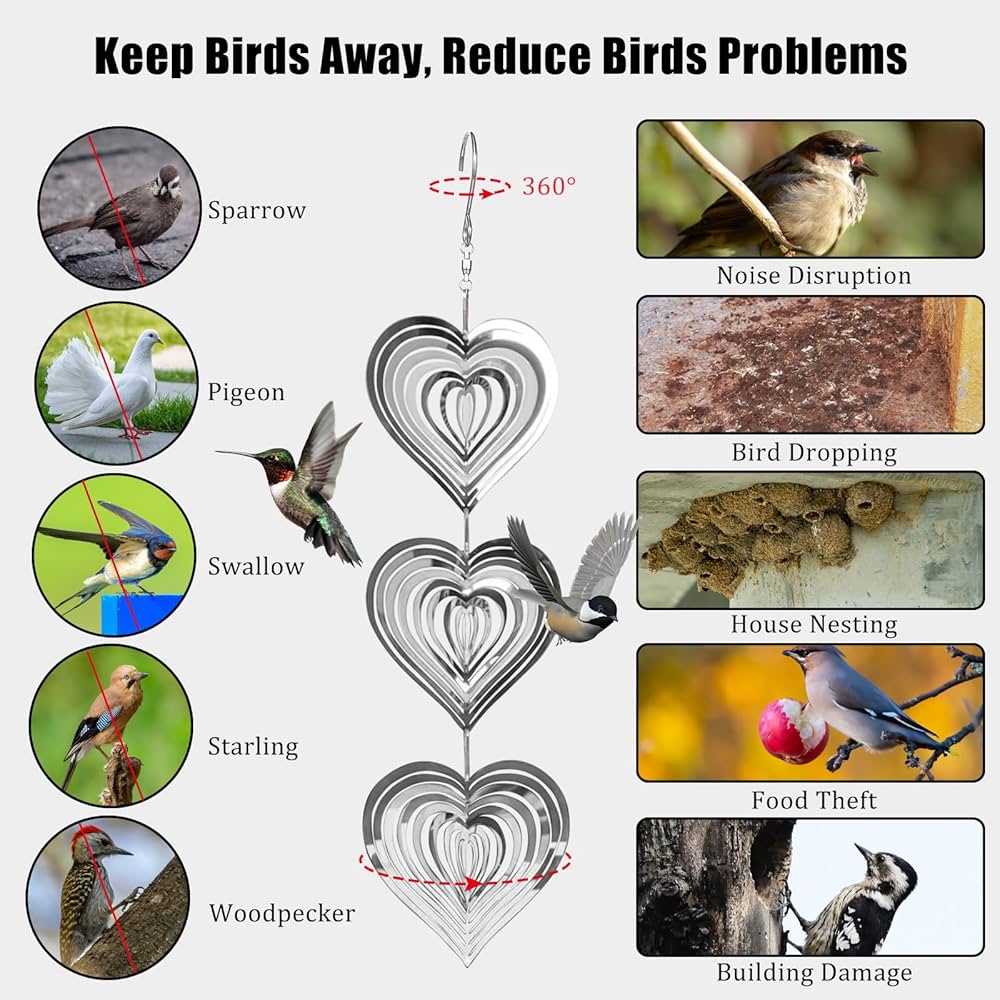
Bright, shiny objects or fake predators can scare birds away. Placing reflective tape or plastic owls near plants helps keep birds from landing. Visual changes catch their attention and make them avoid the area.
Reflective Objects And Tape
Shiny things scare birds away. Use reflective tape on trees or fences. Hang old CDs or mirrors. They bounce light and confuse birds. Birds avoid bright flashes and moving reflections.
Decoys And Predator Models
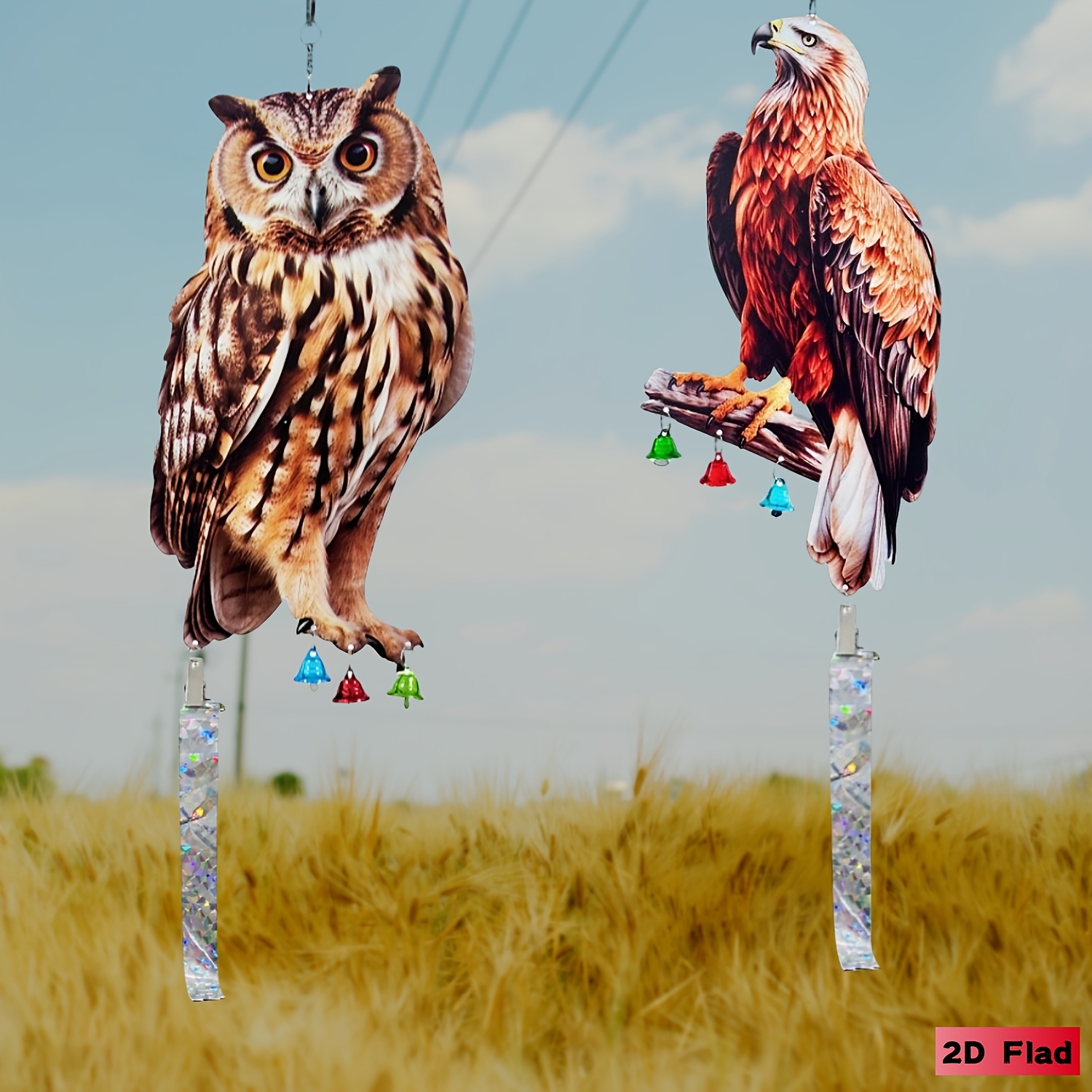
Fake owls work well. Place them in open areas. Birds think predators are nearby. Move decoys every few days. This keeps birds guessing. Plastic snakes can also scare birds away.
Motion-activated Devices
Devices sense movement. They make noise or spray water. Birds get surprised and fly away. Place them near gardens. They protect fruit and plants. Battery-powered devices work best.
Credit: www.amazon.com
Sound-based Methods
Ultrasonic repellerscreate high-frequency sounds. Birds hear them but humans do not. These sounds make birds feel uncomfortable and leave the area quickly. They are safe for people and pets.
Recorded distress callsplay sounds of birds in danger. This scares birds away from your garden or home. The calls must be played at the right time and volume for best effect.
- Noise makers and alarmsproduce sudden loud sounds.
- These sounds frighten birds and stop them from settling.
- Examples include bells, clappers, and electronic alarms.
- Using them occasionally works better than constant noise.
Chemical Repellents
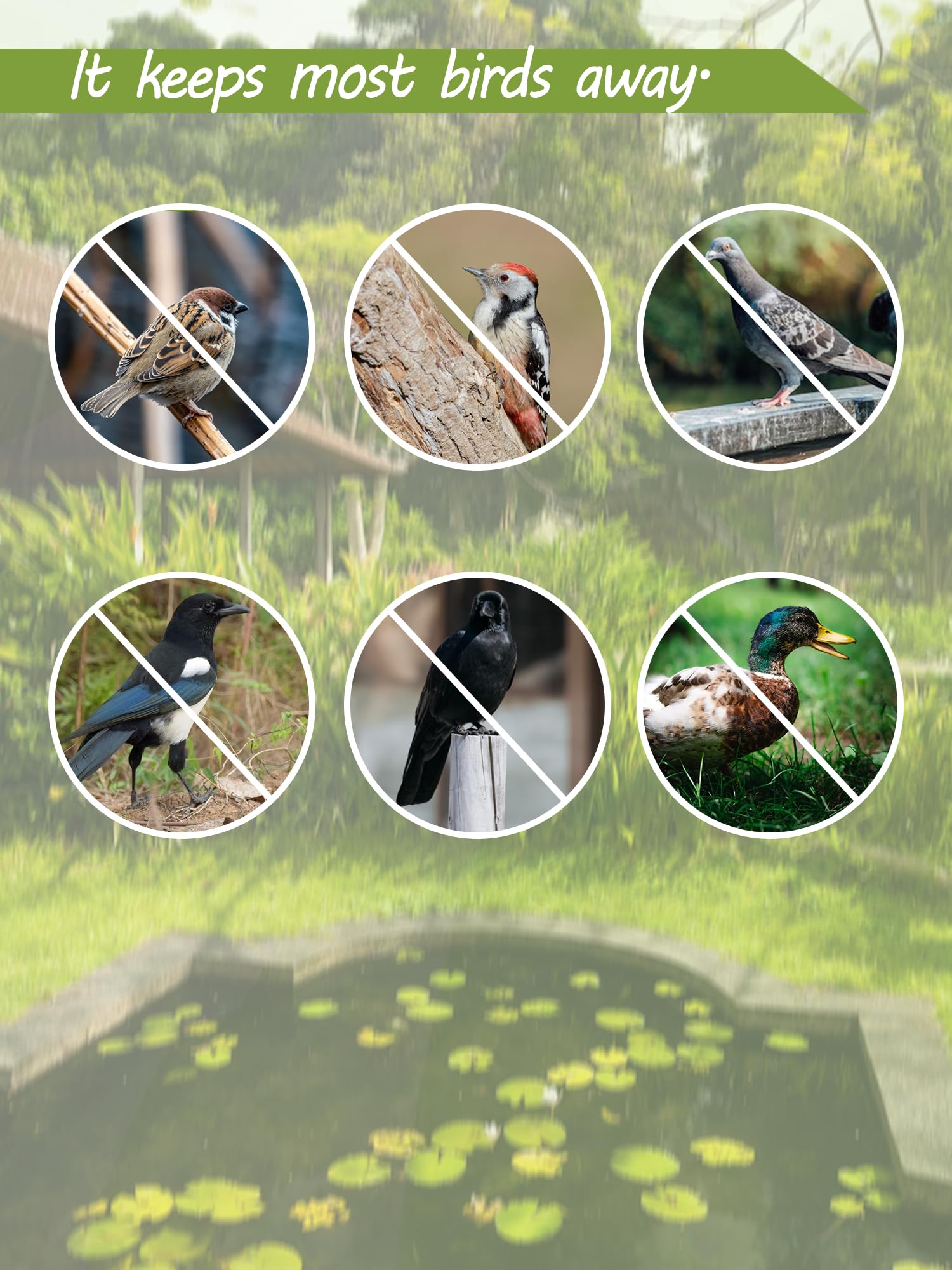
Non-toxic spraysare safe for birds and humans. They use natural ingredients to repel birds without causing harm. These sprays create a smell or taste birds dislike. Apply sprays on areas where birds land or nest. Repeat application after rain or cleaning for best results.
Taste aversion productsmake birds avoid certain spots by giving bad taste. These products are safe and do not harm birds. They work well on surfaces like roofs, ledges, and balconies. Birds learn to stay away after tasting the product. Always follow the instructions on the label for safe use.
Credit: www.amazon.com
Habitat Modification
Removing food sources helps keep birds away. Store pet food inside. Clean up fallen fruits and seeds regularly. Avoid leaving bird feeders full for long periods. Use sealed trash bins to stop birds from scavenging.
Managing water availability is important. Fix leaks in outdoor taps and drains. Remove standing water from pots, trays, and gutters. Use bird-safe covers for ponds or pools to reduce water access.
Clearing nesting areas reduces bird presence. Trim tree branches and shrubs near buildings. Remove old nests carefully to discourage reuse. Seal gaps in roofs, vents, and eaves to block bird entry.
Legal And Ethical Considerations
Respect wildlife laws to keep birds away safely. Choose ethical methods like sound deterrents, netting, or visual scares. Always prioritize humane techniques to avoid harm.
Protected Bird Species
Some birds are protected by law. It is illegal to harm or kill these birds. Many countries have rules to protect birds like eagles, owls, and songbirds. Always check local laws before taking action. Disturbing nests or eggs is not allowed. Respecting wildlife helps keep nature safe for everyone.
Humane Deterrent Practices
Use safe and kind ways to keep birds away. Loud noises, shiny objects, and scarecrows can help. Bird spikes and nets block birds from landing. Avoid traps or poisons. These can hurt birds and other animals. Changing the environment, like removing food or water sources, can also work well.
Credit: www.temu.com
Maintenance And Monitoring
Regular checks help spot bird nests or signs early. This keeps bird problems small. Check rooftops, gardens, and vents often. Look for feathers, droppings, or damaged areas. Fix weak spots right away to stop birds from coming back.
Bird habits change with seasons. Change your bird control methods to match. Use different tools or move deterrents if birds get used to them. Watch which strategies work best and keep trying new ideas. Staying alert makes bird control easier and more effective.
Frequently Asked Questions
How Can I Naturally Repel Birds From My Garden?
Planting bird-repellent herbs like lavender and mint helps keep birds away naturally. These plants have scents birds dislike. Additionally, using reflective objects or wind chimes creates movement that scares birds off effectively.
What Are The Best Bird Deterrents For Homes?
Visual deterrents like shiny tape, fake predators, or scare balloons work well. Ultrasonic bird repellers emit sounds unpleasant to birds but inaudible to humans. Combining these methods increases effectiveness and prevents birds from nesting near your home.
How Do I Prevent Birds From Eating My Crops?
Use netting to cover crops and protect them physically. Scare devices like reflective tape or scarecrows can also deter birds. Regularly changing deterrent positions prevents birds from getting used to them, ensuring better crop protection.
Are There Safe Ways To Keep Birds Away Without Harming Them?
Yes, non-lethal methods like bird spikes, netting, and sound deterrents keep birds away safely. Avoid poisons or traps that harm birds. These humane options protect your space while respecting wildlife.
Conclusion
Keeping birds away takes patience and simple steps. Use safe methods like noise makers or shiny objects. Clean your space to remove food and nesting spots. Check your efforts often and change tactics if needed. Small actions can stop big bird problems.
Stay consistent and watch your area stay bird-free. Protect your garden or home with care and attention. Bird control is possible with the right approach and time.