
Are you tired of ants invading your hummingbird feeder and spoiling the sweet nectar meant for your feathered friends? You’re not alone.
Ants can quickly turn your peaceful garden spot into a battleground, making it hard for hummingbirds to enjoy their meal. But don’t worry—there are simple, effective ways you can stop these tiny intruders from crashing the party. Keep reading to discover easy tips that will protect your feeder and keep your hummingbirds happy and coming back for more.

Credit: www.facebook.com
Why Ants Invade Hummingbird Feeders
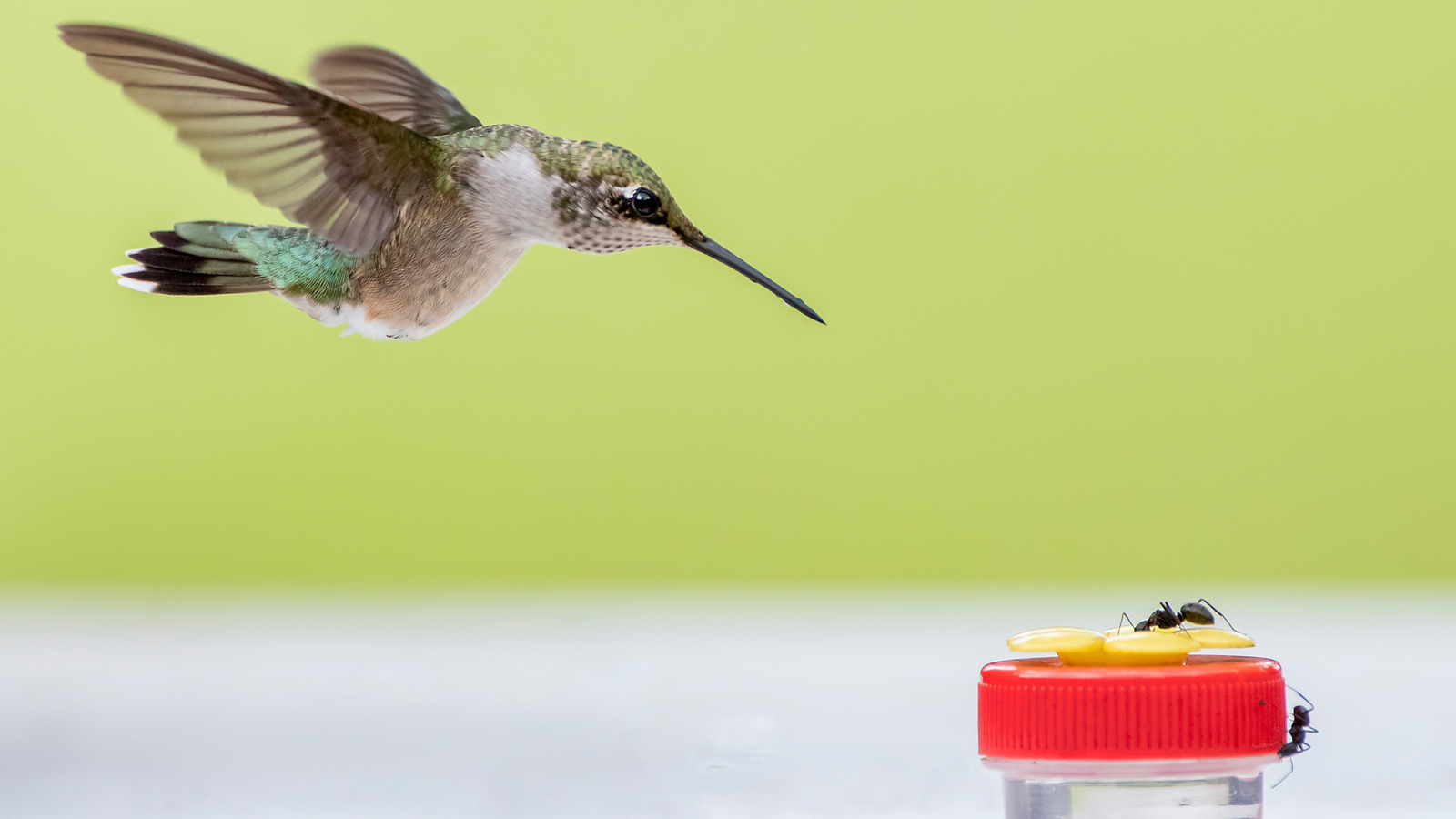
Ants are drawn to the sweet sugar nectarin hummingbird feeders. This sugary liquid is a rich food sourcefor ants. They detect the nectar’s scent and follow it to the feeder. Once found, they form trails to bring more ants.
Common entry points for ants include:
- Feeder openings where nectar is exposed
- Cracks or gaps around the feeder base
- Hanger wires or hooks that ants climb
- Nearby branches or plants touching the feeder
These entry points let ants access nectar easily. Keeping feeders sealed and using ant barriers helps prevent invasions.
Choosing The Right Feeder
Choosing a feeder designed to stop ants is key. Ant-proof feeders have special parts that block ants from reaching the nectar. Some use a water moat around the feeder. This moat acts as a moat around a castle, keeping ants away.
Other feeders have ant barriers made of smooth plastic or metal. These surfaces make it hard for ants to climb. Look for feeders with tight seals to stop ants from sneaking in.
| Material | Durability | Ant-Proof Feature |
|---|---|---|
| Plastic | Lightweight, less durable | May include water moat |
| Glass | Heavy, breakable | Easy to clean, smooth surface |
| Metal | Very durable | Often has built-in ant barriers |
Durable materials last longer outdoors. Choose feeders easy to clean and refill. This keeps ants away and birds happy.
Location Strategies
Placing hummingbird feeders away from trees and walls helps reduce ant access. Hanging feeders on thin wires or using ant guards creates a barrier ants can’t cross. Choosing shaded spots also keeps feeders cooler and less attractive to ants.
Placing Feeders Away From Ant Trails
Ants often follow trails to find food. Identify these trails near your garden. Place feeders in areas where ants don’t usually travel. Avoid placing feeders close to plants or trees. This helps keep ants away.
Optimal Height And Placement
Hang feeders high enough so ants can’t reach. Choose places where ants can’t climb easily. Use poles or hooks to hang feeders. Ensure feeders are not touching branches or leaves. This stops ants from crawling onto feeders.
Credit: www.housedigest.com
Natural Ant Deterrents
Vinegaris a natural ant deterrent. Wipe around the feeder base with vinegar to keep ants away. The strong smell confuses ants and stops them from crossing. Citrus peels like lemon or orange also work well. Place fresh peels near the feeder. The scent repels ants without harming birds.
Certain essential oilshelp repel ants naturally. Oils like peppermint, tea tree, and eucalyptus are effective. Mix a few drops with water and spray around the feeder area. These oils create a barrier ants avoid. Always keep the spray away from the nectar and the birds to stay safe.
- Wipe feeder base with vinegar daily
- Place fresh citrus peels near feeder
- Spray diluted peppermint or tea tree oil around feeder
- Keep sprays away from nectar and birds
Physical Barriers
Petroleum jelly acts as a sticky barrierthat ants cannot cross. Apply a thin layer around the feeder’s hanging hook or pole. This stops ants from climbing to the nectar.
Ant moats are small water-filled dishes placed above the feeder. The water creates a floating barrierthat ants cannot swim across. This keeps ants away without harming them.
| Method | How It Works | Benefits |
|---|---|---|
| Petroleum Jelly | Sticky layer blocks ants from climbing | Easy to apply, safe for birds |
| Ant Moats | Water barrier prevents ants from crossing | No chemicals, gentle on environment |
Regular Maintenance
Cleaning feeders often stops ants from coming near. Old nectar gets sticky and smells sweet. This attracts ants quickly. Wash the feeder parts with hot water and mild soap. Rinse well to remove all soap. Let parts dry before refilling.
Replacing nectar regularly keeps ants away. Nectar should be fresh and not left for more than 3-5 days. In hot weather, change nectar every 2-3 days. Old nectar ferments and becomes a magnet for ants and other bugs.
- Clean feeder every 3-4 days
- Use hot soapy water for cleaning
- Rinse thoroughly and dry before refilling
- Replace nectar every 3-5 days
- Change nectar every 2-3 days in heat
Alternative Solutions
DIY ant deterrent traps use simple household items to keep ants away. A common trap uses a mix of sugar and borax placed near the feeder. Ants are attracted to the sugar but borax is toxic to them. This method is safe if placed carefully out of reach of pets and children.
Other traps involve sticky barriers made from petroleum jelly or tape wrapped around the feeder’s base. Ants get stuck and cannot reach the nectar. These barriers need regular checking and cleaning to stay effective.
Professional pest control offers tailored solutions for severe ant problems. Experts can treat the area around the feeder with safe insecticides. They also provide advice on long-term prevention to protect your feeder and garden.
| DIY Ant Deterrent Traps | Professional Pest Control Options |
|---|---|
|
|

Credit: www.facebook.com
Frequently Asked Questions
How Can I Stop Ants From Reaching My Hummingbird Feeder?
Use an ant moat filled with water to block ants. Regularly clean the feeder and remove spilled nectar. Place the feeder away from ant trails for best results.
What Homemade Remedies Repel Ants Near Feeders?
Try applying cinnamon or baby powder around the feeder base. These natural powders create barriers ants avoid. Avoid harmful chemicals that can harm hummingbirds.
Why Do Ants Invade Hummingbird Feeders?
Ants seek the sweet nectar inside feeders. Warm weather and spilled nectar attract them. Keeping feeders clean and using ant barriers helps prevent infestations.
Can I Use Commercial Ant Deterrents Safely?
Yes, but choose non-toxic, bird-safe ant deterrents. Avoid pesticides near feeders. Always follow product instructions carefully to protect hummingbirds.
Conclusion
Preventing ants from reaching your hummingbird feeder keeps the nectar clean. Use simple barriers like sticky tape or water moats to stop ants. Keep the feeder area clean and check it often. Refill fresh nectar regularly to avoid attracting ants.
These easy steps protect your feeders and help hummingbirds visit safely. Enjoy watching hummingbirds without worrying about ants invading their food. Small efforts make a big difference in keeping feeders ant-free. Stay patient and consistent for the best results.