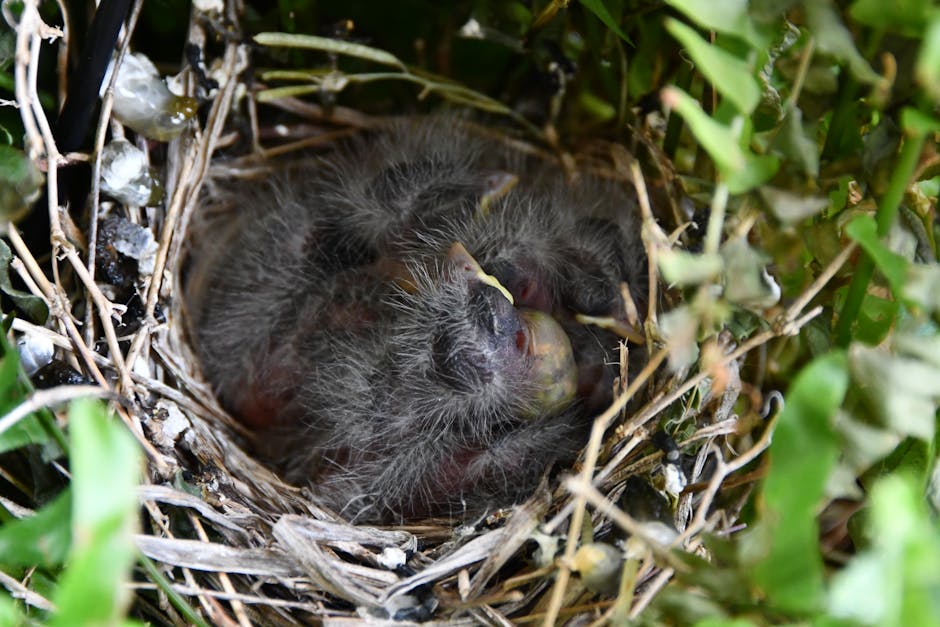
Are you worried about snakes sneaking into your bird houses and scaring away the little visitors? You’re not alone.
Snakes can be a real problem for anyone who loves watching birds up close. But don’t let that stop you from enjoying your feathered friends. You’ll discover simple and effective ways to keep snakes out of your bird houses. By the end, you’ll feel confident that your bird houses are safe and welcoming for birds, not unwanted reptiles.
Keep reading to protect your backyard birds and enjoy peaceful birdwatching all season long.

Credit: www.facebook.com
Why Snakes Target Bird Houses
Snakes are drawn to bird houses mostly because of the easy food source. Nesting birds and their eggs offer a tempting mealfor many snake species. Quiet and sheltered spots make bird houses an ideal hunting place.
Several snake species are known to visit bird houses. These include:
- Rat snakes, which climb well and are common in many areas.
- Garter snakes, often found in gardens and near water.
- King snakes, which also prey on other snakes and small animals.

Credit: www.birdsandblooms.com
Choosing The Right Bird House
Bird houses made from rough woodare less slippery for snakes. Avoid smooth materials like plastic or metal. Wood also blends well with nature, making birds feel safer.
Design can help stop snakes from entering. Choose bird houses with a small entrance holejust big enough for birds. Larger holes invite snakes in.
- Mount bird houses on metal polesinstead of trees or wooden posts.
- Use snake guardsor metal baffles around the pole.
- Place bird houses at least 5 feet high to keep snakes away.
- Avoid bird houses near dense bushes where snakes hide.
Strategic Placement Of Bird Houses
Place bird houses at least 10 feet high. This keeps them safe from snakes. Choose spots away from dense bushes. Snakes hide in these places.
Find areas with clear views. Birds can see predators coming. Avoid trees with low branches. Snakes can climb easily.
Identify snake paths in your yard. Avoid placing bird houses near these paths. Check for paths around rock pilesand logs. Snakes like to hide there.
Keep grass short near bird houses. Snakes cannot hide in short grass. Create a snake-free zonearound bird houses.

Credit: www.facebook.com
Physical Barriers Against Snakes
Bafflesare special barriers placed around birdhouse poles. They stop snakes from climbing up. Usually, they are made of metal or plastic and have a smooth surface. This makes it hard for snakes to get a grip.
Guardswork the same way. They cover the pole or entrance to block snakes. Guards keep the birdhouse safe for birds.
Using smooth poleshelps a lot. Poles made from metal or PVC pipe are best. They have slippery surfaces that snakes cannot climb. Avoid rough or wooden poles, as snakes can use them to reach the birdhouse.
- Install a metal or plastic baffle around the pole.
- Use smooth poles like PVC or metal.
- Make sure guards cover all sides of the pole.
- Keep the area around the pole clear of branches or debris.
Maintaining The Area Around Bird Houses
Clearing away debrisand overgrown plantsnear bird houses helps keep snakes away. Snakes hide in tall grass and piles of leaves. Removing these makes the area less inviting. Keep the ground around bird houses clean and open.
Reducing rodent populationsis important too. Rodents attract snakes because they are food. Use safe traps or block entry points to lower rodent numbers. This makes bird houses less attractive to snakes.
- Remove leaf piles and tall weeds
- Trim bushes close to bird houses
- Keep grass short and tidy
- Seal holes or cracks where rodents enter
- Use traps to catch mice safely
Natural Repellents And Deterrents
Planting certain safe plantsnear bird houses can help keep snakes away. Plants like marigolds, lavender, and minthave scents snakes dislike. These plants create a natural barrier around bird homes.
Essential oils such as clove, cinnamon, and cedarwoodwork as strong repellents. Dilute a few drops in water and spray near bird houses. Repeat often for best results.
- Place pinecones or crushed oyster shellsaround the base of bird houses.
- Use vinegar-soaked clothsnear entrances to deter snakes.
- Keep the area clean and free of debristo reduce snake hiding spots.
Monitoring And Regular Inspection
Signs of snake activityinclude shed skins, snake tracks, and unusual droppings near bird houses. Listen for rustling sounds inside or around the house. Look for holes or damage to the bird house entrance. Snakes often leave a musky odor nearby. Keep an eye out for snakes during early morning or evening.
Regular checks help spot snakes early. Inspect bird houses every week during warm months. Clear any debris or tall grass around the area. Remove bird seed spills that may attract rodents, which in turn attract snakes.
Call professionals if you find snakes frequently or see venomous species. They have tools and knowledge to remove snakes safely. Do not try to catch or kill snakes yourself to avoid bites. Professionals also offer advice on keeping snakes away in the future.
Frequently Asked Questions
How Can I Stop Snakes From Entering Bird Houses?
Place bird houses on metal poles with snake guards to block snake access easily.
What Materials Repel Snakes Near Bird Houses?
Use smooth metal or plastic around bird houses; snakes can’t climb these surfaces.
Why Do Snakes Enter Bird Houses?
Snakes enter bird houses seeking food like eggs or shelter from weather.
Conclusion
Keeping snakes out of bird houses helps protect your feathered friends. Seal any gaps or holes where snakes might enter. Use smooth materials that snakes cannot climb easily. Place bird houses away from tall grass or wood piles. Regularly check and clean the bird houses to keep them safe.
Small steps make a big difference in bird safety. Enjoy watching birds without worry or fear of snakes. Simple actions protect nature and create a safe home for birds.