Are birds constantly invading your space, leaving droppings or damaging your plants? You’re not alone, and there’s a simple way to regain control.
Using the right noises to scare birds can keep them away without harming them or your property. Imagine enjoying your garden or outdoor area without unwanted feathered visitors. You’ll discover which sounds work best to deter birds and how to use them effectively.
Keep reading to find out how to protect your space with sounds that make birds think twice before coming back.
Credit: www.tiktok.com
Types Of Bird Scaring Noises
Ultrasonic soundsare high-frequency noises birds cannot hear well. These sounds may scare some birds but not all. They are quiet to humans, making them good for places needing low noise.
Predator callsmimic sounds of animals that hunt birds. Hearing these calls makes birds feel unsafe. Birds often fly away quickly to avoid danger.
Distress signalsare sounds birds make when scared or hurt. Playing these sounds tricks birds into thinking others are in trouble. This keeps birds away from the area.
Loud human-made noisesinclude claps, bangs, or alarms. These sudden sounds startle birds and make them leave. Such noises work best in open spaces where sound travels well.

Credit: www.youtube.com
Effectiveness Of Different Sounds
Birds react differentlyto various sounds. Some species get scared by loud noises like alarms or sirens. Others respond to predator calls, such as hawk or owl sounds, which trigger a natural fear. Sounds that mimic danger tend to work best for most birds.
Birds can get used to sounds over time. This is called habituation. If the sound repeats often, birds may stop reacting. Changing the sounds or using them only sometimes helps keep birds scared.
| Environmental Factor | Effect on Sound |
|---|---|
| Wind | Can carry sound farther or block it |
| Buildings | May echo or reduce noise strength |
| Time of Day | Birds are more active and alert in the morning |
| Vegetation | Can absorb or reflect sound waves |
Devices For Emitting Bird Deterrent Noises
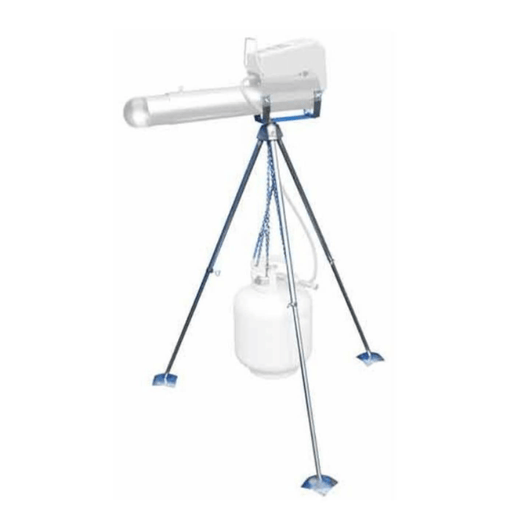
Electronic bird scarersuse sound waves to keep birds away. They emit noises birds find unpleasant. These devices often have adjustable settings to change sounds and volume. They work well in farms and gardens.
Manual noise makersneed people to create sounds. Examples include clappers, whistles, or banging objects. They are simple and cheap but require effort. Good for small areas or occasional use.
Automated sound systemsplay recorded bird distress calls or predator noises. They run on timers or sensors. This method scares birds without human presence. Useful for larger fields or warehouses.
Credit: orchardvalleysupply.com
Safe And Ethical Noise Usage
Birds are important to our world. Use noises that don’t hurt them. Loud sounds can be scary and harmful. Choose gentle noises to keep birds safe. They should fly away, not get hurt. Always think about their well-being. Avoid harsh sounds that can cause stress.
Noise pollution can affect more than just birds. It can disturb other animals too. Use quiet methods to scare birds. Keep the noise level low. This helps nature stay peaceful. Balance is key to protecting the environment. Make sure the noises you use are soft and effective.
Some noises can break the law. Check local rules before using sound devices. Understand regulations about noise levels. This prevents problems with neighbors. Follow laws to avoid fines and complaints. Respect the community and wildlife. Make sure your methods are legal and safe.
Frequently Asked Questions
What Types Of Noises Scare Birds Effectively?
Loud, sudden sounds like banging, clapping, or alarms can scare birds away quickly.
Can Noise Alone Keep Birds From Returning?
Noise helps but works best with other methods like nets or visual deterrents.
Are Noise Devices Safe For Humans And Pets?
Most noise devices are safe if used properly and not too loud or constant.
Conclusion
Noises can help keep birds away from your space. Using sounds like alarms or distress calls works well. Change noises often to avoid birds getting used to them. Combine sounds with other methods for better results. Keep your area quiet when you want peace.
Remember, patience is key to success. Try different sounds to find what works best. Protect your garden or property without harm to birds. Simple noises can make a big difference in bird control.