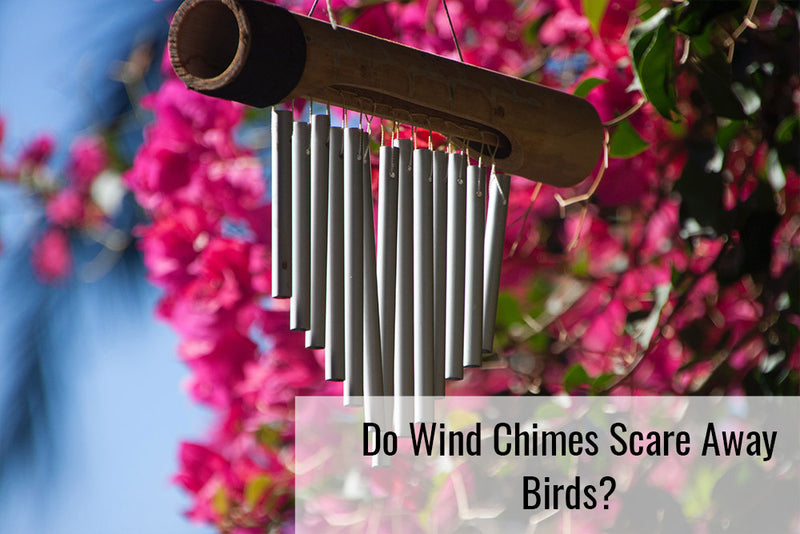
Have you ever wondered if the gentle tinkling of wind chimes might deter those tiny, mesmerizing hummingbirds from visiting your garden? You may have set up a lovely garden oasis, only to find yourself questioning if the melodious chimes are keeping these delightful creatures at bay.
This topic is more than just about garden decor—it’s about understanding the delicate balance between beauty and nature. By diving into this intriguing subject, you might discover a simple tweak that could transform your backyard into a hummingbird haven. Are you curious about the truth behind wind chimes and hummingbirds?
Keep reading to uncover the surprising facts and practical tips that could enhance your garden’s appeal to these fascinating birds.
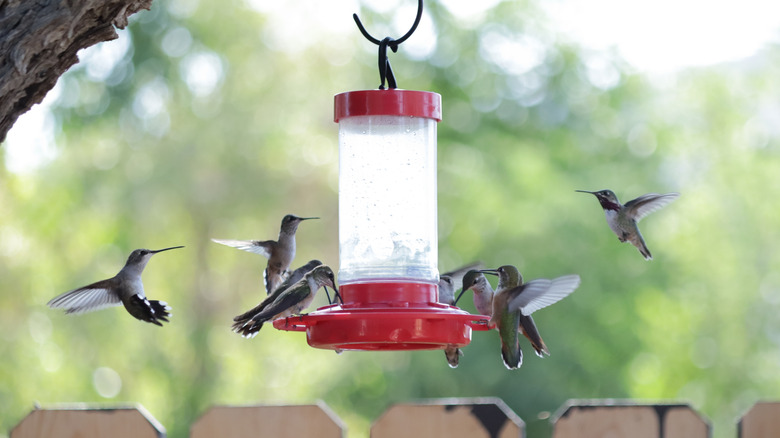
Credit: www.housedigest.com
Wind Chimes And Their Sounds
Wind chimes create soothing sounds, but their effect on hummingbirds is often debated. Some believe these melodies might deter hummingbirds, while others argue they remain unaffected. Observing local wildlife can offer insights into how these charming birds react to nearby sounds.
Wind chimes are a delightful addition to any garden, their gentle melodies creating a soothing ambiance. But you might wonder, do these charming sounds frighten away hummingbirds? Understanding the types and sound characteristics of wind chimes can help you make a bird-friendly choice.
Types Of Wind Chimes
Wind chimes come in a variety of materials and styles, each producing a unique sound. Metal wind chimes often feature aluminum or copper tubes, known for their crisp, clear tones. Wooden wind chimes offer a softer, more natural sound, perfect if you prefer something subtle. Glass and ceramic chimes provide colorful visuals and delicate tinkling sounds. Each type can influence the atmosphere of your garden differently. It’s worth experimenting to find out which resonates best with you and your feathered visitors.
Sound Characteristics
The sound of a wind chime is shaped by its material, size, and design. Larger chimes with longer tubes often produce deeper, more resonant tones. Smaller chimes typically create lighter, higher-pitched sounds. Is your garden a haven for tranquility or alive with activity? The answer may guide your choice. Some people worry that loud chimes might scare hummingbirds away, but most birds adjust quickly to regular, gentle sounds. Consider how often the wind blows in your area. Frequent breezes might call for a softer chime to prevent overwhelming your space. Think about the mood you want to set in your garden. Have you noticed hummingbirds reacting to specific sounds? Your observations can be invaluable in choosing the right chime. By selecting wind chimes thoughtfully, you can enjoy both their music and the joy of hummingbirds visiting your garden.
Hummingbird Behavior
Wind chimes might not frighten hummingbirds, but their presence can affect bird behavior. These tiny creatures may avoid areas with loud sounds. Ensuring a calm environment encourages hummingbird visits to gardens.
Understanding hummingbird behavior is key to knowing if wind chimes scare them. These tiny birds are fascinating creatures with unique habits. Let’s dive into their feeding habits and sensitivity to sound to see how they interact with their environment.
Feeding Habits
Hummingbirds have a fast-paced lifestyle, fueled by their need for high-energy food. They feed on nectar, often visiting dozens of flowers each day. You might notice them hovering around your garden, darting from bloom to bloom with incredible speed. Their feeding habits are not just about flowers. They also enjoy sugar-water feeders, which you can easily set up in your backyard. If you already have one, observe how frequently they visit, even with wind chimes nearby.
Sensitivity To Sound
Hummingbirds have keen senses, but how sensitive are they to sound? Generally, they are more attuned to visual cues than auditory ones. This means they might notice a brightly colored feeder before reacting to the gentle tinkle of wind chimes. However, you should consider the volume and pitch of the wind chimes. Soft, melodic sounds are less likely to disturb them. On the other hand, loud and constant noise might cause them to hesitate. Could the placement of your wind chimes make a difference? Remember the time you tried something new in your garden? Perhaps you added wind chimes and saw no change in hummingbird visits. This suggests they can adapt to certain sounds. What do you think is more important to them—peaceful surroundings or access to food? Engaging with these charming birds can be a rewarding experience. By understanding their behavior, you can create a welcoming environment. Would you adjust your garden setup to keep them coming back?
Impact Of Wind Chimes On Hummingbirds
Wind chimes add musical charm to gardens. Yet, their impact on hummingbirds raises questions. These tiny, vibrant birds are a joy to watch. It’s important to understand if wind chimes affect their visits.
Potential Disturbances
Wind chimes produce sounds that may disturb hummingbirds. These birds rely heavily on their acute hearing. Loud or constant noise might make them uneasy. The movement of wind chimes can also create visual distractions. Hummingbirds are sensitive to sudden changes in their environment.
Many bird enthusiasts worry about these disturbances. They often wonder if wind chimes deter hummingbirds from visiting feeders. The fear is that birds may choose quieter areas instead.
Observational Studies
Several studies have explored this topic. Observations show varying results. Some researchers found that hummingbirds adapt well. They ignore the sounds after a period of adjustment. Other studies note decreased visits when chimes are present.
It’s important to consider other factors too. The type of wind chime might play a role. Metal chimes could be more disruptive than wooden ones. The placement of the chimes and the volume of noise they produce are crucial.
Continued research helps understand these effects better. This ensures gardens remain a welcoming space for hummingbirds.
Creating A Bird-friendly Environment
Many people love watching hummingbirds in their gardens. These tiny creatures bring joy with their vibrant colors and swift movements. To attract them, creating a welcoming environment is key. Wind chimes can enhance this atmosphere. But, it’s important to choose wisely and place them correctly.
Choosing Suitable Wind Chimes
Wind chimes come in different materials and sizes. Opt for those with soft, gentle tones. Avoid loud or harsh sounds. Metal and bamboo chimes are popular. They produce melodious sounds. Consider the size too. Large chimes might be overwhelming for hummingbirds.
Placement Tips
Proper placement ensures wind chimes don’t scare hummingbirds. Hang them away from feeders. Maintain a safe distance. This allows birds to feed without disturbance. Avoid placing chimes near nests. Birds need peace while nesting. Choose sheltered spots. This prevents chimes from swinging wildly in strong winds.
Keep the environment calm and inviting. This makes hummingbirds feel safe and welcome. With thoughtful choices, your garden can be a haven for these lovely birds.
Alternative Attractions For Hummingbirds
Wind chimes might deter hummingbirds, but they can adapt over time. Birds may prefer quieter feeders away from noise. Designing gardens with colorful blooms can attract them naturally.
Engaging hummingbirds in your garden can be a delightful experience. If you’re concerned that wind chimes might scare them away, there are plenty of alternative attractions to consider. By creating a welcoming environment, you can encourage these tiny, colorful birds to visit more often. Let’s dive into some practical ways to make your garden a hummingbird haven.
Native Plants
Planting native flowers is one of the most effective ways to attract hummingbirds. These birds are naturally drawn to plants they recognize as food sources. Think about adding vibrant blooms like bee balm, columbine, or trumpet honeysuckle. These plants not only provide nectar but also complement your garden with their beauty. Consider your local climate and soil when choosing plants. Native species are more likely to thrive and require less maintenance. Have you noticed that hummingbirds prefer flowers with tubular shapes? These are perfect for their long, slender beaks.
Water Features
Water features can be a magnet for hummingbirds. They are particularly attracted to the sound and sparkle of moving water. A small fountain or mister could be just what your garden needs. The gentle spray from a mister creates a playful mist that hummingbirds love to dance through. Think about how you can integrate a bird bath or shallow water dish. Keep it clean and fresh to ensure it’s inviting. Have you ever watched a hummingbird take a bath? It’s a delightful sight that adds a touch of magic to your outdoor space. By focusing on native plants and water features, you provide hummingbirds with an environment they find irresistible. Have you considered how these changes can transform your garden into a lively sanctuary?
:max_bytes(150000):strip_icc()/GettyImages-2173170131-3a75b25eba33419795a08fa410d57cf6.jpg)
Credit: www.southernliving.com
Expert Opinions
Experts suggest that wind chimes might not scare hummingbirds. Their curiosity often overrides any initial hesitation. Observations show these tiny birds quickly adapt to gentle sounds, making gardens lively and harmonious.
When it comes to understanding whether wind chimes scare hummingbirds, expert opinions can offer valuable insights. These tiny birds, known for their vibrant colors and rapid wing beats, often become the subject of curiosity regarding their reactions to various environmental stimuli. What do those who study and admire these creatures have to say about the impact of wind chimes?
Wildlife Biologists
Wildlife biologists dedicate their careers to studying animal behavior and habitats. Some biologists argue that hummingbirds are not significantly disturbed by wind chimes. They suggest that these birds are more focused on finding food and may even grow accustomed to the chimes over time. However, other biologists point out that individual hummingbirds might react differently. Some may be startled by sudden noises, while others might not be bothered at all. It’s a reminder that bird behavior can vary widely even within the same species.
Bird Enthusiasts
Bird enthusiasts, often with years of backyard birdwatching experience, have mixed opinions. Many enthusiasts report no noticeable impact of wind chimes on hummingbird visits. They continue to see these creatures return to feeders and flowers regardless of the tinkling sounds. On the flip side, some enthusiasts suggest that the location of the wind chime might matter. If placed too close to feeders, the noise could potentially deter more skittish birds. So, if you’re worried about scaring your feathered visitors, consider the positioning of your chimes. What’s your experience? Have you noticed hummingbirds avoiding areas with wind chimes, or do they carry on unbothered? Your observations could offer a unique perspective on this fascinating topic.
Personal Experiences And Anecdotes
Curious about hummingbirds and wind chimes? Some say the gentle sound may deter these tiny creatures. Others share stories of hummingbirds visiting despite the chimes. Personal experiences vary, sparking debate among bird enthusiasts.
The allure of wind chimes and the delightful presence of hummingbirds often coexist in gardens. But do these melodic instruments scare our tiny feathered friends away? Let’s dive into personal experiences and anecdotes from various gardeners to uncover the reality.
Stories From Gardeners
Many gardeners have their own tales to tell about wind chimes and hummingbirds. One gardener shared that she placed a set of delicate wind chimes near her hummingbird feeder. To her surprise, the birds continued to visit regularly, seemingly unfazed by the gentle sounds. She noticed the chimes added a soothing ambiance that complemented the hummingbirds’ cheerful visits. Another gardener found that the hummingbirds became even more curious. The gentle tinkling seemed to attract them closer. They would hover near the chimes, as if inspecting the source of the sound. This interaction led her to believe that the right type of wind chime could actually enhance the garden’s appeal for hummingbirds.
Community Feedback
Community feedback often reveals diverse opinions and experiences. In an online gardening forum, one user mentioned that aggressive chimes with loud, metallic sounds did seem to deter some of the birds. The consensus was that softer, wooden chimes are less likely to scare hummingbirds away. Another member shared a story about a community garden where various wind chimes were hung among the flowers. The hummingbirds appeared undisturbed, flitting from bloom to bloom, even when a breeze set the chimes into motion. This suggests that the environment and placement of chimes might play a role in how hummingbirds perceive them. Have you noticed any changes in hummingbird behavior around your wind chimes? Consider experimenting with different types or placements to see what works best in your garden. Your observations could add valuable insights to this ongoing conversation. By sharing these personal experiences, we can better understand how wind chimes and hummingbirds coexist. It’s clear that the relationship is not one-size-fits-all, but rather a unique blend of sound, environment, and perhaps a dash of whimsy.

Credit: www.reddit.com
Frequently Asked Questions
Do Wind Chimes Deter Hummingbirds?
Wind chimes generally do not deter hummingbirds. Hummingbirds are naturally curious and adaptable to changes in their environment. However, loud or excessively large chimes may cause temporary hesitation. It’s best to choose gentle and soft chimes to avoid disturbing them.
Are Hummingbirds Afraid Of Noise From Wind Chimes?
Hummingbirds are not typically afraid of noise from wind chimes. They are accustomed to various sounds in nature. However, if the noise is too loud or sudden, it might cause them to be cautious. Soft and melodic chimes are unlikely to scare them away.
Can Wind Chimes Affect Hummingbird Feeding Habits?
Wind chimes usually do not affect hummingbird feeding habits significantly. Hummingbirds are focused on their food sources. As long as feeders are accessible and safe, they will continue to visit them. Ensure wind chimes do not obstruct feeder access or create unsafe conditions.
How Can I Attract Hummingbirds With Wind Chimes?
To attract hummingbirds with wind chimes, choose soft and melodious designs. Position them near feeders but avoid blocking access. Ensure chimes are not too loud. This creates an inviting environment while offering a gentle background sound that harmonizes with nature.
Conclusion
Wind chimes and hummingbirds can coexist peacefully. Most hummingbirds aren’t scared by gentle sounds. Their curiosity often leads them to explore. Wind chimes can even attract these tiny visitors. The key is choosing the right type. Avoid loud or harsh-sounding chimes.
Opt for soft, melodic tones instead. Place feeders and chimes strategically. This ensures a welcoming space for hummingbirds. Observe their behavior and adjust as needed. Creating a harmonious garden invites nature’s wonders. Enjoy the beauty and tranquility they bring. Encourage harmony in your outdoor space.
Your garden can be a haven for both.