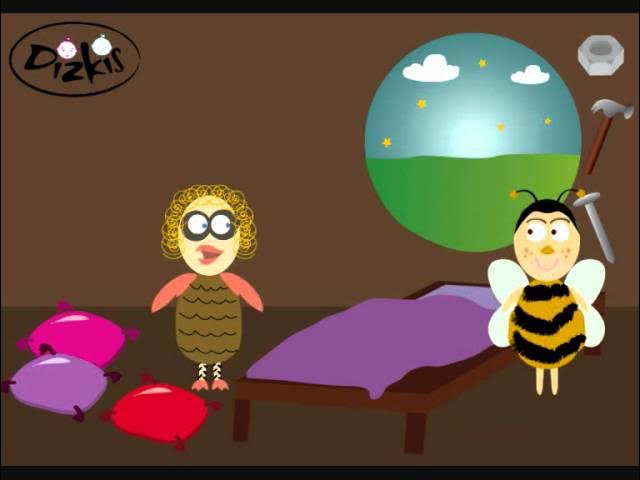
Have you ever wondered how to explain life’s most delicate topics to curious young minds? Perhaps you’ve heard the phrase “the birds and the bees” but are unsure of its origins or meaning.
You’re not alone. The birds and the bees story has been a go-to metaphor for generations, gently introducing complex concepts about nature, life, and human relationships. It’s a topic that tickles our curiosity and sometimes stirs a bit of nervousness.
But don’t worry—understanding this story can be both enlightening and empowering. By the end of this article, you’ll not only grasp the essence of this age-old tale but also gain insights into its relevance today. Ready to dive in? This could change how you approach some of life’s most important conversations.
Origins Of The Birds And The Bees Story
The phrase “birds and the bees” is a common expression. It refers to explaining the basics of reproduction. But where did this phrase originate? Understanding its origins gives us insight into cultural attitudes towards education and relationships.
Historical Context
The “birds and the bees” story dates back to the 19th century. During this time, society was more conservative. Parents wanted a gentle way to discuss reproduction. They used nature as an analogy. Birds and bees became symbols of love and new life.
Birds are often associated with spring. They build nests and care for their young. Bees, on the other hand, pollinate flowers. This helps plants grow and reproduce. These natural processes made for a suitable metaphor.
Cultural References
The phrase gained popularity through literature and music. In 1928, Cole Porter wrote a song. Its lyrics mention “birds do it, bees do it.” This song hinted at romance and love.
Over time, the story became more widespread. Parents used it to avoid awkward conversations. It provided a simple way to explain complex topics. The phrase remains a part of our cultural lexicon. It serves as a gentle introduction to the topic of reproduction.
Symbolism In The Story
The “birds and the bees” story is often used to explain reproduction. It uses symbolism to make complex topics understandable. The birds and bees represent different aspects of nature’s cycle. This story helps simplify a topic that can be awkward to discuss. Let’s explore the symbolism of birds and bees in this story.
Birds As A Metaphor
Birds symbolize freedom and the cycle of life. They build nests, lay eggs, and nurture their young. This reflects the nurturing aspect of reproduction. Birds’ migration also represents life’s journey and change. Their songs and courtship dances mirror romantic attraction. Birds teach us about the beauty and complexity of life.
Bees As A Metaphor
Bees represent hard work and community. They play a crucial role in pollination, a key part of reproduction. Bees work together to build hives and gather nectar. This teamwork reflects the cooperation needed in human relationships. Bees’ pollination ensures plants and flowers thrive. It symbolizes growth and the continuation of life.
Purpose And Use
The “birds and the bees” story explains basic reproduction concepts to children. It uses nature as a metaphor to simplify complex topics. Parents often use this story to introduce discussions about life and growth.
The “Birds and the Bees” story is more than just a cute phrase. It serves a vital role in explaining complex concepts about life and reproduction to children. It’s not just about the mechanics of reproduction; it’s about imparting values, understanding relationships, and respecting boundaries. The story is a tool for parents and educators to navigate these sensitive discussions with ease and clarity. So, what is the real purpose behind this age-old tale, and how is it used today?Educational Intentions
The primary goal of the “Birds and the Bees” story is to educate. It’s designed to gently introduce children to the concept of reproduction in a way they can understand. It’s about laying the groundwork for more detailed discussions as they grow older. You want to make sure the information is age-appropriate and aligns with your family values. Think about it: Wouldn’t you prefer your child hears about this topic from you first, rather than from their peers or the internet?Common Scenarios For Use
Parents often use the “Birds and the Bees” story during casual conversations. It can arise naturally when kids start asking questions about where babies come from or why people kiss. Teachers might use this concept in educational settings, particularly during biology lessons. It’s about finding the right moment to impart knowledge without making it awkward. Imagine this: You’re driving home, and your child asks a question about why animals behave a certain way. This could be your perfect opening to discuss life’s mysteries using the story. Ultimately, the “Birds and the Bees” story is a versatile tool. Its purpose and use are deeply rooted in fostering understanding and respect about human relationships. As you consider discussing these topics, what approach will you take to ensure your child understands both the facts and the values behind them?
Credit: m.youtube.com
Modern Interpretations
Modern interpretations of the “birds and the bees” story reflect changes in society. As cultures evolve, so do the ways we discuss sensitive topics. The traditional metaphor remains, but the approach has shifted significantly.
Changes In Communication
Communication styles have transformed in recent years. Parents now focus on openness and honesty. They aim to create a safe space for discussions. This change helps children feel comfortable asking questions.
Previously, conversations were often vague and indirect. Now, clarity is key. Parents use straightforward language to explain topics. This shift empowers children with knowledge and understanding.
Impact Of Technology
Technology plays a crucial role in modern interpretations. The internet offers vast resources for learning. Parents and children can access information easily. Digital platforms provide tools for interactive learning.
Social media influences how these stories are shared. It allows for diverse perspectives and experiences. Families can engage with communities worldwide. This global reach broadens the understanding of sensitive topics.
Criticism And Controversy
The “Birds and the Bees” story is a traditional way of explaining reproduction. Yet, it is not without its critics. Some people find this analogy outdated and simplistic. It often leaves out important details about human sexuality.
Limitations Of The Story
The story simplifies complex biological processes. It tends to focus on heterosexual reproduction alone. This can create confusion about other aspects of human relationships. Many find it lacking in scientific accuracy. It often fails to address emotional aspects of intimacy.
Young listeners might miss key information. They may not understand the realities of consent and safety. Modern discussions require more depth and clarity. The story often doesn’t prepare them for real-world situations.
Cultural Variations
Different cultures have unique approaches to this topic. Some communities use different metaphors. Others might avoid such stories entirely. Cultural beliefs shape how this story is told. What works in one place might not work elsewhere.
Language differences can also create misunderstandings. Some phrases do not translate well. This can lead to confusion about the subject. It’s important to consider cultural context when sharing these stories.

Credit: www.amazon.com
Alternative Approaches
Exploring alternative approaches to the “birds and the bees” story can make discussions about reproduction more relatable. Parents might use storytelling, simple metaphors, or age-appropriate books to explain complex topics. This helps kids understand without feeling overwhelmed.
When it comes to teaching children about sensitive topics like reproduction and relationships, the traditional “birds and the bees” story often falls short. Parents and educators are seeking more effective ways to communicate these crucial lessons. These alternative approaches are not only more relevant but also more inclusive and comprehensive.Contemporary Educational Methods
Modern education has introduced dynamic methods to engage children in understanding complex topics. Interactive workshops in schools use activities and open discussions to demystify subjects. This hands-on approach encourages questions and nurtures curiosity. Digital platforms have also become a vital resource. Animated videos and online courses provide visual and interactive content that can simplify difficult concepts. These tools allow learning at a child’s own pace, ensuring they fully understand before moving on. What if schools organized parent-child sessions to learn together? This could create a comfortable space for children to express their thoughts without fear of judgment.Inclusive Communication Strategies
Inclusive communication recognizes that every child is unique. Using diverse cultural references can make the conversation more relatable to different backgrounds. This approach ensures that no child feels alienated from the discussion. Language choice is crucial. Using simple, direct words helps children grasp ideas more easily. Avoid euphemisms that might confuse rather than clarify. Consider using stories or analogies that reflect a child’s everyday experiences. This makes abstract concepts more tangible and easier to understand. Have you considered involving children in writing their own stories? This not only aids comprehension but also empowers them to take control of their learning journey. Incorporating these alternative approaches can make the “birds and the bees” talk less daunting and more enlightening for both you and your child. Remember, the goal is to create a safe, open environment that fosters understanding and respect. How will you start this important conversation?Credit: www.storyjumper.com
Frequently Asked Questions
What Is The Birds And Bees Story?
The birds and bees story is a metaphorical way of explaining reproduction and sexual education. It uses nature’s examples like birds and bees to describe how life is created. This story is often used to introduce children to the basics of human reproduction in an age-appropriate manner.
Why Use Birds And Bees For This Story?
Birds and bees are commonly used because they symbolize nature and its processes. Birds lay eggs and bees pollinate flowers, which are basic reproductive activities. This makes them relatable examples for introducing complex biological concepts to children in a simple way.
How Do Parents Explain The Birds And Bees?
Parents often use simplified language and examples from nature to explain the birds and bees. They may describe how animals reproduce and relate it to human biology. The goal is to provide foundational knowledge about reproduction while ensuring the child feels comfortable and informed.
When Should You Tell The Birds And Bees Story?
The birds and bees story is often told when children start asking questions about reproduction. Parents may choose to explain it when children show curiosity or reach an appropriate age. Timing can vary, but it’s generally introduced before adolescence to prepare them for future discussions.
Conclusion
Understanding the birds and the bees story helps parents and kids communicate. It simplifies complex topics into easy-to-understand lessons. This story provides a gentle introduction to life’s basics. Parents can use it to start important conversations. Kids learn about nature and relationships in a simple way.
This builds a foundation for future learning. Starting early makes future discussions easier. Being open and honest with kids is key. Encourage questions and provide clear answers. This story remains a useful tool for teaching. It helps bridge gaps in understanding.
A timeless way to share life’s wonders.