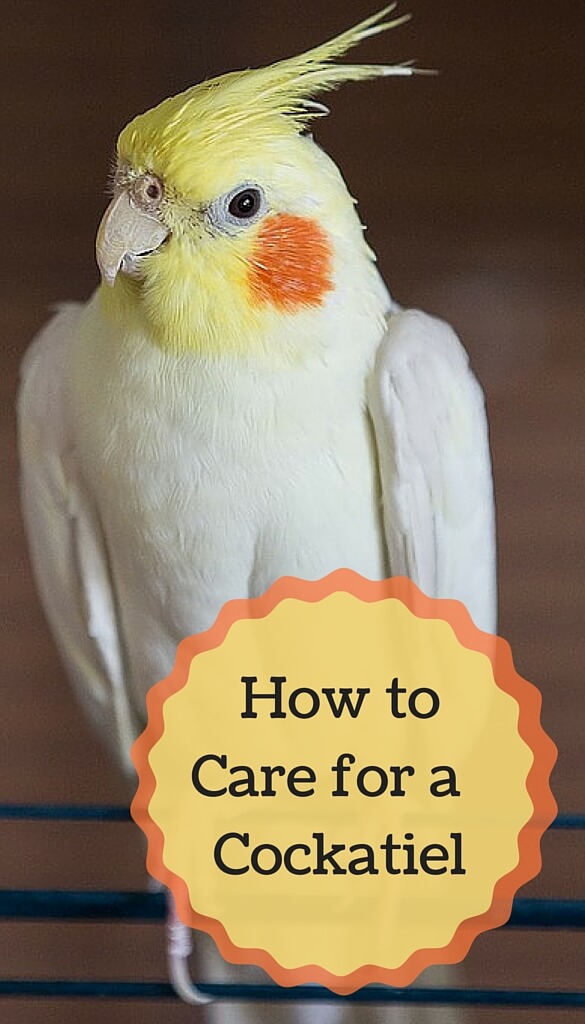
Are you ready to welcome a feathery friend into your home? Cockatiels, with their vibrant personalities and charming whistles, make delightful pets.
But like any new companion, they require care and attention to thrive. You might be wondering, how do you ensure your cockatiel is happy and healthy? Understanding the essentials of cockatiel care not only enriches their lives but also deepens your bond with them.
Imagine a life where your cockatiel is not just surviving, but truly thriving—singing joyfully each morning and trusting you completely. By learning how to take care of a cockatiel bird, you can transform your home into a sanctuary that meets their every need. Ready to discover the secrets to a joyful and rewarding relationship with your cockatiel? Let’s dive in and uncover the tips and tricks that will make you a confident and caring bird owner.
Cockatiel Basics
Welcome to the world of cockatiels! These charming birds are popular pets. Their friendly nature and beautiful appearance make them a favorite choice. Understanding the basics is crucial for their care and well-being. Let’s explore what makes cockatiels unique and diverse.
Traits And Characteristics
Cockatiels are known for their playful personalities. They love to interact with their owners. Their ability to mimic sounds adds to their charm. These birds can whistle tunes and imitate speech. Their lifespan ranges from 10 to 15 years. Cockatiels thrive on social interaction and attention. A cockatiel’s crest signals its mood. Raised crests indicate excitement or curiosity.
Common Varieties
Cockatiels come in various colors and patterns. The most common is the gray variety. It features a yellow face and orange cheek patches. Another popular type is the Lutino cockatiel. It boasts a pale yellow body with bright cheeks. The Cinnamon cockatiel has a warmer brown hue. The Pearl variety displays unique markings on its feathers. Each type has its own beauty and appeal.
Setting Up The Cage
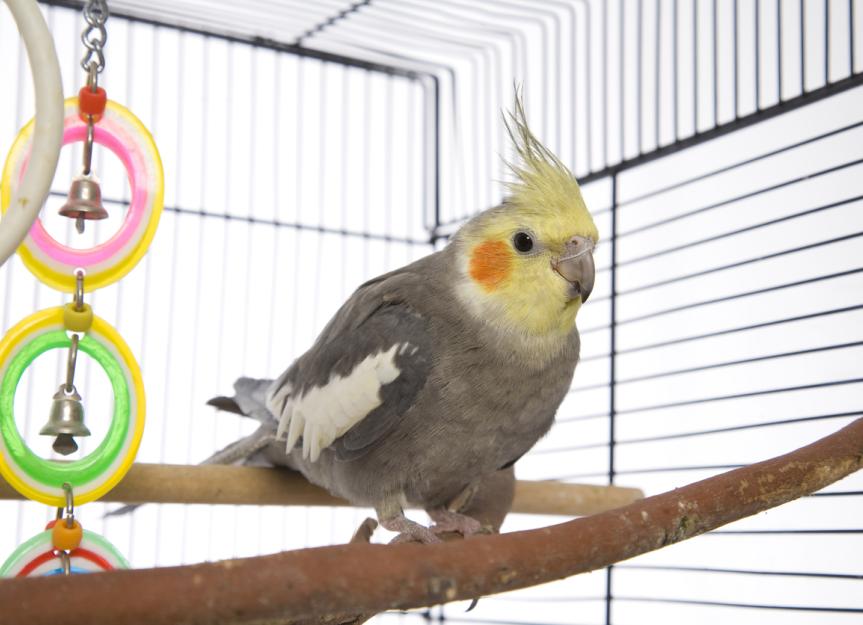
Creating a comfortable cage for your cockatiel is essential. Ensure it’s spacious with perches and toys for mental stimulation. Regularly clean the cage to keep your bird healthy and happy.
Setting up the perfect cage for your cockatiel is crucial for its happiness and health. A well-planned cage setup can make your bird feel safe, entertained, and at home. Let’s dive into the essentials of creating a cozy haven for your feathered friend.Choosing The Right Size
The size of the cage can significantly impact your cockatiel’s quality of life. A larger cage allows for more movement, reducing stress and promoting exercise. Aim for a cage that’s at least 24 inches wide, 18 inches deep, and 24 inches high. Imagine being in a cramped space all day. Wouldn’t you want room to stretch? Your cockatiel feels the same. Ensure there’s enough space for it to spread its wings fully without hitting the bars.Essential Accessories
Beyond size, accessories play a crucial role in your cockatiel’s environment. Start with perches of varying diameters. This keeps your bird’s feet healthy and strong. Natural wood perches are a great option and mimic their natural habitat. Add a variety of toys to keep your cockatiel mentally stimulated. Rotate them regularly to maintain interest. A bored bird can become a noisy bird, or worse, a destructive one. Don’t forget food and water dishes. Secure them at a height that’s easy for your cockatiel to access. Consider a swing or a ladder to add some fun and exercise opportunities. Have you thought about the cage location? It should be in a lively area of your home, away from drafts and direct sunlight. Your cockatiel thrives on interaction, so place the cage where it can be part of the family action. Setting up your cockatiel’s cage thoughtfully can make all the difference. What changes will you make to ensure your bird’s environment is just right?Diet And Nutrition
Caring for a cockatiel requires attention to its diet and nutrition. A balanced diet ensures your bird stays healthy and energetic. It’s important to know what your cockatiel needs to thrive.
Balanced Diet Components
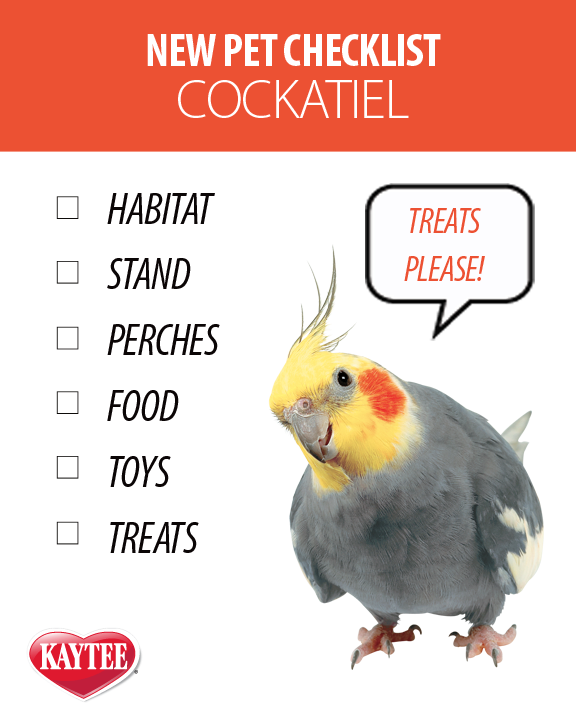
Cockatiels need a mix of seeds, pellets, fruits, and vegetables. Seeds provide essential fats and proteins. Pellets offer vitamins and minerals. Fresh fruits like apples and berries add variety. Vegetables such as carrots and spinach provide fiber and nutrients. A balanced diet keeps your cockatiel happy and healthy.
Foods To Avoid
Some foods can harm your cockatiel. Avoid chocolate, caffeine, and alcohol. These are toxic to birds. Avocado is also dangerous and should be kept away. Onions and garlic can cause health issues. Junk food is not suitable for cockatiels. Stick to nutritious and safe foods to ensure your bird’s well-being.
Credit: www.kaytee.com
Grooming And Hygiene
Cockatiels are charming birds that require proper care to thrive. Grooming and hygiene play a crucial role in maintaining their health and happiness. Keeping their feathers, beak, and nails in good condition ensures your cockatiel remains active and beautiful.
Feather Care
Feathers are vital for a cockatiel’s health. They need regular attention. Allow your bird to bathe often. You can use a shallow dish with water or mist it gently. Bathing helps remove dirt and keeps feathers shiny. Monitor your cockatiel’s feathers for signs of damage or parasites. Healthy feathers lead to a happy bird.
Beak And Nail Maintenance
A cockatiel’s beak and nails need regular trimming. This prevents overgrowth and discomfort. Provide toys for beak exercise. This helps keep it naturally trimmed. Nails can grow long and cause problems. Use a nail clipper designed for birds. Trim carefully, avoiding the quick. Regular maintenance keeps your cockatiel comfortable and healthy.
Health Monitoring
Health monitoring is crucial for cockatiel birds. These birds are sensitive and require careful attention. Regular checks ensure they stay happy and healthy. Monitoring helps catch problems early, preventing serious issues. Knowing what to watch for makes caring easier and more effective.
Signs Of Illness
Watch your cockatiel’s behavior closely. Changes in eating can signal issues. Reduced activity or puffed feathers may indicate illness. Listen for changes in their voice. Unusual sounds could mean discomfort. Look for discharge from eyes or beak. These are common illness signs.
Notice their droppings. Changes in color or consistency are warning signs. Regular observation helps detect these changes quickly. Pay attention to their breathing. Labored breathing needs immediate attention. Quick action often prevents complications.
Routine Check-ups
Schedule regular visits to the vet. Professional check-ups are important. They help ensure your bird is healthy. Vets can spot issues that are hard to notice. They provide expert advice and guidance.
Keep a health record for your cockatiel. Document weight, diet, and behavior changes. This helps track their health over time. Use this record during vet visits. It assists the vet in understanding your bird’s health history.
Routine check-ups support long-term health. They prevent minor issues from becoming serious. Regular care keeps your cockatiel in good spirits. Healthy birds are happy birds.

Credit: m.youtube.com
Training And Behavior
Cockatiels are intelligent birds that enjoy interaction. Training them can be a fun experience. Understanding their behavior helps in creating a strong bond. Training also ensures a well-behaved pet. This section provides tips on training and addressing behavioral issues.
Basic Commands
Start with simple commands like “step up” and “step down.” Use a perch or your finger for practice. Reward your cockatiel with treats when they obey. Consistency is key. Repeat the commands daily for best results. Keep training sessions short to maintain their interest.
Once your bird masters these, introduce new commands. “Come here” and “stay” are good next steps. Use a calm voice during training. Always praise your cockatiel when they succeed. Positive reinforcement encourages them to learn more.
Addressing Behavioral Issues
Cockatiels may develop habits like biting or screaming. Identify the cause of the behavior first. Stress, fear, or lack of attention can be triggers. Provide a safe and calm environment for your bird. Ensure they get enough playtime and interaction.
If biting occurs, avoid sudden movements. Stay calm and speak softly. Redirect their attention with toys or treats. Consistent training can reduce unwanted behaviors. Be patient. Changing habits takes time.
For screaming, check their needs first. Hunger or boredom often lead to excessive noise. Ensure they have a balanced diet and enough toys. Teach them a quiet command using positive reinforcement. Reward silence with treats and praise.
Social Interaction
Creating a bond with a cockatiel bird is essential. Spend time talking and gently handling them. Provide toys and space to encourage playful interactions.
Caring for a cockatiel extends beyond feeding and cleaning its cage. Social interaction is a vital aspect of their care, as these intelligent birds thrive on companionship and mental stimulation. Without enough interaction, they may become bored or even depressed. To ensure your feathered friend leads a happy and healthy life, dedicate time to social activities that foster a strong bond and keep their minds active.Bonding With Your Bird
Building a bond with your cockatiel involves patience and consistency. Spend time near their cage, talking softly to help them get used to your voice. Gradually, you can begin offering treats through the cage bars, helping them associate you with positive experiences. Once trust is established, let your cockatiel perch on your finger. This may take several attempts, but persistence pays off. Remember, each bird is unique. Some are more social than others, so adjust your approach based on their comfort level. Engage in regular, gentle handling sessions to deepen your bond. Use these moments to observe their behavior and learn what they enjoy. This will help you cater to their specific needs and preferences.Playtime And Enrichment
Cockatiels are curious creatures that enjoy play. Provide a variety of toys to keep them entertained, such as bells, ropes, and mirrors. Rotate these toys regularly to maintain their interest and prevent boredom. Interactive playtime is crucial. Spend time each day playing with your cockatiel outside the cage. This not only strengthens your relationship but also provides essential exercise. Introduce simple games like “peek-a-boo” or teach them to mimic sounds. These activities stimulate their minds, enhancing their cognitive skills and keeping them engaged. Consider setting up a play area with ladders and swings. This encourages exploration and satisfies their natural curiosity. How often do you switch up the toys and games to keep your cockatiel engaged?Safety Considerations
Ensuring your cockatiel’s safety is paramount for its well-being. These charming birds are curious and energetic, making them prone to accidents. Understanding potential hazards can help you create a safe environment. Let’s dive into two key areas: hazards in the home and travel safety tips.
Hazards In The Home
Your home can be full of hidden dangers for a cockatiel. Open windows or doors can lead to escape. Ensure screens are secure and windows are closed. Ceiling fans pose a risk. Always turn them off when your bird is out of its cage. Houseplants can be toxic to cockatiels. Research safe plants before placing them around the house. Keep cords and wires out of reach. Birds may chew them, risking electric shock. Small objects like paperclips or rubber bands can be swallowed, causing harm. Regularly check the floor for these items.
Travel Safety Tips
Traveling with a cockatiel requires careful planning. Use a sturdy travel cage for journeys. It should be secure and comfortable. Place the cage in a stable position in your vehicle. Avoid areas with extreme temperatures. Never leave your cockatiel unattended in a parked car. Sudden temperature changes can be dangerous. Keep noise levels low. Loud sounds can stress your bird. Carry a water bottle to keep your pet hydrated. Make regular stops to offer water and check on your cockatiel.
Credit: www.petmd.com
Frequently Asked Questions
How Often Should I Feed My Cockatiel?
Feed your cockatiel twice daily with fresh seeds or pellets. Ensure a balanced diet with fruits and vegetables. Cockatiels need a variety of nutrients to stay healthy. Clean water should always be available. Adjust portions based on your bird’s activity level and size.
What Are The Best Toys For Cockatiels?
Cockatiels love toys that stimulate their mind and body. Choose toys that encourage climbing, chewing, and foraging. Rotate toys regularly to keep your bird engaged. Avoid toys with small parts that can be swallowed. Look for toys made from safe, non-toxic materials.
How Can I Keep My Cockatiel Healthy?
Provide a balanced diet, regular vet check-ups, and mental stimulation. Ensure your cockatiel has a clean, spacious cage. Offer opportunities for social interaction and exercise outside the cage. Monitor for signs of illness like changes in appetite or behavior.
How Do I Train My Cockatiel?
Start training with simple commands like “step up. ” Use positive reinforcement with treats and praise. Be patient and consistent in your training sessions. Keep sessions short and enjoyable for your bird. Gradually introduce new tricks as your cockatiel learns.
Conclusion
Caring for a cockatiel requires dedication and love. Provide a balanced diet. Fresh water is essential. Clean the cage regularly to ensure health. Engage your bird with toys and social interaction. Spend time daily to strengthen your bond. Regular vet visits maintain health.
Learn your bird’s body language. Recognize signs of stress or happiness. Cockatiels thrive in a safe, loving environment. Follow these tips for a happy, healthy pet. Enjoy the rewarding experience of cockatiel companionship. Your feathered friend will thank you with joy and affection.