There’s a special magic that a bird bath brings to a garden – a tranquil spot where feathered friends can gather, drink, and refresh themselves. But a stagnant bird bath can quickly lose its appeal, becoming a breeding ground for mosquitoes and a less inviting sight for your avian visitors. This is where the humble yet ingenious solar powered bird bath water pump steps in, transforming still water into a vibrant, oxygenated oasis. It’s an eco-friendly, low-maintenance solution that not only enhances your garden’s aesthetic but also provides essential fresh water for local wildlife.
As enthusiasts of sustainable living and thriving backyard ecosystems, we understand the allure and the potential pitfalls of adding a new piece of equipment to your outdoor space. The market is brimming with options, from basic floating pumps to sophisticated systems with battery backups and multiple spray patterns. Navigating this landscape can feel overwhelming, especially when you’re aiming for a balance of performance, durability, and value.
This comprehensive buying guide is your definitive resource, meticulously crafted to cut through the noise and empower you with expert knowledge. We’ll delve into the critical factors that differentiate a great pump from a mediocre one, explore the various types available, highlight common mistakes to avoid, and provide a clear budget breakdown. By the end, you’ll be equipped with all the insights needed to make an informed decision, ensuring your solar bird bath pump is not just a purchase, but a lasting enhancement to your garden’s charm and ecological health.

What to Look for When Buying Buying Guide
Choosing the right solar bird bath water pump involves more than just picking the first one you see. It’s about understanding the nuances of how these devices operate and how they integrate with your specific bird bath and garden environment. Here are the key factors you must consider to ensure you make a smart investment.
1. Performance Specifications: GPH, Head Height & Panel Power
The heart of any pump lies in its ability to move water. For solar bird bath pumps, this is measured primarily by two specifications: Gallons Per Hour (GPH) and Head Height. GPH indicates the volume of water the pump can circulate, while head height refers to the maximum vertical distance the pump can push water. A higher GPH means a stronger flow, which is beneficial for creating lively fountains or for larger bird baths that require more circulation to prevent stagnation. Head height is crucial if you want a significant spray height; a pump with a 3-foot head height will struggle to produce a 1-foot fountain if your bird bath itself is deep.
Equally important is the wattage of the solar panel. A higher wattage panel (e.g., 2.5W, 3W, 5W) will convert more sunlight into electricity, providing more consistent power to the pump. This directly impacts the GPH and head height, especially during less-than-ideal sunny conditions. Look for pumps with a good balance – a pump with high GPH but a weak solar panel might only perform optimally on the brightest days. Consider your bird bath’s depth and diameter, and whether you desire a subtle ripple or a dynamic fountain, then match the pump’s GPH and head height accordingly.
2. Solar Panel Design & Efficiency
The solar panel is the lifeline of your pump. There are generally two main types of solar panels used: monocrystalline and polycrystalline. Monocrystalline panels are typically more efficient, meaning they convert a higher percentage of sunlight into electricity, often performing better in lower light conditions or on slightly overcast days. Polycrystalline panels are generally less efficient but can be more cost-effective. For a bird bath pump, either can work, but for consistent performance, especially if your region experiences frequent cloudy days, a monocrystalline panel is often preferred.
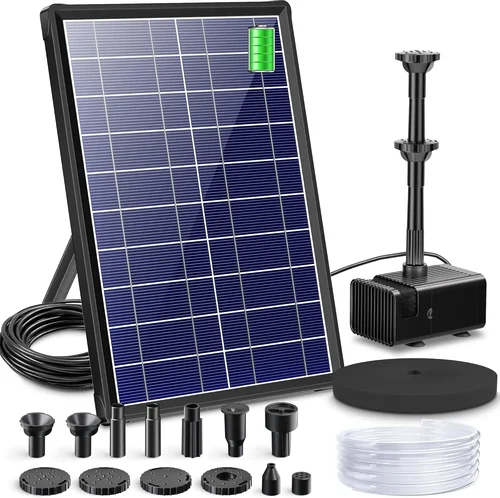
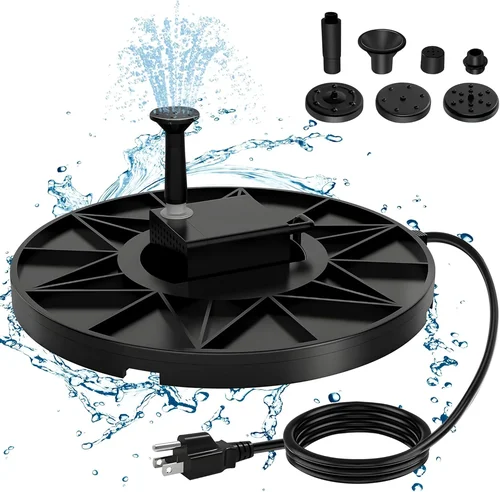
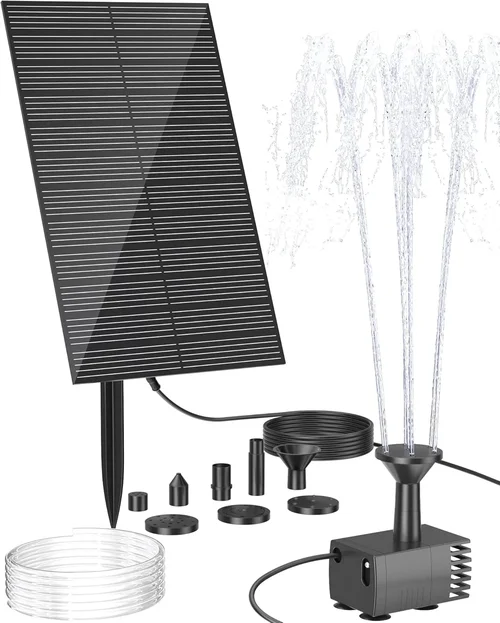
Beyond the material, consider the panel’s design: Is it integrated directly into the pump housing, allowing it to float on the water, or is it a detached panel connected by a cable? Integrated panels are simpler to install and often more budget-friendly. However, their placement is fixed, and if the bird bath is in a shaded spot, they won’t work. Detached panels offer flexibility, allowing you to position the panel in direct sunlight while the pump remains hidden in the water. Some detached panels come with an adjustable stand, enabling you to optimize the angle for maximum sun exposure throughout the day or season. Look for panels that are durable, weather-resistant, and have a good surface area to capture ample sunlight.
3. Build Quality & Durability
Your solar bird bath pump will live outdoors, exposed to the elements. Therefore, its build quality and durability are paramount. The housing material of the pump and panel should be robust, typically made from high-quality ABS plastic or, for more premium models, stainless steel components. These materials should be UV-resistant to prevent degradation and fading from prolonged sun exposure, which can impact performance and lifespan. Additionally, check for an IP (Ingress Protection) rating. An IP68 rating, for example, indicates that the pump is fully dust-tight and can withstand continuous immersion in water, ensuring longevity and reliable operation.
Beyond the main body, examine the small but critical components like the motor, wiring, and filter. A brushless motor is often preferred for its longer lifespan and quieter operation compared to brushed motors. Wires should be well-insulated and securely attached. A robust filter system made from durable mesh is essential to prevent debris from clogging the pump, which is a common cause of failure. Prioritizing well-constructed components will save you from frequent replacements and maintenance headaches in the long run.
4. Features & Functionality
Modern solar bird bath pumps offer a surprising array of features that can enhance their utility and your enjoyment. One of the most common features is a variety of nozzle attachments, which allow you to create different fountain patterns – from a gentle bubbler to a multi-tiered spray. Some kits include up to 6-8 different nozzles, offering versatility to match your aesthetic preference and minimize splashing.
A significant upgrade is the inclusion of a battery backup system. This allows the pump to store excess solar energy gathered during the day, enabling it to operate for several hours after sunset or on cloudy days. If you desire continuous water flow regardless of sunlight, a battery backup is a must-have. Another crucial feature is dry-run protection or a water level sensor. This automatically shuts off the pump when the water level is too low, preventing the pump from running dry and burning out its motor – a common cause of premature failure. Some advanced models might even include LED lights for night illumination, remote controls for adjusting settings, or advanced filtration systems. Consider which features genuinely add value to your experience and are worth the extra cost.
5. Ease of Installation & Maintenance
A solar bird bath pump should be a convenience, not a chore. Most floating solar pumps are incredibly easy to install: simply unbox, attach your desired nozzle, and place it in the water. They will start working almost immediately in direct sunlight. Detached panel systems might require a bit more setup, involving connecting the panel to the pump via a cable and positioning the panel, but this is usually a straightforward process. Look for clear, concise instructions and minimal assembly requirements.
Maintenance is where long-term satisfaction truly lies. Solar pumps, by their nature, will accumulate debris. A good design will feature an easily accessible and removable filter that can be cleaned regularly. Pumps with complex internal structures or hard-to-reach impellers will make cleaning a frustrating task, leading to neglect and eventual pump failure. Look for models where the filter can be rinsed under a tap and the impeller chamber can be opened with minimal tools, or even by hand. Regular cleaning (weekly or bi-weekly, depending on your environment) is essential to prevent clogs and maintain optimal performance, so choose a pump that makes this process as simple as possible.
6. Brand Reputation & Warranty
In a market flooded with similar-looking products, brand reputation can be a reliable indicator of quality and customer satisfaction. Established brands often invest more in research and development, use higher-quality components, and provide better quality control. Look for brands that specialize in outdoor or solar products, as they are more likely to understand the specific challenges these products face.
Equally important is the warranty and customer support offered. A robust warranty (e.g., 1-2 years) signifies the manufacturer’s confidence in their product. Understand what the warranty covers (e.g., motor, panel, battery) and the process for making a claim. Good customer support means you can easily reach out for troubleshooting, replacement parts, or general assistance, which can be invaluable if you encounter any issues. While a cheaper, lesser-known brand might seem appealing initially, the peace of mind and long-term reliability offered by a reputable brand with solid support often justify a slightly higher initial investment.
Different Types of Buying Guide
When you begin your search for a solar bird bath water pump, you’ll quickly notice that they aren’t all designed the same way. Understanding the main categories will help you narrow down your choices based on your bird bath setup, desired features, and budget. Here’s a breakdown of the most common types you’ll encounter:

When selecting a type, always consider your specific needs: Is your bird bath consistently in full sun? Do you want nighttime operation? How important is aesthetics and hiding the solar panel? Answering these questions will guide you to the right category.
Common Buying Mistakes to Avoid
Even with all the right intentions, it’s easy to fall into common traps when purchasing a solar bird bath water pump. Being aware of these pitfalls can save you time, money, and frustration.
❌ Mistake: Ignoring Water Level & Dry-Run Potential
Why it’s bad: Many solar pumps are designed to operate submerged. If the water level in your bird bath drops too low due to evaporation or enthusiastic birds splashing, the pump can run dry. This causes the motor to overheat and quickly burn out, rendering your pump useless. It’s one of the most frequent reasons for premature pump failure.
What to do instead: Prioritize pumps that include a water level sensor or dry-run protection feature. These automatically shut off the pump when the water gets too low, protecting the motor. If your chosen pump lacks this, make a habit of checking and refilling your bird bath daily, especially during hot, sunny weather. Even better, consider a bird bath designed for easy refilling or one with a larger water reservoir.
❌ Mistake: Underestimating Power Needs for Your Bird Bath
Why it’s bad: Purchasing a pump that is too weak for your bird bath size or desired fountain height will lead to disappointment. A low GPH (Gallons Per Hour) pump in a large bird bath won’t provide adequate circulation, and a pump with insufficient head height won’t produce the spray pattern you envisioned, instead offering a meager trickle.
What to do instead: Accurately measure your bird bath’s depth and estimate its volume. If you want a tall, lively fountain, look for pumps with a higher head height (e.g., 2-3 feet) and a good GPH (e.g., 150+ GPH). For simple circulation or a gentle bubble, a lower-spec pump might suffice. Always err on the side of slightly more power than you think you’ll need.
❌ Mistake: Neglecting Regular Cleaning & Maintenance
Why it’s bad: Bird baths, by their nature, accumulate debris – leaves, dust, bird droppings, and algae. If the pump’s filter and impeller are not regularly cleaned, they will clog, reducing performance, straining the motor, and eventually causing it to seize up. Many users assume “solar” means “no maintenance,” which is a costly misconception.
What to do instead: Factor in maintenance when choosing a pump. Look for models with easily accessible, removable filters and impeller chambers. Plan to clean your pump at least once a week, or more frequently if your bird bath is prone to debris. A quick rinse under the tap can save your pump’s life and ensure continuous beautiful operation.
❌ Mistake: Improper Solar Panel Placement
Why it’s bad: The “solar” in solar pump relies entirely on direct, unobstructed sunlight. Placing the panel in a shaded area, under a tree, or even at an incorrect angle will drastically reduce its efficiency, leading to weak or intermittent pump operation, and poor battery charging (if applicable).
What to do instead: Identify the sunniest spot in your garden that receives direct sunlight for the longest duration, especially during peak sun hours (10 AM to 4 PM). If you’re using a detached panel, use its included stake or mount to position it optimally. For integrated floating pumps, ensure the bird bath itself is in full sun. Be mindful of seasonal changes in sun path and adjust the panel’s position as needed.
❌ Mistake: Skipping Battery Backup When Needed
Why it’s bad: If you want your bird bath pump to run continuously, even on cloudy days or after sunset, a pump without a battery backup will disappoint. Without stored energy, the pump will only work when there’s sufficient direct sunlight, leading to inconsistent operation and periods of stagnation.
What to do instead: Assess your priorities. If consistent flow, nighttime operation, or performance on partially cloudy days is important to you, invest in a solar pump model with an integrated battery backup. Check the battery’s capacity (measured in mAh) and the stated runtime to ensure it meets your expectations.
❌ Mistake: Prioritizing Price Over Quality
Why it’s bad: While budget is always a factor, opting for the absolute cheapest solar pump often leads to disappointment and premature failure. Low-cost pumps frequently use inferior materials, less efficient solar panels, weak motors, and lack essential protective features like dry-run protection. This means you’ll likely be replacing it sooner rather than later.
What to do instead: Consider your purchase an investment in your garden’s aesthetic and ecological health. While you don’t need the most expensive model, aim for a pump that strikes a balance between features, performance, and construction quality. Read reviews, check the brand’s reputation, and look for models with at least a 1-year warranty. A slightly higher initial outlay often translates to greater satisfaction and longevity.
Budget Guidelines: How Much Should You Spend?
The price of solar bird bath water pumps varies significantly depending on their features, power, and brand. Understanding the different price tiers can help you set realistic expectations for what you’ll get within your budget.
Entry-Level ($15 – $30)
- What to expect: These are typically the most basic integrated floating pumps. They consist of a small solar panel directly attached to a small pump. You’ll often find a few simple nozzle attachments.
- Performance: They work directly off sunlight, so expect operation only on bright, sunny days. Flow will be modest, suitable for small, shallow bird baths. They rarely include battery backup or dry-run protection.
- Best for: Experimenting with solar pumps, small bird baths in consistently sunny locations, or for those on a very tight budget who don’t mind intermittent operation.
Mid-Range ($30 – $60)
- What to expect: This is the sweet spot for many buyers, offering a significant jump in quality and features without breaking the bank. You’ll find more stable submersible integrated pumps or basic detached panel systems. Some may include a small battery backup for a few hours of operation or improved solar panel efficiency.
- Performance: Better flow rates and head heights than entry-level models. Often come with a wider variety of nozzles and may offer some level of dry-run protection.
- Best for: Most average-sized bird baths, users who want more reliable operation and better features without a premium price tag. Good for those who want some flexibility in panel placement or short periods of evening operation.
Premium ($60 – $100)
- What to expect: In this range, you’re looking at more robust systems. These almost always feature a detached solar panel for optimal placement, a substantial battery backup for extended operation (several hours into the night or on cloudy days), and higher-quality components. You’ll find advanced features like true dry-run protection, multiple spray patterns, and often a longer warranty.
- Performance: Consistent, strong water flow and good head height. Designed for durability and reliable performance even in less ideal conditions.
- Best for: Enthusiasts, larger bird baths, users who demand consistent operation day and night, those living in areas with variable sunlight, or anyone prioritizing longevity and advanced features.
Luxury ($100+)
- What to expect: These are top-tier systems, often designed for larger garden features like small ponds or multi-tiered bird baths, or for users who desire the absolute best. They feature high-wattage, highly efficient solar panels, large-capacity batteries, premium-grade materials (e.g., stainless steel components), advanced control options (like remote controls or timers), and exceptionally durable construction.
- Performance: Maximum power, very long battery life, and superior reliability. These pumps are built to last and provide continuous, high-performance operation.
- Best for: Professionals, large-scale bird bath installations, discerning buyers who want the ultimate in performance, durability, and feature sets, or those integrating the pump into a broader garden water feature.
Remember, the “best” pump isn’t always the most expensive. It’s the one that best matches your needs, environment, and budget while offering solid quality and reliability.
Expert Tips for Getting the Best Deal
Armed with knowledge about types and features, let’s look at how to secure the best value for your money. Making a smart purchase goes beyond just the initial price tag; it’s about optimizing your investment for long-term satisfaction.
1. Optimize Solar Panel Placement for Peak Performance
Even the most powerful solar pump will underperform if its panel isn’t correctly positioned. Ensure the solar panel receives direct, unobstructed sunlight for the majority of the day, especially during the brightest hours (10 AM – 4 PM). Angle the panel towards the sun’s path to maximize energy absorption. This simple step costs nothing but can significantly improve pump performance and battery charging.
2. Read User Reviews, But Look for Patterns
User reviews are invaluable, but don’t just skim the star ratings. Look for patterns in feedback: Do multiple people complain about the same issue (e.g., “stopped working after a month,” “weak spray,” “battery doesn’t last”)? Conversely, are there recurring praises for specific features or customer service? Pay attention to reviews that mention longevity and performance after several months of use, not just initial impressions.
3. Consider Buying During Off-Season Sales
Solar bird bath pumps are often considered seasonal items, with peak demand in spring and early summer. You might find better deals during the late fall or winter months when retailers are clearing inventory. Keep an eye out for post-holiday sales (e.g., after Christmas or during Black Friday/Cyber Monday events) for potential discounts, even on outdoor gear.
4. Check the Warranty and Return Policy Thoroughly
Before finalizing your purchase, understand the warranty period and what it covers. A 1-2 year warranty is standard for mid-range and premium models. Also, familiarize yourself with the retailer’s return policy. A generous return window (e.g., 30-90 days) allows you to test the pump in your specific environment and return it if it doesn’t meet your expectations without hassle.
5. Prioritize Pumps with Easy Maintenance Features
The best pump is one you’ll actually maintain. Look for pumps where the filter can be easily accessed and removed without tools. Pumps with a clear, simple design for impeller access will make weekly cleaning less of a chore, ensuring your pump runs efficiently for longer. Neglecting maintenance is the quickest way to kill your pump, regardless of its initial quality.
6. Don’t Overlook Dry-Run Protection
As mentioned, running dry is a common pump killer. If you can afford it, always opt for a pump with an automatic dry-run shut-off feature or a water level sensor. This small addition can significantly extend the life of your pump by protecting its motor from damage caused by low water levels due to evaporation or enthusiastic bird splashing. It’s an investment in longevity.
7. Buy From Reputable Retailers
Whether online or in-store, purchase your pump from a well-known and reputable retailer. They often have better customer service, more reliable shipping, and more straightforward return processes should an issue arise. While small online marketplaces might offer slightly lower prices, the peace of mind and support from a larger, established vendor can be invaluable.

Frequently Asked Questions
We’ve gathered some of the most common questions people have about solar powered bird bath water pumps to help clarify any lingering doubts.
Q: How do solar bird bath pumps work?
A: Solar bird bath pumps operate by converting sunlight into electricity. A solar panel captures photons from the sun and converts them into direct current (DC) electricity. This electricity powers a small, submersible pump motor, which then draws water from the bird bath and pushes it upwards through a nozzle, creating a fountain or flow. If the pump has a battery backup, excess energy is stored in the battery for use when sunlight is insufficient.
Q: Do they work at night or on cloudy days?
A: Basic solar pumps without a battery backup will only work in direct, strong sunlight. They will stop or run intermittently on cloudy days and won’t work at all at night. Pumps equipped with a battery backup system can store energy during sunny periods, allowing them to operate for several hours after dark or during periods of low light, depending on the battery’s capacity and charge level.
Q: How often do I need to clean the pump?
A: For optimal performance and longevity, you should clean your solar bird bath pump at least once a week. If your bird bath gathers a lot of debris (leaves, dust, algae, bird droppings), you might need to clean it more frequently. Regularly remove the filter and rinse it, and check the impeller for any blockages to prevent clogging and motor strain.
Q: Can I use a solar pump in any bird bath?
A: Most solar bird bath pumps are designed to be used in various bird bath types, provided there’s enough water depth for the pump to be fully submerged and the bath is placed in a sunny location (or allows for a detached solar panel). Floating pumps require a minimum diameter to move freely. Ensure your bird bath is stable and won’t easily tip over with the added water movement.
Q: What’s the average lifespan of a solar pump?
A: The lifespan varies significantly based on quality, usage, and maintenance. An entry-level pump might last 6 months to a year, while a well-maintained, mid-range to premium pump can last 2-3 years, and sometimes even longer. Regular cleaning, ensuring it doesn’t run dry, and proper storage during winter months (if applicable) are crucial for extending its life.
Q: Are they safe for birds?
A: Yes, solar bird bath pumps are generally safe for birds. The water flow they create is gentle, and the electrical components are sealed and submerged, posing no risk. In fact, moving water is more attractive to birds than stagnant water, and it helps deter mosquitoes, creating a healthier environment for your avian visitors.
Q: How do I prevent water from splashing out of the bird bath?
A: Excessive splashing is often due to a pump that’s too powerful for the bird bath’s size or using a nozzle with a very high spray pattern. To prevent this, try these solutions:
- Use a lower power nozzle (e.g., a bubbler or a gentle shower).
- Ensure the water level is sufficiently high but not overflowing.
- Place small, smooth stones around the pump to help break up the spray gently.
- Consider a pump with adjustable flow settings, if available.
Q: Do they attract mosquitoes?
A: No, quite the opposite! Mosquitoes prefer to lay their eggs in stagnant water. The constant movement and circulation created by a solar bird bath pump disrupt the water’s surface, making it an unsuitable breeding ground for mosquitoes. This is one of the significant advantages of adding a pump to your bird bath.
Q: What’s the difference between GPH and head height?
A: GPH stands for Gallons Per Hour and indicates the volume of water the pump can move in an hour. Head height (or max lift) refers to the maximum vertical distance the pump can push water. A high GPH is good for circulation, while a high head height is necessary for taller fountain sprays. Both are important specifications for determining a pump’s overall power and suitability.
Q: Can I replace just the solar panel or pump?
A: In some cases, yes, especially for detached panel systems where the pump and panel are connected by a wire. If either component fails, you might be able to find a compatible replacement from the manufacturer or a third-party supplier. However, for integrated floating pumps, the entire unit usually needs to be replaced if one part fails, as they are often sealed together.
Our Final Recommendations
Making the right choice can feel like a big decision, but with the insights from this guide, you’re well-prepared. Here are our top recommendations for different buyer profiles to help you finalize your selection:
Best for Budget-Conscious Buyers: Floating Integrated Solar Pump (Basic Model)
For those taking their first step into the world of solar bird baths without a significant investment, a simple floating integrated pump is ideal. These are typically under $25, easy to set up (just drop it in!), and provide a charming ripple or small fountain on sunny days. Look for models from brands like Ohuhu or AISITIN for reliability in this category. Just remember to place your bird bath in full sun and keep the water level topped up to protect the pump.
Best Overall Value: Detached Panel Pump with Moderate Battery Backup
If you’re looking for a balance of performance, flexibility, and reliability without splurging on the most expensive options, a detached panel pump with a modest battery backup is your best bet. These pumps often range from $40-$70 and offer the ability to position the solar panel in optimal sunlight while keeping the pump submerged. The battery backup ensures more consistent operation, even on slightly overcast days or for a few hours into the evening. Brands like Ankway or Solatec often offer excellent choices in this sweet spot, providing good GPH, multiple nozzles, and dry-run protection.
Best Premium Option: High-Capacity Detached Panel System with Advanced Features
For enthusiasts who demand consistent, powerful performance, extended operation (day and night), and robust durability, a premium detached panel system with a large battery and advanced features is worth the investment. These models (typically $80-$120+) offer higher wattage solar panels, larger battery capacities (for 6+ hours of nighttime operation), strong GPH and head height, and critical features like superior dry-run protection. They often boast better build quality, materials, and a more comprehensive warranty. Consider higher-end offerings from Esasor or larger capacity AISITIN models for a truly reliable and long-lasting solution.
Best for Beginners: Simple & Sturdy Integrated Submersible Pump
If you’re new to solar pumps and want something a little more stable than a floating pump but still straightforward, an integrated submersible pump is a great choice. These models sit at the bottom of your bird bath, making them less prone to floating to the edge or getting displaced by birds. They are generally in the $25-$40 range, offer good initial performance, and are very easy to install. Just ensure your bird bath gets ample direct sunlight. Look for options that emphasize easy filter cleaning for simple maintenance.
Best for Consistent Flow (Shade/Night): Any Detached Panel Pump with Substantial Battery Storage
For those whose bird bath is in a partially shaded area, or if you simply desire continuous water movement day and night, prioritizing a pump with a detached solar panel and a substantial battery backup is crucial. The ability to place the panel in full sun independently from the pump is key, and a larger battery ensures hours of operation after dark or during extended cloudy periods. Focus on models specifying battery capacity (mAh) and estimated run time to meet your needs for consistent water flow.
Conclusion: Making the Right Choice
Selecting the perfect solar powered bird bath water pump might seem like a small task, but its impact on your garden’s aesthetic and ecological health can be profound. By transforming stagnant water into a dynamic, flowing source, you not only deter unwanted pests like mosquitoes but also create an irresistible haven for birds and other beneficial wildlife, bringing your garden to life.
We’ve explored the essential factors from performance specifications and build quality to advanced features and budget considerations. We’ve also armed you with strategies to avoid common mistakes and provided expert tips to ensure you get the most value from your purchase. Remember, the “best” pump isn’t a one-size-fits-all solution; it’s the one that aligns perfectly with your specific bird bath, your garden’s sun exposure, and your personal desire for features like nighttime operation or powerful fountain displays.
Take the time to assess your needs, revisit the key factors, and consider our recommendations. With this comprehensive guide in hand, you are now well-equipped to make an informed, confident decision. Go forth and choose the solar bird bath pump that will bring joy, tranquility, and vibrant life to your outdoor space for years to come!