Transforming your garden into a serene oasis that beckons both you and local wildlife is a deeply rewarding endeavor. Among the myriad of garden enhancements, the solar bird bath water feature stands out as a beacon of ecological responsibility and aesthetic charm. It offers a continuous supply of fresh water for thirsty birds, bees, and butterflies, all while operating completely off-grid, harnessing the sun’s abundant energy. But with the market brimming with options, ranging from simple to sophisticated, making the right choice can feel overwhelming.
This comprehensive guide is meticulously crafted to demystify the world of solar bird baths. We understand that you’re not just buying a product; you’re investing in a living, breathing enhancement for your outdoor space. Through these pages, you will gain an expert-level understanding of critical features, build quality, performance specifications, and long-term considerations. Our aim is to equip you with the knowledge needed to confidently select a solar bird bath that perfectly aligns with your garden’s aesthetic, your maintenance preferences, and your budget.
The solar bird bath market has experienced remarkable growth, driven by increasing environmental consciousness and a desire for sustainable home solutions. What began with basic designs has evolved into a diverse landscape featuring innovative technologies like battery backup systems, integrated LED lighting, and advanced water filtration. This guide will navigate you through this rich variety, ensuring your chosen solar bird bath not only looks beautiful but also performs flawlessly for years to come, providing endless enjoyment for you and essential hydration for your feathered friends.

What to Look for When Buying Buying Guide
1. Build Material & Durability
The longevity and aesthetic appeal of your solar bird bath water feature heavily depend on the materials used in its construction. Common materials include resin, ceramic, concrete, metal (such as cast iron or copper), and natural stone. Each material offers a unique set of advantages and disadvantages. Resin is lightweight, cost-effective, and can be molded into intricate designs, often mimicking more expensive materials like stone. However, it can become brittle over time with prolonged UV exposure and may not be as heavy or stable. Ceramic bird baths are visually appealing, offering vibrant glazes and artistic designs, but they are prone to cracking or chipping, especially in freezing temperatures, and can be quite heavy. Concrete provides excellent stability and durability, resisting wind and weather, but it’s very heavy, less portable, and its porous nature can encourage algae growth if not properly sealed. Metal, particularly copper or cast iron, offers a classic, rustic look and incredible durability, often developing a beautiful patina over time. However, metal can heat up significantly in direct sun, potentially making the water too warm for birds, and some metals can be very expensive. Natural stone is the epitome of elegance and durability, built to last for generations, but it comes with a premium price tag and substantial weight. When evaluating, consider your local climate (especially freezing winters), the desired aesthetic, and how much maintenance you are willing to undertake.
2. Solar Panel & Pump Performance
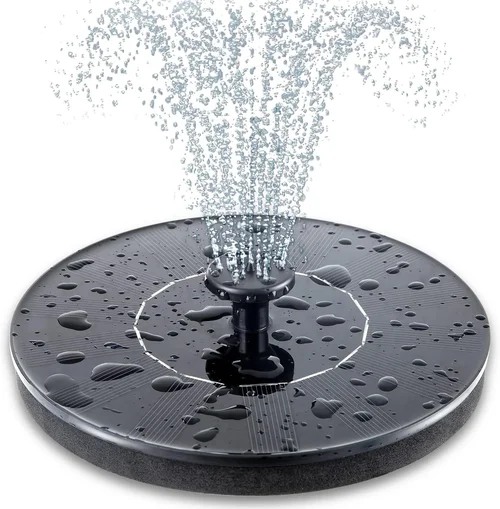
The heart of any solar bird bath water feature is its solar panel and pump system. Understanding their performance specifications is crucial for consistent operation. Solar panel wattage dictates how much power can be generated; higher wattage generally means better performance, especially on partly cloudy days or in less direct sunlight. Look for panels made with monocrystalline or polycrystalline silicon, known for their efficiency. The pump’s flow rate, usually measured in gallons per hour (GPH) or liters per hour (LPH), determines the vigor of the water flow and the height of the fountain spray. A higher GPH means a more robust water feature, but also faster evaporation. Some advanced models include a battery backup system, which charges during the day and allows the pump to operate during cloudy periods or at night. This feature significantly enhances reliability and extends operating hours. Consider whether the solar panel is integrated directly into the bird bath or if it’s a remote panel connected by a cable. Remote panels offer flexibility, allowing you to place the panel in optimal sunlight while positioning the bird bath in a more shaded, decorative spot. Assess the quality of the pump itself; a durable, low-maintenance pump with a good filter will minimize clogs and extend the life of your unit.
3. Water Capacity & Reservoir Design
The capacity of the water basin and its overall design are critical for both bird appeal and ease of maintenance. A bird bath should have a sufficient water capacity to avoid constant refilling, especially during hot, dry periods when evaporation rates are high. Consider the depth of the basin; birds prefer shallow water for bathing, typically no more than 1 to 2 inches at its deepest point, with a gradual slope. This allows smaller birds to wade in comfortably without fear of deep water. The reservoir design should also prioritize ease of cleaning. Smooth, non-porous surfaces are easier to scrub free of algae and debris. Look for basins without too many intricate nooks and crannies where dirt can accumulate. Some designs feature multiple tiers or small ledges, providing different depths and perching spots, which can attract a wider variety of bird species. Additionally, consider designs that minimize splash-out to conserve water and prevent constant wetting of surrounding areas. A wide, stable base for the basin helps prevent accidental tipping, especially important in areas with strong winds or playful pets.
4. Aesthetics & Design
Beyond its functionality, your solar bird bath water feature serves as a prominent decorative element in your garden. The aesthetic appeal and design should harmonize with your existing landscape and personal style. Bird baths come in a vast array of styles, from rustic and traditional to modern and minimalist. Consider the color, texture, and overall shape. Do you prefer a classic pedestal design that mimics ancient stone, a contemporary bowl with clean lines, or something whimsical with sculpted elements? The material choice will inherently influence the aesthetic; for example, copper often lends a traditional, warm feel, while glazed ceramic can introduce vibrant pops of color. Think about the scale and proportion relative to your garden. A small, delicate bird bath might get lost in a sprawling landscape, while an oversized one could overwhelm a compact patio. Visualizing the bird bath in its intended location, taking into account surrounding plants, pathways, and other garden decor, will help you make an informed decision that enhances your outdoor living space rather than clashing with it. The goal is to find a piece that not only performs its function but also acts as a beautiful focal point that brings joy every time you see it.
5. Maintenance & Cleaning
Even the most advanced solar bird bath water feature will require regular maintenance to remain functional and hygienic. Understanding the cleaning regimen before you buy is essential. Look for designs that allow for easy access to the basin and pump for cleaning. Removable components, such as the pump or filter, simplify the process. Many solar bird baths include small filters to prevent debris from clogging the pump, but these filters themselves need regular rinsing. Water in bird baths can quickly become a breeding ground for algae, mosquitoes, and bacteria if not cleaned frequently. Consider models with smooth, non-porous surfaces that are easy to wipe down. Some larger, more complex systems might incorporate integrated filtration or UV sterilizers, reducing the frequency of deep cleaning but potentially increasing initial cost and part replacement expenses. For maximum convenience, a bird bath that can be quickly emptied, scrubbed with a brush, and refilled is ideal. Regular maintenance not only ensures clean water for birds but also prolongs the life of the pump and prevents unpleasant odors. Factor in how often you realistically commit to cleaning, especially during warmer months, when algae growth is more prolific.
6. Features & Functionality
Modern solar bird baths often come equipped with a range of additional features that enhance their appeal and usability. One popular feature is LED lighting, which illuminates the water feature at night, creating a captivating glow and extending its enjoyment into the evening hours. These lights are typically solar-powered themselves, drawing energy from the same panel or a separate integrated one, and often have an automatic on/off sensor. Some models include various fountain nozzles or spray heads, allowing you to customize the water pattern from a gentle bubble to a multi-tiered spray. This not only adds visual interest but can also attract different bird species. As mentioned, battery backup systems are invaluable, storing excess solar energy to ensure the pump operates even when the sun isn’t shining, such as on cloudy days or after dusk. Other advanced features might include water level sensors that automatically shut off the pump if the water gets too low, protecting the pump from dry running damage, or even remote controls for adjusting flow rates or lighting. Assess which of these features are “must-haves” for you and which are nice-to-haves, as they will directly impact the price point and complexity of the unit.
7. Stability & Placement
The stability of your solar bird bath is paramount, especially if you live in an area prone to high winds, or if you have children or pets who might accidentally knock it over. Consider the weight and design of the base. Heavier materials like concrete or stone inherently offer more stability. For lighter models, look for wider bases or designs that allow for anchoring to the ground. Some pedestal designs can be filled with sand or water for added weight. The placement of your solar bird bath water feature is equally important for both its performance and its appeal to birds. It needs to be located in a spot that receives ample direct sunlight for several hours a day, preferably six to eight hours, to ensure the solar panel can generate enough power for consistent operation, especially if it has a battery backup. Avoid placing it under trees where falling leaves and debris can quickly foul the water and clog the pump. However, nearby shrubs or small trees do offer birds a sense of security and a place to perch before and after drinking or bathing. Ensure the chosen location is easily accessible for cleaning and refilling, and visible from your favorite viewing spot to maximize your enjoyment.
8. Warranty & Brand Reputation
Investing in a solar bird bath means you expect it to last and perform reliably. This makes understanding the manufacturer’s warranty and their overall brand reputation incredibly important. A reputable brand typically stands behind its products with a reasonable warranty period, often ranging from 1 to 3 years for the bird bath itself and sometimes a separate, shorter warranty for components like the pump or solar panel. Read the warranty terms carefully to understand what is covered, for how long, and the process for making a claim. A strong warranty indicates the manufacturer’s confidence in their product’s quality. Furthermore, research the brand’s reputation by reading user reviews and checking their customer service record. Do they have a history of producing reliable products? Are they responsive and helpful when issues arise? Brands with consistently positive feedback often prioritize quality control and customer satisfaction. While a higher price doesn’t always guarantee better quality, established brands that offer robust support and clear warranty terms generally provide greater peace of mind and a better long-term ownership experience for your solar bird bath water feature.
Different Types of Buying Guide

Understanding the different categories of solar bird bath water features is essential for narrowing down your options. Each type caters to specific needs and preferences, from basic functionality to elaborate garden statements. Whether your priority is ease of setup, continuous operation, or stunning visual impact, there’s a solar bird bath designed to meet that demand. Considering these distinct types against your personal criteria will significantly streamline your decision-making process.
Common Buying Mistakes to Avoid
❌ Mistake: Ignoring Solar Panel Quality
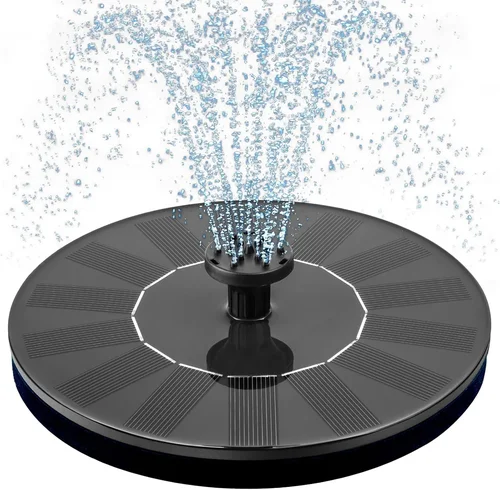
Why it’s bad: Many buyers focus solely on the bird bath’s appearance, overlooking the quality and wattage of the solar panel. A cheap, inefficient panel will lead to inconsistent water flow, especially on partly cloudy days, and a generally disappointing experience. It might also have a shorter lifespan.
What to do instead: Prioritize models with reputable solar panels, ideally with a clear wattage rating. Look for monocrystalline or polycrystalline panels, known for better efficiency. If possible, choose models with remote panels that allow you to position them for maximum sun exposure, independent of the bird bath’s location.
❌ Mistake: Underestimating Maintenance Needs
Why it’s bad: Some buyers assume a “set it and forget it” approach with solar bird baths. However, water features, especially those exposed to the elements, require regular cleaning to prevent algae buildup, pump clogs, and mosquito breeding, which can quickly turn a beautiful feature into an unsightly nuisance.
What to do instead: Be realistic about the maintenance commitment. Choose a bird bath with an easily accessible basin and pump. Factor in weekly cleaning into your routine. Consider models with simple designs that are easier to scrub and rinse, and be prepared to clean pump filters regularly.
❌ Mistake: Choosing Inadequate Materials for Your Climate
Why it’s bad: Selecting a bird bath made from materials ill-suited to your local climate can lead to premature damage and a wasted investment. For instance, ceramic can crack in freezing temperatures, and lightweight resin can blow over in high winds or degrade quickly under intense UV.
What to do instead: Research materials carefully. If you have harsh winters, opt for frost-proof materials or models that are easy to drain and store indoors. For windy areas, choose heavier, more stable designs or ones that can be anchored. Look for UV-resistant coatings for resin models in sunny climates.
❌ Mistake: Forgetting Water Capacity and Depth for Birds
Why it’s bad: A bird bath that is too deep or has insufficient capacity can deter birds or require constant refilling. Birds prefer shallow water (1-2 inches deep) for bathing and drinking, and a small basin will evaporate quickly in warm weather, leaving birds without water.
What to do instead: Look for basins with a gradual slope and a maximum depth of 2 inches, allowing birds of all sizes to safely access the water. Ensure the overall capacity is sufficient to last at least a full day, or ideally longer, especially if you can’t refill it daily.
❌ Mistake: Overlooking Stability and Placement Requirements
Why it’s bad: An unstable bird bath is a hazard, prone to tipping over and breaking, especially if placed in an exposed area. Additionally, improper placement can lead to poor solar panel performance and dirty water.
What to do instead: Choose models with a wide, heavy base or consider adding weight (like sand) to the base if it’s lightweight. Plan its location carefully, ensuring it receives at least 6-8 hours of direct sunlight daily for the solar panel, while also being easily accessible for cleaning and providing nearby perching spots for birds.
❌ Mistake: Not Checking Warranty and Return Policies
Why it’s bad: Neglecting to review warranty information can leave you without recourse if the product arrives damaged, malfunctions prematurely, or doesn’t meet expectations. A poor or non-existent warranty is a red flag.
What to do instead: Always verify the manufacturer’s warranty for both the bird bath structure and its components (pump, panel). Understand what’s covered and for how long. Additionally, check the retailer’s return policy, especially for large items, in case of transit damage or dissatisfaction.
❌ Mistake: Impulse Buying Based Solely on Looks
Why it’s bad: While aesthetics are important, buying a solar bird bath water feature purely on its visual appeal without considering functionality, durability, and maintenance can lead to buyer’s remorse when it doesn’t perform as expected or quickly deteriorates.
What to do instead: Balance visual appeal with practical considerations. Create a checklist of your priorities – material, solar power, capacity, stability, maintenance ease – and ensure your chosen model meets these criteria before making a final decision. Read reviews that discuss performance and longevity, not just appearance.
Budget Guidelines: How Much Should You Spend?
The cost of a solar bird bath water feature can vary significantly, reflecting differences in materials, size, solar technology, and additional features. Understanding these price tiers will help you set realistic expectations and find a model that offers the best value for your investment.
- Entry-Level ($50 – $150): In this range, you’ll typically find smaller, simpler models, often made from lightweight resin or plastic. They usually feature integrated solar panels and basic pumps with limited flow options and no battery backup. Expect straightforward designs and functionality. These are ideal for those on a tight budget, first-time buyers, or for smaller gardens where a subtle water feature is desired. Durability might be a concern in harsher climates, and consistent performance on cloudy days will be minimal.
- Mid-Range ($150 – $350): This is the sweet spot for most buyers, offering a significant jump in quality and features without breaking the bank. You’ll find models made from more durable resin, glazed ceramic, or sturdy metal. Many in this range include remote solar panels for better sun optimization, basic battery backup for extended operation, and a variety of fountain nozzles. Designs become more intricate and visually appealing. This tier offers a good balance of performance, durability, and aesthetic value, suitable for average-sized gardens and those seeking reliable daily operation.
- Premium ($350 – $600): For enthusiasts and those seeking a more substantial and visually striking garden feature, the premium range delivers. Here, you’ll encounter larger bird baths crafted from high-quality, weather-resistant materials like cast iron, higher-grade ceramics, or composite stone. Expect more powerful solar panels, robust pumps, extended battery backup systems (often with LED lighting), and sophisticated designs. These models are built for longevity and consistent performance, often becoming a focal point in the garden. They offer enhanced durability and a richer feature set.
- Luxury ($600+): At the top end, luxury solar bird baths are often bespoke pieces or very large, multi-tier fountains made from natural stone, premium metals, or expertly crafted composites. They boast the most advanced solar technology, powerful and quiet pumps, extensive battery life, and intricate details like integrated landscaping elements or smart controls. These are for buyers who prioritize ultimate durability, unique artistic statements, and an uncompromising blend of form and function. They are substantial investments designed to be heirloom pieces that dramatically enhance expansive landscapes.
Expert Tips for Getting the Best Deal
- When to Buy (Seasonal Sales & Timing): The best time to purchase a solar bird bath water feature is often during the off-season. Retailers typically offer discounts in late fall or early winter to clear inventory. Major holiday sales events like Black Friday, Cyber Monday, and post-Christmas clearances can also yield significant savings. Keep an eye out for end-of-season sales in late summer as gardening supplies are being discounted to make way for fall products.
- Where to Buy (Retailers, Online vs. In-Store): Online retailers generally offer a wider selection and competitive pricing, often with free shipping for larger items. Websites specializing in garden decor, home improvement stores, and large e-commerce platforms are good starting points. For a hands-on feel and to assess build quality, local garden centers or specialty outdoor living stores are excellent, though prices might be slightly higher. Check both avenues before committing.
- How to Spot Deals: Sign up for newsletters from your favorite retailers to receive alerts about sales and exclusive discounts. Use price comparison websites and browser extensions to track prices over time. Don’t shy away from looking at “open box” or “refurbished” items from reputable sellers, which can offer significant savings on premium models, often with full warranties. Bundle deals, where a bird bath is offered with accessories like cleaning kits, can also provide value.
- Warranty Considerations: Always confirm the warranty period and terms before purchasing. A good warranty, especially for the pump and solar panel, is a strong indicator of product quality and manufacturer confidence. Save your receipt and warranty information in an accessible place.
- Return Policies: Familiarize yourself with the retailer’s return policy, especially for larger or more fragile items. Understand the return window, whether you’ll pay for return shipping, and if there are any restocking fees. This is crucial in case the bird bath arrives damaged or doesn’t meet your expectations.
- Testing Before Buying (if possible): If buying in-store, ask if you can see a demonstration of the pump’s flow and listen for noise levels. If buying online, upon arrival, perform a quick test to ensure the solar panel charges and the pump works before fully installing it or discarding packaging.
- Optimal Placement for Performance: Regardless of the model you choose, ensure it’s placed in a location that receives maximum direct sunlight throughout the day. Avoid shaded areas that will limit solar panel efficiency, especially for models without battery backup.
- Read User Reviews Extensively: Go beyond the overall star rating. Read detailed reviews, particularly those mentioning long-term performance, ease of cleaning, durability, and customer service experiences. Look for patterns in complaints or praise to get a realistic picture.

Frequently Asked Questions
Q: How does a solar bird bath water feature work?
A: A solar bird bath works by using a small solar panel to convert sunlight into electricity. This electricity powers a small submersible pump, which circulates water from the basin, creating a fountain or gentle flow. Some models include a battery to store excess solar energy for use on cloudy days or after sunset.
Q: Do solar bird baths work on cloudy days?
A: Most solar bird baths require direct sunlight to operate at full power. On cloudy days, performance will be reduced, and the pump may run intermittently or not at all. Models with a battery backup system can store energy, allowing them to operate for a period even without direct sun.
Q: How often do I need to clean my solar bird bath?
A: For optimal hygiene and to prevent algae buildup, it’s recommended to clean your solar bird bath at least once a week. In very hot weather or if it’s heavily used by birds, you may need to clean it more frequently. Regular cleaning also prevents the pump from clogging.
Q: Can I use tap water in my solar bird bath?
A: Yes, tap water is generally fine for solar bird baths. However, if your tap water has a high mineral content, you might notice mineral deposits (limescale) accumulating over time, requiring more frequent cleaning. Distilled water could be used, but it’s often not practical for the volume needed.
Q: Will birds actually use a solar bird bath with a fountain?
A: Absolutely! Birds are highly attracted to the sound and sight of moving water, which often signals a fresh, clean source. The gentle ripples or sprays from a fountain can attract more birds than a static water dish, making it a highly effective feature for wildlife.
Q: How do I prevent algae growth in my bird bath?
A: Regular cleaning is the best defense. Empty and scrub the basin weekly. You can also use a small amount of non-toxic, bird-safe algaecide (available at pet or garden stores) specifically designed for bird baths. Keeping the water moving (which your fountain does) also helps to some extent, but doesn’t eliminate the need for cleaning.
Q: What should I do with my solar bird bath in winter?
A: In areas with freezing temperatures, it’s crucial to drain and clean your solar bird bath, then store it indoors in a shed or garage to prevent damage from freezing water expanding and cracking the basin or pump. Even “frost-proof” materials benefit from winter storage to prolong their life.
Q: Are solar bird baths safe for small birds?
A: Yes, they are generally very safe. When selecting a solar bird bath, look for basins with shallow depths (1-2 inches) or those with a gradual slope, allowing small birds to comfortably wade and bathe. Avoid very deep basins or those with overly strong, aggressive fountain sprays.
Q: How long do solar bird bath pumps and panels typically last?
A: With proper care and maintenance, a good quality solar pump can last 2-5 years, while solar panels can last 5-10 years or even longer, depending on the material and exposure. Factors like consistent cleaning, proper winter storage, and avoiding dry running contribute significantly to their lifespan.
Q: Can I add fish to my solar bird bath?
A: It is generally not recommended to add fish to most standard solar bird baths. The basins are usually too shallow, the water volume is too small for a stable ecosystem, and the constant water movement or high temperatures in direct sun can be stressful or harmful to fish. These features are designed specifically for birds and small pollinators.
Our Final Recommendations
Choosing the perfect solar bird bath water feature is a personal journey, but based on extensive evaluation, we offer these focused recommendations to guide your decision, ensuring you find a unit that brings lasting joy and functionality to your garden.
- Best for Budget-Conscious Buyers: For those prioritizing affordability without sacrificing core functionality, opt for a sturdy resin model with an integrated solar panel. Look for a design that is easy to clean and has a decent pump wattage for reliable, if not continuous, operation during sunny hours. Focus on models with clear, positive user reviews regarding basic performance and durability for their price point.
- Best Overall Value: The sweet spot for most users lies in a mid-range solar bird bath featuring a durable, weather-resistant material like high-grade resin or glazed ceramic. Crucially, seek out models with a remote solar panel to optimize sun exposure and a basic battery backup system for extended operation. These units provide a robust balance of aesthetic appeal, consistent performance, and reasonable longevity, making them a wise investment for a vibrant garden.
- Best Premium Option: If you’re looking to make a statement and demand top-tier performance and durability, invest in a premium solar bird bath. Look for models crafted from cast iron, natural stone, or heavy-duty composite materials. Prioritize units with high-wattage remote solar panels, substantial battery backup (often with LED lighting), and a robust, low-maintenance pump. These options offer superior aesthetic appeal, exceptional longevity, and reliable, extended operation that justifies the higher price tag.
- Best for Beginners: Novice garden enhancers should look for solar bird baths that emphasize ease of setup and minimal ongoing maintenance. A lightweight, integrated solar panel model that requires no wiring or complex assembly is ideal. Choose a bird bath with a simple, smooth basin design that makes cleaning straightforward, and always check for clear instructions and a decent warranty to ensure a hassle-free entry into the world of garden water features.
- Best for Advanced Users/Enthusiasts: For seasoned gardeners or those seeking an ultimate garden centerpiece, consider large-capacity, multi-tier solar bird baths with advanced features. Look for models with powerful remote solar arrays, intelligent battery management systems, integrated LED lighting, and options for customizing water flow. Focus on premium materials like stone or copper for maximum durability and aesthetic integration, creating a truly dynamic and engaging water feature that stands out.
Conclusion: Making the Right Choice
Embarking on the journey to select a solar bird bath water feature for your garden is an exciting prospect, one that promises to bring life, sound, and natural beauty to your outdoor space. As we’ve explored, the market offers a diverse array of options, each with its unique blend of features, materials, and performance capabilities. The key to making an informed and satisfying decision lies not in finding the single “best” bird bath, but in identifying the one that aligns most closely with your individual needs, your garden’s characteristics, and your personal aesthetic preferences.
Remember to prioritize the key factors we’ve discussed: the durability of the build material, the efficiency of the solar panel and pump, the practicality of the water capacity and design, and the ease of maintenance. By carefully considering these elements, you can avoid common pitfalls and ensure your investment is a lasting source of enjoyment. Don’t underestimate the power of a good warranty and positive brand reputation – these often serve as benchmarks for quality and customer satisfaction.
Ultimately, your chosen solar bird bath water feature should not only serve as a vital water source for local wildlife but also as a personal sanctuary, a tranquil addition that enhances your connection to nature. Take your time, weigh your options, and confidently select a bird bath that will provide years of peaceful beauty and the delightful sights and sounds of happy visitors to your garden. Enjoy the gentle hum of the pump, the soothing cascade of water, and the vibrant life it attracts – your garden, and its feathered inhabitants, will thank you.