There’s something truly magical about the gentle splash of water in a garden, and for bird lovers, that magic intensifies when it comes from a solar bird bath fountain water pump. Providing a fresh, circulating water source not only attracts more feathered friends to your yard but also adds a serene, meditative ambiance to your outdoor space. The beauty of a solar-powered system is its eco-friend-liness and independence from electrical outlets, offering unparalleled flexibility in placement and a guilt-free operational cost.
However, diving into the world of solar-powered bird bath pumps can feel a bit overwhelming. The market is awash with options, ranging from simple floating units to sophisticated systems with battery backups and multiple spray patterns. How do you choose the right one that meets your needs, stands up to the elements, and provides reliable enjoyment for both you and your avian visitors? This comprehensive guide is designed to cut through the noise, equipping you with the expert knowledge needed to make an informed decision.
By the time you finish this article, you’ll understand the critical factors that differentiate a great solar fountain pump from a frustrating one. We’ll explore performance specifications, solar technology, battery capabilities, build quality, and much more. You’ll learn to identify common pitfalls, navigate budget considerations, and leverage expert tips to ensure your investment brings years of tranquil delight to your garden. Let’s embark on this journey to find the perfect solar pump for your bird bath.

What to Look for When Buying Buying Guide
Choosing the ideal solar bird bath fountain water pump involves more than just picking the first attractive option you see. A truly satisfying purchase requires a thoughtful evaluation of several key factors that directly impact performance, durability, and your overall experience. Here’s what you absolutely need to consider:
1. Performance Specifications (Flow Rate & Head Height)
Understanding the pump’s performance is paramount, as it dictates the strength and height of your fountain’s spray. The two main metrics are flow rate and head height. Flow rate is typically measured in Gallons Per Hour (GPH) or Liters Per Hour (LPH) and indicates how much water the pump can move. A higher GPH means a more vigorous flow, which can create more impressive spray patterns. Head height refers to the maximum vertical distance the pump can push water. If your bird bath is particularly deep or you desire a very tall spray, you’ll need a pump with a sufficient head height. Always consider the dimensions of your bird bath and the desired fountain effect. A small, shallow bird bath might be overwhelmed by a pump with too high a flow rate or head height, while a large basin might require a more powerful unit to create a noticeable effect. Look for specifications that align with your aesthetic goals and the physical constraints of your bird bath.
2. Solar Panel Type & Efficiency
The heart of any solar bird bath pump system is its solar panel. The type and efficiency of this panel directly influence how much power is generated and how consistently your pump operates. Most solar bird bath pumps use either monocrystalline or polycrystalline panels. Monocrystalline panels are generally more efficient, converting a higher percentage of sunlight into electricity, even in slightly lower light conditions. They tend to be sleeker and more compact. Polycrystalline panels are typically less efficient but often more budget-friendly. Beyond type, consider the panel’s size; a larger panel generally captures more sunlight, leading to better performance. Also, think about whether you need an integrated panel (where the pump and panel are one unit, often floating) or a detached panel (connected via a cable, allowing you to place the panel in direct sun while the pump remains submerged in a shaded bird bath). Detached panels offer superior flexibility for optimal sun exposure.
3. Battery Backup & Storage Capacity
For consistent operation, especially on cloudy days or if you want your fountain to run after the sun sets, a battery backup is indispensable. Not all solar bird bath fountain water pumps come with this feature, but those that do offer significantly enhanced functionality. Battery storage capacity is usually measured in milliamp-hours (mAh). A higher mAh rating means the battery can store more energy, allowing the pump to run for longer periods without direct sunlight. Some pumps will charge the battery during peak sun hours and then switch to battery power as light fades, while others can operate directly from solar power and simultaneously charge the battery. Evaluate your desire for continuous operation. If you want a consistent water flow regardless of the weather or time of day, investing in a pump with a robust battery backup is a wise decision. Always check the advertised run time on a full charge.
4. Nozzle Attachments & Spray Patterns
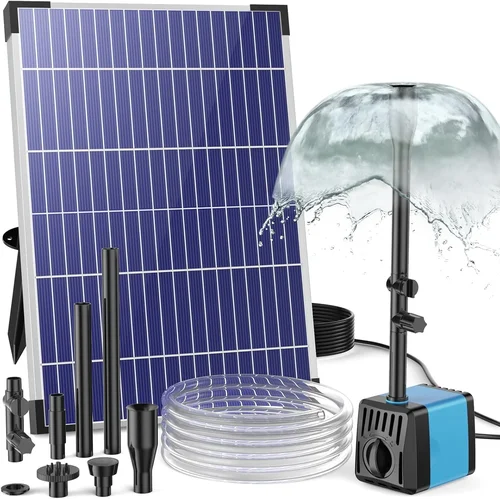
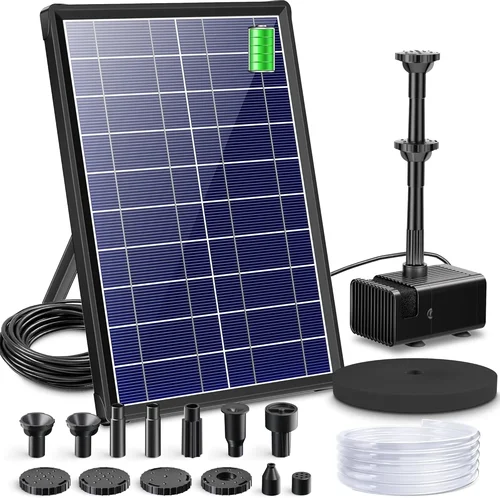
Part of the charm of a fountain is the variety of water effects it can create. Most solar fountain pump kits come with a selection of nozzle attachments that allow you to customize the spray pattern. These can range from a gentle bubbler or dome effect to more dynamic multi-jet sprays, tall geysers, or even cascading waterfalls. A good variety of nozzles enhances the aesthetic appeal of your bird bath and allows you to adjust the visual and auditory experience. Different patterns might also be more appealing to different types of birds or better suited to prevent water from splashing out of your bird bath. Consider how easy it is to change these nozzles and if they are securely attached to prevent them from detaching during operation. More options mean more ways to enjoy your solar bird bath feature.
5. Build Quality & Durability
Your outdoor solar pump will be constantly exposed to water, sunlight, and varying weather conditions, so its build quality and durability are critical for longevity. Look for pumps made from robust, UV-resistant ABS plastic or other durable materials that won’t degrade quickly under harsh sun. The pump motor itself should be well-sealed to prevent water ingress and corrosion. Submersible parts should ideally be made from stainless steel or other rust-resistant materials. A good filter system is also a sign of thoughtful design, protecting the pump from debris like leaves, dirt, and bird droppings. Examine the quality of the solar panel casing and any wiring. A pump that feels flimsy or uses cheap plastics is unlikely to withstand prolonged outdoor use. Investing in a well-constructed unit will save you frustration and replacement costs in the long run.
6. Installation & Maintenance Ease
A great solar bird bath fountain water pump should be easy to set up and maintain. Floating solar pumps are typically the easiest to install – simply place them in water under direct sunlight. Pumps with detached panels might require a bit more effort to position the panel optimally, but the overall setup should still be straightforward, often involving a simple plug-and-play connection. When it comes to maintenance, consider how easily the pump can be cleaned. Most pumps require regular cleaning to prevent mineral buildup and clear debris from the filter and impeller. Look for models with accessible filters that can be removed and rinsed without specialized tools. Pumps that are difficult to disassemble or have intricate components can turn routine maintenance into a chore, impacting your enjoyment and the pump’s lifespan. Simplicity often equates to greater satisfaction here.
7. Budget & Price Range
While it might seem obvious, setting a realistic budget is crucial for narrowing down your options. Solar-powered fountain pumps vary significantly in price, reflecting differences in performance, features, durability, and brand. Entry-level models are typically basic floating units with no battery, ideal for those seeking a simple, direct-sun fountain. Mid-range options offer better performance, a selection of nozzles, and often a small battery backup. Premium pumps boast larger solar panels, robust batteries, superior build quality, and advanced features like LED lighting or remote controls. Deciding how much you’re willing to spend will guide you towards pumps that offer the features and quality appropriate for your investment. Remember, the cheapest option isn’t always the best value if it fails quickly or doesn’t meet your needs, but the most expensive isn’t always necessary either.
8. Warranty & Customer Support
Given that solar bird bath fountain water pumps are outdoor electrical devices, a solid warranty and reliable customer support are invaluable. A manufacturer’s warranty demonstrates their confidence in the product’s durability and performance. Most reputable brands offer a warranty ranging from 6 months to 2 years. Understand what the warranty covers (e.g., pump motor, solar panel, battery) and for how long. Beyond the warranty, consider the availability and responsiveness of customer support. Should you encounter an issue, have a question about maintenance, or need a replacement part, accessible customer service can make a significant difference. Check online reviews for mentions of good or bad support experiences. A strong warranty and responsive support offer peace of mind, knowing that your investment is protected and help is available if needed.
Different Types of Buying Guide

Each type of solar bird bath fountain water pump offers distinct advantages and caters to different user needs and garden setups. Understanding these categories is the first step toward finding your perfect match.
Common Buying Mistakes to Avoid
Even with a clear understanding of what to look for, it’s easy to fall prey to common missteps when purchasing a solar bird bath fountain water pump. Avoiding these pitfalls can save you money, time, and a good deal of frustration.
❌ Mistake: Underestimating Sun Exposure
Why it’s bad: Many buyers assume “solar” means it will work fine even in partial shade or on consistently cloudy days. However, most solar pumps require several hours of direct, unobstructed sunlight daily to perform optimally, especially those without battery backups. Insufficient sun leads to weak, intermittent, or no water flow, quickly diminishing the appeal of your solar bird bath feature.
What to do instead: Observe your chosen bird bath location for a full day. Note how many hours it receives direct sunlight. If it’s less than 6-8 hours, consider a pump with a detached solar panel that can be placed in a sunnier spot or a model with a substantial battery backup for more consistent operation.
❌ Mistake: Ignoring Pump Maintenance
Why it’s bad: Unlike electric pumps that might run for extended periods without attention, solar pumps, particularly in bird baths, are prone to clogging. Debris like bird droppings, dust, algae, and mineral deposits can quickly block the impeller or filter, leading to reduced performance or complete failure. Neglecting maintenance shortens the pump’s lifespan significantly.
What to do instead: Plan for regular, weekly cleaning. Choose a pump with an easily accessible filter and impeller for quick rinsing. Keep the water in your bird bath clean and consider adding a non-toxic algaecide if algae growth is an issue. Regular cleaning will ensure smooth operation and prolong the life of your solar pump for your bird bath.
❌ Mistake: Choosing the Wrong Pump Size
Why it’s bad: A common error is selecting a pump that’s either too powerful or too weak for your bird bath. A pump with excessive flow rate or head height in a small, shallow bath will cause water to splash out constantly, requiring frequent refills. Conversely, a weak pump in a large or deep bird bath will produce a barely visible trickle, defeating the purpose of a fountain.
What to do instead: Measure your bird bath’s depth and diameter. Match these dimensions with the pump’s recommended head height and flow rate. For smaller baths (under 20 inches in diameter, 2-3 inches deep), a GPH of 100-150 and a head height of 1-2 feet is often sufficient. Larger baths might benefit from GPH 200+ and higher head height.
❌ Mistake: Overlooking Battery Backup Needs
Why it’s bad: Many budget-friendly solar bird bath fountain water pumps operate only when direct sunlight is present. This means your fountain will stop on cloudy days or as soon as the sun dips below the horizon. If you desire continuous or evening operation, a non-battery pump will lead to disappointment.
What to do instead: If consistent operation is a priority, invest in a pump with a built-in battery backup. Check the battery’s mAh rating and the advertised run time on a full charge. A larger battery capacity will provide longer operation without direct sunlight, ensuring your fountain runs when you want it to.
❌ Mistake: Prioritizing Price Over Quality
Why it’s bad: While attractive, the cheapest cheap solar bird bath pump options often come with hidden costs: frequent breakdowns, flimsy construction, inefficient solar panels, and short lifespans. What seems like a bargain initially can quickly become frustrating as you face replacements or repairs.
What to do instead: View your purchase as an investment in long-term enjoyment. Seek out pumps made with durable, UV-resistant materials. Read reviews about product longevity and reliability. Sometimes, spending a little more upfront for a quality unit with a good warranty will save you money and headaches in the long run.
❌ Mistake: Disregarding Nozzle Variety
Why it’s bad: A pump that comes with only one basic nozzle limits your ability to customize the fountain’s look and feel. What seems appealing initially might become monotonous, and without options, you can’t adjust the spray if it’s too high, too low, or causes excessive splashing.
What to do instead: Look for solar fountain pump kits that include a generous selection of nozzle attachments. This allows you to experiment with different spray patterns – from gentle bubblers to multi-tiered sprays – finding the perfect aesthetic for your bird bath and garden.
❌ Mistake: Skipping Warranty Checks
Why it’s bad: Outdoor electronics are subject to wear and tear from the elements. A lack of a warranty or a very short one (e.g., 30 days) indicates a lack of manufacturer confidence in the product’s durability. If your pump fails prematurely, you’ll be left without recourse.
What to do instead: Always check the warranty period and what it covers. Reputable brands typically offer a 6-month to 2-year warranty on solar bird bath fountain water pumps. A longer warranty offers greater peace of mind and protection for your investment.
Budget Guidelines: How Much Should You Spend?
Understanding the typical price ranges for solar bird bath fountain water pumps helps you set realistic expectations and find the best value for your money. Your budget will largely dictate the features, power, and durability you can expect. Here’s a general breakdown:
Entry-Level ($15 – $30): What to expect…
This tier typically includes basic floating solar pumps with integrated panels. They operate only in direct, strong sunlight and lack battery backup, meaning they’ll stop as soon as a cloud passes or dusk falls. Performance is generally modest, with limited flow rate and head height. Nozzle selections are basic, and construction might be less robust. These are ideal for those who want to dip their toes into solar fountains without a significant investment and don’t mind intermittent operation. They’re best suited for small, shallow bird baths in consistently sunny locations.
Mid-Range ($30 – $70): Sweet spot for most buyers…
This is where you’ll find a good balance of features, performance, and durability. Mid-range solar-powered bird bath pumps often include detached solar panels, allowing for better sun placement, and may offer a small battery backup for brief periods of cloudy weather or short evening runs. You’ll usually get a wider selection of nozzles and improved build quality compared to entry-level models. This tier represents the sweet spot for most buyers seeking reliable, enjoyable performance without breaking the bank, offering good value for a modest investment.
Premium ($70 – $150): For enthusiasts and professionals…
In this category, you’ll discover robust high-performance solar pumps with larger, more efficient solar panels and substantial battery backups. Expect longer run times on cloudy days and into the night. These pumps typically feature superior build quality, durable materials (e.g., stainless steel components), and often include advanced features like LED lighting, water level sensors, or even remote controls. Flow rates and head heights are more powerful, suitable for larger bird baths or even small ponds. This tier is for those who prioritize consistent, reliable, and enhanced fountain performance with greater longevity.
Luxury ($150+): Top-tier features…
At the top end, you’ll find comprehensive integrated solar bird bath kits or highly advanced standalone pumps. These often include the bird bath itself, designed to perfectly integrate with a powerful solar pump and extensive battery system. Expect the highest efficiency solar panels, very large battery capacities for extended night operation, and premium, often decorative, designs. Some may offer smart features, programmable timers, or intricate lighting effects. This category is for those who desire the absolute best in terms of aesthetics, performance, reliability, and cutting-edge features, treating their solar bird bath fountain as a significant landscape centerpiece.
Expert Tips for Getting the Best Deal
Navigating the market for a solar bird bath fountain water pump can be tricky, but armed with some expert advice, you can ensure you not only get a great product but also a great deal. Here are actionable tips to guide your purchase:
- Time Your Purchase with Seasonal Sales: The best times to buy outdoor garden equipment, including solar garden fountain pumps, are typically during spring (when new models are released and promotions begin) and late summer/early fall (when retailers clear out inventory for seasonal changes). Black Friday and Cyber Monday can also yield significant discounts.
- Compare Retailers, Both Online and In-Store: Don’t limit yourself to a single vendor. Check prices across major online retailers (Amazon, Wayfair, specialty garden sites) and local garden centers or hardware stores. Sometimes, local stores have unique offers or can provide personalized advice. Factor in shipping costs if buying online.
- Leverage User Reviews and Ratings: Before committing, scour user reviews on multiple platforms. Pay close attention to comments about long-term durability, actual performance in varied conditions (not just manufacturer claims), ease of maintenance, and customer support experiences. A pattern of positive reviews is a strong indicator of a reliable solar fountain pump.
- Understand Warranty and Return Policies Thoroughly: For outdoor products exposed to the elements, a robust warranty is crucial. Know its duration and what it covers. Equally important is the return policy; some retailers offer generous return windows, which is especially valuable if the pump doesn’t perform as expected in your specific bird bath setup.
- Consider Refurbished or Open-Box Deals: Some reputable retailers or manufacturers occasionally offer refurbished or open-box units at a discount. These products have usually been returned, inspected, and restored to full working order, often coming with a similar warranty. This can be a great way to snag a premium 💡 Pro Tip: Sign up for newsletters from major garden retailers. They often send out exclusive discounts and early access to sales on items like solar bird bath fountain water pump deals.
