There’s a special kind of magic that a well-placed bird bath brings to a garden. It’s not just a decorative element; it’s a vibrant hub for local wildlife, offering much-needed hydration and a place for birds to preen and play. When you introduce a solar-powered water fountain to that bird bath, you elevate the experience entirely. Gone are the days of stagnant water; instead, you get the soothing sound of trickling water, the mesmerizing dance of light on moving water, and the knowledge that you’re providing an even more attractive and hygienic water source for your feathered friends, all while harnessing the clean energy of the sun. But with an increasing array of options on the market, choosing the right solar bird bath fountain can feel overwhelming.
This comprehensive buying guide is designed to cut through the noise, empowering you with the expert knowledge needed to make an informed decision. Whether you’re a seasoned gardener looking to upgrade your wildlife haven or a newcomer eager to bring more life into your yard, understanding the nuances of these fascinating devices is key. We’ll delve into everything from pump performance and battery life to build quality and aesthetic considerations, ensuring you select a fountain that perfectly suits your needs, your garden’s style, and the preferences of its winged visitors. Prepare to transform your outdoor space into an eco-friendly oasis that both you and your local birds will adore.
The market for solar bird bath fountains has expanded dramatically in recent years, moving beyond simple floating pumps to integrated systems with advanced features like battery backup, LED lighting, and intricate design elements. This guide will help you navigate the landscape, comparing different types, highlighting critical factors, and revealing common pitfalls to avoid. By the time you finish reading, you’ll be equipped with the confidence to choose a solar bird bath fountain that not only enhances your garden’s beauty but also provides a sustainable and enchanting water feature for years to come.

What to Look for When Buying Buying Guide
Navigating the options for solar bird bath fountains requires a discerning eye. It’s not just about picking the prettiest one; it’s about understanding the core components and features that dictate performance, durability, and overall satisfaction. Let’s break down the essential factors you should scrutinize before making your purchase.
1. Performance Specifications: The Heart of the Fountain
The true measure of a solar bird bath fountain lies in its ability to effectively move water. This largely depends on the pump and solar panel specifications. You’ll want to consider the flow rate, often measured in gallons per hour (GPH) or liters per hour (LPH). A higher flow rate typically means a stronger, taller spray, but also more rapid water evaporation. Related to this is the maximum lift height, which tells you how high the pump can push water; this is especially important if you want a significant spray. A pump that can achieve a lift of 12-24 inches is usually sufficient for most bird bath applications.
The solar panel wattage (e.g., 1.5W, 3W, 5W) directly impacts the pump’s power. A higher wattage panel will provide more consistent power, especially on partly cloudy days. If the system includes a battery backup, check its capacity, usually measured in mAh (milliampere-hours). A larger mAh rating means longer operation after sunset or during periods of low sunlight. Some systems also boast an “intelligent” control system that optimizes power usage, adjusting pump speed based on available sunlight to conserve battery life. Look for diverse nozzle attachments, which allow you to customize spray patterns, from gentle bubblers to multi-stream sprays, catering to different bird preferences and aesthetic desires.
2. Build Quality & Durability: Withstanding the Elements
Your solar bird bath fountain will live outdoors, exposed to sun, rain, wind, and temperature fluctuations. Therefore, the materials and construction are paramount. For the basin itself, common materials include resin, ceramic, concrete, stone, and various plastics. Resin is lightweight and versatile, offering detailed designs, but cheaper resins can degrade under UV light. Ceramic and concrete are heavy, stable, and durable, but can be prone to cracking in freezing temperatures if not properly winterized. Stainless steel and some treated metals offer a modern aesthetic and good longevity but can heat up in direct sun.
The solar panel should be encased in a robust, weather-resistant material, ideally with a tempered glass covering that protects the cells without reducing efficiency. The pump housing should be made from durable, non-corrosive plastic or stainless steel. Pay attention to seals and wiring; they should be waterproof and securely connected. The overall stability of the bird bath is also a factor, especially for freestanding units – a heavy base or wide footprint prevents tipping in windy conditions or by larger birds.
3. Features & Functionality: Beyond Basic Bubbles
Modern solar bird bath fountains offer a range of features that enhance convenience, aesthetics, and bird appeal. A battery backup system is perhaps the most sought-after, allowing the fountain to operate after dark or on cloudy days. Many come with integrated LED lights that illuminate the water feature at night, creating a beautiful evening spectacle. Some advanced models include a water level sensor that automatically shuts off the pump if the water level gets too low, protecting the pump from running dry and burning out.
Other convenient features might include a timer function, allowing you to control when the fountain operates, or a remote control for adjusting spray patterns or turning lights on/off. Some designs incorporate a small filter system to keep debris out of the pump, extending its lifespan and reducing maintenance. Consider how easy it is to access and clean the pump and filter – regular cleaning is crucial for optimal performance.
4. Budget & Price Range: What Your Money Buys
Solar bird bath fountains span a wide price spectrum, from under $20 for basic floating pumps to several hundred dollars for elaborate, integrated systems. Your budget will naturally influence the features and quality you can expect. Entry-level options often feature smaller solar panels, less powerful pumps, and minimal additional features, suitable for existing bird baths. Mid-range products ($50-$150) typically offer better materials, integrated designs, and perhaps a small battery backup. Premium models ($150+) provide superior build quality, larger solar panels, robust battery systems, advanced features like LED lighting, and more intricate designs. Define your budget early, but be flexible enough to consider slightly higher-priced options if they offer significant long-term value or desired features.
5. Brand Reputation & Customer Support: Trust and Reliability
While many solar bird bath fountains appear similar, the brand behind them can make a significant difference. Reputable brands often invest more in research and development, use higher-quality components, and adhere to better manufacturing standards. Look for brands known for their outdoor products or specific solar technology. A strong brand reputation often correlates with better customer support, which is invaluable if you encounter any issues or need replacement parts. Check if the brand offers readily available spare parts like pumps, solar panels, or battery packs, as these components may need replacement over the fountain’s lifespan.
6. Warranty & Return Policies: Peace of Mind
A good warranty is a testament to the manufacturer’s confidence in their product. For solar bird bath fountains, look for warranties that cover the solar panel, pump, and battery for at least one year, ideally longer for higher-end models. Understand what the warranty covers (defects, performance issues) and what it excludes (normal wear and tear, improper use). Equally important are the retailer’s return policies. A generous return window allows you to test the fountain in your specific garden environment and ensure it meets your expectations without financial risk. Always keep your proof of purchase and original packaging.
7. Size & Design Aesthetics: Integrating with Your Garden
The physical size and aesthetic design of the bird bath fountain are crucial for seamless integration into your outdoor space. Consider the overall dimensions of the unit, including the basin and any separate solar panel. Will it fit comfortably in your chosen spot without overcrowding? The water capacity of the basin is also important; larger basins hold more water, reducing the frequency of refills due to evaporation, but they are also heavier and take up more space. Look for a balance that suits your maintenance tolerance and garden size. The design itself should complement your garden’s existing style, whether it’s a rustic, modern, natural, or whimsical theme. Materials, colors, and sculptural details all contribute to the overall look. Some fountains are designed to blend in, while others are intended as prominent focal points.
8. Ease of Installation & Maintenance: User-Friendly Experience
Nobody wants a complicated setup process. Most solar bird bath fountains are designed for straightforward installation, often requiring no wiring – simply assemble, add water, and place in direct sunlight. However, some larger, integrated units might require more assembly. Always check the instructions for clarity. Beyond installation, consider the ongoing maintenance. How easy is it to clean the basin? Can the pump be easily accessed for cleaning and filter replacement? Fountains with detachable components and simple designs tend to be easier to maintain. Regular cleaning is essential to prevent algae buildup and pump clogging, so a user-friendly design will encourage consistent care.
Different Types of Buying Guide
The world of solar bird bath fountains isn’t one-size-fits-all. Various designs cater to different needs, budgets, and aesthetic preferences. Understanding these categories is essential for choosing the right fit for your garden.

Common Buying Mistakes to Avoid
Even with all the best intentions, it’s easy to fall prey to common missteps when purchasing a solar bird bath fountain. Being aware of these pitfalls can save you money, time, and frustration in the long run.
❌ Mistake: Ignoring Solar Panel Placement Needs
Why it’s bad: Many buyers focus solely on the bird bath’s appearance and place it in a shaded spot that looks good but receives insufficient direct sunlight. Solar panels need several hours of unobstructed, direct sunlight daily to charge efficiently and power the pump, especially if there’s a battery involved. Placing it in perpetual shade will lead to weak, intermittent, or non-existent water flow.
What to do instead: Before purchasing, observe your garden throughout the day to identify a spot that receives maximum direct sunlight for the longest duration, particularly during peak sun hours (10 AM to 4 PM). If you want your bird bath in a shaded area, opt for a model with a remote solar panel that can be placed in a sunny spot up to several feet away, connected by a long cable.
❌ Mistake: Underestimating Maintenance Requirements
Why it’s bad: Solar bird baths, while low-energy, are not maintenance-free. Neglecting regular cleaning and refilling can lead to algae growth, debris clogging the pump, mineral deposits, and stagnant water, which is unhealthy for birds and can damage the pump motor over time. Many expect them to just “run themselves” indefinitely.
What to do instead: Plan for regular maintenance. This typically means topping up the water daily (due to evaporation), rinsing out the basin every few days, and thoroughly cleaning the pump and filter every 1-2 weeks. Look for designs that allow easy access to the pump for cleaning. Consider adding an enzyme-based bird bath cleaner (safe for birds) to inhibit algae growth.
❌ Mistake: Prioritizing Price Over Pump Quality
Why it’s bad: The pump is the heart of the fountain, and cheap, low-quality pumps are a common point of failure. They often have weaker motors, inefficient impellers, and are prone to clogging or burning out prematurely. A cheap pump can quickly turn your beautiful fountain into a stagnant puddle.
What to do instead: Look for fountains that specify pump wattage, flow rate, and max lift. Research the pump’s brand if possible. While exact pump details aren’t always available for integrated units, read reviews that specifically mention pump reliability and longevity. A slightly higher investment in a quality pump will ensure consistent performance and a longer lifespan for your fountain.
❌ Mistake: Not Considering Water Capacity and Evaporation
Why it’s bad: Fountains, by their nature, accelerate water evaporation. If you choose a bird bath with a very shallow or small basin, you’ll find yourself constantly refilling it, sometimes multiple times a day, especially in hot, sunny, or windy climates. Running dry can also damage pumps without low-water shut-off features.
What to do instead: Assess your local climate and your willingness to refill. Opt for a bird bath with a deeper, wider basin if you want to reduce refilling frequency. Some bird baths have tiered designs that increase the total water volume. While deeper, ensure there are also shallow edges for smaller birds to perch and drink safely.
❌ Mistake: Overlooking Battery Backup for Consistent Flow
Why it’s bad: Many basic solar fountains only operate when direct sunlight hits the panel. This means no flow on cloudy days, at dusk, or at night. If you want consistent water movement or an evening display, a non-battery model will disappoint.
What to do instead: Decide if continuous operation is important to you. If so, specifically look for models advertised with a “battery backup” or “energy storage” feature. Check the battery’s mAh rating for an indication of how long it can run without direct sun. This feature significantly enhances the utility and enjoyment of your fountain.
❌ Mistake: Disregarding Winterization Needs
Why it’s bad: Most solar bird bath fountains, particularly those made of ceramic, concrete, or with sensitive electronic components, are not designed to withstand freezing temperatures. Leaving water in the basin can cause materials to crack or pumps to freeze and break, leading to costly damage.
What to do instead: Always read the manufacturer’s recommendations for winterization. In colder climates, this typically involves draining the basin, removing the pump and solar panel assembly, thoroughly cleaning them, and storing them indoors in a dry, frost-free location for the winter months. Cover or bring the basin indoors if it’s made of susceptible material.
Budget Guidelines: How Much Should You Spend?
Understanding the typical price ranges for solar bird bath water fountains can help you set realistic expectations for features and quality. Here’s a general breakdown:
- Entry-Level ($15 – $50):
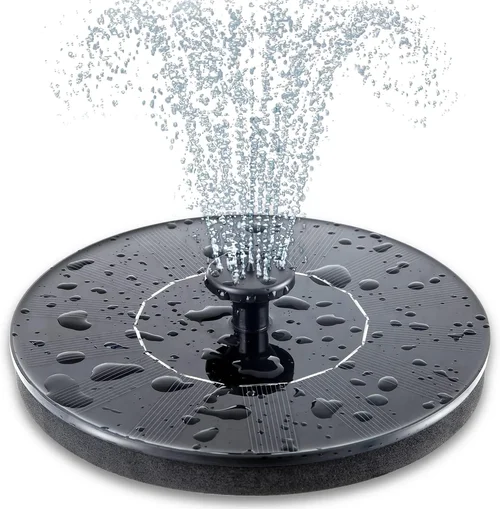
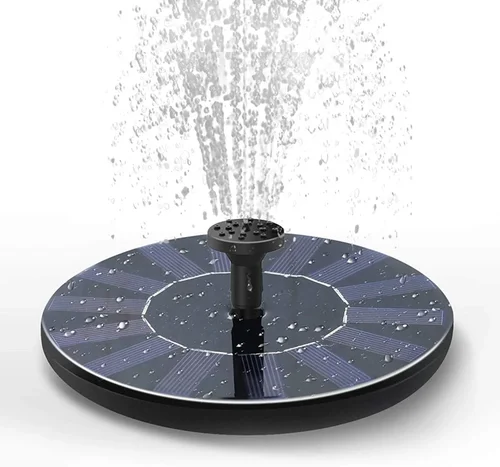
What to expect: This price tier primarily includes basic floating solar pump kits. These are small, self-contained units with a solar panel directly attached to a mini-pump. They operate only in direct sunlight and usually lack battery backup or advanced features. The bird bath basin itself is typically not included. Materials for these pumps are usually basic plastics.
Best for: Buyers who already own a bird bath and want to add a simple water feature without significant investment. Perfect for testing the waters (literally!) of solar power.
- Mid-Range ($50 – $150):
What to expect: This is often the “sweet spot” for most buyers, offering a good balance of features, quality, and affordability. You’ll find integrated solar bird baths (basin included) made from durable resin or sturdy plastic, often with more powerful pumps and larger solar panels. Some models in this range start to include a small battery backup for evening operation or cloudy days, and possibly basic LED lighting. Design options become more varied and aesthetically pleasing.
Best for: First-time buyers looking for a complete, aesthetically pleasing unit that offers a step up in performance and reliability from entry-level options. Great for consistent daytime flow with some limited evening functionality.
- Premium ($150 – $300):
What to expect: In this tier, you’ll find larger, more robust bird baths made from higher-quality materials like reinforced resin, ceramic, or even stone-like composites. They typically feature more powerful pumps, larger, more efficient solar panels (often remote for optimal placement), and substantial battery backups for extended nighttime operation. Integrated LED lighting is common, as are features like low-water shut-off sensors. Design complexity and craftsmanship are significantly better.
Best for: Enthusiasts who want a reliable, aesthetically superior fountain with advanced features and greater durability. Ideal for those who value consistent performance, evening ambiance, and long-term investment.
- Luxury ($300+):
What to expect: This category is for those seeking top-tier features, exquisite designs, and exceptional durability. These fountains are often large, multi-tiered, or custom-designed, made from premium materials like genuine stone, high-grade metals, or exceptionally detailed composites. They boast the most powerful pumps, largest solar panels (often commercial-grade), and advanced battery systems, potentially with smart controls or remote adjustment. They are typically considered significant garden art pieces.
Best for: Garden designers, serious bird enthusiasts, or individuals looking for a statement piece that offers superior performance, maximum aesthetic impact, and long-lasting quality with minimal compromise.
Expert Tips for Getting the Best Deal
Smart shopping goes beyond just finding the lowest price; it’s about maximizing value and ensuring satisfaction. Here are some expert tips to guide your purchase of a solar bird bath fountain:
- Time Your Purchase with Seasonal Sales: The best times to buy outdoor garden items like solar bird baths are often during end-of-season sales (late summer/early fall) or major holiday events (Black Friday, Prime Day, Memorial Day). Retailers are clearing out inventory to make way for new stock, leading to significant discounts. Keep an eye out for these periods.
- Read Beyond the 5-Star Reviews: While high ratings are great, delve into the actual content of reviews. Look for recurring themes regarding pump longevity, battery performance, ease of cleaning, and material durability. Pay attention to 3- and 4-star reviews, as they often offer the most balanced perspectives, highlighting both strengths and weaknesses.
- Compare Retailers, Both Online and In-Store: Don’t limit yourself to just one store or website. Check major online retailers (Amazon, Wayfair, Home Depot, Lowe’s) as well as specialized garden supply stores. Sometimes, brick-and-mortar stores might have display models you can physically inspect, which is invaluable for assessing build quality and size, even if you ultimately buy online.
- Understand the Return Policy Before Buying: Given that solar performance can vary depending on your specific location and sun exposure, a good return policy is essential. Ensure you have ample time to test the fountain in your garden before the return window closes. Understand who pays for return shipping, especially for larger items.
- Factor in Shipping Costs and Assembly: For larger, integrated bird baths, shipping costs can sometimes be substantial if not included. Also, consider the effort involved in assembly. While most are simple, some might require more tools or lifting, so factor this into your decision and potential added costs (e.g., hiring help).
- Check for Replacement Part Availability: Pumps and batteries are often the first components to wear out. Before committing to a specific model, quickly search online to see if replacement pumps, solar panels, or battery packs are readily available for purchase. This ensures the longevity of your investment if a component fails.
- Don’t Overlook Local Garden Centers: While online offers can be tempting, local garden centers often have a curated selection of higher-quality items, knowledgeable staff who can offer personalized advice, and sometimes better local warranties or support. You can also see the products in person, which helps gauge size and finish.
- Consider DIY Upgrades for Basic Models: If you’re handy, an entry-level floating pump can be upgraded. You might be able to add a larger, separate solar panel (with compatible voltage) or even wire in an external battery pack if the existing setup isn’t robust enough. This offers flexibility but requires some technical know-how.

Frequently Asked Questions
Q: How much sun does a solar bird bath fountain need to operate?
A: Most solar bird bath fountains require at least 5-6 hours of direct, unobstructed sunlight per day to operate efficiently. For models with battery backup, more sunlight means a fuller charge, allowing for longer operation during cloudy periods or at night. Partial shade will significantly reduce pump performance and battery charging.
Q: Do solar bird bath fountains run at night?
A: Only models equipped with a battery backup system will operate at night. The solar panel charges the battery during the day, and the stored energy then powers the pump (and any LED lights) after the sun goes down. Basic floating pump kits without batteries will only run when direct sunlight hits the panel.
Q: How do I clean a solar bird bath fountain?
A: Regular cleaning is crucial. Daily, top off the water level. Every few days, empty the basin, scrub it with a stiff brush to remove algae and debris, and rinse thoroughly. Every 1-2 weeks, remove the pump, disassemble it (if possible), clean the impeller, filter, and intake screen with a small brush or cotton swab, and rinse. Avoid harsh chemicals; a diluted vinegar solution or specialized bird bath cleaner is usually sufficient and safe for birds.
Q: Can I add fish to a solar bird bath?
A: It’s generally not recommended to add fish to a typical bird bath. Bird baths are usually too shallow and small to provide a stable environment for fish. The constant influx of birds can stress fish, and the water changes needed for birds are not ideal for aquatic life. If you want fish, consider a dedicated pond with proper filtration and depth.
Q: What if my solar bird bath pump stops working?
A: First, check for adequate sunlight. If it’s sunny, inspect for clogs: remove the pump and clean the intake screen, impeller, and any filters thoroughly. Low water levels can also cause pumps to stop. If these steps don’t work, the pump might be faulty or at the end of its lifespan. Check your warranty or consider purchasing a replacement pump if available.
Q: Are solar bird bath fountains safe for birds?
A: Yes, when properly maintained, solar bird bath fountains are very safe for birds. The moving water attracts birds and helps keep the water oxygenated and less prone to mosquito larvae. Ensure the water is always clean, and the basin has shallow edges or landing spots so birds can drink and bathe comfortably and safely without drowning.
Q: How long do solar bird baths typically last?
A: The lifespan varies greatly depending on build quality, materials, and maintenance. High-quality fountains can last 3-5 years or more. The solar panel itself can last 5-10 years, but the pump and battery typically have shorter lifespans, often requiring replacement every 1-3 years with consistent use. Regular cleaning and proper winterization extend the life of all components.
Q: Do solar bird baths attract mosquitoes?
A: No, quite the opposite! The moving water from the fountain prevents mosquitoes from laying eggs, as they prefer still, stagnant water. This is a significant advantage over static bird baths. A well-maintained solar fountain actively helps deter mosquito breeding in your yard.
Q: Can I use anti-algae treatments in my solar bird bath?
A: Yes, but it’s crucial to use products specifically labeled as safe for birds and wildlife. Many generic algaecides contain chemicals that can be harmful to birds. Natural options, like a small amount of diluted vinegar or specialized bird bath enzymes, are safer alternatives for keeping algae at bay.
Our Final Recommendations
Choosing the perfect solar bird bath fountain is a highly personal journey, but based on our extensive evaluation of key factors and market offerings, we can offer some tailored recommendations:
- Best for Budget-Conscious Buyers: Floating Solar Pump Kits
If you already have a bird bath or a suitable water basin, a simple floating solar pump kit is your most economical entry point. These provide immediate water movement and attract birds without a significant investment. Just ensure your basin is large enough to contain the spray and that you place it in full sun.
- Best Overall Value: Mid-Range Integrated Solar Bird Baths with Small Battery Backup
For most homeowners, an integrated solar bird bath in the $70-$150 range strikes the ideal balance. These offer decent build quality, an aesthetically pleasing all-in-one design, and often include a small battery for some evening operation. They provide reliable performance and enhance your garden without breaking the bank.
- Best Premium Option: Remote Solar Panel Systems with Robust Battery and LED Lighting
For those seeking superior performance, consistency, and nighttime ambiance, invest in a premium model featuring a powerful remote solar panel, a high-capacity battery, and integrated LED lights. These systems offer uninterrupted water flow, even on cloudy days and into the evening, and allow for optimal solar panel placement regardless of where you want the bird bath itself. Expect excellent durability and advanced features.
- Best for Beginners: User-Friendly Integrated Units
Look for integrated units that emphasize “easy assembly” and “simple maintenance.” These typically have straightforward designs, easy-to-access pumps for cleaning, and clear instructions. Often, mid-range integrated models fit this description perfectly, providing a complete solution with minimal fuss.
- Best for Attracting Diverse Bird Species: Multi-Tiered Fountains or Basins with Varied Depths
Birds of different sizes prefer different water depths. A multi-tiered fountain or a basin with gradually sloping sides offers various depths, allowing smaller birds to safely perch on shallow edges while larger birds can enjoy deeper sections. This variety makes your bird bath more appealing to a wider array of feathered visitors, enhancing your wildlife viewing experience.
Conclusion: Making the Right Choice
Embarking on the journey to select a solar powered bird bath water fountain is an exciting step towards enriching your outdoor living space and supporting local wildlife. We’ve explored the critical factors, diverse types, common pitfalls, and expert insights to arm you with the knowledge needed to make a confident decision. Remember that the “best” fountain isn’t a universal product; it’s the one that perfectly aligns with your specific needs, your garden’s characteristics, and your personal preferences.
Prioritize consistent performance by understanding pump specifications and solar panel efficiency. Invest in durability by scrutinizing materials and construction. Decide which features, such as battery backup for nighttime operation or LED lighting for ambiance, are essential to your enjoyment. And critically, commit to the simple, yet vital, maintenance routines that will keep your fountain running smoothly and the water healthy for your avian visitors. With these considerations in mind, you’re well on your way to creating a captivating and sustainable oasis.
As you move forward, armed with this comprehensive guide, we encourage you to visualize your ideal bird sanctuary. Imagine the gentle bubbling of water, the cheerful chirping of birds, and the warm glow of solar-powered light transforming your garden. By prioritizing quality, understanding your requirements, and embracing the simple joys of nature, you’ll undoubtedly choose a solar bird bath fountain that brings years of beauty, serenity, and vibrant life to your backyard.