Welcome, fellow garden enthusiasts and nature lovers! If you’ve been dreaming of attracting more feathered friends to your outdoor space while adding a touch of serene elegance, a solar-powered bird bath water feature might be precisely what you need. These innovative garden additions offer a harmonious blend of aesthetic appeal, environmental consciousness, and functional delight, providing fresh, circulating water that birds adore and that helps deter mosquitoes. But with a blossoming market full of options, choosing the right one can feel a bit overwhelming, much like trying to pick the perfect bloom from a vibrant garden catalog.
This comprehensive guide is designed to cut through the confusion and equip you with the expert knowledge needed to make an informed decision. We’ll delve deep into the essential considerations, unravel the nuances of different types, expose common pitfalls, and share insider tips to ensure your investment brings joy for years to come. Whether you’re a seasoned gardener or just beginning to cultivate your green thumb, you’ll learn how to identify high-quality materials, understand performance specifications, and match a water feature to your unique outdoor aesthetic and budget.
The market for solar bird bath water features has expanded dramatically, now offering everything from simple, freestanding units to elaborate multi-tiered designs with integrated LED lighting and battery backup systems. This diversity means there’s a perfect option out there for every garden size, style, and personal preference. By the end of this article, you’ll be well-prepared to select a solar bird bath that not only enhances your garden’s beauty but also creates a lively, welcoming oasis for local wildlife, all while harnessing the power of the sun.

What to Look for When Buying Buying Guide
Choosing the ideal solar bird bath water feature isn’t just about picking the prettiest one; it involves a thoughtful evaluation of several critical factors that impact performance, longevity, and overall satisfaction. Let’s break down the key elements you should scrutinize before making your purchase.
1. Build Quality & Durability
Imagine investing in a beautiful piece for your garden only to have it crack or fade within a season. The materials and construction quality of your solar bird bath are paramount for its longevity, especially since it will be exposed to the elements year-round. Look for sturdy, weather-resistant materials like durable resin, robust ceramic, reinforced concrete, or rust-proof metals. Resin, often molded to mimic stone or concrete, is popular for its lightweight nature and resistance to UV rays, but ensure it’s high-grade and not prone to brittleness. Ceramic options offer a classic, elegant look but can be more fragile and susceptible to frost damage in colder climates. Concrete bird baths are exceptionally heavy and durable but can be prone to cracking if not properly sealed or maintained in freezing conditions. Always check the thickness of the material and the integrity of any joins or seams. A well-built unit will feel solid and substantial, designed to withstand sun, rain, and fluctuating temperatures without degrading quickly.
2. Performance Specifications
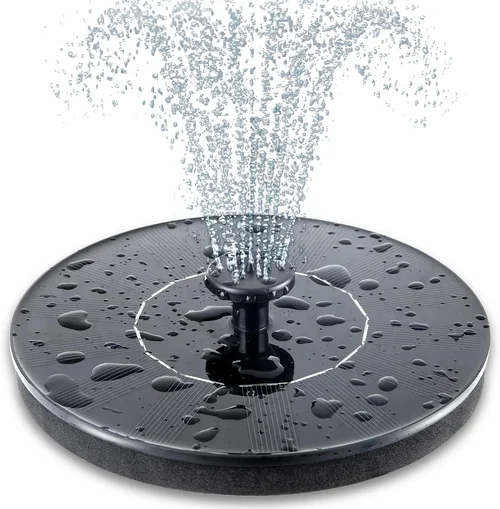
The heart of any solar bird bath is its pump and solar panel system. Understanding their specifications is crucial for ensuring the water feature meets your expectations. The pump’s strength, often measured in liters per hour (LPH) or gallons per hour (GPH), dictates the height and vigor of the water spray. A stronger pump creates more impressive fountains, but also requires more power. The solar panel’s wattage determines how much sunlight it can convert into energy; a higher wattage means better performance, especially on partly cloudy days. Consider whether the unit has an integrated solar panel or a separate, remote panel. Remote panels offer greater flexibility for placement, allowing you to position the panel in full sun even if the bird bath is in a partially shaded spot. Also, pay attention to the inclusion and capacity of a battery backup. A good battery allows the pump to operate during cloudy periods or after sunset, providing continuous water circulation without relying solely on immediate sunlight.
3. Features & Functionality
Modern solar bird baths come with a surprising array of features that can enhance both their utility and aesthetic appeal. Many units include a variety of interchangeable fountain heads, allowing you to customize the water spray pattern – from gentle bubbling to a multi-tiered spray. Some models boast integrated LED lights, which illuminate the water feature at night, transforming your garden into a magical evening spectacle. Look for features like low-water shut-off protection, which prevents the pump from running dry and burning out, significantly extending its lifespan. Filters are also important for keeping the water clean and preventing debris from clogging the pump. Some advanced systems even offer remote controls for adjusting spray patterns or activating lights, adding a layer of convenience. Carefully consider which features align with your desires for both visual appeal and practical use.
4. Size, Design & Aesthetics
Your solar bird bath should complement your garden’s existing style and fit comfortably within your chosen space. Bird baths come in a myriad of designs, from rustic and naturalistic to sleek and contemporary. Consider the overall dimensions – height, basin diameter, and footprint – to ensure it doesn’t overwhelm or get lost in its surroundings. A larger basin holds more water, requiring less frequent refilling, which is a practical consideration. Think about the color and texture as well; a stone-effect resin might blend seamlessly into a natural garden, while a glossy ceramic might stand out beautifully in a modern setting. Remember that the design also influences how easily birds can access the water; a shallow basin with varied depths is generally preferred by a wider range of birds.
5. Brand Reputation & Customer Support
When investing in a solar-powered garden feature, the reputation of the manufacturer can speak volumes about product quality and reliability. Established brands often have a track record of producing durable goods and offering superior customer service. Research online reviews and look for brands that consistently receive positive feedback regarding product performance, longevity, and responsiveness to customer inquiries. A company that stands behind its products with readily available customer support and accessible replacement parts (like pumps or solar panels) provides significant peace of mind. While a no-name brand might offer a lower price, the potential for headaches down the line due to poor quality or absent support often outweighs the initial savings.
6. Warranty & Return Policies
Even the most reputable brands can have an occasional manufacturing defect, and solar components, by their nature, can sometimes be unpredictable. A robust warranty offers protection against premature failure of the pump, solar panel, or structural components. Typically, look for a warranty of at least one year on the pump and solar panel, with some manufacturers offering longer terms. Understand what the warranty covers (e.g., manufacturing defects, but not normal wear and tear or user damage) and the process for making a claim. Additionally, familiarize yourself with the retailer’s return policy. A generous return window allows you to assess the bird bath’s performance in your specific outdoor conditions and ensures you’re completely satisfied with your purchase. Don’t be shy about asking questions regarding warranty specifics before you buy.
7. Budget & Price Range
Solar bird bath water features span a wide price spectrum, from budget-friendly drop-in solar pumps to elaborate, high-end complete units. Before you begin shopping, establish a realistic budget. While it’s tempting to opt for the cheapest option, remember that quality often correlates with price. A very inexpensive unit might save you money upfront but could lead to higher costs in the long run due to frequent repairs or early replacement. Conversely, the most expensive model isn’t always necessary if your needs are relatively simple. Aim to find the best balance between cost, features, and the build quality that aligns with your expectations for durability and performance. Consider the long-term value, factoring in potential energy savings compared to electric pumps and the joy it will bring to your garden.
8. User Reviews & Ratings
In today’s digital age, real-world user experiences are an invaluable resource. Before making a final decision, dedicate time to reading reviews and ratings from other buyers. Look beyond the overall star rating and delve into specific comments regarding ease of assembly, pump performance, solar panel efficiency, battery life, material durability, and customer service. Pay particular attention to reviews that mention issues after a few months of use, as these often highlight long-term reliability concerns. Conversely, highly positive reviews that detail consistent performance in various conditions can boost your confidence. If a consistent issue is mentioned across multiple reviews (e.g., pump clogging easily, poor battery life), it’s a strong indicator to proceed with caution or look for an alternative.
Different Types of Buying Guide
The world of solar bird bath water features isn’t one-size-fits-all. Different designs cater to various needs, budgets, and garden aesthetics. Understanding these distinctions will help you pinpoint the perfect fit for your outdoor sanctuary.

Common Buying Mistakes to Avoid
Even with careful research, it’s easy to overlook crucial details when purchasing a solar bird bath. Steering clear of these common pitfalls can save you time, money, and frustration.
❌ Mistake: Underestimating Solar Panel Needs
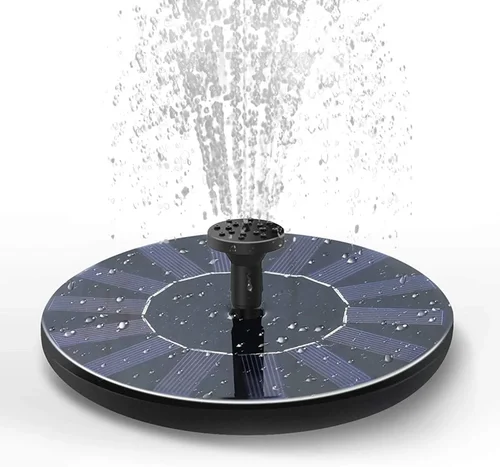
Why it’s bad: Many buyers assume any solar panel will work effectively, leading to disappointing performance. A small, low-wattage panel or one integrated directly into a bird bath placed in partial shade will struggle to power the pump, resulting in weak, intermittent, or non-existent water flow. This can be frustrating and defeats the purpose of having a water feature.
What to do instead: Always consider your garden’s sun exposure. If your desired bird bath location isn’t bathed in full, direct sunlight for at least 6-8 hours daily, opt for a model with a remote solar panel. This allows you to position the panel optimally in a sunny spot while the bird bath remains in its aesthetic location. For integrated units, ensure their placement truly gets maximum sun exposure.
❌ Mistake: Ignoring Maintenance Requirements
Why it’s bad: Solar bird baths, especially the pump components, require regular cleaning. Neglecting this leads to algae buildup, debris clogging the pump and filters, and ultimately, reduced performance or complete pump failure. Many users are surprised by the frequency of cleaning needed, which can lead to disappointment.
What to do instead: Be prepared for routine maintenance. Plan to clean the basin, pump, and filter regularly – often weekly or bi-weekly, depending on usage and environmental factors. Look for models designed for easy access to the pump and filter, simplifying the cleaning process. Consider adding an enzymatic cleaner to the water to help prevent algae buildup.
❌ Mistake: Prioritizing Aesthetics Over Functionality
Why it’s bad: It’s tempting to choose a bird bath solely based on its visual appeal. However, a beautiful but poorly designed unit might not attract birds effectively, might be difficult to clean, or could have a pump that’s too weak for the basin size, leading to a lackluster water display.
What to do instead: While aesthetics are important, balance them with practical considerations. Look for a basin with varying depths (shallow edges for small birds, deeper center for larger birds). Ensure the pump is adequately powerful for the chosen design. Read reviews focusing on functionality, ease of use, and bird attraction, not just looks.
❌ Mistake: Not Checking for Dry-Run Protection
Why it’s bad: Water levels in bird baths can drop quickly due to evaporation or thirsty birds. If a pump runs without sufficient water, it can overheat and burn out, leading to costly replacement and downtime for your water feature. This is a common cause of pump failure for new owners.
What to do instead: Always look for solar bird baths that explicitly state they have “low-water shut-off” or “dry-run protection” features. This safety mechanism automatically turns off the pump when the water level gets too low, protecting it from damage. Even with this feature, commit to checking and refilling your bird bath daily, especially in warm weather.
❌ Mistake: Overlooking Winterization Needs
Why it’s bad: For those in colder climates, leaving a bird bath out during freezing temperatures can cause significant damage. Water expands when it freezes, cracking ceramic, concrete, or even resin basins. Solar panels and pumps can also be damaged by prolonged exposure to ice and snow.
What to do instead: Plan for winter storage. If you live in an area with freezing temperatures, be prepared to drain, clean, and store your solar bird bath indoors (or at least the pump and solar panel) before the first hard frost. Some durable models might withstand mild freezes, but always check the manufacturer’s recommendations for winter care.
Budget Guidelines: How Much Should You Spend?
The cost of a solar bird bath water feature can vary significantly, reflecting differences in materials, size, features, and brand prestige. Understanding these price tiers will help you set a realistic budget and manage your expectations.
- Entry-Level ($20 – $70): This tier primarily includes simple drop-in solar fountain pumps designed to be placed in an existing bird bath or container. You might also find very basic, small, all-in-one plastic or thin resin bird baths here. What to expect: These typically offer basic functionality with a small solar panel (often integrated) and a modest pump, providing a gentle bubbler or low spray. They usually lack battery backup or advanced features. Durability might be a concern with the cheapest options, often lasting only a season or two if not carefully maintained.
- Mid-Range ($70 – $150): This is the sweet spot for most buyers, offering a good balance of features, durability, and affordability. What to expect: In this range, you’ll find more robust freestanding bird baths made from higher-quality resin or ceramic, often with more intricate designs. Many models will include multiple fountain heads, a more powerful pump, and sometimes a small battery backup for brief periods of cloudiness. Remote solar panels become more common, offering better placement flexibility. You can expect better weather resistance and a longer lifespan from products in this category.
- Premium ($150 – $300): For enthusiasts and those seeking enhanced performance and aesthetics, the premium tier delivers. What to expect: Here, you’ll discover larger, more elaborate designs, often made from high-grade resin, thick ceramic, or even reinforced concrete. These units frequently feature larger, more efficient solar panels, powerful pumps for impressive spray heights, and integrated battery systems for extended operation into the evening or on cloudy days. LED lighting is common, and some may offer dry-run protection and robust filtration systems. Build quality and durability are significantly better, representing a solid long-term investment.
- Luxury ($300+): At the top end, you’ll find truly statement-making solar water features. What to expect: These are not just bird baths but often grand garden centerpieces. Expect superior craftsmanship, premium materials like genuine stone or expertly finished metals, and advanced technology. Features often include multi-tiered designs, powerful pumps capable of substantial water movement, large-capacity battery backups for all-night operation, sophisticated LED lighting, remote control functionality, and intelligent sensor systems. These are designed for those who prioritize grandeur, unparalleled durability, and cutting-edge features.
Expert Tips for Getting the Best Deal
Navigating the market for solar bird bath water features can be made easier and more cost-effective with a few insider strategies. Here’s some pro advice to help you secure the best value for your money.
- Time Your Purchase with Seasonal Sales: The best times to buy garden features are often at the end of peak gardening seasons or during major holiday sales events. Look for discounts around late summer/early fall when retailers clear out inventory to make way for winter products, or during Black Friday, Cyber Monday, and post-holiday sales. Spring “pre-season” sales can also offer good deals.
- Shop Around – Both Online and In-Store: Don’t limit yourself to a single retailer. Compare prices and models from various online vendors (e.g., Amazon, specialty garden sites) and local garden centers or hardware stores. Sometimes, local stores offer competitive pricing, especially for larger items where shipping costs can be prohibitive online, plus you can see the product in person.
- Sign Up for Email Lists and Alerts: Many online retailers offer exclusive discounts or early access to sales for their email subscribers. Sign up for newsletters from your favorite garden supply stores or solar product specialists. Price tracking websites can also alert you when a desired model drops in price.
- Don’t Be Afraid to Ask for a Price Match: If you find a better price for the exact same model at a different reputable retailer, ask if the store you prefer to buy from will price match. Many major retailers have price matching policies, especially for identical items.
- Inspect Return Policies Carefully: Before purchasing, especially online, thoroughly read the return policy. Ensure there’s a reasonable return window (e.g., 30-60 days) and understand who pays for return shipping, especially for larger or heavier items. A good return policy acts as a safety net if the product doesn’t meet your expectations upon arrival.
- Consider Refurbished or Open-Box Deals: Some retailers offer refurbished or open-box items at a significant discount. These are often returns that have been inspected and certified to be in working condition. Just ensure they come with a clear warranty and return policy, as these can be excellent value opportunities.
- Check for Bundle Deals: Sometimes, retailers offer bundles where you get the bird bath, perhaps a cleaning kit, or extra fountain heads at a reduced combined price compared to buying them separately. This can be a smart way to acquire necessary accessories without paying full price.
- Test Components (If Possible): While not always feasible for online purchases, if buying in-store, ask if you can visually inspect the components. Check for any obvious damage to the solar panel, pump, or basin. Even if you can’t test it with water, a quick visual check can prevent taking home a damaged unit.

Frequently Asked Questions
Q: How does a solar bird bath water feature work?
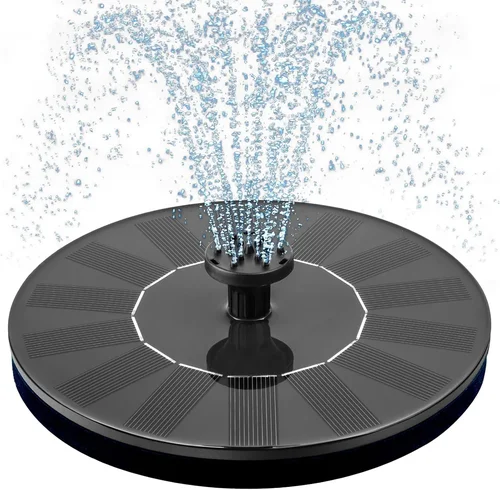
A: Solar bird baths utilize a small solar panel to convert sunlight into electricity. This electricity powers a submersible pump, which then circulates water from the basin and creates a fountain effect. Most systems are “direct drive,” meaning the pump only operates when the sun is shining directly on the panel. Models with a battery backup store excess energy for operation during cloudy periods or after sunset.
Q: Do solar bird baths work on cloudy days or at night?
A: Basic direct-drive solar bird baths will only work when there’s sufficient direct sunlight. On cloudy days, their performance will be significantly reduced or non-existent. However, models equipped with a battery backup system can store energy gathered during sunny hours and use it to power the pump for several hours during cloudy periods or after dark, offering more consistent operation.
Q: How often do I need to clean my solar bird bath?
A: Regular cleaning is essential for hygiene and optimal performance. Generally, you should clean the basin and refresh the water every few days to once a week, depending on how quickly debris accumulates and how much sunlight it receives (which can affect algae growth). The pump and filter should be cleaned thoroughly every 2-4 weeks to prevent clogs and ensure efficient operation.
Q: Can I add fish to a solar bird bath?
A: Most solar bird baths are not suitable for fish. The basins are typically too shallow, and the water volume is often insufficient to maintain stable water temperatures and oxygen levels necessary for fish survival. Furthermore, the circulating water might not provide enough oxygenation, and the small pump could be dangerous for tiny fish. These features are designed primarily for birds and aesthetic appeal.
Q: What happens if the water level gets too low?
A: If the water level drops below the pump, the pump will start to run dry. Many modern solar bird baths include a “low-water shut-off” or “dry-run protection” feature that automatically turns off the pump to prevent damage. If your unit doesn’t have this, the pump can overheat and burn out quickly. It’s crucial to check and refill the water daily to prevent this, especially in warm, sunny weather.
Q: Are solar bird baths noisy?
A: Most solar bird bath pumps are designed to be relatively quiet, producing only a gentle hum or the sound of the circulating water itself. The primary sound you’ll hear is typically the splashing or trickling of the fountain, which many find soothing. If you hear a loud grinding or rattling, it could indicate a clogged pump or a need for maintenance.
Q: How long do solar pumps typically last?
A: With proper maintenance and care, a good quality solar pump can last anywhere from 1 to 3 years, or even longer. Factors like consistent cleaning, preventing dry-running, and proper winterization significantly extend the pump’s lifespan. Fortunately, most solar pumps are replaceable, allowing you to easily swap out a worn-out pump without needing to replace the entire bird bath.
Q: Can I use tap water in my solar bird bath?
A: Yes, tap water is generally fine for solar bird baths. However, if your tap water has a very high mineral content, it might lead to limescale buildup over time, especially on the fountain heads and pump. Distilled or filtered water can reduce this, but for most, tap water is sufficient. Avoid using chemicals or harsh cleaners in the water as they can harm birds.
Q: How do I prevent algae from growing in my bird bath?
A: Regular cleaning is the most effective way to prevent algae. Additionally, placing the bird bath in an area that gets morning sun but some afternoon shade can help reduce excessive heat, which promotes algae growth. You can also use non-toxic, bird-safe enzymatic cleaners or a small amount of apple cider vinegar, but always research and ensure any additive is safe for wildlife.
Our Final Recommendations
After thoroughly exploring the world of solar bird bath water features, we’ve distilled our insights into some targeted recommendations to help you find your perfect match.
- Best for Budget-Conscious Buyers: For those looking to add a splash of life without breaking the bank, a high-quality drop-in solar fountain pump is your best bet. Look for models with multiple fountain heads and at least a 1-year warranty on the pump. These allow you to revitalize an existing basin or a simple pot.
- Best Overall Value: The sweet spot for most users lies in a well-regarded mid-range freestanding integrated unit with a remote solar panel option. This combination offers a balanced aesthetic, decent pump power, and the flexibility to optimize sun exposure. Prioritize models known for durable resin construction and easy pump access for cleaning.
- Best Premium Option: If you seek a robust, elegant statement piece with consistent performance, invest in a larger, tiered solar bird bath with a substantial battery backup and a powerful remote solar panel. Look for models made from high-grade resin or reinforced concrete, featuring LED lighting and dry-run protection. These units offer both beauty and reliability.
- Best for Beginners: Start with a simple, easy-to-assemble freestanding integrated unit. Choose one with a straightforward design that doesn’t require complex installation. Opt for a model with a decent-sized basin to reduce frequent refilling and ensure the pump is easily accessible for cleaning, as this is crucial for a positive first experience.
- Best for Shaded Gardens: If your ideal bird bath location is in partial shade, a model with a dedicated, remote solar panel connected by a long cable is non-negotiable. This allows you to place the panel in full sun elsewhere in your garden, ensuring maximum power delivery to the pump, even if the bird bath itself is under a tree.
Conclusion: Making the Right Choice
Bringing a solar-powered bird bath water feature into your garden is more than just adding a decoration; it’s about creating a vibrant, living space that benefits both wildlife and your own well-being. The gentle sound of trickling water, the mesmerized dance of birds, and the eco-friendly operation of a solar unit all contribute to a truly enriching outdoor experience.
By now, you should feel confident navigating the various options available, armed with a clear understanding of what to prioritize. Remember to consider the practicalities of build quality, pump performance, and maintenance requirements, alongside the aesthetic appeal that best suits your garden’s character. Don’t let common mistakes deter you; instead, let this guide empower you to make an informed and satisfying purchase.
Your garden awaits its new focal point. Take the knowledge you’ve gained, assess your specific needs and environment, and choose a solar bird bath that will bring you and your feathered visitors joy for years to come. Happy gardening, and enjoy the beautiful symphony of nature right in your backyard!