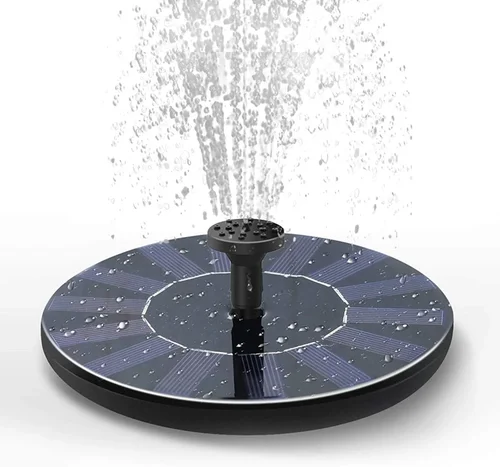
Navigating the seemingly simple world of solar bird bath fountain pumps can actually be quite a nuanced journey. What initially appears to be a straightforward purchase often reveals a surprisingly diverse market filled with varying qualities, features, and performance capabilities. This comprehensive guide is designed to cut through the noise, providing you with an expert-level understanding of what truly matters when investing in a solar fountain water pump for your bird bath. We've distilled years of industry insight and user experience into practical advice, ensuring you make an informed decision that brings lasting joy to your garden and its feathered visitors.
Our goal is to empower you with the knowledge to select the perfect solar bird bath fountain pump that aligns with your specific needs, budget, and aesthetic preferences. From understanding crucial technical specifications to identifying durable materials and recognizing reputable brands, every aspect of the buying process will be demystified. By the time you finish reading, you will be equipped to confidently choose a pump that not only enhances your outdoor space but also provides a consistent, delightful water feature for local wildlife. Get ready to transform your bird bath into a vibrant, self-sustaining oasis with the right solar power.
The market for solar fountain water pumps has expanded significantly, offering everything from basic, budget-friendly models to advanced units with battery backup and intricate spray patterns. This guide will walk you through the essential considerations, helping you differentiate between fleeting trends and genuinely valuable features. We'll explore the pros and cons of various pump types, highlight common pitfalls to avoid, and share expert tips to ensure your purchase is both satisfactory and sustainable. Let's dive into the details and make your bird bath experience truly exceptional.

What to Look for When Buying Buying Guide
1. Performance Specifications: Flow Rate, Head Height, and Solar Panel Wattage
When you're looking at a solar fountain water pump for a bird bath, the 'specs' might seem intimidating, but they're incredibly important for a satisfying experience. The flow rate, usually measured in gallons per hour (GPH) or liters per hour (LPH), tells you how much water the pump can move. For a bird bath, you typically don't need an extremely high flow rate; something in the 50-150 GPH range is often sufficient to create a pleasant bubbling or gentle spray. Too little, and the effect will be underwhelming; too much, and your bird bath might empty too quickly.
Next, consider the head height, which indicates the maximum vertical distance the pump can push water. This is crucial if you want a tall spray or if your bird bath design requires water to be lifted significantly. A pump with a 1-foot head height will struggle to produce a 6-inch spray if the nozzle is already a few inches above the water level. Always choose a pump with a head height comfortably exceeding your desired spray height. Finally, the solar panel wattage (measured in watts, W) directly correlates to the pump's power. A higher wattage panel (e.g., 3W-5W) will generally provide more consistent power, especially on partly cloudy days, compared to a lower wattage one (e.g., 1W-2W), ensuring a more reliable and vigorous fountain. You want enough wattage to power the pump effectively even when sunlight isn't at its absolute peak.
2. Build Quality & Durability: Materials and Construction
A solar fountain water pump for a bird bath lives outdoors, exposed to the elements year-round. This means its build quality is paramount to its longevity. Look for pumps made from durable, UV-resistant plastics that won't become brittle and crack under prolonged sun exposure. The solar panel itself should be encased in a robust, weather-resistant frame, often with tempered glass, to protect it from hail, strong winds, and accidental impacts.
Examine the pump's motor casing and impellers; these should be made from non-corrosive materials, especially if you live in an area with hard water or plan to use water treatments. Brushless motors, while sometimes pricier, are generally more durable and require less maintenance than brushed motors, offering a longer operational lifespan. Well-sealed connections between the solar panel and the pump are also vital to prevent water intrusion and electrical shorts. A pump with a poorly sealed wiring connection is an accident waiting to happen, potentially leading to premature failure. Opting for a model with ceramic shafts or impellers can significantly extend the pump's life by resisting wear from sediment and minerals in the water.
3. Features & Functionality: Battery Backup, Nozzles, and Filtration
Beyond basic operation, modern solar fountain water pumps offer a range of features that can significantly enhance your experience. A key consideration is battery backup. Pumps with integrated batteries can store excess solar energy collected during sunny periods and continue operating for several hours after sunset or during cloudy spells. This ensures a more consistent water flow, providing visual appeal and a water source for birds throughout the day, not just when the sun is directly overhead.
The variety of nozzles included is another important feature. Most pumps come with several interchangeable spray heads, allowing you to choose between bubbling, showering, or jet patterns. Some even offer adjustable spray heights. Consider what kind of water effect you prefer and ensure the pump includes the appropriate nozzles. Finally, effective filtration is crucial for pump longevity. Look for pumps with integrated filters or sponges that prevent debris like leaves, pollen, and bird droppings from entering the pump's motor and clogging it. Easy access for cleaning these filters is also a significant convenience, as regular maintenance will be necessary to keep your pump running smoothly.
4. Ease of Installation and Maintenance
You want a solar fountain water pump for your bird bath that is as hassle-free as possible. Most modern solar pumps are designed for straightforward "plug and play" installation, requiring no wiring expertise or external power sources. Ideally, the pump will simply float on the water or have suction cups to secure it to the bottom of the bird bath, with the solar panel either integrated or connected via a simple cable. Systems with a separate solar panel offer more flexibility for placement, allowing you to position the panel in direct sunlight while the pump remains in the bird bath.
Maintenance is equally important. While solar pumps are generally low-maintenance, they do require occasional cleaning. Check if the pump's filter and impeller cover are easy to remove and clean. Can you access the impeller to remove blockages? Does the manual provide clear instructions for routine care? Pumps with readily accessible components for cleaning will save you time and frustration in the long run, ensuring consistent performance and preventing premature wear. Regular cleaning of the solar panel itself is also important to maximize light absorption.
5. Budget & Price Range
Like any purchase, your budget will play a significant role in determining the right solar fountain water pump for your bird bath. Prices can vary widely, from under $20 for basic, no-frills models to over $100 for premium units with advanced features like battery backup, LED lights, and robust construction. It's important to balance cost with expected performance and durability. A very cheap pump might seem appealing but could underperform, fail quickly, or require frequent replacements, ultimately costing you more in the long run.
Conversely, you might not need the most expensive model if your requirements are simple. Consider what features are absolute must-haves for you. Do you need it to run at night? Do you want specific spray patterns? Are you looking for something that will last for many seasons? Setting a realistic budget based on your priorities will help narrow down the options. Remember that the initial cost isn't the only factor; consider the potential for replacement costs if you opt for a very low-quality unit. Investing a little more upfront often yields a much better return in terms of reliability and satisfaction.
6. Brand Reputation and User Reviews
In a crowded market, brand reputation serves as a valuable indicator of quality and reliability. Established brands that specialize in solar garden products often have a track record of producing durable and effective solar fountain water pumps for bird baths. They typically invest more in research and development, use higher-quality components, and provide better customer support. While an unknown brand might offer a tempting price, it often comes with a higher risk of disappointment.
Beyond brand names, delve into user reviews and ratings on reputable retail sites. These provide real-world insights into a pump's performance, durability, and any common issues. Pay attention to reviews that discuss consistent operation, ease of cleaning, and how the pump performs under varying weather conditions. Look for patterns in feedback: if multiple users report the same issue, it's likely a systemic problem. Conversely, overwhelmingly positive reviews across many buyers suggest a reliable product. Filtering reviews by "most recent" can also give you a better sense of the current product quality, as manufacturers sometimes make design changes.
7. Warranty & Customer Support
Even the best products can occasionally have issues, which is why a solid warranty and responsive customer support are critical. Before purchasing a solar fountain water pump, always check the manufacturer's warranty period. A typical warranty for these devices might range from 6 months to 2 years. A longer warranty period often indicates the manufacturer's confidence in their product's durability.
Beyond the length, understand what the warranty covers (e.g., manufacturing defects, pump failure) and what it excludes (e.g., normal wear and tear, damage from improper use). Also, consider the accessibility and quality of customer support. Does the company have a clear contact method (phone, email, live chat)? Are their support staff knowledgeable and helpful? Reading user reviews about customer service can give you an idea of how easily issues are resolved. Knowing you have recourse if something goes wrong provides significant peace of mind and can save you from having to purchase a new pump prematurely.
8. Environmental Considerations & Sustainability
Opting for a solar fountain water pump for your bird bath is already a step towards environmental friendliness, but there are further considerations for sustainability. Look for pumps designed for energy efficiency, which means they can run effectively with less solar input, extending their operation on partly cloudy days or with smaller solar panels. While all solar pumps reduce your carbon footprint by avoiding grid electricity, some are manufactured with more sustainable practices or materials.
Consider the lifespan of the product – a more durable pump means less waste going to landfills. If available, check for certifications or indications of responsible manufacturing. Also, think about the pump's impact on your local ecosystem. By providing a clean, circulating water source, you are actively supporting local bird populations and beneficial insects, which contributes positively to your garden's biodiversity. A well-chosen solar pump not only saves you money on electricity but also enhances the ecological value of your outdoor space in a sustainable way.
Different Types of Buying Guide
Solar fountain water pumps for bird baths come in a few distinct configurations, each offering unique benefits and suitability for different setups. Understanding these types will help you choose the best fit for your bird bath and garden aesthetic. From fully integrated units to those with detached solar panels, the choice impacts performance, flexibility, and overall appearance.

Each type of solar fountain water pump has its own strengths. The integrated floating pumps are fantastic for beginners and those with simple, traditional bird baths. They are often the most affordable and easiest to get started with. Submersible pumps with separate panels offer superior flexibility, allowing you to hide the pump and position the panel for maximum sun exposure, even if the bird bath itself is in partial shade. Battery backup systems are the premium choice for users who prioritize continuous operation, especially during cloudy periods or after dusk, often coming with more advanced features and greater power. Finally, decorative integrated pumps are for those who want their pump to be part of the aesthetic, sometimes featuring unique designs or built-in LED lighting for nighttime ambiance.
Common Buying Mistakes to Avoid
❌ Mistake: Prioritizing Price Over Quality
Why it's bad: It's tempting to grab the cheapest solar fountain water pump for a bird bath you can find, but often, these budget models use inferior components. They might have weak solar panels, brittle plastics, or unreliable motors that quickly fail, especially when exposed to the elements. You might end up replacing it multiple times within a year, negating any initial savings.
What to do instead: View your purchase as an investment. Look for pumps with a slightly higher price point that boast better materials, stronger solar panels, and positive reviews regarding durability. A pump that lasts several seasons will be far more cost-effective and less frustrating in the long run.
❌ Mistake: Ignoring Solar Panel Wattage and Size
Why it's bad: A pump is only as good as the power it receives. If you choose a pump with a tiny, low-wattage solar panel (e.g., 1W), it will likely only operate reliably on perfectly clear, sunny days. On cloudy days, or even with slight shadows, its performance will significantly drop or stop altogether, leading to disappointment.
What to do instead: Pay close attention to the solar panel's wattage. For consistent performance, especially if you want a decent spray height, aim for at least 2W-3W, and ideally 3.5W-5W or higher for battery-backed systems. A larger panel generally means more power and more reliable operation.
❌ Mistake: Underestimating Head Height Needs
Why it's bad: Many buyers focus on "flow rate" but overlook "head height." If your desired fountain spray is 6 inches high, but your pump only has a maximum head height of 4 inches, you won't achieve that effect. The pump will struggle, potentially shortening its lifespan, and the resulting dribble will be underwhelming.
What to do instead: Determine your desired maximum spray height. Then, look for a pump whose specified head height is at least 1.5 to 2 times that amount. This gives you a buffer for efficient operation and accounts for any friction or resistance in the nozzle.
❌ Mistake: Neglecting Battery Backup for Consistent Flow
Why it's bad: If you buy a solar fountain water pump without a battery, it will only run when the sun is directly hitting its panel. This means no fountain on cloudy days, in the late afternoon, or early morning. This intermittent operation can be frustrating and means the bird bath isn't consistently offering moving water.
What to do instead: If consistent operation is important to you, opt for a pump with a built-in battery backup. These pumps store energy, allowing them to run for several hours after dark or during periods of low sunlight, providing a much more reliable and enjoyable water feature.
❌ Mistake: Skipping Maintenance Information
Why it's bad: All pumps, especially those in outdoor environments, require some level of maintenance. Neglecting to check if a pump is easy to clean or access its filter will lead to frustration down the line when it clogs, reduces flow, or stops working. Dirty filters are the number one cause of pump failure.
What to do instead: Before buying, look for indications that the pump's filter and impeller are easily accessible for cleaning. Read reviews for comments on maintenance ease. A pump that's easy to clean will be maintained more regularly, leading to a longer, more efficient life.
❌ Mistake: Not Considering Bird Bath Depth and Size
Why it's bad: Some solar fountain water pumps, particularly the integrated floating types, require a minimum water depth to float and function properly. If your bird bath is too shallow, the pump might sit on the bottom and suck up sediment, or the water level could drop too quickly, causing it to run dry and burn out.
What to do instead: Measure your bird bath's depth and diameter. Choose a pump that fits comfortably within these dimensions and operates effectively within your bath's typical water level. Submersible pumps are more flexible for deeper baths, while floating ones need adequate floating space.
Budget Guidelines: How Much Should You Spend?
Understanding what to expect at different price points for a solar fountain water pump can help you allocate your budget effectively. It's not always about spending the most, but about spending wisely for your specific needs.
- Entry-Level ($15 – $30): In this range, you'll find basic, integrated floating solar pumps. They typically have smaller solar panels (1W-2W) and no battery backup, meaning they only run in direct, full sunlight. Expect a simple bubbling or low spray effect. These are best for small, shallow bird baths where you just want a little movement during peak sun hours and are okay with intermittent operation. Durability can be a hit or miss, but they are a great way to try out a solar fountain without a significant investment.
- Mid-Range ($30 – $70): This is the sweet spot for most buyers, offering a significant jump in performance and features without breaking the bank. Here you'll find pumps with larger solar panels (2.5W-4W), often with a separate panel for flexible placement. Many in this range include a small battery backup for brief operation after sunset or during short cloudy spells, or offer a better variety of nozzles and improved build quality. You can expect more consistent flow, better spray heights, and generally more durable construction. This range provides the best overall value for those seeking reliability and enhanced functionality for their solar fountain water pump.
- Premium ($70 – $120): For enthusiasts and those who prioritize maximum performance and consistent operation, the premium tier delivers. Pumps in this category boast powerful solar panels (4W-6W+), robust battery backup systems for extended nighttime or cloudy day operation, and superior build quality with highly durable materials like ceramic shafts. You'll often find more advanced features here, such as LED lighting, multiple spray patterns with better adjustability, and improved filtration systems. These pumps are designed for longevity and offer a truly "set it and forget it" experience, ideal for larger bird baths or multi-tiered fountains.
- Luxury ($120+): While less common purely for bird bath pumps, this tier is for those seeking integrated, high-end water features that include the pump. These might involve elaborate bird bath designs with embedded solar panels, intricate multi-tier fountains, or pumps with exceptionally high flow rates for larger garden ponds where a bird bath element is included. Expect top-tier materials, advanced smart features, and often aesthetically integrated designs. This is for users who view their bird bath as a central, high-design garden feature.
Expert Tips for Getting the Best Deal
- Time Your Purchase: The best time to buy a solar fountain water pump for a bird bath is often during the off-season, such as late fall or winter. Retailers might offer significant discounts to clear out inventory. Conversely, spring – when everyone starts thinking about their gardens – can see prices rise. Keep an eye out for Black Friday, Cyber Monday, and end-of-season sales.
- Shop Around Online: Use price comparison websites and check major online retailers like Amazon, Wayfair, or specialized garden supply stores. Prices can vary significantly between platforms for the exact same model. Don't just settle for the first price you see.
- Read the Fine Print on Warranties: Before committing, understand the warranty period and what it covers. A longer warranty (1-2 years) is a good sign of manufacturer confidence. Also, check if you need to register the product to activate the warranty.
- Check Return Policies: If you're unsure about a specific model, make sure the retailer has a clear and reasonable return policy. This gives you peace of mind in case the pump doesn't meet your expectations or isn't compatible with your bird bath.
- Look for Bundles and Promotions: Sometimes, retailers offer bundles that include a solar pump along with other bird bath accessories or even a bird bath itself. These bundles can often be more cost-effective than buying items separately. Sign up for newsletters from garden stores to get alerts on promotions.
- Consider "Open Box" or Refurbished Deals: If you're looking to save money, check for "open box" or refurbished solar fountain water pumps from reputable sellers. These are often returns that have been inspected and tested, offered at a significant discount. Ensure they come with a warranty.
- Test Upon Arrival: As soon as your solar fountain water pump arrives, test it – even if it's the "off-season." This ensures that if there are any manufacturing defects, you can address them within the return window or warranty period without delay.
- Leverage User Reviews for Insights: Beyond just looking at star ratings, read detailed user reviews. They often contain invaluable information about long-term durability, actual performance in various weather conditions, and tips for installation or maintenance that aren't in the product description.
- Best for Budget-Conscious Buyers: For those just dipping their toes into solar water features, look for entry-level integrated floating pumps (often found between $15-$25) that offer basic functionality and come with a few spray nozzles. While they rely solely on direct sunlight, they're a fantastic, low-cost way to add movement to your bird bath. Focus on models with slightly larger solar panels (1.5W-2W) if possible, for better performance on sunnier days.
- Best Overall Value: We recommend investing in a submersible solar fountain water pump with a separate, moderately sized solar panel (3W-4W) and a small battery backup. These pumps typically range from $40-$65. The separate panel allows for optimal sun exposure, even if your bird bath is in partial shade, and the battery ensures more consistent operation throughout the day. This configuration offers a perfect balance of performance, flexibility, and reliability for most users.
- Best Premium Option: If you desire continuous operation, even after sunset or on very cloudy days, opt for a premium system with a robust battery backup and a powerful solar panel (4.5W-6W+). These will cost upwards of $70. Look for features like LED lighting for nighttime ambiance and durable, brushless motors for extended longevity. This choice guarantees a consistent, beautiful water feature that adds significant appeal to your garden around the clock.
- Best for Beginners: An integrated floating solar pump (around $20-$35) is the easiest to set up. Simply place it in your bird bath in direct sunlight, and it starts working. It requires no wiring or complex installation, making it perfect for those who want immediate gratification and minimal fuss. Ensure your bird bath is relatively shallow and receives plenty of sun for best results with this type.
- Best for Shady Bird Baths: If your bird bath is nestled in a partially shaded area, your best bet is a submersible pump with a separate solar panel and a long connecting cable. This setup (typically $30-$60) allows you to position the solar panel in a sunny spot nearby while the pump operates discreetly in the bird bath itself. This maximizes sunlight capture and ensures consistent pump operation despite the bird bath's location.

Frequently Asked Questions
Q: How long do solar bird bath pumps typically last?
A: The lifespan of a solar fountain water pump for a bird bath can vary significantly based on its build quality, maintenance, and usage. Entry-level models might only last 6 months to a year, especially if not well-maintained. Mid-range to premium pumps, with good care (regular cleaning, preventing dry running), can last anywhere from 2 to 5 years, or even longer for very high-quality units with brushless motors and durable components.
Q: Do solar pumps work on cloudy days?
A: Basic solar fountain water pumps without battery backup will either stop working or operate at a much-reduced capacity on cloudy days because they require direct sunlight. Pumps with an integrated battery backup system, however, can store energy from sunny periods and continue to run for several hours during overcast conditions or after the sun sets, providing a more consistent water flow.
Q: How do I clean my solar bird bath pump?
A: Regular cleaning is crucial for longevity. First, remove the pump from the water. Disconnect any nozzles. Most pumps have a removable filter sponge or housing that can be rinsed under clean water. Access the impeller cover (often secured with clips or screws) and gently remove any debris, algae, or mineral buildup from the impeller blades. Use a small brush (like an old toothbrush) for stubborn grime. Clean the solar panel with a soft, damp cloth to ensure maximum light absorption.
Q: Can I leave my solar pump out during winter?
A: It's generally not recommended to leave your solar fountain water pump in a bird bath during freezing temperatures. Water expands when it freezes, which can crack the pump casing, damage the impeller, or burst internal components. It's best to bring the pump indoors for winter storage, clean it thoroughly, and store it in a dry, frost-free location.
Q: What is the ideal water depth for a solar bird bath pump?
A: The ideal water depth depends on the specific pump. Floating solar pumps usually require a minimum depth of about 1.5 to 2 inches to float freely and prevent sucking up sediment from the bottom. Submersible pumps can often operate in slightly deeper water. Always check the manufacturer's specifications for the recommended minimum water depth to ensure proper function and prevent dry running.
Q: Why is my solar pump not spraying high enough?
A: Several factors can cause low spray height. The most common reasons include insufficient sunlight hitting the solar panel, a clogged filter or nozzle, debris obstructing the impeller, or low water levels in the bird bath. Ensure the solar panel is clean and in direct sun, check the water level, and thoroughly clean the pump's filter and impeller as described in the cleaning instructions.
Q: Do solar pumps keep mosquitoes away?
A: Yes, a solar fountain water pump can help deter mosquitoes by keeping the water in your bird bath circulating. Mosquitoes prefer to lay their eggs in stagnant water. Moving water, even a gentle ripple, makes the environment less appealing for mosquito breeding. However, it won't entirely eliminate mosquitoes from your garden, but it's a helpful preventative measure for the bird bath itself.
Q: Can I use my solar pump in a pond instead of a bird bath?
A: While technically possible, most solar fountain water pumps designed specifically for bird baths are too small and have insufficient flow rates or head heights for effective use in larger ponds. Pond pumps are typically much more powerful and robust. If you intend to use a pump for a pond, it&squo;s better to invest in a pump specifically rated for pond use, which will be designed to handle larger volumes and potential deeper submersion.
Our Final Recommendations
Choosing the right solar fountain water pump for your bird bath doesn't have to be overwhelming. By prioritizing your needs and understanding the core features, you can make an excellent choice that brings joy to your garden for years to come.
Conclusion: Making the Right Choice
The journey to selecting the perfect solar fountain water pump for your bird bath is all about aligning your desires with practical considerations. We've covered everything from crucial performance specifications and build quality to invaluable features like battery backup, and even potential pitfalls to steer clear of. Remember that a little research upfront can save you from frustration and ensure your outdoor oasis truly thrives.
Ultimately, the "best" solar fountain water pump is the one that best suits your individual needs and the unique characteristics of your bird bath and garden. Prioritize what matters most to you – whether it's budget, continuous operation, specific aesthetics, or ease of maintenance. Don't hesitate to weigh the pros and cons of different models, read user reviews, and understand warranty policies. By applying the insights from this guide, you're now well-equipped to make a confident and satisfying purchase.
So go ahead, transform your bird bath into a dynamic, inviting space. The gentle sound of bubbling water, the delightful sight of birds splashing, and the eco-friendly charm of solar power await. Your garden, and its feathered friends, will thank you for it!