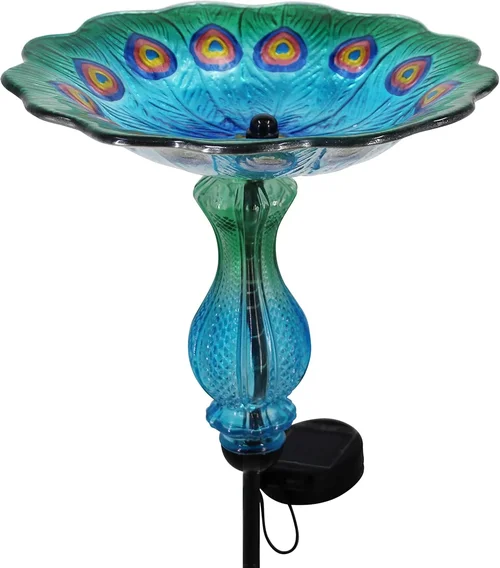
Providing fresh, clean water is one of the most impactful ways to support local bird populations, especially in urban and suburban areas where natural water sources can be scarce. A solar bird water dish goes a significant step further, transforming a simple water source into a dynamic, eco-friendly oasis that not only hydrates but also attracts a wider variety of feathered friends with its gentle movement and shimmering surfaces. The sight and sound of moving water are irresistible to birds, signaling a safe, fresh drinking and bathing spot, making your garden a lively sanctuary.
Navigating the market for the perfect solar bird water dish can feel overwhelming, with a plethora of designs, functionalities, and price points to consider. This comprehensive guide is designed to cut through the noise, providing you with expert insights and practical advice. We’ll explore everything from the critical performance specifications of solar panels and pumps to the durability of materials, aesthetic considerations, and essential maintenance tips. Our goal is to empower you to make an informed decision, ensuring you select a solar bird water dish that perfectly fits your needs, budget, and garden’s unique charm, ultimately bringing more natural beauty and biodiversity right to your doorstep.
You’ll learn what truly matters in a quality solar bird water dish, how to avoid common pitfalls, and what to expect across different price tiers. From understanding the nuances of pump power to deciphering warranty details and mastering easy maintenance, this guide covers it all. The market has seen a surge in innovative solar-powered solutions, ranging from simple floating fountain kits to elaborate multi-tiered bird baths with integrated solar technology, offering options for every gardener, bird enthusiast, and outdoor space imaginable.

What to Look for When Buying Buying Guide
When investing in a solar bird water dish, it’s crucial to look beyond the immediate visual appeal and delve into the specifics that dictate its performance, longevity, and overall value. Consider these key factors to ensure your new garden feature is a source of joy, not frustration.
1. Performance Specifications (Solar Panel & Pump)
The heart of any solar bird water dish lies in its solar panel and water pump. Understanding their specifications is paramount to ensuring consistent water movement. Look for solar panels with sufficient wattage (measured in watts, W) to power the pump effectively, especially on partly cloudy days. A higher wattage generally means better performance. Integrated panels are discreet, while remote panels offer flexibility in placement to maximize sun exposure. For the pump, consider its flow rate (gallons per hour, GPH) and maximum head height (the vertical distance the pump can push water). A higher GPH ensures a lively water display, while head height determines how tall a fountain spray can be. Some pumps come with different nozzles for varying spray patterns, adding to the aesthetic versatility. Battery backup is a premium feature that allows the pump to operate during cloudy periods or even at night, though it adds to the cost.
2. Build Quality & Durability (Materials)
A solar bird water dish will be constantly exposed to the elements, making material quality a critical factor. Durable materials ensure longevity and resistance to fading, cracking, and weathering. Common materials include UV-resistant plastic, ceramic, resin, concrete, and sometimes even metal or natural stone. UV-resistant plastic and resin are lightweight, often more affordable, and resistant to cracking from freezing, though they can sometimes fade over time. Ceramic and concrete offer a more substantial, traditional aesthetic but can be heavy and are susceptible to cracking in freezing temperatures if not properly cared for. Metal can be durable but may heat up in direct sun, potentially warming the water. Always check for finishes that are non-toxic and safe for birds. The overall construction should feel sturdy, with securely attached components that won’t easily tip or break.
3. Features & Functionality
Modern solar bird water dishes come with a range of features that can enhance both their usability and appeal. Filtration systems, often simple mesh filters, are crucial for preventing debris from clogging the pump and for keeping the water cleaner for longer. Some models include LED lighting, which illuminates the water at night, creating a beautiful nighttime focal point in your garden. Automated timers or water level sensors are less common but valuable features, allowing for customized operation or preventing the pump from running dry. Look for anti-tipping designs, especially if you have pets or active wildlife in your yard. Adjustable spray patterns through different nozzle attachments can also significantly change the look and sound of the water feature, allowing you to tailor it to your preferences and attract different bird species.
4. Size & Capacity
The physical dimensions and water capacity of your solar bird water dish will impact its suitability for your space and the number of birds it can accommodate. Consider the diameter and depth of the dish. A wider dish allows multiple birds to drink and bathe simultaneously, while an appropriate depth (typically 1-2 inches in the bathing area) is safe for smaller birds. Deeper dishes hold more water, reducing the frequency of refilling, but ensure there’s a shallower edge for easy access. Think about the overall footprint in your garden – do you have space for a large pedestal bath, or would a smaller, hanging, or tabletop unit be more appropriate? Balance the desire for a grand feature with practical space limitations.
5. Installation & Maintenance
Ease of installation and ongoing maintenance are vital for a stress-free experience. Most solar bird water dishes are designed for simple setup, often requiring no wiring. Freestanding pedestal baths simply need a level surface, while hanging options come with chains or hooks. Pay attention to how easy it is to access the pump for cleaning, as regular pump maintenance is essential to prevent blockages and extend its lifespan. The dish itself should be simple to clean, ideally with smooth surfaces and no hard-to-reach crevices where algae can accumulate. Consider how often you’ll need to refill the water, especially in hot weather, and if the design facilitates easy topping up.
6. Aesthetics & Design
While functionality is key, the visual appeal of your solar bird water dish also plays a significant role in enhancing your garden’s ambiance. Consider how the dish’s style, color, and material will complement your existing garden decor. Do you prefer a rustic, natural stone look, a modern minimalist design, or a whimsical, sculptural piece? The finish of the material, whether it’s a glossy ceramic or a matte resin, can also influence its overall appearance. Some dishes mimic natural rock formations, while others offer sleek, contemporary lines. Choose a design that you’ll enjoy looking at and that enhances the beauty of your outdoor space, as it will become a prominent focal point.
7. Warranty & Support
A reputable manufacturer typically stands behind its products with a solid warranty. Investigate the warranty period for both the dish itself and, crucially, the solar pump, as the pump is often the most vulnerable component. A longer warranty (e.g., 1-2 years) indicates the manufacturer’s confidence in their product’s durability. Also, consider the availability and responsiveness of customer support. Should you encounter any issues with the solar bird water dish, knowing that help is readily available can save you considerable frustration. Check for contact information, online resources, and repair/replacement policies before making a purchase.
Different Types of Buying Guide

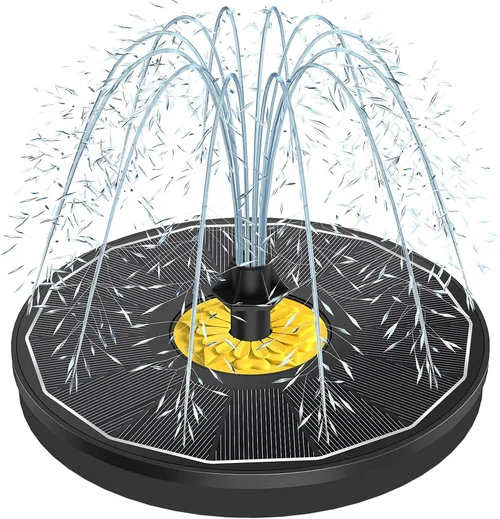
Each type of solar bird water dish offers distinct advantages and caters to different needs and garden sizes. Basic solar fountain kits are excellent for those who already have a bird bath they love but want to add the benefit of moving water. Integrated units combine the dish and solar power system into one cohesive product, often designed for smaller spaces. Pedestal baths are classic and create a significant visual impact, while multi-tiered fountains offer a more elaborate and soothing water display.
Common Buying Mistakes to Avoid
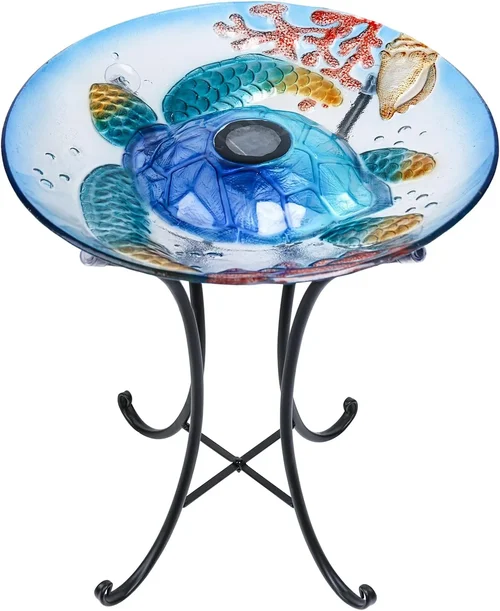
Even with thorough research, it’s easy to fall into common traps when purchasing a solar bird water dish. Being aware of these pitfalls can save you time, money, and potential disappointment.
❌ Mistake: Not Considering Sunlight Availability
Why it’s bad: Solar bird water dishes rely entirely on direct sunlight to operate efficiently. Placing one in a shaded area will result in weak, intermittent, or no water flow, rendering its primary function useless and frustrating both you and the birds.
What to do instead: Before purchasing, observe your garden throughout the day to identify spots that receive at least 6-8 hours of direct, unobstructed sunlight. Remember that sun patterns change with seasons. If direct sunlight is limited, consider models with remote solar panels that can be placed in a sunnier spot or those with battery backup for consistent operation.
❌ Mistake: Underestimating Cleaning Frequency
Why it’s bad: Bird baths, especially those with moving water, can quickly accumulate algae, debris, and bird droppings. Neglecting regular cleaning leads to unsanitary conditions, potential pump clogs, and can deter birds from using the dish.
What to do instead: Be prepared to clean your solar bird water dish every 2-3 days, or even daily in hot weather. Choose a dish design that is easy to disassemble and clean. A stiff brush and a mild, bird-safe cleaner (or just water and vinegar) should be part of your routine. This ensures a healthy environment for birds and extends the life of your unit.
❌ Mistake: Ignoring Pump Maintenance
Why it’s bad: The pump is the most vital, yet often overlooked, component. Without regular cleaning, mineral buildup, algae, and debris can clog the pump, leading to decreased performance or complete failure.
What to do instead: Make it a habit to periodically clean the pump filter and impeller. Most pumps are designed to be easily disassembled. Follow the manufacturer’s instructions for cleaning. This simple step can significantly prolong the pump’s lifespan and maintain consistent water flow.
❌ Mistake: Buying Too Small for Desired Bird Traffic
Why it’s bad: A very small or shallow dish might seem appealing for a compact space, but it may not accommodate multiple birds, requiring frequent refilling and potentially deterring larger species from using it.
What to do instead: Assess your bird-watching goals. If you want to attract a variety of birds, opt for a wider dish (at least 18-20 inches in diameter) with varying depths, allowing both small and large birds to safely drink and bathe. Consider the overall volume of water it holds, especially in hot climates, to minimize refilling.
❌ Mistake: Prioritizing Aesthetics Over Functionality or Durability
Why it’s bad: A beautiful solar bird water dish that quickly fades, cracks, or has a constantly malfunctioning pump will become a source of frustration rather than enjoyment.
What to do instead: While aesthetics are important, they shouldn’t be the sole deciding factor. Ensure the materials are UV-resistant and durable for your climate, the solar panel and pump specifications are adequate, and the design allows for easy cleaning and maintenance. A balance of beauty and robust performance is ideal.
❌ Mistake: Overlooking Freeze Protection in Colder Climates
Why it’s bad: If you live in an area with freezing temperatures, leaving a ceramic, concrete, or even some plastic dishes filled with water can lead to cracking and irreparable damage to both the dish and the pump.
What to do instead: In colder climates, either bring your solar bird water dish indoors for the winter or completely drain and cover it. For ceramic or concrete, draining is essential. Some plastic or resin models are more tolerant, but removing the pump is always a good idea. Consider investing in a bird bath heater if you wish to provide water through winter, but these are typically not solar-powered and require an external power source.
Budget Guidelines: How Much Should You Spend?
The price of a solar bird water dish can vary significantly based on its features, materials, and overall quality. Understanding what to expect at different price points will help you set a realistic budget.
- Entry-Level ($30 – $70):
In this range, you’ll primarily find basic solar fountain kits designed to be placed in an existing bird bath or small, simple, integrated plastic or resin dishes. Expect a smaller solar panel, a basic pump with limited head height, and fewer spray nozzle options. Durability might be a concern over multiple seasons, and battery backup is unlikely. These are great for testing the waters or for those with an existing bird bath they wish to upgrade.
- Mid-Range ($70 – $150):
This is the sweet spot for most buyers, offering a good balance of features, durability, and aesthetics. You’ll find a wider selection of integrated solar bird water dishes, often made from more robust UV-resistant resin or composite materials. Expect better pump performance, more spray patterns, and potentially a more decorative design. Some models might include a small battery backup for brief operation without direct sun, or LED lights for nighttime ambiance. This range offers good value for reliable everyday use.
- Premium ($150 – $300):
Stepping into the premium category brings enhanced materials, superior performance, and more sophisticated designs. Here, you’ll find larger pedestal bird baths made from high-quality resin, ceramic, or concrete, often with intricate detailing. The solar panels will be more efficient, and pumps will be more powerful and durable, often with advanced filtration systems. Battery backup for longer operation (several hours after dark or on cloudy days) is a common feature, as are elaborate LED lighting systems and more robust, weather-resistant construction. These are designed for longevity and consistent, high-performance water displays.
- Luxury ($300+):
At the top tier, you’re looking at truly exquisite and often large-scale solar bird water dishes, sometimes incorporating natural stone or high-end sculptural elements. These are statement pieces designed to be a significant focal point in a larger garden or estate. Expect the most powerful and efficient solar systems, commercial-grade pumps, advanced filtration, and robust battery life for continuous operation. Customization options, multi-tiered fountain designs, and exceptional craftsmanship are hallmarks of this price range, catering to enthusiasts who prioritize ultimate performance, durability, and aesthetic grandeur.
Expert Tips for Getting the Best Deal
Securing a great solar bird water dish doesn’t always mean spending top dollar. Smart shopping strategies can help you find quality products at more favorable prices.
1. When to Buy (Seasonal Sales, Timing)
The best time to purchase outdoor garden items like solar bird water dishes is often during the off-season. Look for sales at the end of summer or in early fall when retailers clear out inventory to make way for winter and holiday stock. Post-holiday sales (e.g., after Christmas or around Presidents’ Day) can also offer discounts on remaining stock. Keep an eye out for Black Friday and Cyber Monday deals, which often include significant price reductions on a wide range of products.
2. Where to Buy (Retailers, Online vs. In-Store)
Online Retailers: Websites like Amazon, Wayfair, Home Depot, Lowe’s, and specialty birding stores offer the widest selection and often the most competitive prices. You can easily compare models, read extensive reviews, and have items shipped directly to your door.
In-Store: Visiting garden centers, nurseries, or hardware stores allows you to see the product firsthand, assess its size, material quality, and aesthetics. While selections might be smaller, you can sometimes find unique local designs or get personalized advice from staff. Compare prices with online options before making a decision.
3. How to Spot Deals
Sign up for email newsletters from your favorite retailers; they often send out exclusive discount codes or alert you to upcoming sales. Use price tracking tools or browser extensions that monitor product prices over time and notify you of drops. Don’t be afraid to check clearance sections, both online and in physical stores, for floor models or end-of-season items that might be significantly discounted.
4. Warranty Considerations
Always review the warranty details carefully before purchasing. Understand what components are covered (dish, pump, solar panel) and for how long. A robust warranty, especially on the pump, provides peace of mind. Some retailers also offer extended warranties, which might be worth considering for higher-priced models, but always weigh the cost against the likelihood of needing it.
5. Return Policies
Familiarize yourself with the retailer’s return policy. A generous return window (e.g., 30-90 days) allows you to test the solar bird water dish in your garden. If it doesn’t perform as expected due to insufficient sunlight or simply doesn’t fit your aesthetic, you’ll have the option to return or exchange it without hassle.
6. Testing Before Buying (If Possible)
While not always feasible for online purchases, if you’re buying from a physical store, ask if the solar bird water dish or at least the pump can be demonstrated. This allows you to see the actual water flow and hear the pump’s noise level. If buying online, rely heavily on user reviews that discuss real-world performance.
7. Read User Reviews Extensively
User reviews offer invaluable insights into the product’s real-world performance, durability, and common issues. Look for patterns in feedback regarding pump reliability, solar panel efficiency, material quality, and ease of cleaning. Pay attention to reviews from buyers in similar climates to yours for relevant context.
8. Consider DIY Solar Fountain Kits
If you’re budget-conscious or already have a beloved bird bath, purchasing a separate solar fountain pump kit can be a cost-effective solution. These kits typically include a solar panel and pump with various nozzles, allowing you to convert almost any existing bird bath into a solar-powered one. This offers great flexibility and can save you money compared to buying a fully integrated unit.

Frequently Asked Questions
Q: How does a solar bird water dish work?
A: A solar bird water dish operates by converting sunlight into electricity. A built-in or remote solar panel captures solar energy, which then powers a small submersible pump. This pump circulates water from the dish, creating a gentle stream, fountain, or bubbler effect. Some models include a battery that stores excess solar energy, allowing the pump to operate during cloudy periods or for a few hours after sunset.
Q: How often should I clean my solar bird water dish?
A: For the health and safety of birds, and to maintain proper pump function, it’s recommended to clean your solar bird water dish every 2-3 days. In hot weather or if you notice significant debris or algae growth, daily cleaning may be necessary. Regular cleaning prevents the buildup of bacteria, algae, and mineral deposits that can harm birds and clog the pump.
Q: Can a solar bird water dish run at night?
A: Most basic solar bird water dishes operate only when direct sunlight hits their solar panel. However, many mid-range to premium models come with a built-in battery backup. These batteries store solar energy during the day, allowing the pump to continue running for several hours after dark or during periods of low light. Check the product specifications for “battery backup” or “night operation” features.
Q: What kind of maintenance does the pump require?
A: The pump needs regular cleaning to function efficiently. This typically involves removing the pump from the water, opening its casing, and cleaning any debris from the filter and impeller (the small spinning part). Use a small brush or cotton swab to remove gunk and mineral buildup. Depending on water hardness, you might occasionally need to soak the pump in a vinegar solution to dissolve mineral deposits. Always follow the manufacturer’s specific cleaning instructions.
Q: Will it attract mosquitoes?
A: Moving water, such as that provided by a solar bird water dish, generally deters mosquitoes from laying eggs. Mosquitoes prefer stagnant water. As long as the pump is consistently circulating the water, your solar bird water dish is unlikely to become a breeding ground for mosquitoes. However, if the pump stops working for extended periods, or if the water becomes stagnant, it could pose a risk.
Q: Are they safe for all bird types?
A: Yes, solar bird water dishes are safe for most bird types, provided the dish has appropriate depths. Ensure there are shallow areas (1-2 inches deep) for smaller birds to bathe and drink safely. The gentle movement of the water is generally attractive and safe. Avoid very deep dishes without shallow ledges, as these can pose a drowning risk to smaller birds.
Q: How do I prevent algae growth?
A: Regular cleaning is the best defense against algae. Additionally, placing the solar bird water dish in a location that receives ample sunlight but is not constantly exposed to extreme heat can help. Some bird enthusiasts add a small amount of bird-safe algaecide (specifically formulated for bird baths) or use a few copper pennies in the water, as copper can inhibit algae growth. Never use harsh chemical cleaners.
Q: Can I use it in winter?
A: In areas where temperatures drop below freezing, most solar bird water dishes are not designed for winter use. Water can freeze and expand, cracking the dish and damaging the pump. It’s best to drain the dish, remove the pump, and store the entire unit indoors during freezing weather. If you wish to provide water for birds in winter, consider a heated bird bath that is specifically designed for cold climates and requires an external power source.
Q: What’s the best location for my solar bird water dish?
A: The ideal location is a spot that receives at least 6-8 hours of direct, unobstructed sunlight daily. It should also be within a few feet of dense shrubs or trees, providing birds with cover and a safe escape route from predators. Avoid placing it too close to feeders, as spilled seed can dirty the water quickly. Ensure it’s easily accessible for cleaning and refilling.
Our Final Recommendations
Choosing the right solar bird water dish means balancing your budget with your specific needs and aesthetic preferences. Here are our top recommendations to guide your decision:
- Best for Budget-Conscious Buyers: Basic Solar Fountain Kits
If you already own a bird bath or are looking for the most affordable entry point, a simple solar fountain pump kit is your best bet. These kits are incredibly versatile, allowing you to convert any suitable dish into a dynamic water feature without a large investment. They are perfect for testing the waters (pun intended!) and ensuring you have adequate sunlight before committing to a larger, more expensive unit.
- Best Overall Value: Mid-Range Integrated Solar Bird Baths (Resin/Composite)
For most homeowners, a mid-range integrated solar bird water dish made from durable resin or composite material offers the best balance of performance, aesthetics, and longevity. These models typically feature efficient solar panels, reliable pumps, and appealing designs that withstand the elements. They often come with a modest battery backup and a selection of nozzles, providing excellent functionality without breaking the bank.
- Best Premium Option: High-Efficiency Pedestal Solar Bird Baths (with Battery Backup & Filtration)
For those willing to invest in a statement piece that offers superior performance and durability, a premium pedestal solar bird bath is highly recommended. Look for models made from high-quality, weather-resistant materials with efficient monocrystalline solar panels, powerful pumps, robust battery backup for night operation, and integrated filtration systems. These units provide consistent, lively water displays and often feature elegant designs that become a focal point in any garden.
- Best for Beginners: User-Friendly, Easy-to-Assemble Integrated Units
Beginners should prioritize ease of assembly, operation, and maintenance. Look for integrated solar bird water dishes that come fully assembled or require minimal setup. Models with easily accessible pumps for cleaning and simple, intuitive controls will ensure a positive first experience, encouraging regular use and care without overwhelming the new owner.
- Best for Small Gardens/Balconies: Compact Tabletop or Hanging Solar Bird Baths
If space is a premium, compact tabletop or hanging solar bird water dishes are ideal. These units offer the benefits of moving water and attract birds without taking up significant ground space. They are typically lightweight, easy to move, and provide a charming water feature for even the smallest outdoor areas, such as patios, balconies, or small courtyards.
Conclusion: Making the Right Choice
Choosing the perfect solar bird water dish is a rewarding endeavor that enhances your outdoor space and provides invaluable support for local bird populations. We’ve explored the critical factors, from the specifications of solar panels and pumps to material durability, aesthetic considerations, and essential maintenance practices. By understanding these elements, you can confidently navigate the diverse market offerings.
Remember to prioritize your specific needs: consider the amount of direct sunlight your garden receives, the space available, your desired level of maintenance, and your aesthetic preferences. Avoid common pitfalls like neglecting sunlight requirements or underestimating cleaning frequency, and you’ll set yourself up for long-term enjoyment. Whether you opt for an economical solar fountain kit or a luxurious multi-tiered fountain, your investment will bring the soothing sights and sounds of nature closer to home.
Empowered with this comprehensive guide, you’re now ready to make an informed decision. Take your time, weigh your options, and select a solar bird water dish that not only beautifies your garden but also serves as a vibrant, life-giving oasis for your cherished feathered visitors. Happy bird watching!