Are birds causing trouble around your home or garden? You’re not alone.
Their constant chirping, droppings, and damage can quickly become frustrating. But what if there was a simple, natural way to keep them away without harming them? An artificial owl might be the answer you’ve been searching for. This clever tool tricks birds into thinking a predator is nearby, making them fly off for good.
Keep reading to discover how an artificial owl can protect your space and bring you peace of mind.

Credit: www.amazon.ca
Purpose Of Artificial Owls
Artificial owls are used to scare away birdsfrom certain areas. Farmers use them to protect cropsfrom birds that eat seeds and fruits. Birds see the owl as a dangerand stay away.
In cities, artificial owls help keep birds from making nests on buildings. This reduces messand damagecaused by bird droppings.
- Easy to use:Just place the owl where birds gather.
- Safe:Does not harm birds, only scares them.
- Cost-effective:Saves money by protecting crops and property.
- Eco-friendly:No chemicals needed.
Design And Features
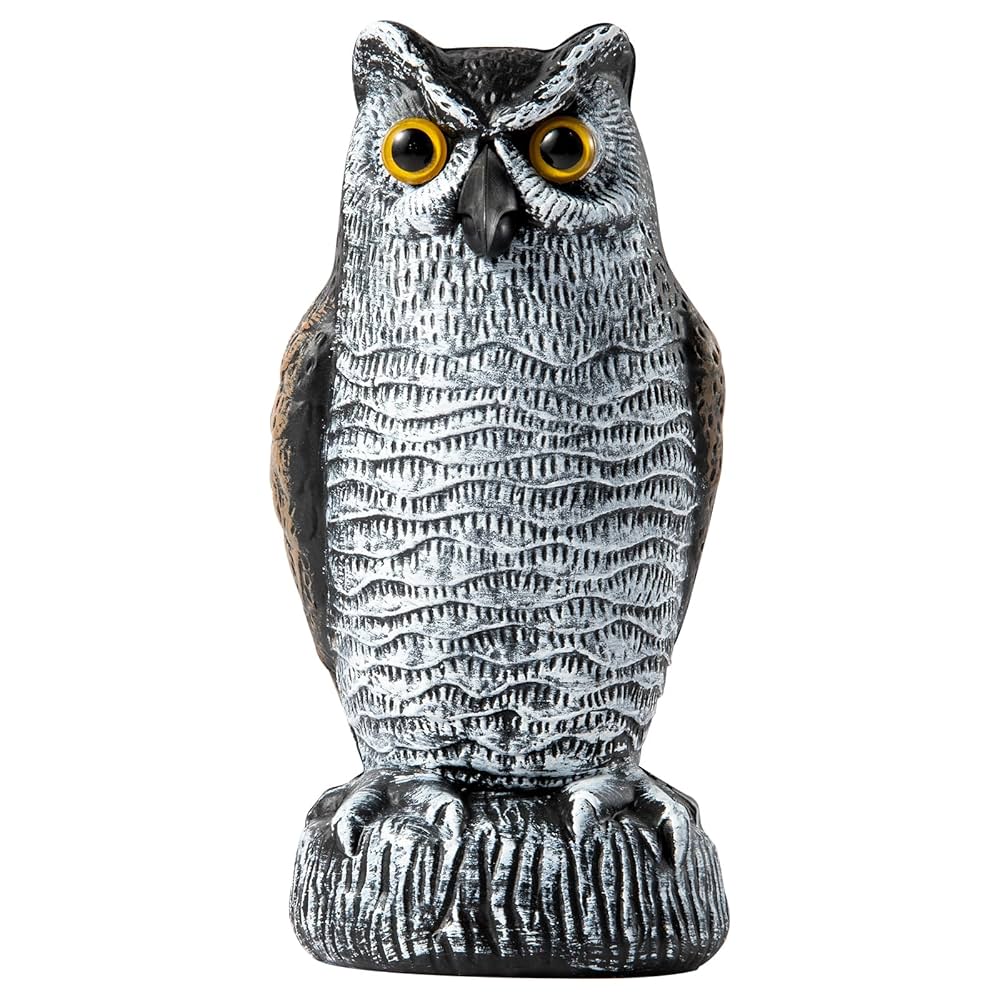
The artificial owllooks very real to scare birds effectively. It has lifelike eyesand feather detailsthat match a real owl’s appearance. This helps in making birds feel threatened.
Strong and weather-resistant materialslike plastic and resin are used. These materials keep the owl safe from rain and wind. The owl stays in good shape for a long time.
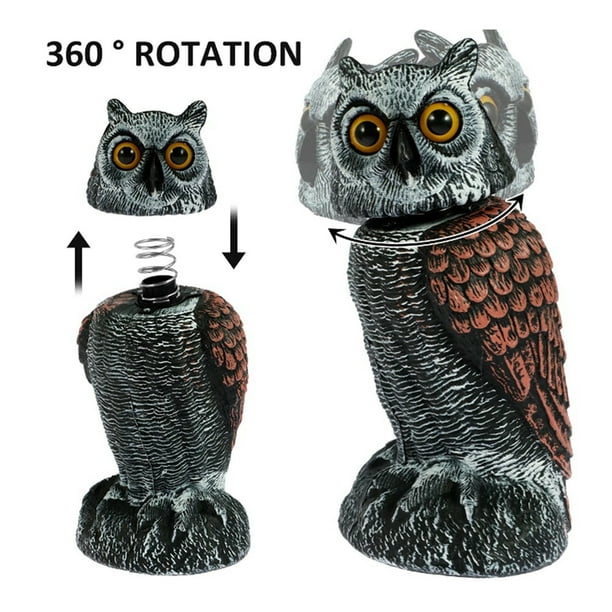
- Some models move their headsslowly to seem alive.
- Others include flapping wingsto add more realism.
- Sound effects like owl hootsmay play at intervals.
These features help make the owl a good bird deterrent. Movement and sounds catch birds’ attention and keep them away.
Effectiveness Of Artificial Owls
Artificial owls can help scare birds away from gardens and crops. Their presence mimics real predators, causing birds to avoid the area. Effectiveness varies depending on placement and bird species.
Success Rates In Different Settings
Artificial owls work well in some places. They scare small birds away. Parks and gardens see fewer birds. Farms use them too. But big birds ignore them. They know it’s not real. Weather and time can change results. Sunny days show better success. Windy days make owls move, increasing fear.Limitations And Challenges
Artificial owls can’t move on their own. This makes them less scary. Birds get used to them over time. Weather can damage the owl. They may not last long outside. Some birds are smarter. They learn the owl is fake. This reduces its power.Factors Influencing Bird Behavior
Birds react to movement and sound. Artificial owls need these to work. Bright eyes can help too. Colors and size matter. Bigger owls scare more birds. Smells might play a part too. Some birds avoid certain scents. Weather changes bird habits. Rain and wind affect their flights. `Placement And Maintenance
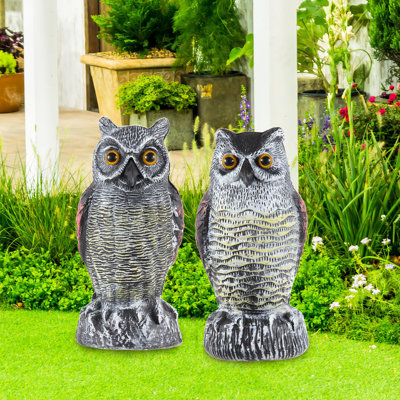
Place the artificial owlin a visible spotnear areas where birds gather. Avoid placing it too close to walls or busy places. Height matters; set it at least 5 to 7 feet high for better effect. Move the owl regularlyto keep birds unsureand scared.
Check the owl often for dirt or damage. Clean it with a soft cloth and mild soap. Make sure the eyes and feathers stay bright and clear. Fix any broken parts to keep the owl working well.
- Use bird spikes or nets along with the owl to block bird landings.
- Noise makers can add extra fear to birds.
- Reflective tape near the owl can confuse birds more.
- Combine different methods for best protection.
Environmental And Ethical Considerations
The impact on local wildlifeis an important factor with artificial owls. Birds may feel scared and avoid the area, but smaller animals might also be affected. Some birds learn the owl is fake and ignore it over time. This could reduce the owl’s effectiveness and disturb the natural balance.
Humane bird control methods include safe and gentle ways to keep birds away. Using artificial owlsis one such method. Other options are bird spikes, nets, or sound deterrents. These methods do not harm birds and keep them safe.
Sustainability aspectsmatter in choosing bird control tools. Artificial owls are reusable and need no chemicals. They do not pollute the environment. Choosing long-lasting and eco-friendly tools helps protect nature and wildlife for the future.
Credit: www.walmart.ca
Alternatives To Artificial Owls
Other visual deterrentsinclude shiny objects like CDs or reflective tape. These catch light and create flashes that birds dislike. Moving objects like wind spinners or scarecrows also help. They create a sense of danger and keep birds away.
Auditory repellentsuse sounds to scare birds. These can be loud noises, predator calls, or ultrasonic sounds. Birds find these noises unpleasant and avoid the area. Sounds can be set on timers or motion sensors for better effect.
Physical barriersstop birds from landing or entering places. Netting or wire mesh over crops or fruit trees is common. Spikes on ledges or roofs prevent birds from perching. These barriers are safe and effective at keeping birds away.
Credit: www.wayfair.ca
Frequently Asked Questions
How Does An Artificial Owl Scare Birds Effectively?
Artificial owls mimic predator looks, causing birds to feel threatened and avoid the area.
Where Should I Place An Artificial Owl To Deter Birds?
Place the owl where birds gather, like gardens or rooftops, for best results.
How Often Should I Move The Artificial Owl To Keep It Effective?
Move the owl every few days to prevent birds from getting used to it.
Conclusion
Artificial owls help keep birds away safely and quietly. They work best when moved often to avoid bird habits. Using them can protect gardens, farms, and homes from bird damage. They do not harm birds or the environment. Remember, patience is key for good results.
Try different spots and times for the owl. This simple tool offers an easy way to reduce bird problems. Give artificial owls a chance to protect your space.