Have you ever been startled by a loud thud against your window, only to realize a bird has just collided with the glass? It’s not just upsetting—it can be harmful to the birds and stressful for you.
The good news is, you don’t have to accept this as a fact of life. You can take simple, effective steps to stop birds from hitting your windows. Keep reading to discover easy tips that protect your feathered visitors and bring peace of mind to your home.
Why Birds Collide With Windows
Birds often hit windowsbecause they see reflections of trees or sky. The glass looks like open space to them. Transparent windows also confuse birds. They try to fly through because they see plants or sky behind the glass.
Windows that reflect bright sunlight or have clear views can be very dangerous. Birds cannot tell the difference between real sky and reflections. This causes many accidents every year.
| Common Bird Species at Risk | Reason for Risk |
|---|---|
| Robins | Attracted to reflections of trees and bushes |
| Hummingbirds | Fast flyers, often don’t see glass in time |
| Warblers | Fly through open spaces, confused by transparent windows |
| Finches | See reflected plants and try to land |
Signs Of Bird Strikes
Impact markson windows are a common sign of bird strikes. These marks look like smudges, cracks, or feathers stuck on the glass. They often appear after birds fly into the window.
Birds may change their behavior near windows. They might fly close and then suddenly stop or avoid the area. Sometimes birds chirp loudly or seem confused.
- Smudges or streaks:Look for dirt or feather marks.
- Cracks:Small cracks or chips may be present.
- Feather spots:Feathers can stick to the glass.
- Bird hesitation:Birds may hesitate or circle near windows.
Effective Window Treatments
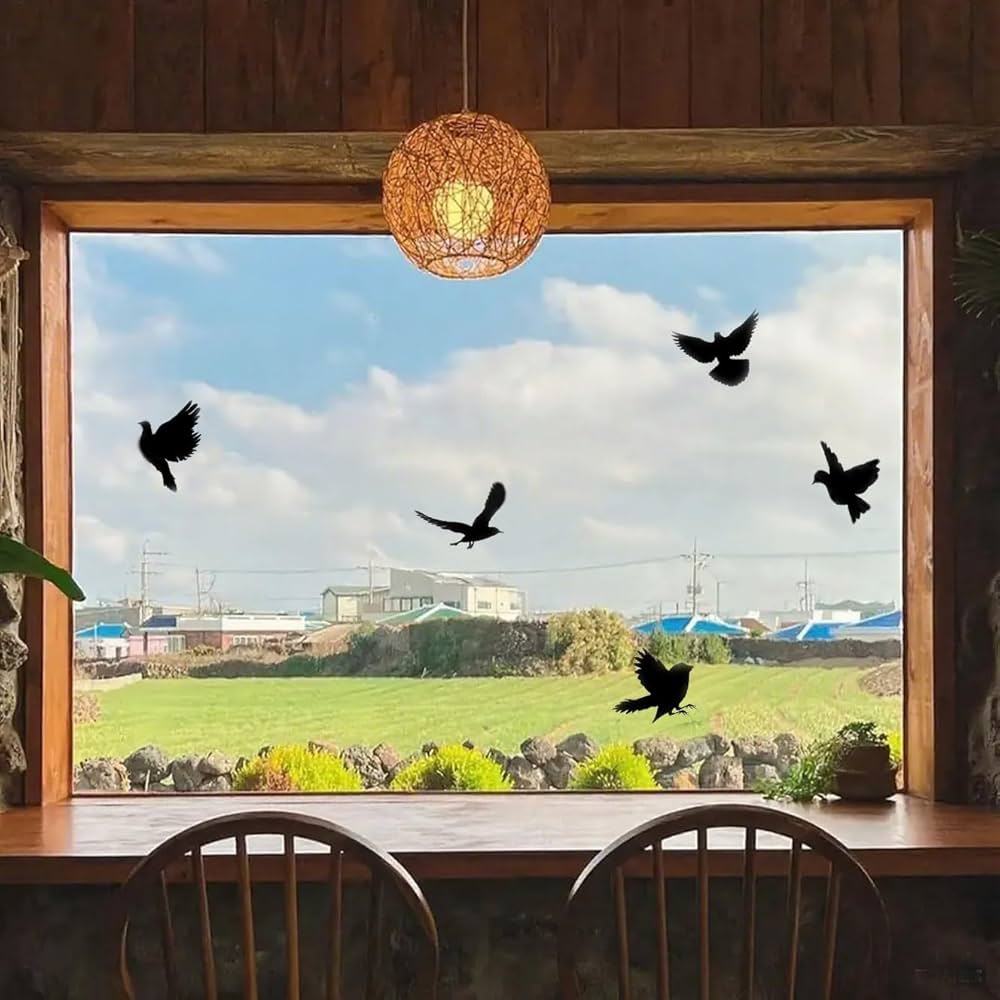
Decals and stickers can help birds see the glass. Place them on the outside of windows. They should be spaced closely, about two inches apart. Birds avoid windows with visible patterns. Bright colors work best. Change designs often to keep birds alert. Simple shapes like circles or stripes are effective.
Films and screens make windows safer for birds. Window films reduce reflection, making glass less dangerous. Apply them across the entire glass. They are easy to stick and remove. Screens can be placed outside windows. They create a barrier for birds. Mesh screens also help with cooling and shade.
External shades block reflections that confuse birds. Use shades that can roll down or up. Install them outside the window for best results. Shades can be made of fabric or wood. They also provide cooling benefits. Choose shades with bright colors or patterns. This makes them visible to birds.
Habitat And Landscaping Adjustments
Plant bushes and treesaway from windows to reduce bird collisions. Birds often fly into windows because they see reflections of sky or plants. Keeping tall plants a few feet from glass can stop this.
Avoid placing bird feeders or bathsnear windows. These attract birds close to glass, increasing risks. Instead, place them at least 10 feet away or closer than 3 feet to slow birds down.
Use dense shrubbery or vinesnear windows to create a natural barrier. This helps birds notice the glass and avoid flying into it. Choose native plants that birds like for shelter and food.
Technological Solutions
Ultrasonic devicescreate high-frequency sounds. Birds cannot hear these sounds, but they find them uncomfortable. These devices help keep birds away from windows without disturbing humans or pets. They are easy to install and use little power.
Smart window sensorsdetect bird movements near windows. When a bird comes close, the sensor triggers a signal. This can activate lights or sounds to scare birds away. These sensors reduce bird collisions by making windows more visible to birds.
| Technology | How It Works | Benefits |
|---|---|---|
| Ultrasonic Devices | Emit high-frequency sounds birds dislike | Quiet for humans, easy to install |
| Smart Window Sensors | Detect bird approach and trigger alerts | Warn birds, reduce window collisions |

Credit: www.amazon.com
Maintenance And Monitoring
Regular window cleaninghelps birds see the glass clearly. Dirty windows reflect light and confuse birds. Clean windows reduce the chance of birds flying into them. Use gentle soap and water for cleaning. Avoid harsh chemicals that may harm the glass or environment. Clean both inside and outside surfaces for best results.
Tracking bird strikes helps identify problem areas. Keep a notebook or use an app to record dates and times of collisions. Note the type of bird and weather conditions. This data helps find patterns and decide on solutions. Regular monitoring can reduce bird injuries and save lives.
Community And Legal Considerations
Many places have laws to protect birds. These rules often limit how you can change windows.
Knowing these local wildlife protection lawshelps avoid fines and keeps birds safe.
Communities run awareness programsto teach about bird safety near homes.
- Work with neighbors to share bird-friendly tips.
- Join local groups that support bird protection.
- Attend talks or workshops on bird safety.
These efforts make neighborhoods safer for birds and people.

Credit: www.facebook.com

Credit: www.instagram.com
Frequently Asked Questions
Why Do Birds Hit Windows So Often?
Birds hit windows because they see reflections or think they can fly through glass.
What Are Easy Ways To Stop Birds Hitting Windows?
Use stickers, tape, or screens on windows to make glass visible to birds.
Can Window Treatments Help Prevent Bird Collisions?
Yes, curtains or blinds reduce reflections and lower bird crashes on windows.
Conclusion
Preventing birds from hitting your windows keeps them safe and your home peaceful. Simple steps like adding decals or screens can make a big difference. Clear glass often confuses birds, so breaking reflections helps. Regular checks and adjustments improve protection over time.
Small changes protect wildlife and reduce window damage. Start with easy fixes and see the results quickly. Protecting birds benefits the environment and your space. Stay patient and consistent to keep birds flying safely around your home.