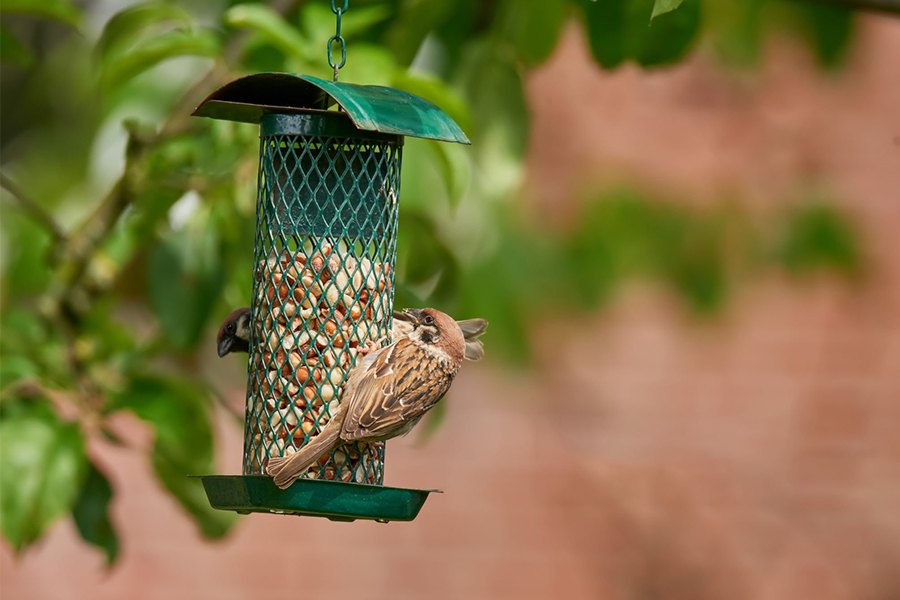
If you love watching birds visit your garden, keeping your bird feeders clean is one of the most important things you can do. Dirty feeders can spread harmful germs that make birds sick—and you don’t want that.
But don’t worry, disinfecting your bird feeders is easier than you might think. You’ll learn simple, effective steps to keep your feeders safe and inviting for your feathered friends. Ready to protect the birds you care about? Let’s get started!
Why Clean Bird Feeders Matter
Dirty bird feederscan spread harmful germs and diseases. These germs can make birds sick. Wet or old seeds grow mold and bacteria. Birds can get seriously illfrom these.
Cleaning feeders oftenkeeps birds safe and healthy. It also helps to keep the feeder working wellfor a long time. Regular cleaning stops mold, bacteria, and disease spread.
- Healthier birds:Less chance of disease.
- Better food:Seeds stay fresh and clean.
- Longer feeder life:No damage from dirt and mold.
- More visitors:Birds like clean feeders.

Credit: valleyfarms.shop
Tools And Supplies Needed
Choose safe cleaning agentsthat do not harm birds. A solution of one part white vinegarto four parts waterworks well. Avoid bleach or harsh chemicals that can leave harmful residues.
Essential cleaning toolsinclude:
- A soft brush or sponge to scrub dirt and mold.
- A bucket or basin for soaking feeders.
- Gloves to protect your hands.
- Clean water for rinsing thoroughly.
Step-by-step Cleaning Process
First, take out all the old seeds. Use a brush to remove debris. Ensure you reach every corner of the feeder. This prevents mold and dirt buildup.
Fill a bucket with warm water. Add some mild soap. Use a sponge to wash the feeder thoroughly. Scrub every part, especially the corners.
Mix one part vinegar with three parts water. This solution is safe for birds. Dip a cloth in the mix. Wipe the feeder with this solution.
Rinse the feeder with clean water. Remove all soap and vinegar. Shake off extra water. Let the feeder dry completely before refilling.

Credit: valleyfarms.shop
How Often To Clean Feeders
Feeders should be cleaned regularly to keep birds healthy. Dirt, mold, and old seed can cause illness. Clean feeders at least once every two weeks during mild seasons.
During wet or cold seasons, clean feeders more often. Rain and snow make feeders wet, which helps mold grow. In winter, frozen seed can also spoil faster.
Signs that feeders need cleaning:
- Seed looks moldy or clumped together
- Birds avoid the feeder
- Droppings build up around the feeder
- Unpleasant smell near the feeder
- Visible dirt or spider webs on the feeder
Preventing Future Contamination
Place feeders in well-ventilated areas. Avoid spots near walls or dense bushes. This helps keep feeders dry and less moldy. Good air flow stops germs from growing.
Choose seeds that birds like and that don’t spoil fast. Black oil sunflower seeds are popular and less likely to go bad quickly. Avoid seeds that attract pests or mold easily.
- Keep feeding areas clean by removing old seeds daily.
- Clear spilled seeds and bird droppings regularly.
- Use a tray or mat under feeders to catch mess.
- Clean the ground around feeders to stop germs.

Credit: www.instagram.com
Frequently Asked Questions
How Often Should I Clean My Bird Feeder To Prevent Disease?
Clean your bird feeder every two weeks to stop germs and keep birds healthy.
What Is The Best Way To Disinfect Bird Feeders Safely?
Use a solution of one part bleach to nine parts water to disinfect feeders.
Can Natural Cleaners Be Used For Bird Feeder Disinfection?
Yes, vinegar mixed with water works well as a safe, natural cleaner.
Conclusion
Cleaning bird feeders keeps birds safe and healthy. Regular disinfection stops harmful germs from spreading. Use simple cleaning steps with soap and water. Dry feeders well before refilling with fresh seeds. Watch birds enjoy their safe feeding spot. Keep this routine often for best results.
Healthy birds make your garden lively and bright. Caring for feeders shows love for nature’s small friends. Simple actions protect birds all year long.