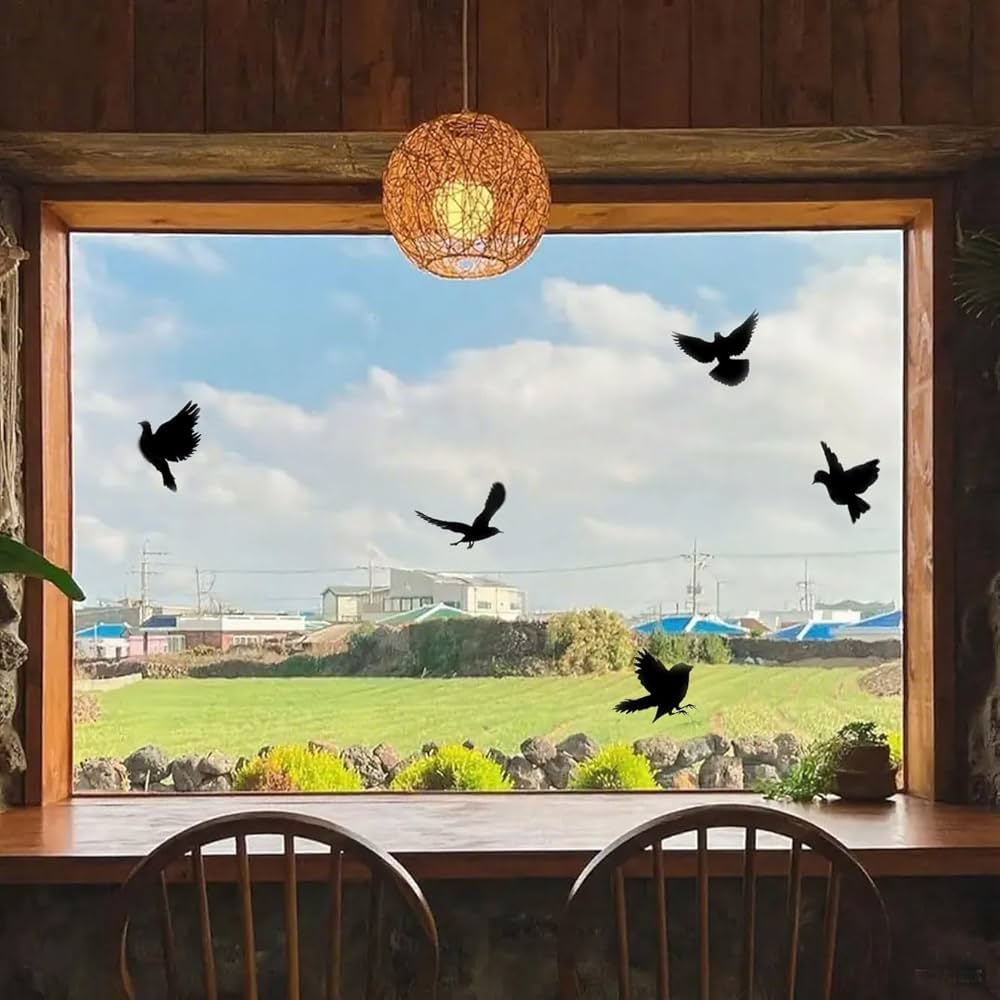
Are you tired of hearing loud thuds as birds crash into your windows? Not only is it shocking to witness, but it can also harm the birds and damage your glass.
Luckily, you don’t have to accept this as a fact of life. You can take simple, effective steps to protect both your feathered friends and your home. Keep reading, and you’ll discover easy ways to stop birds hitting windows—solutions that work and won’t cost you a fortune.
Your windows and the birds outside will thank you.
Why Birds Collide With Windows
Birds often hit windows because they see reflectionsof trees or sky. These reflections make windows look like open space. Transparent windows also confuse birds. They try to fly through because they see plants or sky on the other side.
Birds fly fast and have little time to stop. Their eyes do not always see glass as a barrier. Flight patterns make collisions more common near trees and bushes. Birds follow routes that lead them toward windows by mistake.
- Reflectionsmimic natural environment.
- Clear glass appears as open space.
- Birds fly quickly and react slowly.
- Windows near vegetation are more dangerous.

Credit: www.facebook.com
Signs Of Bird Collisions
Bird collisions with windows often leave visible signson birds and glass. Birds might show bruises, broken wings, or stunned behaviorafter a crash. Sometimes, they lie motionless near the window or fly away slowly.
Windows can have smudges, cracks, or feather marksafter a bird hits them. Look for small cracks or spotswhere birds made contact. These clues help identify problem areas.
| Common Injury Indicators | Window Damage Clues |
|---|---|
| Bruised or bleeding feathers | Feather smudges on glass |
| Broken or twisted wings | Cracks or chips on the window |
| Stunned or slow movement | Smudges or streaks on glass |
| Birds lying near windows | Repeated marks in the same spot |
Preventive Window Treatments
Birds often fly into windows because they see reflections or think they can fly through. Applying decals or films breaks up reflections and warns birds to stay away. Using screens or shades also helps reduce collisions by making windows visible.
Applying Decals And Stickers
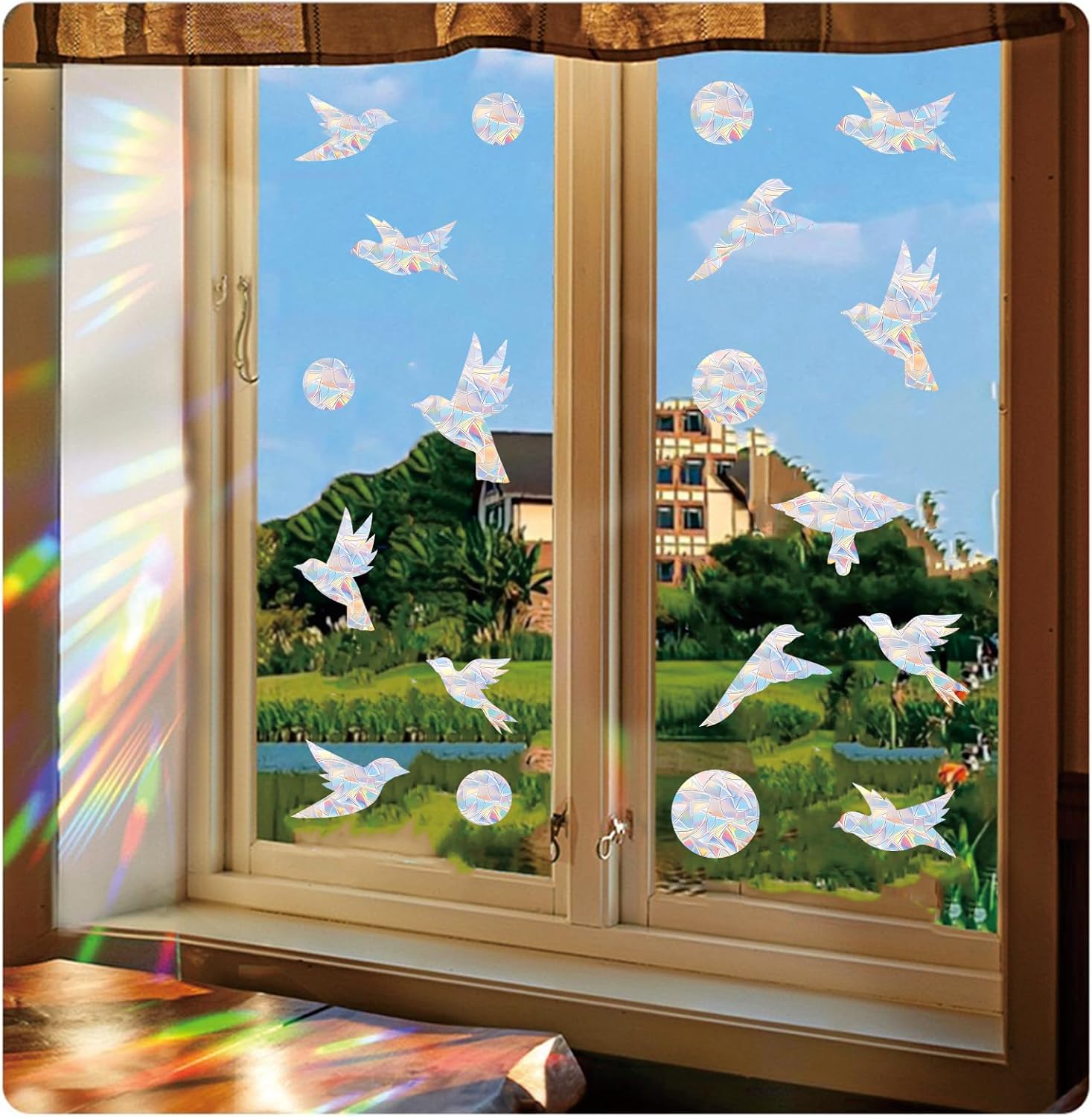
Decals can be lifesavers for birds. They help birds see glass. Place stickers on the outside. Use bright colors for better visibility. Cover most of the window. This stops birds from flying into glass.
Using Window Films
Window films make glass visible. They add patterns to the glass. Birds can see these patterns. Films should cover large areas. This makes windows bird-safe. Choose patterns that birds notice easily.
Installing External Screens
External screens can protect birds. They act like barriers. Birds bounce off screens safely. Install screens outside windows. This reduces bird injuries. Screens are a great choice to keep birds safe.
Credit: shawula.com
Physical Barriers And Modifications
Bird nettingis a simple way to keep birds from hitting windows. It acts like a soft fence in front of glass. Birds see the net and avoid flying near it. Netting can cover big windows or whole sides of buildings. Gridswork by breaking up the glass surface into smaller parts. Birds see the grid lines and know it is not a clear path. These barriers do not harm birds but keep them safe.
Shuttersand awningsalso help stop bird crashes. Shutters block the reflection of sky and trees on windows. Awnings cast shade, making glass less shiny. Both reduce the chance birds get confused by reflections. They also add style to homes and buildings.
Landscaping Tips To Deter Birds
Position plants and treesa few feet away from windows. Birds often fly towards reflections, mistaking glass for open sky or habitat. Placing vegetation close can confuse them less.
Choose dense shrubs or small treesthat block direct sight of windows. This creates a natural barrier, reducing bird collisions.
Plant species that attract birds, such as berry bushes or flowering trees. This makes birds stay in safe spots, away from glass.
Keep bird feeders and baths near plants, not by windows. This avoids birds flying straight to glass after feeding.
Maintain a mix of tall and low plants to mimic natural environments. It helps birds feel safe and reduces risky flights.
Creating bird-friendly yet safe spacesmeans balancing bird needs and safety. Clear, open areas near windows invite collisions. Dense, layered planting encourages safe movement.
Lighting Adjustments
Bright lights at nightcan confuse birds. They see reflections and fly into windows.
Turn off indoor lights near windows after dark. This lowers reflections and helps birds see clearly.
Use motion-activated lightsoutside. These lights turn on only when needed.
This sudden light can scare birds away from windows. It also saves energy by not staying on all night.
- Switch off indoor lights near windows at night.
- Install motion-activated outdoor lights.
- Keep lights low or use curtains to block reflections.
Monitoring And Maintenance
Keeping windows clean helps birds see glass clearly. Dirt and smudges can confuse birds. Clean windows with mild soap and water. Avoid strong chemicals that might harm birds or plants.
Watch when birds fly near your windows. Note times and directions they come from. This helps find spots where birds often hit windows.
- Check windows daily for smudges and dirt.
- Observe bird behavior during morning and evening.
- Look for reflections that may attract birds.
- Use this information to adjust window covers or decals.
Additional Tools And Technologies
Installing window films or decals can help birds see the glass. Using bird-safe glass coatings reduces reflections. These tools can make windows safer for birds.
Ultrasonic Bird Deterrents
Ultrasonic bird deterrentsuse high-frequency sounds to keep birds away. These sounds are inaudible to humansbut disturb birds. They are safe and easy to installnear windows. Some devices cover a large area, while others focus on small spots. These tools are quietand do not harm birds. They work best in quiet outdoor spaces.
Smart Window Sensors
Smart window sensorsdetect birds approaching windows. They can trigger lights or soundsto scare birds away. Some sensors connect to phones for alerts. These sensors help reduce collisionsby warning birds early. Easy to set up and use, they offer a modern solutionto the problem. Sensors work well during day and night.

Credit: www.fleuristesavard.com
Frequently Asked Questions
Why Do Birds Hit Windows Often?
Birds see reflections and think they can fly through. This confuses them and causes collisions.
What Are Simple Ways To Stop Birds Hitting Windows?
Place decals, use screens, or close blinds. These break reflections and warn birds.
Can Window Treatments Protect Birds From Collisions?
Yes, films and screens reduce reflections. They make glass visible to birds.
Conclusion
Birds hitting windows can cause harm and sadness. Simple steps help keep birds safe and windows clear. Use stickers, screens, or curtains to block reflections. Move feeders away from glass to reduce crashes. Watch and adjust your methods if needed.
Small changes make a big difference for birds. Protect your windows and enjoy nature peacefully. Caring for birds shows respect for all living things. Stay patient and keep trying different solutions. Your efforts help create a safer home for birds.