
Feeding a bird might seem simple, but doing it the right way can make all the difference for your feathered friend’s health and happiness. Whether you have a pet bird or enjoy watching wild birds visit your garden, knowing what and how to feed them is key.
You’ll discover easy tips that anyone can follow to keep birds well-nourished and thriving. By the end, you’ll feel confident that you’re giving your birds exactly what they need. Ready to become a bird-feeding pro? Let’s get started!

Credit: www.facebook.com
Choosing The Right Food
Birds need different foodsbased on their species. Some birds prefer seeds, while others like fruitsor insects. Offering a mix helps keep them healthy.
| Bird Species | Preferred Food | Key Nutrients |
|---|---|---|
| Finches | Small seeds, millet | Carbohydrates, fats |
| Parrots | Fruits, nuts, pellets | Vitamins, proteins |
| Hummingbirds | Nectar, small insects | Sugars, proteins |
- Avoid chocolateand caffeine; they are toxic to birds.
- Do not feed birds avocado; it can cause illness.
- Salt and sugarshould be kept away from bird food.
- Raw beans and fruit seeds may be harmful and should be avoided.
Feeding Techniques
Birds need small amountsof food at a time. Giving too much can waste food and attract pests.
Feed birds two to three timesa day. Keep feeding times regularfor their routine.
- Use clean feedersor dishes to stop germs.
- Choose feeders that suit the type of bird you want to feed.
- Place feeders where birds feel safefrom predators.
- Refill feeders often so food stays fresh.
Fresh Water Importance
Clean water is vital for birds. Always provide fresh water. Change it daily to keep it clean. Use a clean dish each time. Avoid using soap; it leaves harmful residue. Instead, rinse with plain water. Check for debris or dirt. If water looks cloudy, replace it immediately. Clean water keeps birds healthy and happy.
Birds need fresh water to stay healthy. Hydration helps birds digest food. It keeps their feathers clean and shiny. Without water, birds can become sick. They may feel weak or tired. Regular water access is crucial for their survival. Fresh water supports their growth and energy levels. It helps them stay active and alert.
Supplements And Treats
Birds enjoy a variety of safe treatsthat help keep them happy and healthy. Some popular options include:
- Small pieces of fresh fruits like apple, banana, and berries
- Vegetables such as carrot sticks, peas, and leafy greens
- Unsalted nuts in moderation, like almonds or walnuts
- Cooked grains like rice or quinoa
- Sprouted seeds and grains
Avoid giving birds any food with salt, sugar, or spices. Also, never feed chocolate or avocado as they are toxic.
| Supplement Type | Purpose | Examples |
|---|---|---|
| Vitamin Supplements | Support overall health and immune system | Vitamin A, D3, and E drops or powders |
| Mineral Supplements | Help with bone strength and metabolism | Calcium blocks, cuttlebone, mineral grit |
Use supplements only as directed. Too much can harm birds. Always choose products made for birds.
Feeding Wild Birds
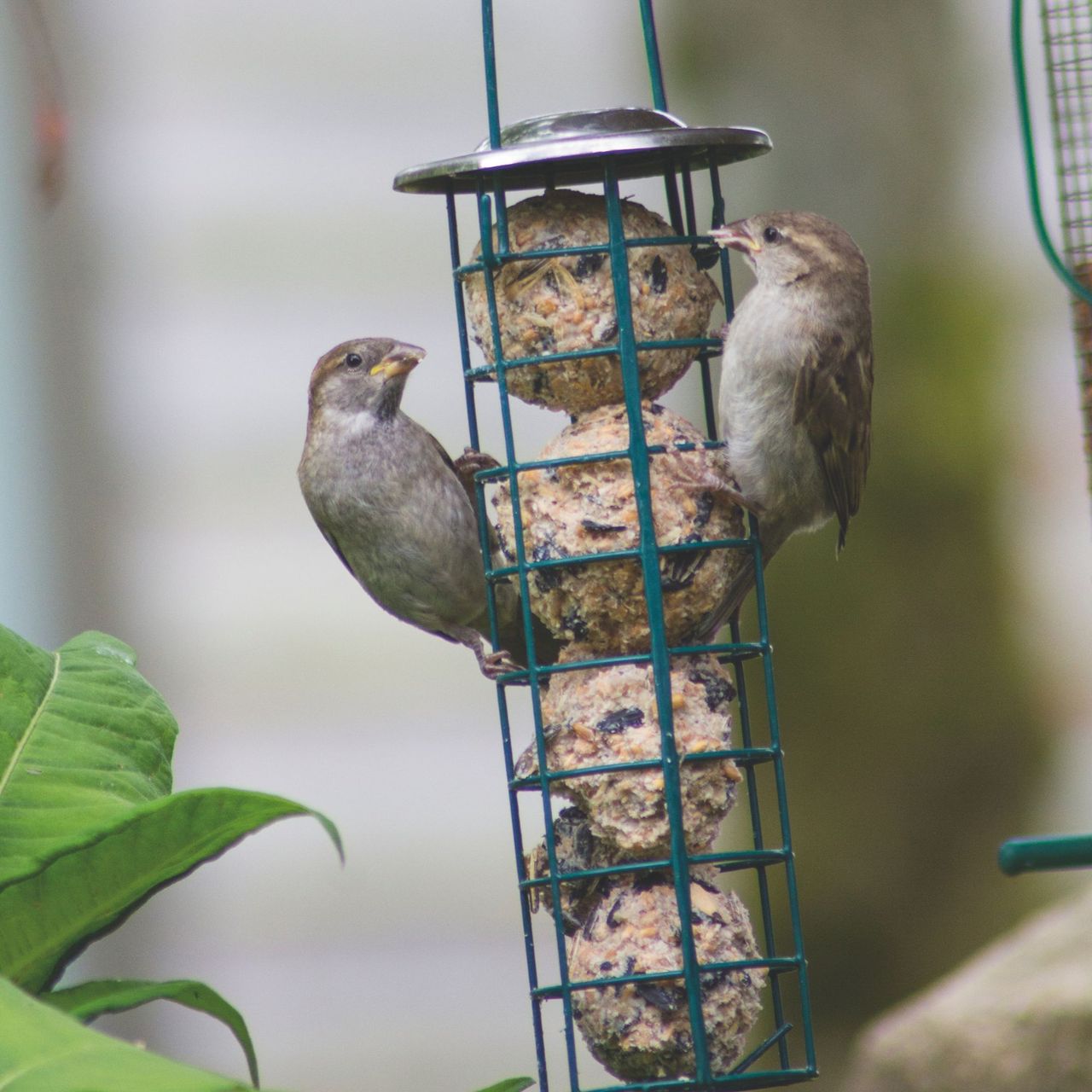
Wild birds enjoy a variety of foods. Seedslike sunflower and millet are favorites. Suetprovides energy, especially in cold weather. Fresh fruitssuch as apples and berries attract many birds. Avoid feeding bread; it lacks nutrients and can harm birds.
During winter, offer high-fat foods to help birds stay warm. In spring and summer, birds eat more insects and fruits. Keep feeders clean to stop disease. Refill feeders regularly but don’t overfill them.
Overfeeding can make birds lazy and dependent. Too much food can attract pests like rats. Clean leftover food to keep the area safe and healthy. Watch birds often to learn their feeding habits.

Credit: www.newsobserver.com
Signs Of Good Nutrition
Healthy featherslook smooth, shiny, and clean. Dull or broken feathers may show poor nutrition. Birds with good diet often preen themselves well, keeping feathers tidy.
Behavior changes can signal nutrition quality. Active birds that sing and move a lot are usually well-fed. Quiet or lethargic birds might need better food.
| Weight Monitoring | What to Look For |
|---|---|
| Regular weighing | Helps track bird’s health over time |
| Sudden weight loss | May indicate illness or poor diet |
| Stable weight | Shows balanced nutrition and good care |
Common Feeding Mistakes
Overfeedingcan cause health problems in birds. It may lead to obesity and poor nutrition. Birds need balanced portionsfor good health. Avoid giving too much food at once.
Many people make inappropriate food choices. Birds should not eat salty, sugary, or processed foods. Some fruits and vegetables are harmful. Always offer safe and natural foodslike seeds, nuts, and fresh fruits.
Ignoring cleanlinesscan cause diseases. Dirty feeders and water bowls attract bacteria and mold. Clean feeding areas daily. This helps keep birds healthy and safe.
Creating A Feeding Routine
Feeding birds at the same time each day helps create a stable routine. Birds feel safe and calm with regular feeding times. This also makes it easier to monitor their eating habits.
Birds may like different foods. Watching what they eat can help you adjust their diet. Offer a variety of seeds, fruits, and nuts to find their favorites.
| Consistency Benefits | Adapting to Bird Preferences |
|---|---|
|
|
Credit: www.inkl.com
Frequently Asked Questions
What Is The Best Food To Feed Wild Birds?
Seeds like sunflower, millet, and cracked corn attract many wild birds safely.
How Often Should I Feed Birds In My Backyard?
Feed birds daily, especially in winter or dry seasons when food is scarce.
Can Feeding Birds Harm Them In Any Way?
Feeding is safe if clean food and feeders are used to prevent disease.
Conclusion
Feeding birds can bring joy and peace to your day. Choose the right food and offer it safely. Watch birds enjoy their meal and visit often. Keep feeders clean to protect their health. Feeding birds helps nature and brightens your space.
Small acts like this make a big difference. Try feeding birds and see their beauty close. It’s simple, fun, and good for wildlife too.