Are you tired of birds making a mess on your roof? Their droppings can damage your property and create an unsightly view.
But how do you keep these feathered visitors away without causing harm? You’ll discover simple and effective ways to protect your roof from birds. By the end, you’ll have practical solutions that work, helping you maintain a clean and safe home.
Keep reading to find out how you can take control and say goodbye to unwanted bird guests for good.
Reasons To Keep Birds Off Roof
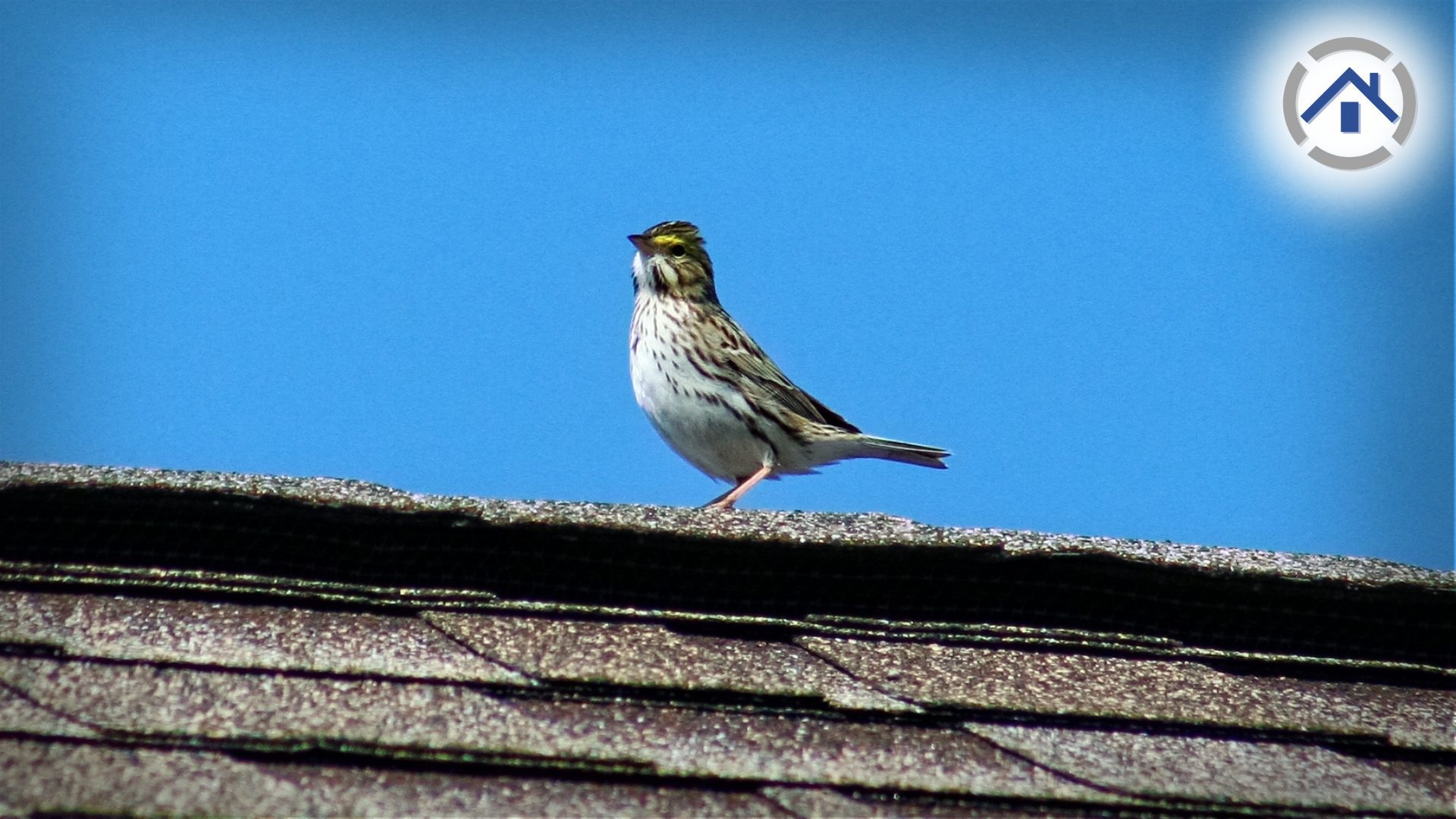
Birds on roofscan cause serious problems. Their droppingsare acidic and can damage roofing materials. Over time, this weakens the roof and may cause leaks. Birds also nest in gutters, blocking water flow and causing water damage.
Bird droppings carry harmful bacteriaand fungi. These can cause health issues for humans. Breathing dust from dried droppings may lead to respiratory problems. It is important to keep roofs clean to reduce these risks.
Noise from birdscan be loud and disturbing. Bird calls and flapping wings can interrupt sleep and daily activities. Constant noise may cause stress and annoyance for residents. Keeping birds away helps maintain a quiet, peaceful home environment.
Credit: www.modernexteriorroofing.com
Preventive Measures For Bird Control
Birds visit roofs mainly for food, shelter, and safety. Remove food sourceslike bird feeders, pet food, and uncovered garbage. Keep areas clean to avoid attracting birds.
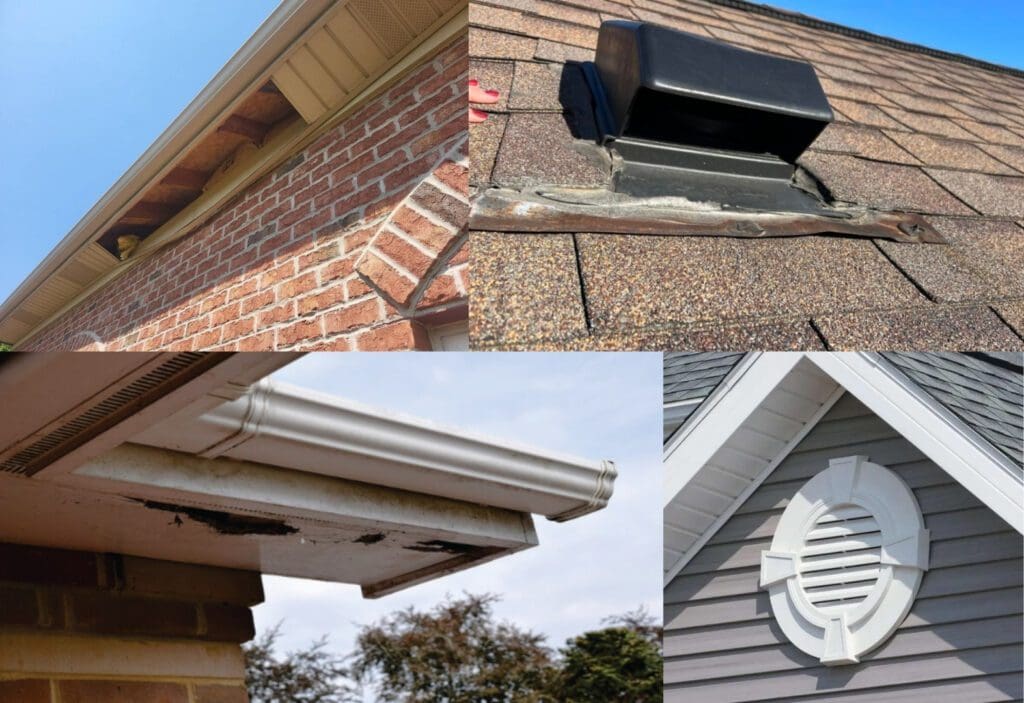
Seal entry pointswhere birds can enter, such as gaps, vents, and chimneys. Use wire mesh or caulk to block these spaces. This stops birds from nesting inside.
Trim overhanging branchesnear the roof. Birds use branches to perch and jump onto roofs. Cutting branches reduces their access and makes roofs less inviting.
Physical Deterrents For Roofs
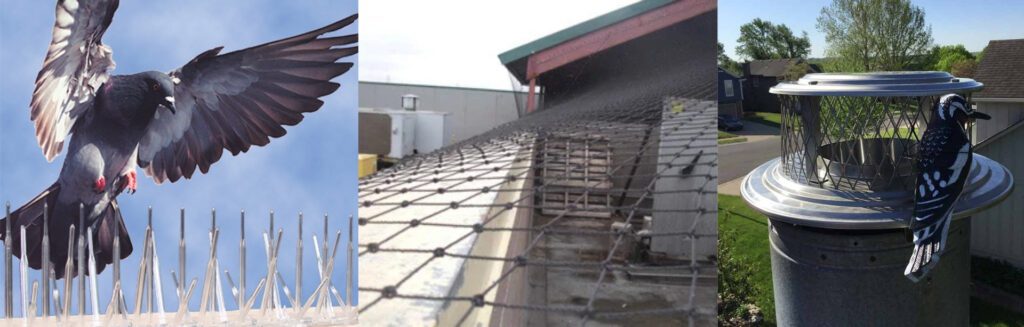
Physical barriers like spikes or netting stop birds from landing on roofs. These tools create an uncomfortable surface, encouraging birds to move elsewhere. Simple and effective, they protect your roof without harming the birds.
Bird Spikes Installation
Bird spikes are sharp and pointy. They prevent birds from landing. Easy to install on ledges and edges. Birds avoid places with spikes. Spikes come in different sizes and materials. Choose spikes that fit your roof type. They are safe for birds and effective.
Netting And Wire Systems
Netting keeps birds away from roofs. It covers areas birds like to land. Use strong nets that birds can’t break. Wire systems create barriers. Birds can’t perch on wires. Both methods are easy to set up. They protect roofs from bird mess.
Use Of Reflective Objects
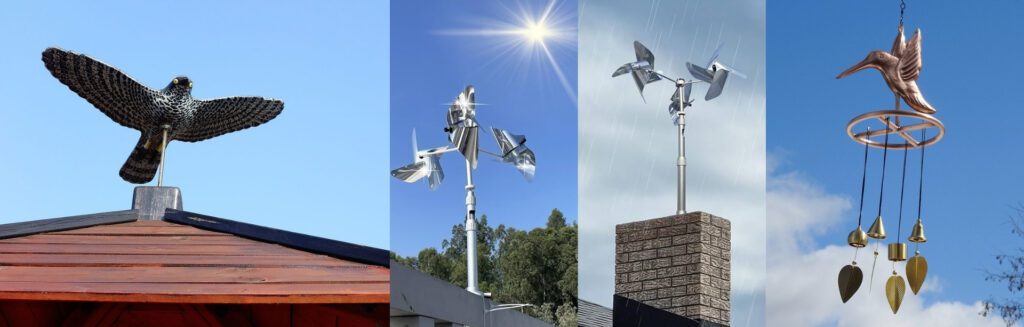
Reflective objects scare birds. Shine and movement confuse them. Hang CDs or mirrors on roofs. Light reflects and keeps birds away. Move objects often for best results. Reflective tape can also work. It’s shiny and easy to use.
Sound-based Bird Repellents
Ultrasonic devicessend sounds birds cannot hear but feel disturbed by. These sounds keep birds away without harming them.
Predator callsmimic sounds of bird enemies. Birds hear these calls and fly away to stay safe. This trick works well for many species.
Noise makerscreate sudden loud sounds. These noises scare birds and stop them from landing on your roof. Moving or random noises work best.
Chemical And Natural Repellents
Non-toxic sprays keep birds away without harming them. These sprays use safe ingredients that birds dislike. Spray them on roof edges and eaves. Avoid spraying near plants or water sources.
Essential oils like peppermint, eucalyptus, and citronella work well. Birds find these smells unpleasant. Mix a few drops with water and spray around your roof. Refresh the spray every few days for best effect.
Repellent gels create a sticky surface birds avoid. Apply gel on ledges and beams where birds perch. The gel is safe for birds but makes landing uncomfortable. Check and reapply the gel regularly, especially after rain.
Credit: www.modernexteriorroofing.com
Regular Maintenance Tips
Cleaning roof surfacesremoves dirt and food scraps that attract birds. Use a broom or hose to clear leaves and debris regularly. This keeps the roof dry and less inviting for birds to settle.
Inspecting for nestinghelps catch bird nests early. Check corners, vents, and gutters for any signs of bird activity. Removing nests quickly prevents birds from returning and causing damage.
Repairing damages promptlystops birds from using holes or gaps as entry points. Fix broken tiles, seal cracks, and replace worn materials. A well-maintained roof is harder for birds to settle on or inside.
When To Seek Professional Help
Persistent bird problemsneed expert help. Birds can cause damage to roofs. They can build nests in hard-to-reach places. Professionals have tools to remove birds safely and stop them from returning.
Safe removal of nestsis important. Some birds and their nests are protected by law. Experts know how to handle nests without harm. They follow rules to keep birds and homes safe.
| Legal Considerations | Details |
|---|---|
| Protected species | Many birds are protected by law. Removing nests may need permission. |
| Seasonal rules | Some times of year have restrictions on nest removal. |
| Fines and penalties | Breaking laws can lead to fines. Professionals help avoid this risk. |
Credit: www.modernexteriorroofing.com
Frequently Asked Questions
How Can I Stop Birds From Nesting On My Roof?
Use bird spikes, netting, or reflective objects to block nesting spots and keep birds away.
What Natural Methods Repel Birds From Rooftops?
Plants like lavender or using garlic spray can discourage birds without harming them.
Are Sound Devices Effective To Keep Birds Off Roofs?
Ultrasonic or distress call devices may work temporarily but birds can get used to them.
Conclusion
Keeping birds away from your roof takes patience and the right steps. Use bird deterrents like spikes or nets to block landing spots. Regular roof cleaning helps stop nests from forming. Sound and light devices can also scare birds away.
Check your roof often to spot new problems early. Protect your home and enjoy a bird-free roof. Simple actions make a big difference. Stay consistent, and your roof will stay safe and clean.