If you have a pet bird, you might wonder how to clip its wings safely and effectively. Wing clipping isn’t about hurting your feathered friend—it’s about keeping your bird safe while giving you peace of mind.
But how do you do it without causing stress or injury? You’ll discover simple, step-by-step guidance to help you clip your bird’s wings the right way. Keep reading to learn the best techniques that protect your bird and strengthen your bond.

Credit: chooks.co.nz
Reasons To Clip Bird Wings
Clipping a bird’s wings offers several safety benefits. It helps stop injuries from flying into windows or fans. Birds stay safer inside the home. It also reduces the chance of accidents outdoors.
Keeping birds from flying away is another key reason. Preventing escapekeeps birds safe from predators and getting lost. It gives owners peace of mind.
- Safety Benefits:Protects birds from harm.
- Preventing Escape:Stops birds from flying away.
- Behavioral Impact:Can calm overly active birds.
Clipping wings can also affect bird behavior. Some birds become calmer and less stressed. It may help with training and bonding between bird and owner.
Tools Needed For Wing Clipping
Choosing the right toolsis key for safe wing clipping. Sharp scissors work best to make clean cuts. Dull scissors can harm the bird’s feathers.
- Small grooming scissors:Easy to handle, good for delicate feathers.
- Sharp nail scissors:Help with precise trimming.
- Rounded-tip scissors:Safer to avoid cuts on the bird’s skin.
Other supplies needed:
| Supply | Purpose |
|---|---|
| Towel | To gently hold and calm the bird |
| Styptic powder | Stops bleeding if you cut too deep |
| Good lighting | Helps see feathers clearly |
Preparing Your Bird
Begin by creating a quiet environment. Play soft music to soothe your bird. Ensure the room is calm and free from sudden noises. Speak in a gentle voice to reassure your bird. Offer treats to distract and ease them. Patience is key, take slow steps to calm them.
Handle your bird with care and confidence. Use a soft towel to wrap them gently. Ensure their wings are secure but not too tight. Hold them with one hand supporting their body. Use the other hand to steady their wings. Keep movements slow and gentle to avoid stress.
Identifying Flight Feathers
Birds have two main types of flight feathers: primaryand secondary feathers. Primaries are the long feathers at the wing’s edge. They help the bird move forward and control direction. Secondaries are shorter and closer to the body. They provide lift for flying.
To clip wings safely, focus on primary feathers. Clipping these limits flying but does not hurt the bird. Avoid clipping secondaries or feathers near the body. This can cause pain or bleeding. Always clip the feathers just above the quick, the pink part inside the feather shaft. This keeps the bird safe and comfortable.
Step-by-step Clipping Process
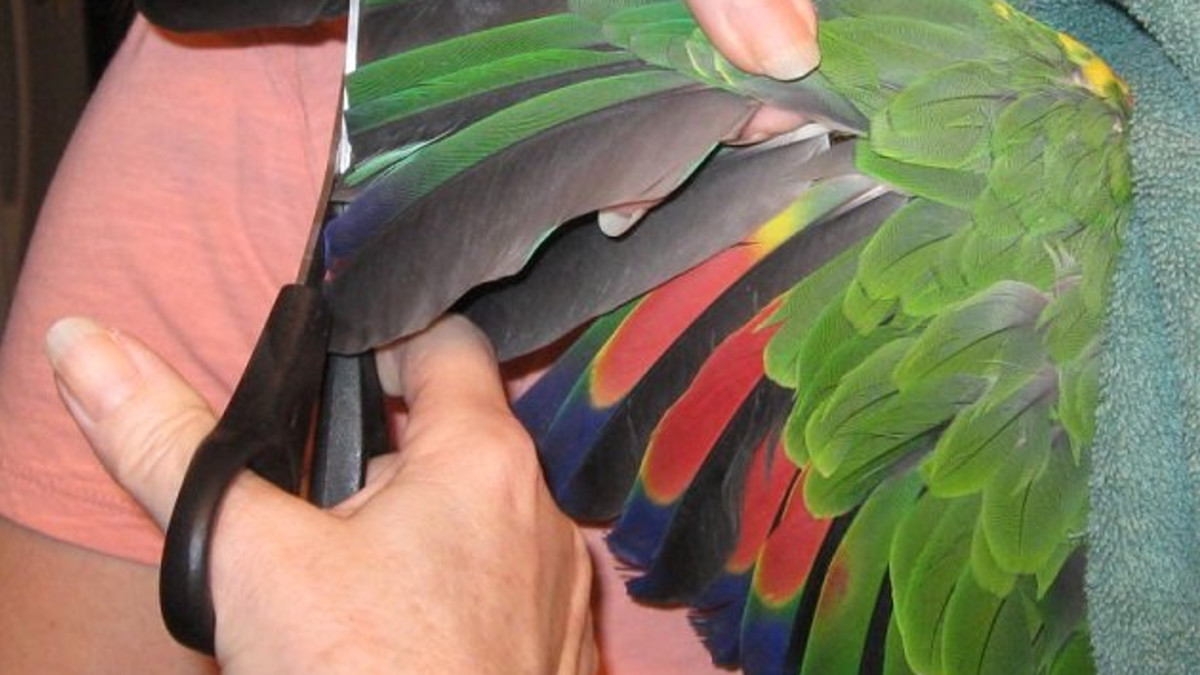
Begin with gathering necessary tools like scissors and towels. Hold the bird gently to avoid stress. Trim primary feathers carefully, ensuring not to cut too close to the wing. Check for balance by observing the bird’s movement post-clipping.
Positioning The Bird
Hold the bird gentlybut firmly to avoid stress. Use a towel to wrap the bird if needed. Keep the bird calm by speaking softly. Support the wings carefully to prevent injury.
Clipping Techniques
- Clip only the primary flight feathers.
- Use sharp scissors to make clean cuts.
- Trim feathers evenly on both wings for balance.
- Cut feathers about half their length to reduce flight.
Avoiding Blood Feathers
Look for feathers with a dark shaft and a blood supply. Never cut blood feathers. They cause pain and bleeding. If unsure, ask a vet or bird expert for help. Always have styptic powder ready in case of bleeding.
Credit: pethelpful.com
Post-clipping Care
Check the clipped wing immediately for any bleeding. Use a clean cloth or gauze to gently press on the wing if bleeding appears. Most bleeding stops quickly with pressure. If bleeding continues for more than a few minutes, seek help from a vet.
Keep the bird calm and quiet to help its recovery. Provide a warm, safe place away from loud noises and pets. Offer fresh water and food to keep the bird comfortable. Avoid handling the bird too much during this time.
- Watch the wing for swelling or redness
- Make sure the bird rests and does not fly
- Keep the bird in a familiar environment
- Check for signs of pain, like unusual quietness or fluffed feathers
Common Mistakes To Avoid
Over-clipping a bird’s wingscan cause serious harm. Cutting too many feathers stops flight and balance. Birds might fall and get hurt. It also makes them feel scared and weak. Only clip a few feathers at a time. Avoid cutting close to the skin or blood feathers. Blood feathers are new and have blood inside. Cutting these causes pain and bleeding.
Stress is a big problem during wing clipping. Birds feel scared by handling and new experiences. Keep the bird calm by speaking softly. Use gentle, slow movements. Give breaks if the bird struggles. Stop if the bird looks very stressed. A calm bird makes clipping safer and easier.

Credit: www.youtube.com
When To Seek Professional Help
Signs of injuryinclude bleeding, swelling, or limping. Birds that do not eat or move much may be hurt. Wings that hang oddly or do not move well need attention. Sudden changes in behavior can also signal problems.
Veterinary assistance is importantif injury signs appear. Experts can check for broken bones or infections. Proper care helps birds heal safely. Avoid trying to fix serious wounds alone.
Alternatives To Wing Clipping
Training and supervisionhelp birds learn safe behaviors without clipping. Teaching your bird to stay calm and come back when called is key. Spend time daily to build trust and improve obedience. Supervise your bird during flight to prevent accidents. This method supports natural flying skills and mental health.
Safe flight enclosurescreate secure spaces for birds to fly freely. These enclosures protect birds from dangers like windows and ceiling fans. They also prevent escape while allowing exercise. Flight enclosures can be indoors or outdoors, made with bird-safe materials. This option gives birds freedom and safety together.
Frequently Asked Questions
How Often Should I Clip My Bird’s Wings?
Wing clipping is usually done every 6 to 8 weeks to keep feathers trimmed and safe.
Can Wing Clipping Harm My Bird’s Health?
Proper clipping does not hurt birds if done carefully by a knowledgeable person.
Should I Clip All Feathers Or Only Some?
Only the primary flight feathers are clipped to limit flying but keep balance.
Conclusion
Clipping a bird’s wings takes care and patience. Always handle your bird gently and stay calm. Trim only a few feathers at a time to avoid harm. Watch your bird’s behavior after clipping to ensure comfort. Remember, wing clipping helps keep your bird safe indoors.
Regular checks keep wings healthy and prevent accidents. Trust yourself to learn with each clipping session. Your bird will appreciate your careful attention and love.