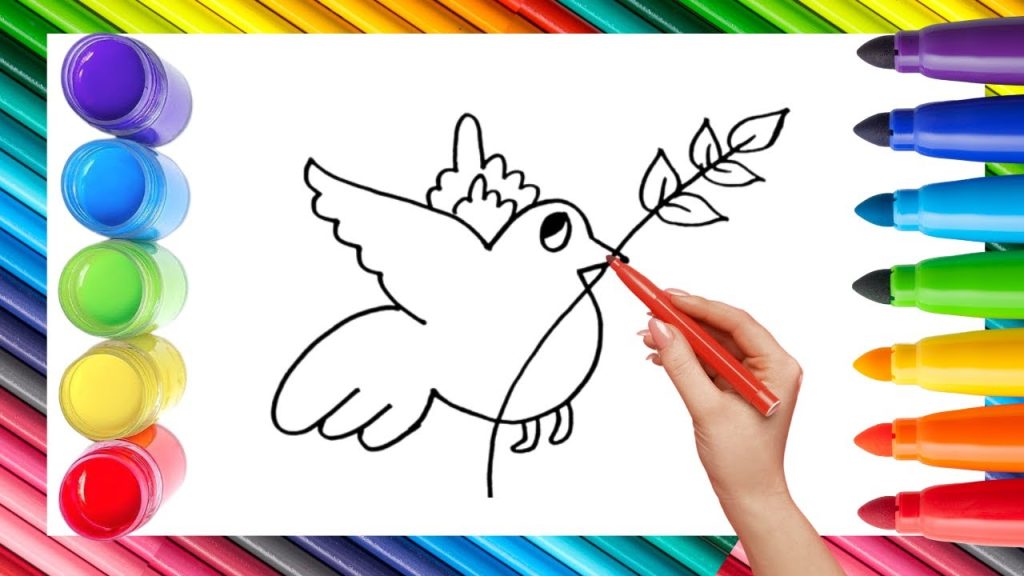
Have you ever wanted to bring the vibrant beauty of birds to life with your own colors? Coloring birds is not just fun—it’s a way to relax, express creativity, and connect with nature right from your own space.
Whether you’re a beginner or looking to improve your skills, this guide will show you simple, effective techniques to make your bird drawings pop. By the end, you’ll feel confident and inspired to create stunning, colorful birds that capture attention and spark joy.
Ready to transform your artwork? Let’s dive in!
Choosing Your Materials
Choosing the right coloring toolshelps create beautiful bird art. Colored pencils offer control and fine details. They blend colors well and are easy to erase. Markers give bright, bold colors but can bleed through paper. Crayons provide a soft texture and are great for beginners. Watercolors add a gentle, natural look but need special paper. Each tool suits different styles and effects.
The best paper is important too. Thick paper holds color better and prevents tearing. Smooth paper works well with markers and colored pencils. Textured paper is good for crayons and watercolors. Avoid thin or glossy paper as it can damage tools or smudge colors. Choose paper made for your coloring tools to get the best results.
Selecting Bird Species
Choosing the right bird species makes coloring more fun and creative. Some birds have simple colors, while others show bright and complex patterns. Popular birds to color include:
- Parrots:Known for bright reds, greens, and blues.
- Owls:Often brown and white with soft patterns.
- Robins:Famous for their red chests and brown feathers.
- Peacocks:Show vivid blues and greens with eye spots.
Bird colors vary in many ways. Some have stripes or spots. Others change colors during seasons. These patterns help birds hide or attract mates. Understanding these color variations helps create realistic and beautiful artwork.
Basic Coloring Techniques
Layering colorshelps create depth in bird feathers. Start with a light base color. Add darker shades slowly. Use thin layers to avoid thick paint. Let each layer dry before adding the next. This builds rich color without making the paint muddy.
Blending and shading bring life to your bird drawing. Blend colors smoothly with a soft brush or finger. Shade areas that catch less light for a 3D look. Use gentle strokes to mix colors softly. Darker colors near shadows make feathers look curved and real.

Credit: www.facebook.com
Adding Details And Texture
Fine lines and small strokes bring bird feathers to life. Using varied shades adds depth and makes colors appear natural. Texture helps show softness or roughness on the bird’s body.
Feather Patterns
Feathers have different shapes and sizes. Look closely at the bird’s wings. You can see small and big feathers. Big feathers are usually smooth. Small feathers might be fluffy. Use light strokes for fluffy feathers. Draw lines for smooth feathers. This shows how feathers look.
Highlighting And Shadows
Bright parts catch the light. Shadows make parts look dark. Use a bright color for highlights. Shadows need darker colors. Paint lightly for light spots. Use thicker paint for shadows. This helps the bird look real. Shadows and highlights give life to the bird.
Finishing Touches
Small mistakes can be fixed by gently using a clean brush or eraser. Lightly blend colors to soften harsh lines. Use a fine tip pen or pencil to redraw details that faded or smudged. Patience helps to improve the final look.
Protecting your bird artwork keeps colors bright and paper safe. Spray a thin layer of fixative from a distance to avoid smudging. Store your work in a dry place away from direct sunlight. Use a frame or plastic sleeve for extra safety.

Credit: www.youtube.com

Credit: www.youtube.com
Frequently Asked Questions
What Materials Do I Need To Color Birds Effectively?
You need colored pencils, markers, or watercolors, plus good paper and bird reference images.
How Can I Choose The Right Colors For Bird Drawings?
Look at bird photos to match colors closely. Use light layers for natural shading.
What Are Simple Steps To Start Coloring Birds?
Begin with light outlines, add base colors, then layer shadows and highlights carefully.
Conclusion
Coloring birds can be a fun and relaxing activity. It helps you notice their beautiful shapes and colors. Start with simple designs and use bright colors. Practice often to improve your skills. Remember to enjoy the process, not just the result.
This art brings you closer to nature’s beauty. Keep your materials ready and stay patient. Each bird you color tells a unique story. Try different styles and find what feels best. Happy coloring!