Have you ever looked up and wondered how birds manage to soar effortlessly through the sky? It’s amazing to think about how they lift off, glide, and change direction with such grace.
If you’ve ever been curious about the secret behind their flight, you’re in the right place. This article will reveal the simple yet fascinating science that makes bird flight possible. By the time you finish reading, you’ll see the sky in a whole new way—and maybe even impress your friends with what you’ve learned!
Credit: www.forewordreviews.com
Bird Anatomy For Flight
Wing structureis key for birds to fly. Wings are shaped to cut through air easily. The bones inside wings are thin and light. This helps birds stay up in the sky. Wings have strong joints that move in many ways.
Muscle powerdrives the wings. Birds have big chest muscles. These muscles push the wings down hard for lift. Smaller muscles pull the wings back up. This back-and-forth movement keeps birds flying.
Feathersplay a big role too. They cover the wings and body. Feathers are smooth and flexible. They help birds glide and steer while flying. Flight feathers are stiff and strong. They give the bird control and speed.

Credit: www.amazon.com
Lift And Thrust Mechanics
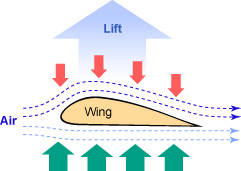
Generating liftis how birds stay in the air. Their wings are shaped to push air down. This creates an upward force called lift. The wing’s curved top makes air move faster over it. Faster air means less pressure above the wing. The higher pressure below pushes the bird up. This helps birds rise and stay up in the sky.
Creating thrusthelps birds move forward. Birds flap their wings to push air backward. This force moves the bird ahead. Strong wing muscles help flap fast and hard. The shape of the wings also helps cut through the air. Thrust and lift work together to keep birds flying smoothly.
Flight Patterns And Styles
Birds use different ways to fly. Some glide smoothly using air currents. Gliding saves energy by letting wind hold them up. Soaring is similar but birds circle in rising warm air. This helps them stay high without flapping wings much.
Flapping flightuses wing muscles to push air down. This lifts the bird and moves it forward. Small birds flap fast; bigger birds flap slower but stronger.
Hoveringmeans staying still in the air. Hummingbirds do this by flapping wings very fast in a figure-eight shape. It lets them drink nectar from flowers without moving.
Energy Efficiency In Flight
Birds travel far during migration. They save energy in special ways. Wing shapes help them glide smoothly. V-formation flying is smart. It reduces wind resistance. Birds take turns leading the group. This sharing helps them travel longer distances. Body fat is stored for long flights. It gives energy when food is scarce. Birds also rest and refuel at stops. This keeps them strong for the journey.
Birds use less energy by flying efficiently. Feathers are key. They reduce air drag. Light bones help birds stay airborne easily. Birds flap their wings less. They glide to save energy. Heart and lungs work well together. They provide needed oxygen during flights. Resting is vital. It lets birds recover and conserve energy. Birds are clever in how they fly. They use smart techniques to stay strong.
Environmental Factors Affecting Flight
Windplays a big role in bird flight. Birds use it to glide and save energy. Strong winds can make flying hard or even dangerous. Birds may change their path to avoid bad weather.
Weatheraffects how birds fly. Rain and storms can slow them down. Bright sunlight helps birds see better and fly more easily. Cold weather can make flying tiring.
- Obstacleslike trees and buildings need careful navigation.
- Birds use their sharp eyes to spot obstacles early.
- They adjust their wings and speed to avoid crashing.
- Navigationdepends on the sun, stars, and Earth’s magnetic field.
- Birds remember landmarks to find their way during long trips.
Credit: medium.com
Frequently Asked Questions
How Do Birds Generate Lift To Fly?
Birds lift themselves by flapping wings that push air down, creating upward force called lift.
Why Do Birds Have Lightweight Bones?
Birds have hollow bones to reduce weight, making flying easier and more energy-efficient.
How Do Birds Control Their Flight Direction?
Birds use tail feathers and wing adjustments to steer, balance, and change flight direction smoothly.
Conclusion
Birds fly by using their wings to push against the air. Their feathers help catch the wind and lift them up. Muscles in their wings move in a way that creates lift and thrust. Flying takes energy and practice for birds to stay in the sky.
Understanding how birds fly shows us nature’s amazing design. Next time you see a bird soaring, remember the simple science behind its flight. Flight is a mix of strength, shape, and motion working together. It’s a beautiful example of how animals adapt to their world.