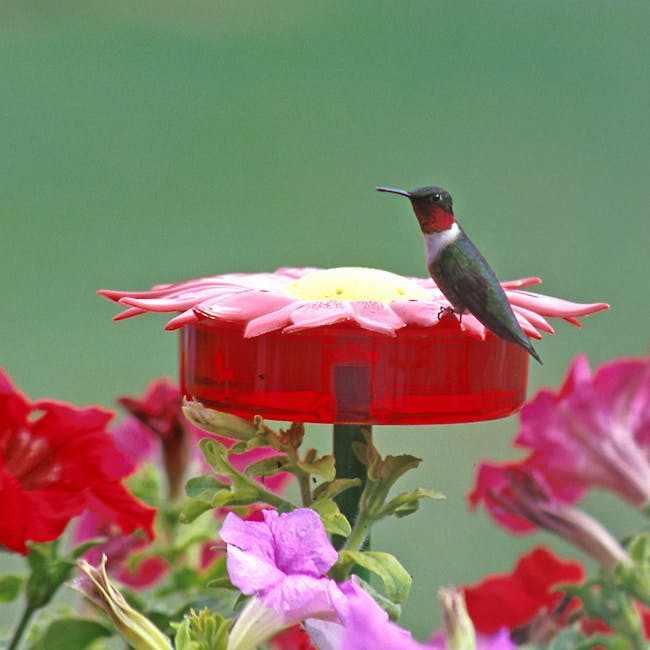
Have you ever noticed sticky spots or puddles around your hummingbird feeder and wondered, “Why does my hummingbird feeder leak?” It can be frustrating to see your feeder dripping nectar everywhere, wasting your hard-earned sugar water and attracting unwanted insects.
But don’t worry—understanding the common reasons behind these leaks can help you fix the problem quickly. You’ll discover simple tips to stop leaks, keep your feeder clean, and enjoy watching hummingbirds without the mess. Keep reading to learn how to protect your feeder and make your backyard a hummingbird haven.
Common Causes Of Leaks
Cracks and damagein the feeder often cause leaks. Small cracks let nectar drip out easily. These cracks can happen from drops or harsh weather. Check the feeder’s body and ports carefully for damage.
Improper assemblyis another common cause. If the feeder parts are not put together correctly, nectar can leak through gaps. Make sure all pieces fit snugly and are tightened well.
Worn seals and gasketslose their ability to stop leaks over time. These parts form a tight barrier. When they get old or cracked, nectar escapes. Replacing seals regularly helps keep feeders leak-free.

Credit: www.facebook.com
Design Flaws To Watch For
Poor ventilationcan cause pressure to build inside the feeder. This pressure forces nectar out through small holes, leading to leaks. Feeder designs that don’t allow air to flow freely often have this issue.
Inadequate drainagemeans nectar may pool in unwanted areas. This pooling causes sticky messes and attracts ants or bees. Feeders without proper drainage holes or channels often leak more.
| Material Quality | Effect on Leaking |
|---|---|
| Cheap plastic | Can warp or crack easily, causing leaks. |
| Soft rubber seals | May wear out fast, losing tightness. |
| Low-quality paint or coatings | Can peel and let nectar seep through. |
Environmental Factors
Changing weather and temperature shifts cause hummingbird feeders to expand and contract, leading to leaks. Exposure to wind and rain can also wear down seals, making feeders drip. Placing feeders in sheltered spots helps reduce damage from these environmental factors.
Temperature Changes
Temperature shiftscan cause the feeder’s plastic to expand and contract. This movement often creates small gapswhere nectar can leak out. Cooler nights followed by hot days can worsen this effect. Keep feeders in stable temperature areas to reduce leaks.
Wind And Weather
Strong windscan shake the feeder, causing nectar to spill. Heavy rain can mix with nectar and cause overflow. Protect feeders by placing them in sheltered spotsaway from harsh weather elements.
Placement Issues
Placing feeders on uneven surfacesor near branches that move can cause leaks. Ensure feeders hang straight and are stable. Avoid spots where birds can knock the feeder while feeding.

Credit: www.facebook.com
Maintenance Tips To Prevent Leaks
Leaks often happen because the feeder is dirty or parts don’t fit well. Regular cleaning and checking seals can stop leaks. Tightening loose parts and placing the feeder correctly also helps keep nectar inside.
Regular Cleaning
Hummingbird feeders need cleaning every few days. Use warm water and mild soap. Scrub all parts gently. Rinse well to remove soap. Clean feeders keep birds healthy.
Checking For Damage
Inspect feeders for cracks and breaks. Look for loose parts. Damaged feeders may leak. Fix or replace broken feeders. Ensure the feeder is safe for birds.
Proper Assembly Techniques
Ensure all parts fit snugly together. Follow instructions carefully. Secure lids and bases tightly. Loose parts can cause leaks. Proper assembly prevents spills.
Choosing The Right Feeder
Choosing the right hummingbird feeder helps stop leaks. The materialof the feeder affects how well it holds nectar. Plastic feeders are light but may crack over time. Glass feeders last longer and do not absorb odors.
Seal qualityis very important. A tight seal keeps nectar inside and prevents dripping. Check the lid and feeding ports for secure fits. Poor seals cause leaks and waste nectar.
- Read user reviewsto find reliable feeders.
- Look for feeders with many positive ratings on seal and durability.
- Reviews often mention if a feeder leaks or works well.
- Choose models recommended by experienced bird watchers.

Credit: www.youtube.com
Frequently Asked Questions
Why Does My Hummingbird Feeder Leak Nectar?
Leaking often happens due to cracks, loose parts, or overfilling the feeder. Check seals and clean regularly.
How Can I Stop My Hummingbird Feeder From Leaking?
Use a feeder with good seals, avoid overfilling, and clean all parts before refilling to prevent leaks.
Does Temperature Affect Hummingbird Feeder Leaks?
Yes, heat can cause nectar to expand and leak. Place feeders in shaded, cool spots to reduce leaks.
Conclusion
A leaking hummingbird feeder can cause frustration and waste nectar. Small cracks, worn seals, or improper assembly often cause leaks. Regular cleaning and careful handling help prevent problems. Check the feeder parts to find the leak source quickly. Fixing leaks keeps hummingbirds happy and safe.
Enjoy watching these tiny birds without mess or fuss. Simple care makes a big difference for your feeder’s performance. Keep your feeder dry and full for the best hummingbird visits.