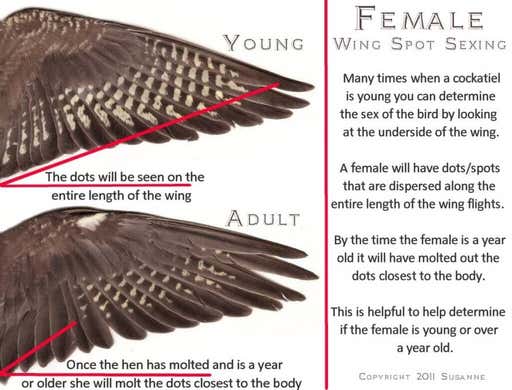
Have you ever wondered how to tell if your bird is a boy or a girl? Knowing your bird’s sex can help you understand its behavior, health needs, and even how it might interact with other birds.
But sexing a bird isn’t always as simple as it seems. If you want clear, easy tips to identify your feathered friend’s gender, you’re in the right place. Keep reading, and you’ll discover straightforward methods that anyone can use—no special tools or experience needed.
Your bird’s true identity is just a few steps away!

Credit: www.reddit.com
Bird Sexing Basics
Bird Sexing BasicsSexing birds is an important task for bird owners. Birds can live up to 10 years or more, and sexing helps in understanding their behavior and needs.
Male and female birds have different characteristics, which can be observed closely to determine their sex. Some bird species are easier to sex than others.
Bird sexing is not a complex task, but it requires attention to detail. It is essential to know the characteristics of male and female birds to sex them accurately.
Male birds are generally larger and have brighter colors than female birds. They also have more prominent beaks and longer tails.
Female birds are generally smaller and have duller colors than male birds. They also have shorter beaks and shorter tails.
Some bird species, such as parrots and cockatiels, are relatively easy to sex. However, some species, such as canaries and finches, can be more challenging to sex.
Bird sexing can be done by observing the bird’s physical characteristics, such as its size, color, and beak shape. It can also be done by examining the bird’s behavior and vocalizations.
- Male birds are generally more aggressive and dominant.
- Female birds are generally more docile and calm.
- Male birds are more likely to sing and make loud sounds.
- Female birds are more likely to chirp and make soft sounds.
It is essential to sex birds accurately to provide them with the right care and attention. Proper care can help birds live longer and healthier lives.

Credit: www.reddit.com
Visual Differences
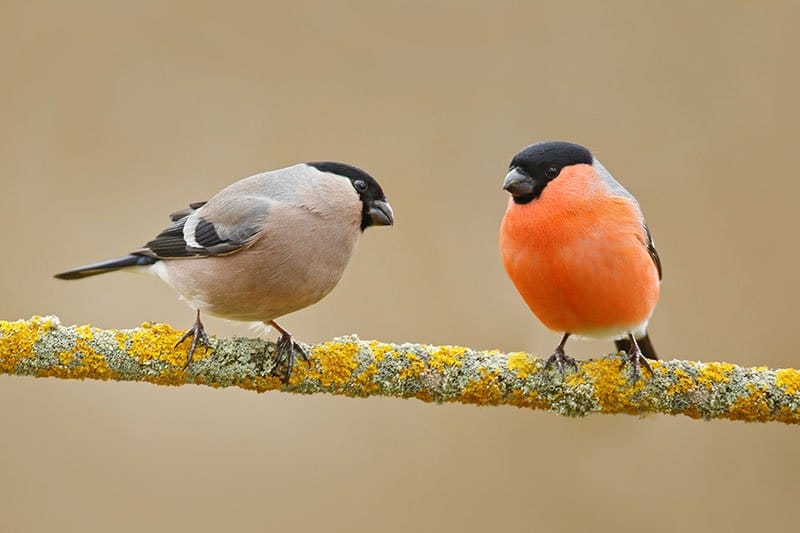
Color and plumage patternsoften help tell male and female birds apart. Males usually have brighter and more vivid colors. Females tend to have duller or camouflaged feathersto blend into nests. Some species show distinct color patcheson males only.
Size and shape variationscan also be clues. Males might be larger or bulkierin many species. Females sometimes have rounder bodiesor shorter tails. These differences are subtle but useful when combined with other signs.
- Malesmay have longer wings or sharper beaks.
- Femalesmight show softer feather edges or smaller heads.
Behavioral cluesprovide hints too. Males often sing louderor perform courtship displays. Females might stay close to the nestor show brooding behavior. Watching how birds act helps confirm their sex.
Physical Examination Techniques
The cloaca is an important part of a bird’s body. Experts check this area to determine a bird’s sex. Males usually have a bump near the cloaca. This bump is called a papilla. Females do not have this bump. It takes a careful look to see it.
Birds have unique wing and feather patterns. Males often have brighter feathers. Females may have duller colors. Inspect the wing shape closely. Males might have sharper wing tips. These tips help them in flying faster. Feather shine can also give clues about gender. Shine and color can vary greatly.
Credit: www.birdspot.co.uk
Advanced Methods
Bird sexing is a delicate process that requires a keen eye and knowledge of subtle physical characteristics. Sexing birds involves examining the shape and size of the tail feathers, the beak’s shape and color, and the presence of certain secondary sex characteristics.
These distinct features can help determine the bird’s sex with accuracy.
Dna Testing
DNA testingis a very accurate way to tell a bird’s sex. A small feather or blood sample is needed. The sample is sent to a lab for analysis. Results usually come back in a few days. This method works for almost all bird species. It is painless and safe for the bird. Many bird owners use this for pets or breeding.
Endoscopic Sexing
Endoscopic sexinginvolves using a small camera. A vet inserts a thin tube with a light into the bird’s body. The camera shows the bird’s internal organs. This lets the vet see if the bird is male or female. It requires anesthesia and skill. This method is fast and very reliable. It is often used for birds that are hard to sex by other ways.
Sexing Specific Bird Species
Sexing specific bird species often depends on size, color, or behavior differences between males and females. Observing plumage patterns or listening to calls can help identify a bird’s sex accurately. Some species require closer examination or expert help for correct sexing.
Parrots And Parakeets
Parrots and parakeetsshow differences in size and color. Males often have brighter feathers. Females may have a rounder body shape. Some species need a DNA test for accuracy. Watching their behavior helps: males usually sing more and display courtship moves.
Finches And Canaries
Male finches and canariesoften sing loudly and build nests. Females tend to be quieter. Color differences can be subtle. Males usually have brighter colors. Watching their actions during breeding season helps identify sex.
Raptors And Waterfowl
| Bird Type | Male Traits | Female Traits |
|---|---|---|
| Raptors | Smaller size, more vocal | Larger size, less vocal |
| Waterfowl | Brighter plumage, louder calls | Duller feathers, quieter behavior |
Size and color differences are key. Observation during mating helps a lot.
Ethical Considerations
Handling birds safelymeans being gentle and calm. Use clean hands and a soft grip. Avoid loud noises that can scare birds. Support their body well to stop injury. Never hold a bird too tight or for too long. Check the bird’s comfort often.
Knowing when to seek expert helpis very important. If unsure about sexing a bird, ask a vet or bird expert. Signs of stress or injury need immediate care. Professionals have tools and skills to help safely. Don’t risk the bird’s health by guessing.
Frequently Asked Questions
How Can I Tell A Bird’s Sex By Its Physical Traits?
Male and female birds often have different colors or sizes. Males may be brighter or larger.
What Are Common Behaviors To Identify Bird Sex?
Males usually sing more and show off feathers. Females tend to be quieter and less flashy.
Can Dna Testing Confirm A Bird’s Sex Accurately?
Yes, DNA tests from feathers or blood give exact sex results for any bird species.
Conclusion
Sexing a bird requires careful observation and patience. Understanding the differences between male and female birds helps breeders make informed decisions. Determining the sex of birds at a young age can prevent breeding mistakes. Accurate sexing is crucial for bird enthusiasts and breeders alike.
By following these steps, you can confidently determine the sex of your bird. This knowledge will help you make informed decisions about breeding and caring for your birds. By being aware of the sex of your bird, you can provide the best possible care and environment.
With practice and patience, you can become skilled at sexing birds.