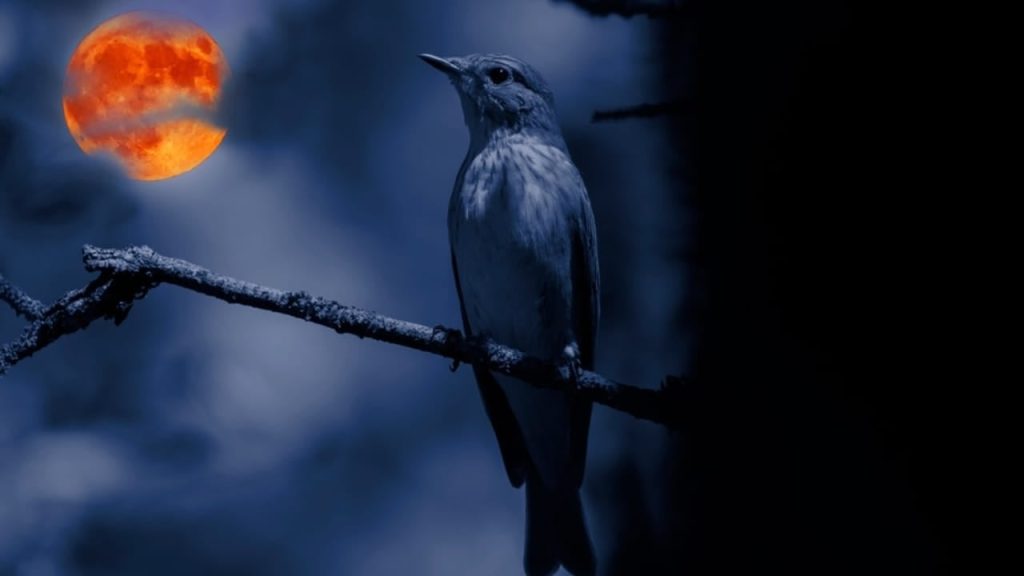
Have you ever found yourself lying awake at night, wondering why you can hear birds chirping when it’s supposed to be quiet? It’s a curious sound that doesn’t seem to fit the usual night-time calm.
If you’re asking, “Why do I hear birds chirping at night? ” you’re not alone. Understanding this surprising behavior can change the way you experience your surroundings after dark. Keep reading, and you’ll discover the fascinating reasons behind those unexpected night-time bird songs—and what they might mean for you and your environment.

Credit: ttnature.com
Birds Active At Night
Some birds are active at night. These are called nocturnal birds. They have special eyes to see in the dark. Their ears are sharp too. Night sounds help them find food and talk to others.
Examples of nocturnal bird speciesinclude owls, nightjars, and some types of frogsmouths. These birds sing or chirp after dark to mark their territory or attract mates. Their calls can be loud and clear.
Birds may chirp at night for several reasons:
- To communicatewith other birds nearby.
- To warnabout danger or predators.
- To find a mateduring their breeding season.
- To claim territoryand keep others away.

Credit: worldanimalfoundation.org
Environmental Influences
Urban lightingcan trick birds into thinking it is daytime. Street lamps and building lights disrupt their natural sleep. This causes birds to chirp at night more often. Bright lights confuse their internal clock, making them active after dark.
Weather conditionsalso affect bird sounds at night. Warm and calm nights encourage more chirping. Rain or strong winds usually quiet birds down. Changes in weather can signal birds to communicate or warn others.
| Environmental Factor | Effect on Night Chirping |
|---|---|
| Urban Lighting | Confuses birds, extends activity into night |
| Warm Weather | Increases bird chirping at night |
| Rain or Wind | Reduces or stops night chirping |
Bird Communication At Night
Birds chirp at night to communicate with each other or mark their territory. Some species are active during nighttime, using sounds to find mates or warn of danger. This nighttime singing helps them stay connected even in the dark.
Mating Calls And Territory Signals
Birds use nighttime chirpingto find mates and claim space. Male birds often sing to attract females. These songs show strength and health. Chirping also warns other birds to stay away. This helps keep their territory safe and free from rivals.
Warning And Alarm Sounds
Birds make alarm soundsto warn others of danger. These sounds can alert nearby birds about predators. Chirping at night can mean a threat is close. It helps birds stay alert and safe. Quiet nights can turn noisy quickly with these signals.
Common Night Chirping Birds
Owls are famous for their hooting sounds. They hunt when it’s dark. Nightjars are another bird that sings at night. Their calls can sound like a spinning wheel. They are active when the sun sets. Both birds have good night vision. This helps them find food in the dark.
Mockingbirds can mimic other bird songs. They sing both day and night. Their songs can be long and varied. Thrashers are similar to mockingbirds. They sing loudly and clearly. They are active at dusk and dawn. Both birds are known for their musical talents.
Human Factors And Bird Behavior
Light pollutionis a major reason birds sing at night. Bright city lights confuse their natural rhythms. Birds think it’s still daytime, so they keep chirping. This disrupts their sleep and can cause stress.
Urbanizationchanges bird behavior. Cities offer food and fewer predators, so birds stay active longer. They may start singing at night to claim territory or find mates. This is different from birds in quiet, dark places.
| Effect | Description |
|---|---|
| Light Pollution | Artificial lights trick birds into thinking it is daytime |
| Food Availability | City food sources allow birds to stay active at night |
| Reduced Predators | Fewer threats in cities make birds feel safer to sing at night |
| Territorial Behavior | Birds sing at night to mark territory or attract mates |
How To Reduce Nighttime Bird Noise
Birds chirp at night due to artificial lights or loud noises that confuse their natural rhythms. Reducing outdoor lighting and minimizing noise can help lower nighttime bird sounds. Closing windows and using white noise machines also create a quieter environment indoors.
Using Sound Barriers
Sound barrierslike fences or thick bushes can help block bird sounds. Place these barriers near windows or outdoor seating areas. They absorb and reduce noise, making nights quieter. Walls made of wood or concrete work well. Plants such as tall shrubs also create natural sound walls. This helps keep bird chirping from reaching your ears.
Adjusting Outdoor Lighting
Bright lightsat night attract birds. Use dim or warm-colored lights outside. Turn off unnecessary lights during night hours. Motion-sensor lights can help by only turning on when needed. This reduces the chance of birds staying near your home. Less light means fewer birds and less noise.
Credit: spiritualmeaningportal.com
Frequently Asked Questions
Why Do Birds Chirp At Night Sometimes?
Birds chirp at night to communicate, mark territory, or attract mates when it is safe and quiet.
Which Birds Are Most Likely To Sing At Night?
Nightingales, mockingbirds, and owls often sing or call during the night hours.
Can Artificial Light Cause Birds To Chirp At Night?
Yes, streetlights and city lights can confuse birds, making them active and vocal at night.
Conclusion
Birds chirp at night for many reasons. Some sing to mark their space or find mates. Others may react to lights or noise nearby. Night sounds can feel strange but are normal. Listening closely helps us learn about nature’s rhythms.
Next time you hear night chirping, remember it’s part of the bird’s world. Nature never truly sleeps, and birds show us that clearly. Keep enjoying these quiet moments and the stories they tell.