Have you ever wondered what bird represents the beautiful state of Vermont? Knowing the Vermont state bird is more than just a fun fact—it connects you to the region’s nature and history in a special way.
Imagine spotting this bird on a hike or in your backyard and feeling a deeper bond with Vermont’s landscape. You’ll discover everything about Vermont’s state bird, why it was chosen, and what makes it unique. Keep reading, and you’ll see why this little creature holds a big place in Vermont’s heart—and maybe yours too.

Credit: www.facebook.com
Vermont State Bird Identity
The Vermont State Birdis the Hermit Thrush. This bird is known for its beautiful songand distinctive reddish tail. It is a small, brown bird with a spotted chest. The Hermit Thrush lives in forests and woods across Vermont.
This bird was chosen because it is common in Vermontand loved for its melodic tunes. Its song sounds like a soft flute, which makes it special to many people. The Hermit Thrush is also a symbol of peace and natural beauty.
- Size: About 7 inches long
- Color: Brown with a reddish tail
- Habitat: Forests and woodlands
- Song: Clear, flute-like melody
Physical Features And Appearance
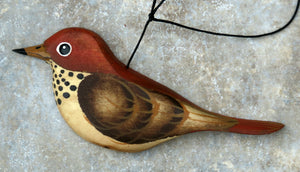
The Vermont state bird is the Hermit Thrush. It has a brown backand a reddish tail. Its breast is pale with dark spots. The bird is about 7 inches long. It has a small, straight bill. The Hermit Thrush’s eyes are dark and round.
This bird’s wings are short and rounded. Its legs are thin and strong. The Hermit Thrush hops on the groundwhen it searches for food. It has a soft, flutelike song. The bird’s feathers help it blend into the forest floor.
Habitat And Behavior
The Vermont state bird is the Hermit Thrush. It lives in forests with tall trees. These birds prefer cool places with lots of shade. They are most active during dawn and dusk. Hermit Thrushes eat insects and berries. They can also sing beautiful songs.
Hermit Thrushes build nests on the ground. They hide them under bushes or logs. This helps protect them from predators. The nest is made of twigs, leaves, and grass. Hermit Thrushes are shy and secretive birds.
In winter, they migrate to warmer places. They travel long distances to find food. During migration, they fly in small groups. Hermit Thrushes return to Vermont in spring.
Cultural Significance In Vermont
The Vermont state birdholds a special place in local culture. It symbolizes nature’s beautyand the state’s wildlife heritage. People see this bird often in parks and forests. It reminds them of Vermont’s peaceful countryside and fresh air.
This bird appears in art, stories, and crafts. School kids learn about it to understand local life better. Festivals sometimes feature the bird in decorations and songs. It helps bring communities together, celebrating Vermont’s natural world.
- Represents Vermont’s forests and wildlife
- Seen as a symbol of freedom and nature
- Used in local art and education
- Connects people to Vermont’s environment
Conservation And Protection Efforts
The Vermont state bird, the Hermit Thrush, benefits from strong conservation efforts. Protecting its natural habitatis key. Forest areas are preserved to keep safe places for these birds.
Local groups help by:
- Planting native trees and plants.
- Stopping harmful chemicals near forests.
- Watching bird populations closely.
- Teaching people about bird safety.
These efforts keep the Hermit Thrush healthy and safe. They help the bird live and sing across Vermont for many years.

Credit: www.facebook.com
Credit: starrdecoys.com
Frequently Asked Questions
What Bird Is The Vermont State Bird?
The Vermont state bird is the Hermit Thrush, known for its beautiful song.
Why Was The Hermit Thrush Chosen As Vermont’s Bird?
The Hermit Thrush was chosen for its common presence and sweet melody in Vermont.
Where Can You See The Vermont State Bird?
You can see the Hermit Thrush in forests and woodlands across Vermont year-round.
Conclusion
The Vermont state bird is a symbol of nature’s beauty. It represents the state’s wildlife and peaceful forests. People enjoy spotting this bird during walks and hikes. Knowing about the bird helps us appreciate Vermont’s environment more. It reminds us to protect animals and their homes.
Everyone can learn from this simple, special bird. It connects us to the natural world every day.