Have you ever wondered what bird represents the spirit of Massachusetts? Knowing the state bird can give you a deeper connection to the place and its natural beauty.
You’ll discover the Massachusetts state bird, why it was chosen, and some fascinating facts that might surprise you. Whether you’re a bird lover or just curious, understanding this symbol will make you see Massachusetts in a whole new light. Keep reading to find out more!

Credit: www.instagram.com
Massachusetts State Bird
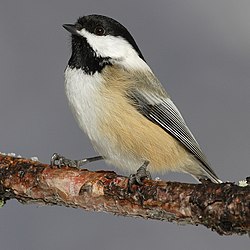
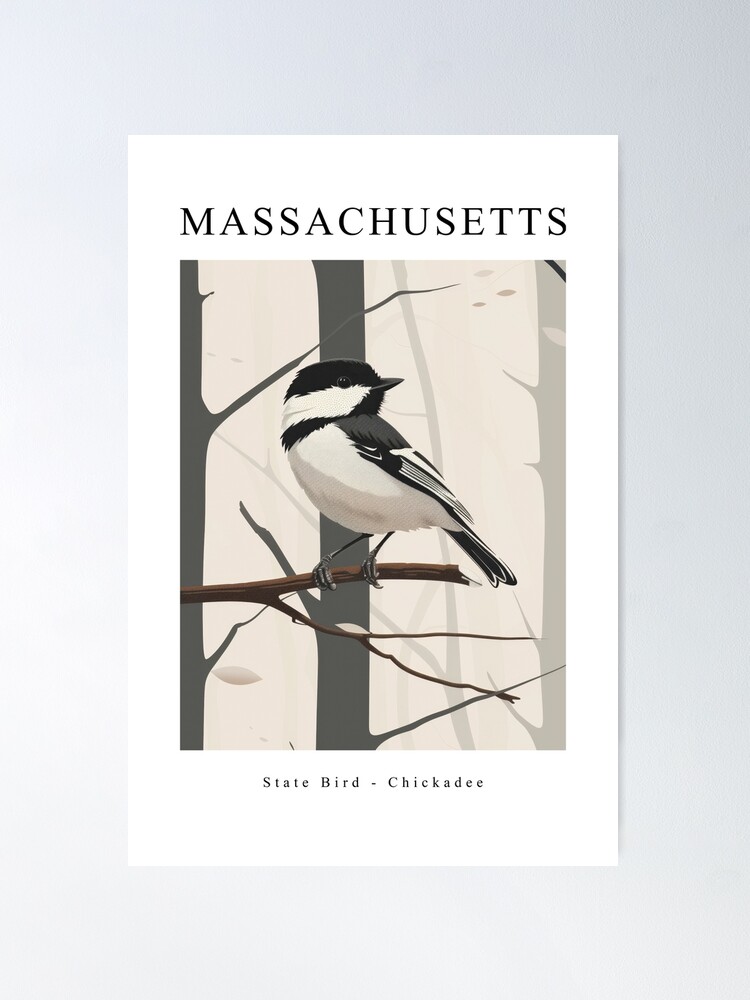
The Massachusetts state birdis the Black-capped Chickadee. This small bird is loved for its cheerful song and friendly nature. It is easy to spot in forests and backyards. The chickadee has a black cap and bibwith white cheeks. It is about 5 inches long and weighs less than an ounce.
The bird was chosen in 1941 because it is common and easy to recognize. It stays in Massachusetts all year, even in cold winters. People enjoy watching chickadees because they are curious and brave.
- Scientific name: Poecile atricapillus
- Size: about 5 inches
- Color: black, white, and gray
- Habitat: forests, parks, and gardens
- Diet: insects, seeds, and berries
History Of The State Bird
The Massachusetts state bird is the Black-capped Chickadee. This small bird was chosen in 1941. It is well known for its friendly natureand distinctive call. The bird’s name comes from its unique “chick-a-dee-dee-dee” sound.
The chickadee lives in many parts of Massachusetts. It can survive cold winters. People enjoy watching this bird at feeders during winter months. The bird symbolizes hardinessand adaptability.
Choosing the Black-capped Chickadee shows the state’s love for natureand wildlife. It also highlights the bird’s role in the local ecosystem.
Physical Features
The Massachusetts state bird is the Black-capped Chickadee. It is a small bird with a round body and a short neck. The size is about 5 inches long, making it easy to spot in the wild.
The shape is quite compact with a short tail and a strong beak. This bird is known for its quick movements and agility.
| Feature | Description |
|---|---|
| Color | Black cap and bib, white cheeks, gray back and wings |
| Markings | Clear contrast between black and white on the head |
| Distinctive Traits | Friendly nature, curious behavior, and a unique “chick-a-dee-dee-dee” call |

Credit: www.birdsandblooms.com
Habitat And Distribution
The Massachusetts state bird, the Black-capped Chickadee, lives in forests and woodlands. It is common across the northeastern United States, including Massachusetts. This small bird adapts well to both rural and suburban areas.
Preferred Environments
The Massachusetts state bird loves woods and fields. It often nests in tall trees. Open areas are also popular choices. Birds need space for flying and hunting. They eat seeds, fruits, and insects. Water sources like ponds and rivers attract them. Birds feel safe in quiet places. They avoid busy cities and loud noises.
Range In Massachusetts
These birds are found all over Massachusetts. They live in forests and near farms. Coastal areas are also home for them. In winter, they move to warmer places. Some stay in Massachusetts year-round. Their range covers the whole state. Birds adapt to different climates and terrains.
Behavior And Diet
The Massachusetts state bird is the Black-capped Chickadee. It has unique feeding habits. This bird eats mainly insects, seeds, and berries. It can hang upside down to reach food on branches. Chickadees often store seeds for later use. They visit bird feeders during winter months.
During the breeding season, chickadees build nests in tree holes. Both parents help to feed the young. The female lays about 6-8 eggs. Baby birds grow fast and leave the nest in about two weeks.
Chickadees show some migration patterns. Some move south in winter, but many stay in Massachusetts. They adapt well to cold weather by fluffing their feathers to keep warm.
Cultural Significance
The Massachusetts state bird is the Black-capped Chickadee. It holds a special place in the hearts of many residents. This small bird symbolizes curiosityand friendliness. It is often seen in backyards and forests across the state.
The chickadee’s cheerful call is a familiar sound during all seasons. It represents the spirit of communityand adaptability. People feel a connection to the bird because it thrives in both cities and wild areas.
- The bird appears in local stories and children’s books.
- Many use its image in art and crafts to celebrate nature.
- It is a symbol of resilienceduring harsh winters.
In local traditions, the chickadee is a sign of good luck. Some believe hearing its call brings peaceand joy. The bird often features in educational programs about wildlife in Massachusetts schools.
Conservation Status
The Massachusetts state bird, the Black-capped Chickadee, is not endangered. It thrives well across many habitats and is common in the region. Conservation efforts help keep its population stable and healthy.
Population Trends
The Massachusetts state bird has shown steady population growth over the years. Conservation groups monitor their numbers closely. Some areas report stable populations, while others see slight increases. Loss of habitat once caused declines. Now, many efforts help these birds thrive. Regular surveys track changes yearly.
Protection Efforts
- Protected areas help keep habitats safe.
- Laws prevent hunting or harming the birds.
- Volunteers plant trees and restore habitats.
- Public education raises awareness about the bird.
- Scientists study the birds to guide protection plans.
Credit: www.redbubble.com
Frequently Asked Questions
What Is The Massachusetts State Bird?
The Massachusetts state bird is the Black-capped Chickadee. It was officially designated in 1941. This small bird is known for its distinctive call and friendly nature.
Why Was The Black-capped Chickadee Chosen?
The Black-capped Chickadee was chosen for its widespread presence. It is common in Massachusetts and symbolizes resilience and friendliness, qualities valued by the state.
Where Can I See The Massachusetts State Bird?
You can spot the Black-capped Chickadee in forests, parks, and backyards across Massachusetts. It is active year-round and easy to recognize by its black cap and white cheeks.
What Does The Black-capped Chickadee Eat?
The Black-capped Chickadee primarily eats insects, seeds, and berries. It adapts well to different environments and often visits bird feeders in winter.
Conclusion
The Massachusetts state bird is the Black-capped Chickadee. It is small but full of charm. This bird sings a cheerful, clear song. People in Massachusetts enjoy watching it in winter. The Chickadee shows how nature stays strong through cold days.
Knowing this bird helps us appreciate local wildlife more. It connects us to the state’s natural beauty. Keep an eye out for this friendly bird. It’s a simple symbol of Massachusetts pride and nature.