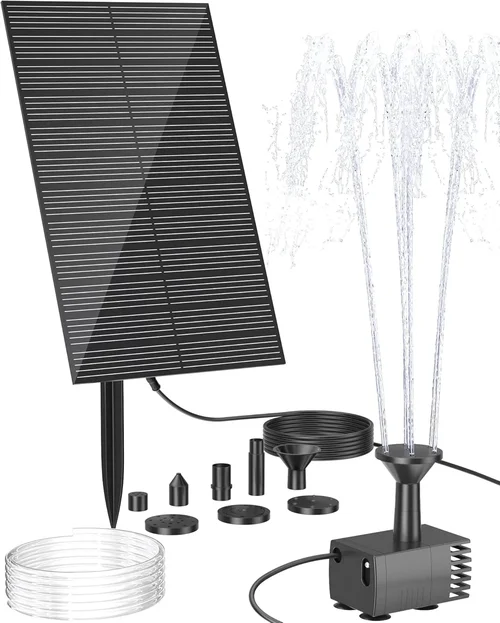
Creating a serene and vibrant outdoor space often involves attracting local wildlife, and few additions offer as much charm and ecological benefit as a solar water bird bath fountain. These self-sustaining oases not only provide a vital water source for birds, butterflies, and other small creatures but also add a soothing visual and auditory element to your garden or patio. However, with an ever-expanding market offering a dizzying array of designs, sizes, and functionalities, choosing the perfect solar water bird bath fountain can feel like navigating a maze.
This comprehensive guide is designed to cut through the confusion, offering you an expert-level walkthrough of everything you need to know before making a purchase. We understand that you want a product that not only looks great but also performs reliably, stands the test of time, and truly enhances your outdoor living experience. Whether you’re a seasoned gardener looking to upgrade or a newcomer eager to invite nature closer, this article will equip you with the insights and confidence to select a solar water bird bath fountain that perfectly suits your needs, aesthetic preferences, and budget. From deciphering technical specifications to understanding long-term maintenance, we’ve got you covered.

What to Look for When Buying Buying Guide
When you’re ready to invest in a solar water bird bath fountain, it’s easy to get swept away by attractive designs. But before you open your wallet, let’s dive into the core factors that will truly dictate your satisfaction with your purchase. Thinking through these points will help you make a smart, informed decision that brings joy for years to come.
1. Solar Panel Efficiency & Power Output
The heart of any solar bird bath fountain is its solar panel. This component captures sunlight and converts it into electricity to power the pump. You’ll primarily encounter two types: monocrystalline and polycrystalline. Monocrystalline panels are generally more efficient, meaning they can generate more power from a smaller surface area, and tend to perform better in lower light conditions. Polycrystalline panels are typically more budget-friendly but require more direct sunlight to achieve the same output.
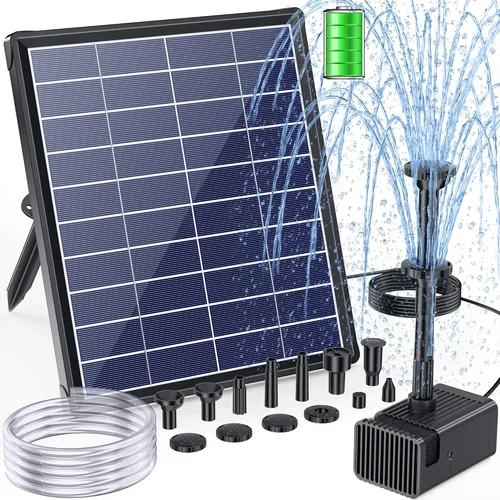
Beyond the type, consider the panel’s wattage, which directly correlates to the pump’s power. A higher wattage panel (e.g., 2.5W to 5W) can drive a stronger pump, offering a more robust water flow and better performance on partly cloudy days. Many modern solar bird baths also include a battery backup, which charges during the day and allows the fountain to operate after sunset or on less sunny days. This feature is a game-changer for consistent operation. Evaluate the battery’s capacity (measured in mAh) – a larger capacity means longer run times without direct sunlight.
Why it matters: An efficient solar panel ensures your fountain runs consistently, even when the sun isn’t at its brightest, providing a continuous water source for wildlife and a soothing sound for you.
What to look for: Monocrystalline panels for efficiency, higher wattage (2.5W+), and a substantial battery backup (1500mAh+).
2. Pump Performance & Water Flow
The pump is the unsung hero, responsible for circulating the water and creating the fountain effect. Its performance is often measured in GPH (gallons per hour) or L/H (liters per hour), indicating how much water it can move. A higher GPH typically means a stronger, more visible water flow. Look for pumps with adjustable flow settings, as this allows you to customize the spray height and pattern, reducing splash-out and conserving water. Noise level is another critical consideration; you want to hear the gentle burble of water, not the hum of the pump. Many fountains come with various nozzles or spray heads, offering different water patterns like bubbling, spraying, or showering. A good selection of nozzles allows you to change the aesthetic and suit different bird preferences.
Why it matters: The pump dictates the fountain’s visual and auditory appeal. A weak pump can lead to a barely-there trickle, diminishing the fountain’s purpose and charm.
What to look for: A pump with adequate GPH for the basin size, adjustable flow, low noise operation, and a variety of interchangeable nozzles.
3. Build Quality & Durability
A solar water bird bath fountain lives outdoors, exposed to the elements year-round. Therefore, build quality and durability are paramount. Common materials include resin, ceramic, metal (like cast iron or copper), and various plastics. Resin is lightweight, durable, and can mimic other materials like stone. Ceramic is beautiful but can be fragile and prone to cracking in freezing temperatures. Metal is robust and long-lasting, often developing an attractive patina over time, but can be heavy. High-quality plastics offer a good balance of durability and affordability.
Check for UV resistance to prevent fading and cracking from sun exposure. Frost resistance is crucial if you live in a region with cold winters, or be prepared to store the fountain indoors. The overall stability of the design is also important to prevent tipping, especially in windy conditions or if larger birds visit.
Why it matters: A well-constructed fountain will withstand harsh weather, maintain its appearance, and provide years of reliable service, saving you from premature replacement.
What to look for: Materials appropriate for your climate (e.g., frost-resistant ceramic, UV-stabilized resin), a sturdy base, and robust construction that feels solid.
4. Basin Design & Capacity
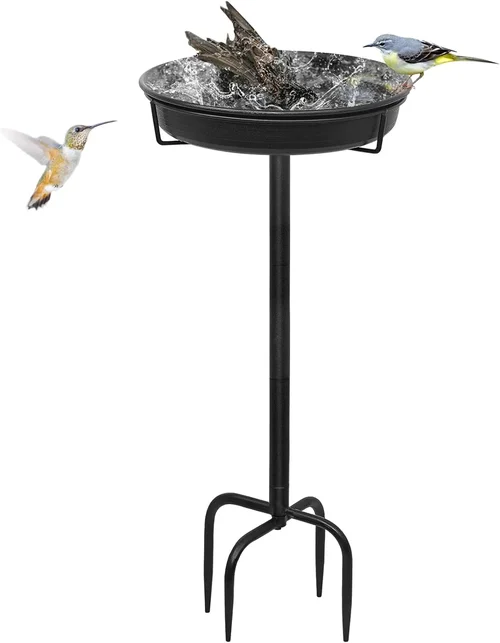
The basin is where the birds drink and bathe, so its design is crucial for their safety and comfort. Look for a basin with varying depths; a shallow edge (1-2 inches deep) is ideal for smaller birds to drink, while slightly deeper sections (up to 3 inches) allow larger birds to bathe. The surface should be textured or slightly rough to provide good footing, preventing slips. Ease of cleaning is also a major factor; intricate designs might look appealing but can be a nightmare to scrub. A smooth, accessible basin interior will simplify maintenance and help prevent algae buildup. Consider the water capacity – a larger basin means less frequent refilling, especially during hot, dry spells. Some designs include a gentle slope, allowing birds to wade in comfortably.
Why it matters: A thoughtfully designed basin encourages birds to visit and ensures their safety, making your fountain a true haven for wildlife.
What to look for: Multiple depths, a non-slip surface, easy-to-clean contours, and a generous water capacity.
5. Integrated Features & Functionality
Modern solar water bird bath fountains often come with a host of additional features that enhance their appeal and usability. LED lights, for example, can illuminate the fountain at night, creating a magical glow and extending its beauty beyond daylight hours. Some fountains offer remote control operation, allowing you to adjust water flow or turn lights on/off from a distance. Integrated filter systems are invaluable for keeping the water cleaner for longer, reducing algae and debris, which benefits both the birds and your maintenance efforts. Low-water shutoff mechanisms protect the pump from running dry and burning out, automatically turning it off if the water level drops too low. These smart features, while often adding to the cost, significantly improve the user experience and the longevity of the fountain.
Why it matters: Extra features can transform a basic bird bath into a sophisticated garden accent, providing convenience and extending the fountain’s enjoyment into the evening.
What to look for: Battery backup for continuous operation, LED lighting, remote control options, and safety features like low-water shutoff.
6. Ease of Assembly & Maintenance
Nobody wants to spend hours deciphering cryptic instructions or struggling with complex setups. A good solar water bird bath fountain should be relatively easy to assemble, often requiring just a few simple steps to put the basin, pedestal, and pump in place. Beyond initial setup, consider the ongoing maintenance. Solar fountains, by their nature, require regular cleaning to prevent algae, mineral deposits, and debris buildup. Look for designs that allow easy access to the pump for cleaning or filter replacement. Pumps with removable filters simplify this task significantly. The easier it is to maintain, the more likely you are to keep it clean and functioning optimally, ensuring a healthy environment for birds and a beautiful display for you.
Why it matters: A user-friendly design means less frustration during setup and makes routine maintenance a breeze, encouraging consistent care for optimal performance.
What to look for: Clear, simple assembly instructions, easily accessible pump and filters, and smooth basin surfaces that are quick to wipe clean.
7. Aesthetics & Design Integration
While functionality is key, the visual appeal of your solar water bird bath fountain is what ties it into your garden’s overall aesthetic. Consider the style, color, and texture. Do you want something rustic, modern, classic, or whimsical? Does the material complement existing garden decor, planters, or landscaping features? A fountain that clashes with its surroundings can detract from your outdoor space rather than enhance it. Think about its size relative to your garden – a massive fountain can overwhelm a small patio, while a tiny one might get lost in a sprawling yard. Placement also plays a role; ensure it receives ample sunlight for the solar panel while also being visible and accessible to birds.
Why it matters: The right design elevates your garden, acting as a focal point and harmonizing with your existing outdoor decor, creating a cohesive and inviting atmosphere.
What to look for: A style, color, and size that complements your garden’s aesthetic, enhances its existing features, and fits comfortably in its chosen spot.
8. Warranty & Customer Support
Even the highest quality products can sometimes have issues. A solid warranty provides peace of mind, protecting your investment against manufacturing defects or premature failure. Standard warranties typically range from 90 days to one year, but some premium brands may offer longer coverage. Understand what the warranty covers (e.g., pump, solar panel, basin) and what it excludes (e.g., normal wear and tear, damage from improper use). Equally important is the availability and responsiveness of customer support. Should you have questions about assembly, maintenance, or troubleshooting, knowing that help is readily available can make a huge difference. Check online reviews not just for the product, but for the brand’s reputation for customer service.
Why it matters: A good warranty and reliable customer support ensure you’re not left stranded if something goes wrong, providing essential backup for your purchase.
What to look for: A minimum one-year warranty, clear coverage terms, and evidence of responsive, helpful customer service through user reviews.
Different Types of Buying Guide
Understanding the various types of solar water bird bath fountains available can help you narrow down your choices and find the perfect fit for your outdoor space. Each category offers distinct advantages, catering to different needs and aesthetic preferences.

Common Buying Mistakes to Avoid
Navigating the world of solar water bird bath fountains can have its pitfalls. Being aware of these common mistakes will save you time, money, and potential frustration, ensuring your purchase brings joy, not headaches.
❌ Mistake: Underestimating Solar Panel Needs
Why it’s bad: Many buyers focus solely on the fountain’s look and neglect the solar panel’s capability. A panel that’s too small or inefficient for the pump’s power draw will result in intermittent operation, especially on cloudy days or if it’s placed in partial shade. This means less consistent water flow and a frustrated experience for both you and the visiting birds.
What to do instead: Always consider the wattage of the solar panel and the pump. For reliable, continuous operation, especially if you desire a strong flow or battery backup, opt for a fountain with a larger, more efficient solar panel (e.g., monocrystalline) and a matching pump. If your chosen spot has partial shade, a remote solar panel system is often a smarter choice than an integrated one.
❌ Mistake: Ignoring Build Materials & Durability
Why it’s bad: It’s tempting to go for the cheapest option, but often, that comes with low-quality materials. Fountains made from flimsy plastic or unsealed ceramics will degrade quickly under sun exposure, crack in freezing temperatures, or become brittle over time. This leads to a short lifespan, disappointment, and the need for frequent replacements, costing you more in the long run.
What to do instead: Invest in materials suitable for your climate. Look for UV-stabilized resin, glazed ceramic, or durable metals. Read product descriptions carefully for mentions of weather resistance (frost, UV). A slightly higher initial investment in quality materials pays dividends in longevity and aesthetics.
❌ Mistake: Overlooking Pump Maintenance
Why it’s bad: A common misconception is that solar fountains are set-it-and-forget-it. Neglecting regular cleaning of the pump, filters, and basin can lead to rapid algae growth, mineral buildup, and pump clogging. This reduces water flow, damages the pump, and creates an unhealthy environment for birds, potentially turning your beautiful fountain into a stagnant pool.
What to do instead: Factor in maintenance. Choose a fountain design that offers easy access to the pump for cleaning. Plan to clean your fountain basin and pump weekly or bi-weekly, depending on usage and climate. Use a soft brush and clean water; avoid harsh chemicals. A clean pump runs efficiently and lasts longer.
❌ Mistake: Choosing the Wrong Size for Your Space/Birds
Why it’s bad: A fountain that’s too large can overwhelm a small balcony or patio, making the space feel cramped. Conversely, a tiny fountain in a vast garden might look insignificant and fail to attract much attention from birds or people. Furthermore, a basin that’s too deep or has slippery sides can be unsafe for smaller birds, discouraging them from using it.
What to do instead: Measure your available space before buying. Consider the scale of your garden and the types of birds you wish to attract. Opt for basins with varying depths and textured surfaces to accommodate different bird sizes safely. A little planning ensures your fountain is both visually harmonious and bird-friendly.
❌ Mistake: Skipping Warranty & Return Policy Checks
Why it’s bad: Imagine your new fountain stops working after a month, and you discover it has no warranty or the return window has closed. Without these protections, you’re out of luck and out of money. Many solar components are delicate, and manufacturing defects can occur, making a good warranty crucial.
What to do instead: Always verify the warranty period and what it covers before purchasing. A minimum one-year warranty on the pump and solar panel is advisable. Familiarize yourself with the retailer’s return policy, including the timeframe and conditions for returns. This safeguards your investment against unforeseen issues.
❌ Mistake: Prioritizing Price Over Quality
Why it’s bad: While a low price tag is attractive, extremely cheap solar bird baths often cut corners on critical components like the solar panel, pump, or build materials. This usually results in poor performance, frequent breakdowns, and a very short lifespan, ultimately leading to more expense when you have to replace it.
What to do instead: View your purchase as an investment. Allocate a reasonable budget and prioritize quality components and durable construction. Read reviews focusing on longevity and consistent performance, not just initial impressions. A reliable fountain that lasts for years is far better value than a cheap one that needs replacing every season.
❌ Mistake: Neglecting Aesthetic Integration
Why it’s bad: A beautiful fountain can become an eyesore if it doesn’t fit with your garden’s existing style. A modern, minimalist fountain might look out of place in a rustic, cottage-style garden, creating visual clutter rather than harmony. Failing to consider how the fountain will look in its environment diminishes its overall impact.
What to do instead: Take a moment to assess your garden’s aesthetic. Do you have natural stone, intricate wrought iron, or sleek modern lines? Choose a fountain style, color, and material that complements these elements. Think about its placement as well; it should be a natural focal point, not an afterthought. Consider themes, colors, and textures that enhance your existing outdoor decor.
Budget Guidelines: How Much Should You Spend?
Determining how much to spend on a solar water bird bath fountain depends largely on your expectations for performance, features, and durability. Here’s a breakdown by price tier to help you budget effectively.
Entry-Level ($25 – $75): In this range, you’ll typically find basic, often smaller, solar bird bath fountains. They usually feature integrated solar panels, simpler pump mechanisms, and are often made from lightweight plastic or basic resin. What to expect: Intermittent operation (only in direct sunlight), minimal battery backup (if any), limited water flow options, and functional but not highly decorative designs. These are a good starting point for those on a tight budget or who want to test the waters with a solar fountain without a significant investment. Durability might be a concern over multiple seasons without proper care.
Mid-Range ($75 – $150): This is the sweet spot for most buyers, offering a significant upgrade in quality and features without breaking the bank. You can expect more durable materials like higher-quality resin, ceramic, or lightweight composite stone. Many models will include remote solar panels for flexible placement, better pump performance with adjustable flow, and a reliable battery backup for evening operation. What to expect: More consistent operation, better aesthetic designs, a wider variety of spray nozzles, and improved weather resistance. This tier offers the best balance of value, performance, and longevity for the average homeowner.
Premium ($150 – $300): For enthusiasts or those who desire superior performance and aesthetics, the premium tier offers high-efficiency solar panels (often monocrystalline), robust pumps with advanced features like low-water shutoff, and substantial battery capacity for extended run times. You’ll find fountains crafted from very durable materials like glazed ceramic, cast iron, or high-grade composites, often with intricate designs and finishes. What to expect: Near-continuous operation even on partly cloudy days, integrated LED lighting, advanced filtration systems, and excellent resistance to weathering. These fountains are built to last and provide a significant visual impact.
Luxury ($300+): At the top end, you’ll find true statement pieces. These luxury solar water bird bath fountains often feature artisanal designs, hand-finished details, and top-tier materials like hand-carved stone, copper, or large, multi-tiered ceramic structures. They integrate the most powerful and efficient solar technology, often with sophisticated control systems and extended warranties. What to expect: Large capacities, impressive water displays, intelligent features like remote control and programmed operation, and exceptional durability. These are for buyers prioritizing a unique, high-end garden feature and are willing to invest in superior craftsmanship and advanced technology.
Expert Tips for Getting the Best Deal
Finding the perfect solar water bird bath fountain doesn’t mean paying full price. With a few savvy strategies, you can secure a great deal and ensure your garden oasis is both beautiful and budget-friendly.
Time Your Purchase with Seasonal Sales: The best time to buy garden items, including solar fountains, is often at the end of the summer season (August/September) or during major holiday sales like Black Friday or post-Christmas clearances. Retailers often clear out inventory to make way for new stock, offering significant discounts. Keep an eye out for spring sales as well, though discounts might be less dramatic.
Compare Prices Across Multiple Retailers: Don’t settle for the first price you see. Check major online retailers (Amazon, Wayfair, Home Depot, Lowe’s), specialty garden supply stores, and even local nurseries. Use price comparison websites or browser extensions to quickly see if a better deal is available elsewhere.
Sign Up for Email Newsletters: Many online stores offer a discount (e.g., 10-15% off your first order) when you sign up for their email list. This is a quick and easy way to save some money. Plus, you’ll be notified of future sales and promotions.
Look for Open-Box or Refurbished Deals: Some retailers offer “open-box” items, which are typically customer returns that are in like-new condition but can’t be sold as new. These often come with a significant discount. Ensure there’s a clear return policy for these items and that the warranty is still valid.
Understand Warranty and Return Policies BEFORE Buying: This isn’t just about getting a deal, but about protecting it. A great price means nothing if the product breaks and you can’t get it replaced or repaired. Read the fine print on warranties (how long, what’s covered) and return windows. A hassle-free return policy adds significant value.
Check for Bundle Deals: Sometimes, retailers will offer a discount if you purchase a fountain along with related accessories, such as a solar panel cleaner, a bird bath heater (for winter), or specific cleaning solutions. These bundles can save you money compared to buying items separately.
Read User Reviews for Long-Term Value: A cheap upfront price can be costly if the fountain breaks quickly. Look for reviews that specifically mention longevity, durability, and customer service. A product with consistently positive feedback on its lifespan often represents a better long-term deal, even if its initial price is slightly higher.
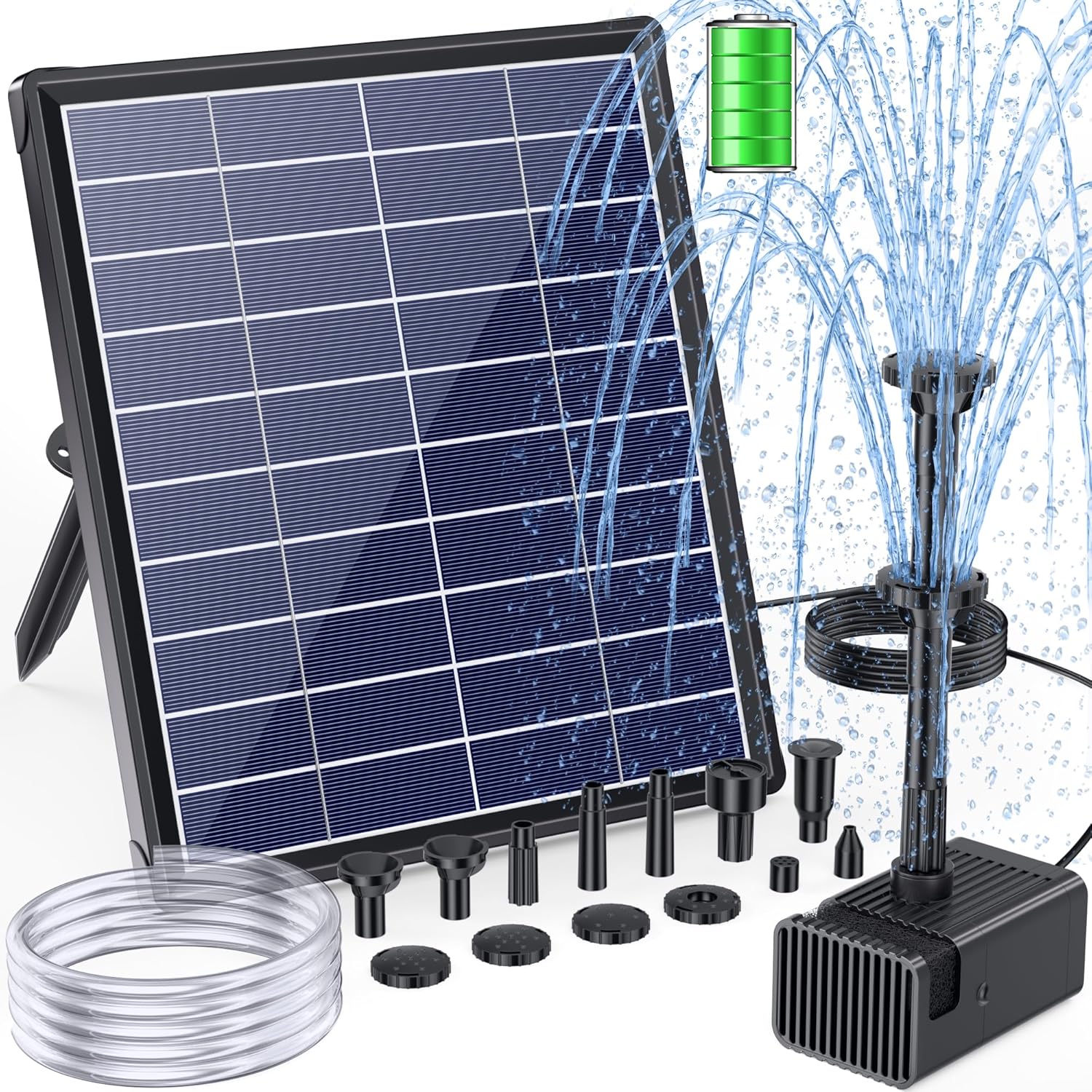
Consider DIY Kits: If you’re handy and already have an attractive bird bath basin, a solar pump kit can be an incredibly cost-effective way to get a solar fountain. These kits contain just the pump, solar panel, and nozzles, allowing you to convert an existing setup for a fraction of the cost of a complete unit.
Frequently Asked Questions
Q: How do solar bird baths work?
A: Solar bird baths operate by converting sunlight into electricity. A solar panel, either integrated into the basin or connected via a cord, captures sunlight. This energy then powers a small pump submerged in the water, which circulates the water and creates a fountain effect using various nozzles. Many modern models also include a battery to store excess solar energy, allowing the fountain to run after sunset or on cloudy days.
Q: Do solar bird baths work on cloudy days?
A: Their performance on cloudy days depends largely on the efficiency of the solar panel and whether it has a battery backup. Highly efficient monocrystalline panels can still generate some power in diffused light, but the flow will likely be weaker. Fountains with a good battery backup will continue to operate until the stored energy runs out, regardless of the cloud cover.
Q: How often should I clean my solar bird bath fountain?
A: For optimal performance and hygiene, you should aim to clean your solar bird bath fountain at least once a week, or even more frequently during hot weather. This prevents algae growth, mineral buildup from hard water, and the accumulation of debris like leaves and bird droppings. Regular cleaning ensures clean water for birds and prolongs the life of your pump.
Q: Can I use tap water in my solar bird bath?
A: Yes, tap water is perfectly fine for solar bird baths. However, if you have very hard water, you might notice mineral deposits (limescale) building up more quickly. Using distilled water can reduce this, but it’s not strictly necessary. Regular cleaning will manage any mineral buildup effectively.
Q: What if my solar bird bath stops working?
A: First, check if the solar panel is receiving direct sunlight and if it’s clean. Next, inspect the pump for any clogs from debris, algae, or mineral deposits. Disassemble and clean the pump thoroughly. Ensure the water level is sufficient for the pump to be fully submerged. If these steps don’t work, check the battery connection (if applicable) or consult the manufacturer’s troubleshooting guide. Sometimes, a component might simply need replacement.
Q: Are solar bird baths safe for birds?
A: Absolutely! They provide a crucial water source for drinking and bathing, especially during dry spells. Ensure the basin has varying depths, with shallow edges (1-2 inches) for small birds to safely drink and wade. Avoid using chemicals like algaecides unless they are explicitly labeled as bird-safe. Fresh, clean water is the best and safest option.
Q: How do I prevent algae growth?
A: Regular cleaning is your best defense against algae. Empty, scrub, and refill the bird bath weekly. Placing the fountain in a spot with some morning sun but afternoon shade can help slow algae growth, as direct, hot sun encourages it. If using an algaecide, ensure it is specifically formulated and labeled as safe for birds and wildlife.
Q: Can I leave my solar bird bath out in winter?
A: This depends on your climate and the fountain’s material. If you live in an area with freezing temperatures, it’s generally best to drain the fountain completely, remove the pump and solar panel, and store the entire unit indoors. Ceramic and some resin materials can crack when water freezes and expands. Even frost-resistant materials benefit from being stored to extend their lifespan.
Q: What is the average lifespan of a solar bird bath fountain?
A: The lifespan varies significantly based on material quality, brand, and maintenance. A well-maintained, mid-range to premium fountain can last anywhere from 3 to 7 years. The pump is often the first component to wear out, but it’s usually replaceable. Solar panels are generally quite durable and can last much longer.
Q: Do all solar bird baths have battery backup?
A: No, not all solar bird baths include a battery backup. Many entry-level models are “direct-drive,” meaning they only operate when the solar panel is actively receiving direct sunlight. If continuous operation, especially in the evening or on cloudy days, is important to you, specifically look for models advertised with a battery storage feature.
Our Final Recommendations
Choosing the right solar water bird bath fountain can feel like a big decision, but by prioritizing your needs and understanding the market, you can find a perfect match. Here are our top recommendations based on different buyer profiles:
Best for Budget-Conscious Buyers: For those who want to add a charming water feature without a hefty investment, we recommend focusing on simple, integrated panel fountains made from durable, UV-stabilized resin. Look for models with at least a 1.5W solar panel and a basic set of nozzles. While they might operate only in direct sunlight, they offer great value for introductory use. Ensure it’s easy to clean to maximize its lifespan.
Best Overall Value: The sweet spot for most homeowners lies in the mid-range remote panel fountains. Opt for models with a 2.5W to 3W monocrystalline solar panel, a reliable battery backup (1800mAh+), and a pump with adjustable flow. Fountains made from high-quality resin or composite materials offer excellent durability and aesthetic appeal. This combination provides consistent performance, design flexibility, and a good balance of features for years of enjoyment.
Best Premium Option: If you’re seeking a statement piece with superior performance and advanced features, look for multi-tiered fountains or those crafted from high-grade ceramic or cast iron. Demand a 5W+ monocrystalline solar panel, a robust battery (3000mAh+), and a pump with low-water shutoff and multiple spray options. Integrated LED lighting, remote control, and a strong warranty (1-2 years) are indicators of a top-tier product designed for discerning buyers.
Best for Beginners: For those new to solar fountains, we suggest a user-friendly, integrated panel model that is easy to assemble and clean. Prioritize clear instructions and a simple design. Look for a lightweight resin or plastic construction for easy placement and repositioning. A fountain that comes with a small starter battery is a bonus, allowing for some evening operation without complex setup.
* Best for Shaded Gardens or Large Spaces: If your ideal fountain location receives inconsistent sunlight, a remote solar panel system is non-negotiable. Look for models with a long connection cord (10-15 feet) to place the panel in full sun. For larger spaces, consider a fountain with a higher water capacity and a more powerful pump to create a visible and audible water flow that makes an impact.
Conclusion: Making the Right Choice
Choosing the ideal solar water bird bath fountain is an exciting step towards enhancing your garden and inviting more wildlife into your life. We’ve journeyed through the critical factors, explored different types, identified common pitfalls, outlined budget considerations, and shared expert tips to guide your decision. The key takeaway is to prioritize quality, functionality, and how well the fountain integrates into your specific outdoor environment.
Remember to consider the efficiency of the solar panel, the strength of the pump, the durability of the materials, and the ease of maintenance. Think about where it will live in your garden and how its design will complement your existing aesthetic. By thoughtfully evaluating these elements, you’re not just buying a product; you’re investing in a vibrant, soothing, and sustainable addition to your home. Now armed with this comprehensive knowledge, you’re ready to make an informed choice. Go forth, choose wisely, and prepare to enjoy the gentle sounds and lively visitors your new solar water bird bath fountain will bring!