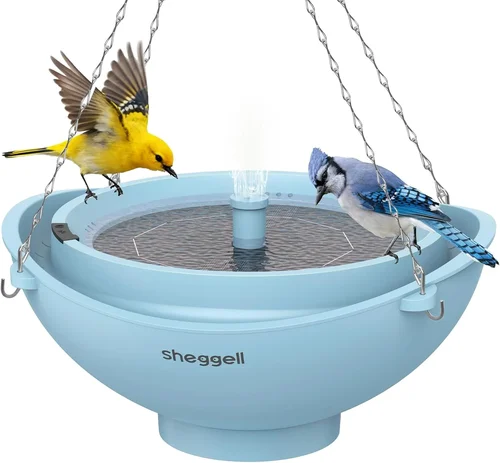
Creating a welcoming oasis for feathered friends in your garden is one of life’s simple pleasures, and a solar-powered water fountain for birds truly elevates this experience. Beyond the aesthetic charm they add to your outdoor space, these fountains provide a crucial, clean water source for birds, essential for drinking and preening, especially in warmer months. As someone who has spent years perfecting my own backyard sanctuary, I understand the desire to bring life and movement to your garden in an eco-friendly way.
Navigating the market for solar bird fountains can feel a bit overwhelming, with countless options promising everything from cascading waterfalls to gentle bubbling streams. From varying designs and materials to performance specifications and maintenance considerations, there’s a lot to unpack. This comprehensive guide is designed to cut through the noise, offering you an expert-level roadmap to making an informed decision, ensuring you select a fountain that not only looks beautiful but also serves its purpose effectively and lasts for years to come.
In the pages that follow, we’ll delve into the crucial factors that differentiate a good solar bird fountain from a great one. We’ll explore the various types available, highlight common pitfalls to avoid, and provide a clear budget breakdown to align your expectations with your investment. My goal is to equip you with the knowledge and confidence to choose a solar bird fountain that perfectly complements your garden, delights your avian visitors, and brings you lasting joy.

What to Look for When Buying Buying Guide
Choosing the right solar bird fountain means looking beyond just the initial appeal. It involves a thoughtful consideration of several key factors that impact performance, durability, and overall satisfaction. Let’s dive into what truly matters.
1. Budget & Price Range
Understanding your budget is the first step in narrowing down your options. Solar bird fountains vary widely in price, primarily due to differences in materials, solar panel efficiency, pump quality, and additional features. Entry-level models, often simple floating pumps or basic plastic units, are generally more affordable but may compromise on durability or power. Mid-range options strike a balance, offering better materials and more consistent performance without breaking the bank. Premium and luxury fountains feature high-quality, durable materials like ceramic or stone, integrated battery backups, efficient solar panels, and intricate designs, naturally commanding a higher price. It’s important to decide what you’re willing to invest, as this will dictate the level of sophistication and longevity you can expect from your fountain.
2. Performance Specifications
The heart of any solar bird fountain lies in its performance, driven by its solar panel and pump. Look closely at the solar panel’s wattage; a higher wattage generally means more power, which is crucial for consistent water flow, especially on partly cloudy days. Consider whether the panel is integrated into the fountain or separate. Separate panels often offer more flexibility for optimal sun placement. The pump’s flow rate, usually measured in gallons per hour (GPH) or liters per hour (LPH), indicates how strong the water stream will be. A higher flow rate can create more dynamic spray patterns but might also mean faster water evaporation. Finally, some fountains include a battery backup. This feature is invaluable as it allows the fountain to run for a period after the sun goes down or during overcast conditions, ensuring continuous water availability for birds.
3. Build Quality & Durability
A bird fountain is an outdoor fixture, constantly exposed to the elements. Therefore, build quality is paramount. Common materials include resin, ceramic, concrete, metal, and various plastics.
- Resin: Lightweight, often molded to mimic stone, and generally weather-resistant. Quality varies; cheaper resins can fade or crack over time.
- Ceramic: Visually appealing, often handcrafted, but can be fragile and prone to cracking in freezing temperatures if not properly stored.
- Concrete/Stone: Very heavy and durable, excellent stability, but typically more expensive and less portable.
- Metal (e.g., copper, bronze): Offers a unique aesthetic that patinas beautifully, but can be very expensive and may require specific maintenance.
- Plastic: Most affordable and lightweight, but can degrade quickly in UV light, becoming brittle and discolored.
Assess the quality of the seams, paint, and overall construction. A well-built fountain will withstand UV radiation, rain, and minor impacts, ensuring it remains functional and attractive for many seasons.
4. Features & Functionality
Modern solar bird fountains come with an array of features that can enhance their appeal and utility.
- Spray Patterns: Many pumps include multiple nozzle heads to create different effects like bubbling, showering, or jet streams.
- LED Lighting: Some fountains incorporate LED lights that illuminate the water at night, creating a stunning visual effect and extending its enjoyment beyond daylight hours, especially useful if you have a battery backup.
- Water Filtration: Basic filters help prevent debris from clogging the pump, reducing maintenance. Higher-end models might have more sophisticated filtration systems.
- Water Level Sensors: A safety feature that automatically shuts off the pump if the water level gets too low, preventing the pump from running dry and burning out.
- Remote Control: A convenient feature for adjusting settings without having to go directly to the fountain.
Consider which of these features are “must-haves” for you and which are nice-to-haves that might justify a higher price point.
5. Brand Reputation
In a crowded market, brand reputation can be a reliable indicator of quality and customer satisfaction. Established brands often have a track record of producing durable products and providing good customer service. Research brands known for their solar outdoor products or garden fountains. Look for companies that specialize in solar technology, as they are likely to use more efficient components and innovative designs. While a lesser-known brand might offer an attractive price, consider the potential trade-offs in terms of product longevity and support. Checking customer reviews specifically mentioning brand reliability and post-purchase support can offer valuable insights.
6. Warranty & Support
A robust warranty is a strong indicator of a manufacturer’s confidence in their product. Look for fountains with at least a one-year warranty on the pump and solar panel, as these are the most critical components. Some higher-end models might offer longer warranties. Understand what the warranty covers (e.g., manufacturing defects, pump failure) and what it doesn’t (e.g., normal wear and tear, damage from improper use or freezing). Equally important is the availability and responsiveness of customer support. Will you be able to easily get replacement parts, troubleshoot issues, or seek advice if a problem arises? Check reviews for comments on customer service experiences. A good warranty and accessible support can save you considerable hassle and expense in the long run.
7. Size & Portability
The physical dimensions of the fountain are crucial for both aesthetic integration and practical placement.
- Footprint: Consider the space available in your garden or on your patio. A large, elaborate tiered fountain will require significantly more room than a small, floating bird bath insert.
- Water Capacity: Larger reservoirs mean less frequent refilling, which is a major convenience, especially during hot summer days when evaporation is high. However, more water also means more weight and potentially more complex cleaning.
- Weight: If you plan to move the fountain for cleaning, winter storage, or simply to rearrange your garden, its weight will be a significant factor. Lightweight resin or plastic options are easier to relocate than heavy concrete or stone.
Think about how the fountain’s size will complement your existing garden features and your ability to maintain it. Portability might not be a primary concern for a large, permanent fixture, but for smaller decorative pieces, it can be a real benefit.
8. Maintenance Requirements
No outdoor water feature is truly maintenance-free, and solar bird fountains are no exception. Understanding the maintenance commitment upfront can prevent future frustration.
- Cleaning Frequency: Fountains need regular cleaning to prevent algae buildup, mineral deposits, and debris accumulation. How easy is it to access the pump for cleaning or filter replacement? Are there many nooks and crannies where dirt can hide?
- Water Refilling: Smaller fountains or those with higher flow rates will require more frequent refilling, especially in hot, sunny, or windy conditions.
- Winterization: If you live in a climate with freezing temperatures, you’ll need to winterize your fountain, which often involves draining, cleaning, and storing it indoors to prevent damage from ice.
- Part Replacement: Pumps and solar panels have finite lifespans. Consider the availability and cost of replacement parts.
Opt for designs that are easy to disassemble and clean, with accessible pumps, to ensure your fountain remains a source of enjoyment rather than a chore.
Different Types of Buying Guide

Common Buying Mistakes to Avoid
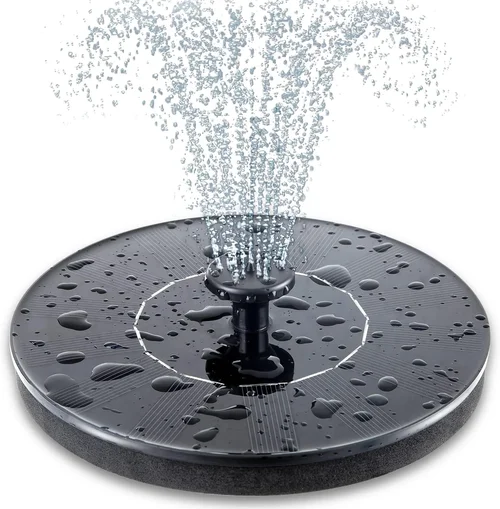
Even with a clear understanding of what to look for, it’s easy to fall into common traps. Learning from the mistakes of others can save you time, money, and frustration.
❌ Mistake: Underestimating the Importance of Direct Sunlight
Why it’s bad: Many buyers assume “solar” means it will work anywhere. Solar fountains rely on direct, unobstructed sunlight to power the pump, and even a little shade can drastically reduce or stop water flow. If your solar panel is integrated into the fountain bowl and your chosen spot is partially shaded, the fountain simply won’t perform as expected.
What to do instead: Scout your garden for locations that receive at least 6-8 hours of direct sunlight daily, especially during the peak sun hours. If your ideal spot for the fountain is shady, opt for a model with a separate solar panel that can be placed in a sunny location and connected to the fountain via a cable. This flexibility is a game-changer for consistent operation.
❌ Mistake: Ignoring Water Capacity and Evaporation Rates
Why it’s bad: A beautiful fountain that constantly runs dry becomes a maintenance burden and can even damage the pump if it runs without water. Smaller fountains or those with vigorous spray patterns will lose water more quickly through evaporation, especially on hot, sunny, or windy days.
What to do instead: Consider the climate you live in and how frequently you’re willing to refill. For hotter regions or those who prefer less daily upkeep, choose a fountain with a larger water reservoir. Look for models with deeper basins or multiple tiers that hold more water. While a strong spray is appealing, sometimes a gentler flow is more practical to reduce water loss.
❌ Mistake: Neglecting Build Materials and Weather Resistance
Why it’s bad: Opting for the cheapest plastic or poorly constructed resin fountain often leads to disappointment. These materials can fade, crack, or become brittle quickly under UV exposure, or in freezing temperatures, making your fountain an eyesore or non-functional within a season or two.
What to do instead: Invest in fountains made from durable, weather-resistant materials like high-quality resin (UV-protected), ceramic (if you can properly winterize it), or stone. Read product descriptions carefully for material quality and check user reviews for comments on how the fountain holds up to various weather conditions over time. Pay attention to how components are sealed and connected.
❌ Mistake: Overlooking Pump Accessibility for Cleaning
Why it’s bad: All water features require regular cleaning to prevent algae, mineral buildup, and debris from clogging the pump. If the pump is difficult to access or remove, this essential maintenance becomes a frustrating chore, leading to poor performance or premature pump failure.
What to do instead: Before purchasing, review product images or descriptions that show how the pump is integrated. Ideally, the pump should be easily removable without needing special tools or disassembling the entire fountain. Look for designs where the pump sits in an open basin or has a simple cover. Regular, easy cleaning is the secret to a long-lasting, clear-flowing fountain.
❌ Mistake: Skipping Reviews and Warranty Information
Why it’s bad: A product might look great online, but real-world user experiences can reveal significant flaws. Furthermore, a lack of a clear warranty or poor customer service can leave you stranded if your fountain develops issues.
What to do instead: Always read a variety of customer reviews, looking for recurring themes about performance, durability, and customer support. Pay close attention to negative reviews to understand potential weaknesses. Confirm the warranty period for both the fountain and its components (especially the pump and solar panel). A strong warranty and positive support experiences from other buyers indicate a reputable seller and product.
❌ Mistake: Forgetting to Consider a Battery Backup
Why it’s bad: While solar fountains are great, direct sunlight isn’t constant. Without a battery backup, your fountain will only run when the sun is shining directly on the panel. This means no soothing sounds or fresh water for birds on cloudy days or after sunset, which can be a significant disappointment.
What to do instead: If continuous operation is important to you, specifically look for solar fountains that include a rechargeable battery backup. These systems charge the battery during sunny hours and can then power the pump for several hours during overcast conditions or at night. This feature significantly enhances the fountain’s utility and your enjoyment.
Budget Guidelines: How Much Should You Spend?
The cost of a solar bird fountain can range from surprisingly affordable to a significant investment. Understanding what to expect at different price points will help you align your budget with your desires.
Entry-Level ($15 – $70)
What to expect: In this range, you’ll primarily find floating solar pump kits designed to be placed in an existing bird bath or small pond. You’ll also see basic, small, self-contained fountains made of lightweight plastic or very thin resin. The solar panels are often integrated and small, meaning performance is highly dependent on direct, intense sunlight. Battery backups are rare, and spray patterns are usually limited. They are excellent for testing the waters (pun intended!) or for those with very limited budgets.
Best for: Experimenting with solar fountains, adding movement to an existing bird bath, small patios or balconies, or as a temporary solution.
Mid-Range ($70 – $250)
Sweet spot for most buyers: This is where you start to find a good balance of features, durability, and aesthetics. Fountains in this range often use better quality resin, some ceramic, or durable plastics. You’ll frequently find models with separate solar panels for flexible placement, and some may include basic battery backups for limited nighttime or cloudy-day operation. Pump quality is improved, offering more consistent flow and a wider variety of spray patterns. Designs become more intricate, mimicking stone or concrete, providing a more substantial look and feel.
Best for: Homeowners looking for a reliable, attractive, and reasonably durable fountain for their garden, offering good value for money without venturing into premium prices.
Premium ($250 – $600)
For enthusiasts and professionals: At this level, expect significant upgrades in material quality, performance, and features. Fountains will be made from heavy-duty resin, high-quality ceramic, or even lightweight concrete/fiberglass composites that offer superior durability and aesthetic appeal. Solar panels are larger and more efficient, often external and adjustable, and robust battery backups are standard, allowing for extended nighttime operation or use during less sunny periods. These fountains often include integrated LED lighting, advanced filtration systems, and intricate, multi-tiered designs. Pump components are typically more robust and quieter.
Best for: Garden enthusiasts, those seeking a statement piece, individuals prioritizing long-term durability and continuous operation, or anyone wanting advanced features like integrated lighting.
Luxury ($600+)
Top-tier features: These are custom-designed or exceptionally large, elaborate fountains, often crafted from genuine stone, high-grade metals (like copper or bronze), or architectural-grade composites. The solar power systems are highly efficient, sometimes featuring multiple large panels and advanced battery management systems for truly autonomous operation. Expect exceptional craftsmanship, unique artistic designs, and potentially smart features (e.g., app control, advanced sensors). While not common specifically for “bird fountains,” larger, high-end garden fountains can be adapted or come with bird-friendly designs.
Best for: Large estates, custom landscape projects, or discerning buyers who prioritize unparalleled aesthetics, unique design, and the absolute highest level of durability and performance, often willing to invest in a truly bespoke garden centerpiece.
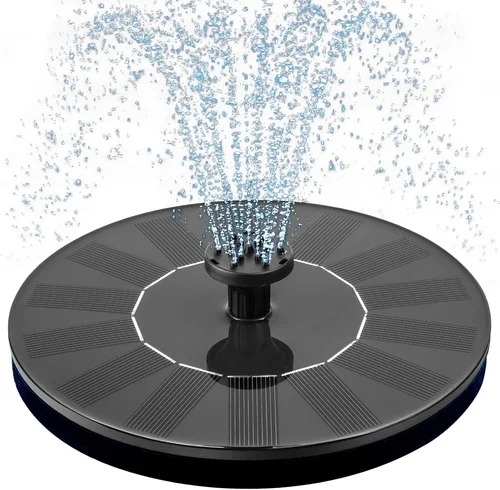
Expert Tips for Getting the Best Deal
Armed with knowledge about types and features, let’s talk about how to make your purchase as smart and cost-effective as possible without sacrificing quality.
- When to Buy: Off-Season Sales and End-of-Summer Clearance: The best time to buy garden items, including solar bird fountains, is often outside of peak spring/early summer. Look for sales in late summer (August/September) as retailers clear out inventory, and especially during fall and winter months. Black Friday and Cyber Monday sales can also yield significant discounts on these types of products.
- Where to Buy: Online vs. In-Store Comparison:
- Online Retailers (e.g., Amazon, Wayfair, specialty garden sites): Offer the widest selection, competitive pricing, and user reviews. You can easily compare models and read detailed specifications. However, you can’t see the product in person.
- Local Garden Centers/Hardware Stores: Allow you to inspect the fountain’s build quality, feel its weight, and assess its aesthetic in person. Staff can also offer local advice. Prices might be slightly higher, and selection more limited. Consider buying locally for large or fragile items to avoid shipping damage.
My advice: Research online, then if possible, try to see a similar model in a store to judge scale and quality before making your final purchase.
- How to Spot Deals and Discounts:
- Sign up for Email Lists: Many online retailers offer a discount for new subscribers.
- Price Tracking Tools: Use browser extensions or websites that track price history on major retail sites. This helps you identify genuine sales versus inflated “original” prices.
- Look for Open-Box or Refurbished: Some retailers sell customer returns or display models at a discount. Ensure they come with a warranty.
- Bundle Deals: Sometimes you can get a better price by purchasing a fountain along with related accessories (e.g., cleaning kits, de-icer).
- Scrutinize Warranty and Return Policies: Before clicking “buy,” carefully read the warranty terms and the retailer’s return policy. A generous return window (e.g., 30-90 days) is crucial, especially when buying online, as it allows you to test the fountain in your garden. Understand who pays for return shipping if the product is faulty versus if you simply change your mind.
- Test Upon Arrival: As soon as your fountain arrives, unbox it and test it if possible. Set it up in direct sunlight to ensure the pump works correctly, and check for any leaks or damage from shipping. It’s much easier to return a faulty product immediately than after weeks of use.
- Consider Aesthetics and Garden Integration: Beyond functionality, how will the fountain look in your specific garden? Think about the style, color, and size. Does it complement your existing landscaping, or will it clash? Visualize it in place to ensure it enhances your outdoor living space rather than detracting from it.
- Read the Manual Thoroughly: I know, I know – nobody likes reading manuals. But for a solar fountain, the manual contains critical information about optimal solar panel placement, pump maintenance, winterization, and troubleshooting specific to your model. A quick read can prevent common issues and extend your fountain’s life.

Frequently Asked Questions
Q: How do solar-powered water fountains for birds work?
A: Solar fountains utilize a photovoltaic (PV) solar panel that converts sunlight directly into electricity. This electricity powers a small submersible pump, which circulates water from the fountain’s reservoir. In models with a battery backup, excess energy from the solar panel is stored in a rechargeable battery for use when sunlight is insufficient or absent.
Q: Do solar bird fountains need direct sunlight to operate?
A: Yes, generally, solar bird fountains require direct, unobstructed sunlight to function effectively. Partial shade or overcast conditions will significantly reduce the pump’s power, leading to a weaker flow or intermittent operation. Models with a separate solar panel offer more flexibility as the panel can be placed in a sunnier spot than the fountain itself.
Q: Can solar bird fountains run at night or on cloudy days?
A: Only solar bird fountains equipped with a battery backup system can run at night or during cloudy periods. During sunny hours, the solar panel charges the battery, which then provides power to the pump when direct sunlight is unavailable. The duration of operation depends on the battery’s capacity and the amount of charge it received.
Q: How often should I clean my solar bird fountain?
A: Regular cleaning is crucial. Aim to clean your fountain at least once every 1-2 weeks, or more frequently during hot weather or if you notice algae buildup, debris, or a decrease in water flow. This involves draining the water, cleaning the basin and pump with a brush, and refilling with fresh water. Preventing mineral buildup and algae will extend the life of your pump.
Q: What should I do with my solar bird fountain in winter?
A: If you live in an area with freezing temperatures, you must properly winterize your fountain. This typically involves draining all the water, thoroughly cleaning the unit, disassembling the pump and solar panel (if separate), and storing all components indoors in a dry, protected area. Freezing water can expand and crack fountain materials or damage the pump and solar panel.
Q: Is it safe to add chemicals to my bird fountain to prevent algae?
A: It is generally recommended to avoid adding harsh chemicals to bird fountains, as they can be harmful to birds. Instead, focus on regular manual cleaning to prevent algae buildup. For persistent algae issues, you can use a small amount of bird-safe, non-toxic pond cleaner or a diluted solution of vinegar and water during cleaning (rinse thoroughly afterward). Always prioritize the birds’ safety.
Q: What if the pump stops working?
A: First, check for obvious issues: ensure the solar panel is in direct sunlight, the water level is adequate, and the pump isn’t clogged with debris. Disassemble and clean the pump thoroughly, including the impeller. If it still doesn’t work, test the solar panel’s output (if you have a multimeter) or consider replacing the pump, as it’s the most common component to wear out. Many pumps are generic and replaceable.
Q: Are solar bird fountains noisy?
A: Most solar bird fountains are designed to be relatively quiet, producing only the gentle sound of bubbling or flowing water. A loud humming or rattling usually indicates a problem, such as a clogged pump, an impeller that needs cleaning, or a low water level causing cavitation. Ensure the pump is fully submerged and clean, and that the fountain is placed on a stable, level surface.
Q: How long do solar bird fountains typically last?
A: The lifespan varies significantly based on build quality, maintenance, and climate. The solar panel can last 5-10 years or more, while the pump typically lasts 1-3 years before needing replacement. The fountain structure itself, if made of durable materials and properly maintained (especially winterized), can last for many years, sometimes a decade or more.
Our Final Recommendations
Choosing the ideal solar bird fountain depends entirely on your specific needs, budget, and garden aesthetic. Here are my top recommendations based on typical buyer profiles:
Best for Budget-Conscious Buyers:
A simple, floating solar pump kit. These are incredibly affordable, requiring you to simply place them in an existing bird bath or water container. While they lack advanced features and battery backup, they immediately bring movement and sound to your garden when the sun shines, offering fantastic value for minimal investment. They are also easy to clean and store.
Best Overall Value:
A self-contained pedestal fountain made of high-quality, UV-resistant resin, featuring a separate solar panel. This combination offers the classic appeal of a traditional fountain with the flexibility to place the solar panel in optimal sun. Look for models with a mid-sized water capacity to reduce frequent refilling and ideally a basic battery backup for extended operation. This category provides a strong balance of durability, performance, and aesthetic without a premium price tag.
Best Premium Option:
A multi-tiered or larger pedestal fountain constructed from durable materials like ceramic, concrete composite, or high-grade, heavy resin. This option should include an efficient, adjustable external solar panel, a robust battery backup for continuous nighttime operation, and integrated LED lighting. Prioritize quiet, powerful pumps and excellent filtration. These fountains create a striking focal point, offer soothing sounds, and provide the most consistent, reliable experience for both you and your avian visitors.
Best for Beginners:
A small, self-contained bird bath fountain with an integrated solar panel and a simple design. These are “plug and play” with minimal setup—just add water and place in the sun. Opt for a resin or durable plastic model that’s lightweight and easy to clean. The lower initial cost and straightforward operation make it a perfect entry point into the world of solar garden features.
Best for Advanced Users / Specific Needs:
Consider a comprehensive kit that allows for customization. This could involve purchasing a high-quality bird bath or water feature separately and pairing it with a powerful, stand-alone solar pump and panel system that includes a large battery pack. This approach gives you maximum flexibility in design, power, and placement, allowing you to create a truly unique and highly functional water feature tailored exactly to your vision, perhaps even integrating into a larger pond or landscaping project.
Conclusion: Making the Right Choice
Choosing the perfect solar-powered water fountain for birds is more than just selecting a pretty garden ornament; it’s about creating a vibrant, living space that benefits local wildlife and enhances your own outdoor enjoyment. We’ve explored the essential factors, from performance specifications and build quality to maintenance requirements and budget considerations, all designed to guide your decision-making process. Understanding the various types available and learning from common mistakes will ensure your investment brings lasting satisfaction.
Remember, the “best” fountain isn’t a universal product, but rather the one that best aligns with your specific needs, your garden’s characteristics, and your personal priorities. Do you prioritize continuous operation, even at night? Then a robust battery backup is non-negotiable. Is durability in harsh weather a top concern? Focus on high-quality materials and construction. Are you simply looking to add a gentle shimmer to an existing bird bath? A floating pump might be all you need.
By carefully considering the insights and tips shared in this guide, you are now well-equipped to navigate the market with confidence. Take your time, assess your unique situation, and choose a solar bird fountain that will not only bring delight to your feathered friends but also serve as a beautiful, eco-friendly addition to your cherished outdoor sanctuary for years to come. Your garden, and its delightful visitors, will thank you for it.