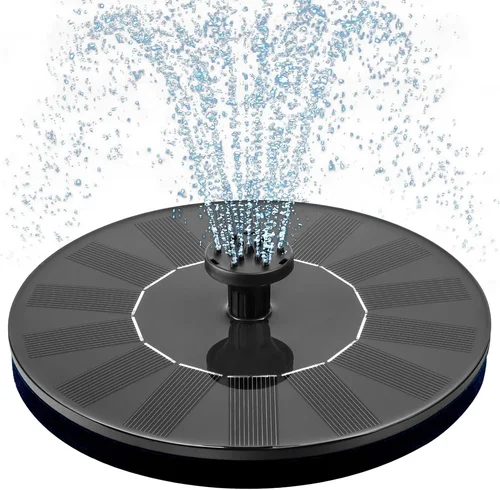
Creating a serene and inviting space for local wildlife in your garden doesn’t have to be complicated or expensive, especially with the advent of solar-powered fountain bird bath pumps. These ingenious devices harness the sun’s energy to circulate water, transforming a static bird bath into a dynamic, flowing oasis that attracts a wider array of birds and adds a soothing ambiance to your outdoor environment. However, with a burgeoning market offering a dizzying array of options, navigating the choices to find the perfect solar pump can feel overwhelming. This comprehensive guide is designed to cut through the noise, providing you with the expert insights and practical advice you need to make an informed decision.
This article will serve as your definitive resource, equipping you with a deep understanding of what truly matters when investing in a solar fountain bird bath pump. We’ll explore the critical factors that dictate performance, durability, and user satisfaction, from the power of the solar panel to the nuances of pump design and nozzle variety. Whether you’re a seasoned gardener looking to upgrade your current setup or a complete novice eager to introduce the joy of flowing water to your backyard for the first time, this guide will demystify the technical jargon and empower you to select a system that perfectly aligns with your needs, budget, and aesthetic preferences.
Our goal is to ensure you not only purchase a pump that works well but one that provides lasting enjoyment and minimal hassle. We’ll delve into the different types of solar pumps available, highlight common pitfalls to avoid, offer practical budget guidelines, and share expert tips for getting the most out of your investment. By the end of this guide, you’ll be confident in choosing a solar fountain bird bath pump that not only enhances your garden’s beauty but also supports local ecosystems, providing fresh, moving water that birds adore and pests detest.

What to Look for When Buying Buying Guide
Choosing the right solar fountain bird bath pump involves more than just picking the first one you see. Several key factors contribute to a pump’s effectiveness, longevity, and overall satisfaction. Understanding these elements will help you make a smart investment.
1. Solar Panel Power and Efficiency
The heart of any solar-powered device is its solar panel. For a bird bath pump, the panel’s wattage directly correlates with the pump’s ability to move water, especially on cloudy days or during periods of less intense sunlight. A higher wattage panel (e.g., 3W to 5W) will generally provide stronger water flow and better performance throughout the day compared to a lower wattage one (e.g., 1W to 2W).
Why it matters: Adequate power ensures consistent water flow, even when sunlight isn’t optimal. Efficiency, on the other hand, refers to how effectively the panel converts sunlight into electrical energy. More efficient panels are often smaller but produce the same power as larger, less efficient ones. You’ll want to consider whether the panel is integrated into the pump unit, floating on the water, or external with a long cable, as this affects placement and aesthetic.
What to look for: Check the stated wattage (W) of the solar panel. Look for monocrystalline silicon panels, which are generally more efficient than polycrystalline types. Consider the panel’s size relative to its power output; a smaller, powerful panel indicates better efficiency. Also, assess the cable length if it’s an external panel to ensure you can position it in direct sunlight away from shade.
2. Pump Flow Rate and Head Height
These two specifications are crucial for understanding the pump’s actual performance. The flow rate, typically measured in Liters Per Hour (LPH) or Gallons Per Hour (GPH), indicates how much water the pump can move. The head height, often measured in centimeters or inches, tells you the maximum height the pump can push water vertically.
Why it matters: A higher flow rate translates to a more vigorous spray pattern, creating more aeration and a more prominent water feature. The head height is vital for determining how high your fountain jets will reach. If you have a deep bird bath or want a dramatic spray, you’ll need a pump with a good head height. Conversely, for a gentle bubbling effect in a shallow dish, a lower head height might suffice.
What to look for: Match the pump’s specifications to your desired aesthetic and the depth of your bird bath. A common range for bird bath pumps is 150-300 LPH with a head height of 30-60 cm (12-24 inches). Be realistic about your expectations; solar pumps rarely produce the same powerful streams as electric pumps due to their reliance on intermittent solar energy.
3. Battery Backup and Storage Capacity
Many advanced solar fountain pumps include a battery backup feature. This means the pump can store excess energy generated on sunny days to power the fountain during cloudy periods, evenings, or early mornings. The battery capacity is usually measured in milliampere-hours (mAh).
Why it matters: A battery backup significantly improves the consistency and reliability of your fountain. Without one, the pump will only operate when direct sunlight hits the panel, leading to intermittent flow. With a battery, your bird bath can remain active for several hours after sunset or during brief periods of shade, providing continuous appeal for birds and a constant soothing sound.
What to look for: If continuous operation is important to you, prioritize models with an integrated battery. Check the battery’s mAh rating; a higher number (e.g., 1500 mAh to 2500 mAh) indicates longer operation time on a full charge. Also, look for intelligent control systems that manage charging and discharge to protect the battery and extend its lifespan.
4. Nozzle Selection and Spray Patterns
Most solar fountain pumps come with a variety of interchangeable nozzles, allowing you to customize the spray pattern. These can range from gentle bubbles and soft mists to tiered sprays and robust jets.
Why it matters: The right nozzle can dramatically change the look and sound of your bird bath. Different patterns attract different types of birds and can also influence water loss due to evaporation or splashing. A gentler spray is often preferred for smaller birds, while a stronger jet might be more visually striking. Having options allows you to experiment and find what you and your avian visitors prefer.
What to look for: Ensure the pump includes at least 3-5 different nozzles. Look for variety in the types of sprays offered. Consider the stability of the nozzles; they should attach securely and not easily detach during operation. Some pumps even offer a “water level sensor” feature that stops the pump if the water level gets too low, preventing dry running and protecting the pump, which is an excellent addition.
5. Build Quality and Durability
A solar fountain pump will spend its entire life outdoors, exposed to sun, rain, and fluctuating temperatures. Its construction materials and overall build quality are paramount for longevity.
Why it matters: A poorly constructed pump will quickly degrade, reducing performance and potentially failing altogether within a short period. Durable materials withstand UV radiation, resist corrosion, and tolerate typical garden conditions, saving you the hassle and cost of frequent replacements.
What to look for: Examine the materials used. The solar panel should have a sturdy frame (often ABS plastic or tempered glass) and be sealed against water intrusion (IP68 rating is ideal for the pump itself). The pump body should be made of durable, non-corrosive plastic. Components like impellers and filters should be accessible for cleaning and made from robust materials. Read reviews for insights into how products hold up over time in various climates.
6. Ease of Cleaning and Maintenance
Bird baths naturally collect debris, algae, and mineral deposits. A solar pump, constantly circulating water, will also accumulate these. Regular cleaning is essential for optimal performance and hygiene.
Why it matters: Clogged filters or impellers significantly reduce water flow and can even lead to pump failure. Neglected cleaning also promotes algae growth and can create an unhealthy environment for birds. An easy-to-clean design minimizes the effort required for maintenance, encouraging you to keep your fountain in top condition.
What to look for: Look for pumps with easily removable filter sponges or mesh guards. The impeller housing should be simple to open, allowing you to access and clean the impeller blades. External solar panels are often easier to wipe down than integrated floating ones, which require removal from the water. Clear instructions for disassembly and cleaning are a bonus.
7. Safety Features and Water Level Sensors
While solar pumps generally operate at low voltage, certain features enhance both the safety of wildlife and the longevity of the pump itself.
Why it matters: Protecting the pump from running dry when the water level drops too low is crucial. Dry running can quickly burn out the motor and void warranties. For wildlife, a stable and well-maintained water source is paramount.
What to look for: Prioritize pumps equipped with a water level sensor or “dry-run protection.” This feature automatically shuts off the pump if the water level falls below a safe threshold, reactivating it once water is replenished. Ensure all electrical components are fully sealed and waterproof (IP68 rating for the submersible pump component). While most bird bath pumps are low voltage, adherence to safety standards provides peace of mind.
8. Brand Reputation and Warranty
The company behind the product matters. A reputable brand often signifies better product quality, reliable customer service, and a commitment to standing behind their merchandise.
Why it matters: Investing in a pump from a well-regarded brand reduces the risk of receiving a faulty or subpar product. A good warranty provides protection against manufacturing defects and gives you recourse if something goes wrong. Excellent customer support can be invaluable when you have questions about installation, maintenance, or troubleshooting.
What to look for: Research brands that specialize in solar garden products. Read reviews not just about the product itself but also about the brand’s customer service and warranty claims process. Look for a warranty period of at least 6 months to 1 year, as this demonstrates the manufacturer’s confidence in their product’s durability. Clear contact information and responsive support channels are good indicators of a trustworthy brand.
Different Types of Buying Guide

Common Buying Mistakes to Avoid
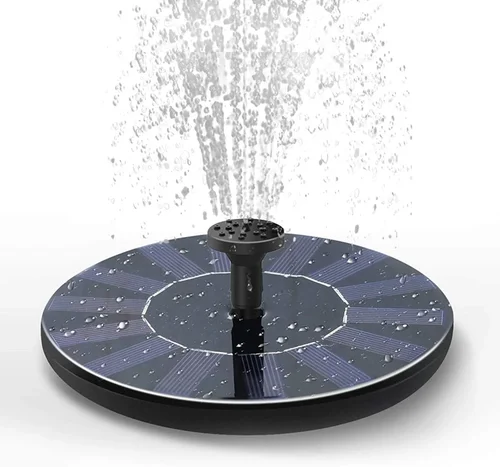
Even with the best intentions, it’s easy to fall into common traps when purchasing a solar fountain bird bath pump. Being aware of these pitfalls can save you time, money, and frustration.
❌ Mistake: Underestimating Solar Power Needs
Why it’s bad: Many buyers opt for the cheapest, lowest-wattage pump, expecting robust performance. These small pumps (e.g., 1W or 1.5W) often only work optimally under direct, intense sunlight, leading to inconsistent or weak flow on even slightly cloudy days or in the early morning/late afternoon. This can be very disappointing when you want a constant, visible water feature.
What to do instead: Assess your expectations for water flow and your climate. If you want a consistent, noticeable fountain, invest in a pump with at least a 3W or 5W solar panel. If continuous operation is key, choose a model with a battery backup. Remember, more power means more reliable and stronger performance.
❌ Mistake: Ignoring Bird Bath Dimensions and Water Depth
Why it’s bad: A pump that’s too powerful for a shallow bird bath will cause excessive splashing, quickly depleting the water and leaving your birds with no drinking source. Conversely, a weak pump in a deep bath might struggle to create any visible fountain effect, merely stirring the water. Also, some floating pumps are too large for smaller baths, leaving no space for birds.
What to do instead: Measure your bird bath’s diameter and depth. Choose a pump with a head height suitable for your bath’s depth and a flow rate that won’t empty it too quickly. For floating pumps, ensure there’s ample space around the pump for birds to land and drink comfortably.
❌ Mistake: Neglecting Ease of Cleaning
Why it’s bad: All bird bath pumps require regular cleaning due to algae, debris, and mineral buildup. If a pump is difficult to disassemble and clean, you’ll be less likely to do it regularly. This leads to reduced performance, potential pump failure, and an unhygienic environment for birds.
What to do instead: Prioritize pumps with easily accessible filters and impellers. Look for designs that allow for tool-free disassembly. Read reviews specifically mentioning ease of maintenance. A few minutes of easy cleaning every week or two will keep your pump running smoothly for years.
❌ Mistake: Not Considering Shade or Panel Placement
Why it’s bad: Solar pumps rely entirely on sunlight. If your bird bath is in a shaded area, or if you place the solar panel where it’s frequently obstructed by trees, buildings, or even garden decor, the pump will underperform or not work at all. This is especially problematic for integrated floating pumps that require direct sun on the water’s surface.
What to do instead: Evaluate your garden’s sun exposure throughout the day. If your bird bath is in a shaded spot, opt for a pump with an external solar panel connected by a long cable. This allows you to place the panel in a sunny location (e.g., on a roof, fence, or in an open area) while the pump remains in the bird bath. Ensure the panel is free from any obstructions.
❌ Mistake: Assuming All Nozzles Are Equal
Why it’s bad: While most pumps come with nozzles, some are poorly designed, causing excessive splashing, uneven sprays, or being prone to clogging. A bad nozzle can quickly diminish the aesthetic appeal and practicality of your fountain.
What to do instead: Look for pumps that include a good variety of well-designed nozzles. Pay attention to reviews that comment on the effectiveness and variety of the spray patterns. A common issue is too much splashing, which can be mitigated by choosing a nozzle that creates a gentle bubble or umbrella effect, especially for smaller bird baths.
❌ Mistake: Overlooking Dry-Run Protection
Why it’s bad: Water evaporates, especially with a fountain running in the sun. If your bird bath’s water level drops too low and the pump continues to run without water, it can quickly overheat and burn out its motor. This shortens the pump’s lifespan significantly and is a common reason for early failure.
What to do instead: Always look for a solar pump that features an automatic dry-run protection system or a low-water sensor. This vital feature will shut off the pump when the water level is insufficient, protecting its motor and extending its life. Even with this feature, regularly topping up your bird bath is still important.
Budget Guidelines: How Much Should You Spend?
The cost of solar fountain bird bath pumps varies significantly, reflecting differences in power, features, durability, and brand. Understanding the typical price tiers will help you set realistic expectations and find the best value for your money.
- Entry-Level ($15 – $40):
What to expect: These are typically basic floating solar pumps without a battery backup. They usually feature a smaller solar panel (1W-2W) and offer a modest flow rate and head height. They might come with a few simple nozzles. Performance is highly dependent on direct, intense sunlight, meaning they will stop or flow weakly on cloudy days or in the shade.
Best for: Buyers on a tight budget, those wanting to try out a solar fountain without a significant investment, or for use in very small, shallow bird baths where consistent flow isn’t a top priority. They are excellent for creating a simple, occasional bubbling effect.
- Mid-Range ($40 – $80):
What to expect: This is often the sweet spot for most buyers. Pumps in this range typically offer more robust solar panels (3W-5W), providing better performance and more consistent flow. Many mid-range models include a small to medium-sized battery backup (e.g., 1000-1500 mAh) for limited operation during cloudy periods or after sunset. You’ll find a wider variety of nozzles, better build quality, and often, the option of an external solar panel for flexible placement.
Best for: Most general users seeking a good balance of performance, features, and durability. These pumps are ideal for medium-sized bird baths and offer a noticeable and fairly consistent fountain effect, extending operation beyond peak sunlight hours.
- Premium ($80 – $150):
What to expect: Moving into the premium tier, you’ll find pumps with larger, more efficient solar panels (5W+), substantial battery capacities (1800-2500 mAh or more), and advanced features like dry-run protection, intelligent power management, and high-quality, durable materials. They often offer a wider array of sophisticated nozzles and stronger, more reliable water flow for extended periods. External panels are common, sometimes with ground stakes or mounting options.
Best for: Enthusiasts who prioritize consistent, strong flow and prolonged operation, even into the evening. These are suitable for larger bird baths or small ponds and for those who want a truly dependable and low-maintenance solution.
- Luxury ($150+):
What to expect: At the top end, these systems might include very large, high-wattage solar panels (10W+), exceptionally long-lasting batteries, or AC/solar hybrid functionality for continuous, uninterrupted operation. They often come with commercial-grade components, multiple pumps, or integrated LED lighting for night illumination. Expect superior durability, advanced control options, and specialized features.
Best for: Those seeking professional-grade performance, maximum reliability, and advanced features for larger water features or ponds where a bird bath pump is part of a more extensive setup. These systems offer the ultimate in convenience and longevity.
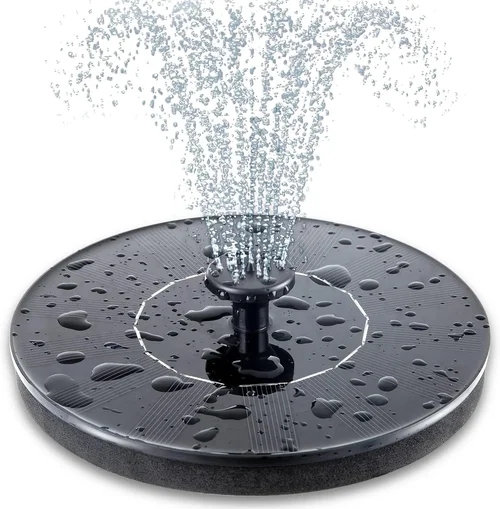
Expert Tips for Getting the Best Deal
Finding the perfect solar fountain bird bath pump is one thing; getting it at the best possible price is another. Here are some expert tips to help you maximize your value and ensure a smart purchase.
- Time Your Purchase with Seasonal Sales: The best times to buy garden accessories, including solar pumps, are typically at the end of summer (August/September) when retailers clear out seasonal inventory, or during major holiday sales events like Black Friday, Cyber Monday, or even spring sales as gardening season begins. Keep an eye out for these periods.
- Compare Prices Across Multiple Retailers: Don’t settle for the first price you see. Use online price comparison tools and check major retailers like Amazon, Walmart, Home Depot, Lowe’s, and specialized garden stores. Sometimes, smaller niche stores might offer competitive prices or unique bundles.
- Look for Bundles and Promotions: Some retailers might bundle a solar pump with a bird bath, accessories, or other garden items at a reduced price compared to buying components separately. Keep an eye out for “buy one, get one free” or percentage-off promotions.
- Leverage User Reviews and Ratings: Before making a purchase, thoroughly read user reviews on various platforms. Pay attention to comments about durability, actual performance (not just advertised specs), ease of cleaning, and customer support. A high average rating from a large number of reviewers is a strong indicator of a good product.
- Understand the Warranty and Return Policy: A robust warranty (at least 6-12 months) provides peace of mind. Familiarize yourself with the retailer’s and manufacturer’s return policies. What’s the return window? Are there restocking fees? Knowing this upfront can save you headaches if the pump isn’t what you expected or arrives defective.
- Consider Refurbished or Open-Box Options: For higher-end models, some retailers offer refurbished or open-box units at a significant discount. These often come with a limited warranty and have been inspected to ensure they are in working order. This can be a great way to get a premium pump without the premium price, but always verify the warranty.
- Check for Included Accessories: Ensure the pump package includes all necessary components like various nozzles, extension tubes, and possibly a filter sponge. Sometimes, seemingly cheaper options might require you to purchase these essentials separately, driving up the total cost.
- Factor in Long-Term Maintenance Costs: While solar pumps are generally low-maintenance, consider the availability and cost of replacement parts like filter sponges or impellers. A slightly more expensive pump with readily available, affordable replacement parts might be a better long-term investment than a cheap one that’s impossible to repair.

Frequently Asked Questions
Q: How much sunlight does a solar fountain pump need to work?
A: Most solar fountain pumps require at least 3-4 hours of direct, unfiltered sunlight per day to operate effectively, especially if they have a battery backup that needs charging. Without direct sun, performance will be intermittent or non-existent for solar-only models. Even on cloudy days, some ambient light can power low-wattage pumps, but flow will be significantly reduced.
Q: Can I use a solar pump in any bird bath?
A: Yes, in most cases. Solar pumps are designed to be versatile. However, consider the size and depth of your bird bath. Ensure there’s enough water for the pump to be fully submerged (typically 1-2 inches minimum) and enough space for floating pumps to move freely without obstruction. Also, make sure the bath’s material won’t be damaged by constant water movement or splashing.
Q: Why does my solar fountain only work sometimes?
A: The most common reason for intermittent operation is insufficient sunlight. Check if the solar panel is getting direct sun without any shade (from leaves, buildings, etc.). Other reasons include a dirty filter or clogged nozzle, low water levels (triggering dry-run protection), or a depleted battery in models with battery backup. Regular cleaning and ensuring ample sun exposure usually resolve these issues.
Q: How often do I need to clean my solar bird bath pump?
A: For optimal performance and hygiene, aim to clean your solar pump and bird bath every 1-2 weeks. This includes removing debris from the water, scrubbing the bird bath to prevent algae buildup, and disassembling the pump to clean the filter sponge and impeller. More frequent cleaning may be necessary in areas with heavy leaf litter or hard water.
Q: Can I leave my solar fountain pump outside in winter?
A: It’s generally not recommended to leave most solar fountain pumps outdoors during freezing temperatures. Water expands when it freezes, which can crack pump housings, damage impellers, and ruin solar panels or batteries. Always refer to the manufacturer’s instructions, but as a rule, store the pump indoors in a dry, frost-free location during winter months.
Q: Will a solar fountain attract more birds than a still bird bath?
A: Absolutely! Moving water is a strong attractant for birds for several reasons. The sound of trickling water grabs their attention, signaling a fresh, clean water source. Moving water also helps deter mosquitoes from laying eggs and keeps the water from stagnating, which birds appreciate. Many bird watchers report a significant increase in avian visitors after adding a fountain.
Q: Do these pumps come with a battery backup?
A: Some, but not all, solar fountain pumps include a battery backup. Entry-level models typically rely solely on direct sunlight. Mid-range and premium models frequently incorporate a rechargeable battery to store excess solar energy, allowing the fountain to operate during cloudy periods or after dark for a few hours. Always check the product specifications if continuous operation is important to you.
Q: How do I prevent water from splashing out of the bird bath?
A: Excessive splashing is a common concern. You can reduce it by choosing a lower-power pump, selecting a nozzle that creates a gentler spray pattern (like a bubble or umbrella effect instead of a high jet), or by placing small, decorative rocks around the edge of the bird bath to break the water’s fall. Ensuring your bird bath is large enough for the chosen pump’s spray pattern is also crucial.
Q: Are solar fountain pumps noisy?
A: Most modern solar fountain pumps are designed to be very quiet. You’re more likely to hear the soothing sound of the water itself than any mechanical noise from the pump. If you notice a buzzing or grinding sound, it often indicates a clogged impeller or a pump that needs cleaning.
Our Final Recommendations
Navigating the world of solar fountain bird bath pumps can feel daunting, but by focusing on your specific needs and applying the knowledge shared in this guide, you’re well on your way to making a fantastic choice. Here are our final recommendations to help you pinpoint the perfect pump for your garden oasis:
- Best for Budget-Conscious Buyers: Integrated Floating Pumps (e.g., 2W-3W without battery).
Reasoning: These pumps are incredibly affordable and offer the simplest setup – just drop them in water. While they’re reliant on direct sunlight, they provide an immediate, charming effect. They are perfect for those who want to enhance an existing bird bath without a significant investment or for those who don’t mind intermittent operation.
- Best Overall Value: Mid-Range Submersible Pump with External 5W Solar Panel and 1500mAh Battery.
Reasoning: This configuration offers the best balance of performance, flexibility, and reliability for most users. The external panel ensures you can always find direct sunlight, regardless of your bird bath’s location. A 5W panel provides strong flow, and the 1500mAh battery allows for consistent operation, even during partial shade or for a few hours into the evening. This setup often includes dry-run protection and a good variety of nozzles, providing excellent features for the price.
- Best Premium Option: High-Power Submersible Pump with 8W+ External Solar Panel, 2500mAh+ Battery, and Advanced Features.
Reasoning: For those who demand consistent, powerful flow and extended operation, this is the ideal choice. The higher wattage panel and larger battery ensure reliability throughout the day and well into the night. Look for advanced features like intelligent power management, comprehensive dry-run protection, and a robust build quality for maximum longevity and peace of mind. This option typically handles larger bird baths or small decorative ponds with ease.
- Best for Beginners: Integrated Floating Pump (3W-4W).
Reasoning: While budget options exist, a slightly more powerful floating pump (3W-4W) provides a better initial experience without being overly complex. It’s still plug-and-play, but the increased wattage means more consistent flow on sunny days, making for a more satisfying introduction to solar fountains. Focus on models with easy-to-clean filters.
- Best for Shaded Areas or Consistent Night Operation: AC/Solar Hybrid Pump with Battery Backup.
Reasoning: If your bird bath is in a naturally shaded location or if you simply cannot tolerate any downtime, a hybrid system is unparalleled. It offers the environmental benefits of solar power during the day and seamlessly switches to AC power when sunlight is insufficient or at night. Combined with a battery backup, this ensures your fountain never stops, providing continuous sound and attraction for birds around the clock, regardless of weather conditions.
Conclusion: Making the Right Choice
Choosing the perfect solar-powered water pump for your bird bath is an exciting step toward creating a more vibrant and inviting garden space. As we’ve explored, the market offers a fantastic array of options, each with its own set of advantages and considerations. From the simplicity of integrated floating pumps to the robust performance of advanced battery-backed and hybrid systems, there’s a solution tailored to every need and budget. The key is to carefully weigh the factors that matter most to you – be it consistent flow, aesthetic integration, ease of maintenance, or the ability to run after sunset.
Remember to prioritize power and efficiency in your solar panel, match the pump’s flow rate and head height to your bird bath’s dimensions, and never underestimate the value of a good battery backup and dry-run protection. By avoiding common pitfalls like underestimating power needs or neglecting cleaning, you’ll ensure your investment provides lasting joy. Ultimately, the right choice isn’t necessarily the most expensive or the most feature-rich, but rather the pump that best aligns with your garden’s specific conditions, your aesthetic desires, and your commitment to providing a refreshing oasis for your feathered friends. Happy bird watching!