Welcome, fellow garden enthusiasts and nature lovers! If you’ve ever dreamt of transforming your backyard into a serene sanctuary, buzzing with life and the gentle murmur of flowing water, you’re in the right place. A solar powered water fountain bird bath isn’t just a garden ornament; it’s a vibrant ecosystem in miniature, offering a life-sustaining resource for local wildlife while adding a touch of elegance and tranquility to your outdoor space. The charm of watching birds splash and drink, knowing you’re providing a vital service without adding a cent to your electricity bill, is truly a unique pleasure.
This comprehensive guide is crafted to empower you with all the knowledge you need to make an informed decision when purchasing your perfect solar fountain bird bath. The market can be surprisingly vast and varied, from simple floating units to elaborate multi-tiered structures, each with its own set of features, benefits, and potential pitfalls. We’ll demystify the technical jargon, highlight crucial considerations, and help you navigate the myriad options to find a product that perfectly aligns with your aesthetic preferences, functional needs, and budget.
Whether you’re a seasoned gardener looking to upgrade your current setup, or a beginner eager to attract more feathered friends, this article will serve as your definitive resource. We’ll delve into the essential factors that define a quality product, compare different types available, uncover common purchasing mistakes, and offer expert tips to ensure your investment brings joy for years to come. Prepare to learn about everything from solar panel efficiency and pump performance to material durability and maintenance routines, equipping you to create a delightful, sustainable haven right outside your door.

What to Look for When Buying Buying Guide
Embarking on the journey to purchase a solar powered water fountain bird bath can be exciting, but it’s important to approach it with a clear understanding of what truly matters. From the unseen mechanics to the visible aesthetics, several key factors will dictate the performance, longevity, and overall satisfaction you derive from your purchase. Think of these as your checklist to ensure you’re making a wise and well-considered investment.
1. Performance Specifications: Solar Panel & Pump Power
At the heart of every solar fountain bird bath is its ability to harness the sun’s energy and convert it into water flow. This hinges on two critical components: the solar panel and the water pump. A robust solar panel, measured in wattage (W), determines how much sunlight can be captured. Higher wattage generally means better performance, especially on partially cloudy days. Look for panels made from monocrystalline or polycrystalline silicon for optimal efficiency and longevity. The pump’s flow rate, often expressed in gallons per hour (GPH) or liters per hour (LPH), dictates the height and strength of the water spray. A higher GPH allows for more impressive fountain effects, but also requires more power.
Consider also the different spray patterns offered by various nozzles. Some units come with multiple interchangeable nozzles, allowing you to customize the fountain’s appearance, from gentle bubbles to powerful jets. This adds versatility and allows you to adjust based on wind conditions or desired aesthetic.
2. Build Quality & Durability of Materials
Your solar fountain bird bath will reside outdoors, exposed to the elements year-round. Therefore, the materials it’s constructed from are paramount to its lifespan and appearance. Common materials include resin, ceramic, metal, and natural stone. Resin (often polyresin) is lightweight, affordable, and can be molded to mimic various textures like stone or wood. However, cheaper resins can fade or become brittle over time due to UV exposure. Look for UV-stabilized or weather-resistant resin. Ceramic offers a classic, elegant look but can be fragile and susceptible to cracking in freezing temperatures if not properly winterized. Metal (like copper or cast iron) provides exceptional durability and a distinctive aesthetic, but can be heavier and more expensive, and may develop a patina over time. Natural stone offers unmatched longevity and beauty but is often the most expensive and heaviest option, requiring careful placement.
Beyond the primary material, examine the quality of the solar panel casing and pump components. Submersible pumps should be made from durable, corrosion-resistant plastic or stainless steel, and seals should be robust to prevent water ingress. High-quality construction ensures resistance to fading, cracking, and general wear and tear from sun, rain, and temperature fluctuations.
3. Design, Aesthetics & Size Considerations
A solar fountain bird bath should complement your garden’s existing style. Do you prefer a modern, minimalist design, a rustic cottage look, or a classic, ornate piece? Consider the color, texture, and overall silhouette. Size is another crucial factor. A small, subtle fountain might be perfect for a balcony or compact patio, while a larger, more elaborate piece can serve as a stunning focal point in a spacious garden. Measure your intended placement area to ensure the fountain fits comfortably and proportionately. Also, think about the depth of the water basin; a shallower basin is generally preferred by smaller birds for bathing, while deeper ones might be better for larger birds or simply for aesthetic appeal.
4. Features & Functionality Enhancements
Modern solar fountain bird baths often come with additional features that enhance their appeal and usability. As mentioned, a battery backup is a significant advantage, allowing the fountain to operate even without direct sunlight. LED lighting can transform your fountain into a captivating nocturnal display, perfect for evening enjoyment. Some units include a water filter system to help keep the water cleaner for longer, reducing the frequency of deep cleaning. Adjustable flow control is another useful feature, enabling you to fine-tune the water flow to prevent excessive splashing or conserve battery power. An anti-clogging filter for the pump can minimize debris accumulation, extending the pump’s life and maintaining consistent performance. Look for easy-to-access filters and simple disassembly for cleaning purposes.
5. Ease of Maintenance & Cleaning
While solar fountains are generally low-maintenance compared to their electric counterparts, they still require regular cleaning to prevent algae growth, mineral buildup, and pump clogging. Look for designs that are easy to disassemble and clean. Smooth, non-porous surfaces tend to be easier to wipe down than intricate, textured ones. Consider models with accessible pumps and filters that can be easily removed and rinsed. A wide, shallow basin might mean more frequent refilling due to evaporation and splashing, but also makes it easier for birds to bathe safely. Understanding the cleaning routine before you buy will help you choose a fountain that fits your lifestyle and commitment level.
6. Ease of Assembly & Installation
Most solar powered water fountain bird baths are designed for relatively straightforward assembly, often requiring no special tools. However, some larger or more complex models might involve a bit more effort. Read product descriptions and user reviews regarding assembly difficulty. Clear, comprehensive instructions are a good sign of a user-friendly product. Ensure the unit is stable once assembled, especially if you live in an area prone to strong winds or have pets and children who might bump into it. A stable base or the option to anchor it down can be important safety features.
7. Brand Reputation & Customer Support
Purchasing from a reputable brand can offer peace of mind. Established brands often have a track record of producing quality products, providing better customer support, and honoring warranties. Do a quick search for brand reviews and customer experiences. A good warranty (typically 1-2 years for the pump and solar panel) indicates the manufacturer’s confidence in their product. Availability of replacement parts, especially for the pump or solar panel, is also a significant consideration, as these are the components most likely to wear out over time.
8. Budget & Price Range
Solar powered water fountain bird baths come in a wide range of prices, from under $50 for basic floating units to several hundred dollars for premium, integrated systems. Your budget will influence the materials, features, and overall quality you can expect. While it’s tempting to opt for the cheapest option, remember that investing a little more upfront often leads to better durability, performance, and fewer headaches down the line. Balance your desired features with what you’re willing to spend, keeping in mind the long-term value and enjoyment the product will provide.
Different Types of Buying Guide
The world of solar powered water fountain bird baths is more diverse than you might first imagine, offering various designs and functionalities to suit different garden styles and preferences. Understanding these categories can help you narrow down your choices and find the perfect fit for your outdoor space. Each type offers a unique aesthetic and practical approach to bringing the soothing sound and sight of moving water to your garden.

Common Buying Mistakes to Avoid
Even with the best intentions, it’s easy to make missteps when buying something new, especially a product with both aesthetic and functional considerations like a solar powered water fountain bird bath. Learning from the common errors of others can save you time, money, and frustration. Here are some pitfalls to steer clear of:
❌ Mistake: Ignoring Solar Panel Quality and Size
Why it’s bad: Many buyers focus solely on the fountain’s appearance, overlooking the critical component that powers it. A small, inefficient solar panel will result in weak water flow, intermittent operation, and poor performance on anything less than a perfectly sunny day. This leads to disappointment and a fountain that rarely functions as desired.
What to do instead: Prioritize the quality and wattage of the solar panel. Look for monocrystalline or polycrystalline panels with at least 3W-5W for a decent flow, and more for larger fountains. Consider units with a separate, adjustable solar panel that can be optimally angled towards the sun, even if the fountain itself is in partial shade. Always check for battery backup capabilities to ensure continuous operation.
❌ Mistake: Underestimating Maintenance Needs
Why it’s bad: Assuming a solar fountain is entirely self-sufficient can lead to clogged pumps, stagnant water, and unsightly algae buildup. Neglecting regular cleaning will shorten the pump’s lifespan, reduce water flow, and create an unhealthy environment for birds.
What to do instead: Understand that all water features require maintenance. Choose a design that is easy to access for cleaning – smooth basins, easily removable pumps, and accessible filters. Plan to clean your fountain basin at least once a week, and the pump/filter every 2-4 weeks. This proactive approach keeps the water fresh and the fountain functioning optimally.
❌ Mistake: Choosing Inappropriate Size or Style for Your Space
Why it’s bad: A fountain that’s too large can overwhelm a small patio or garden, making the space feel cramped. Conversely, a tiny fountain can get lost in a sprawling backyard, failing to make any visual impact. An aesthetic clash with your existing garden decor can also create an unharmonious look.
What to do instead: Before purchasing, measure the intended location. Visualize the fountain in your space. Consider the scale of your garden and the surrounding elements. Look for a style that complements your existing landscaping and home architecture, whether that’s rustic, modern, or traditional. Think about the sightlines from your windows and seating areas.
❌ Mistake: Overlooking the Importance of Battery Backup
Why it’s bad: Many basic solar fountains only operate when direct sunlight hits the panel. This means no water flow on cloudy days, in the evening, or if a shadow falls over the panel. This intermittent operation can be frustrating and limits the fountain’s utility for birds.
What to do instead: Whenever possible, opt for a solar fountain with a built-in battery backup. This allows the collected solar energy to be stored, providing consistent water flow even when the sun isn’t shining directly. While these units are generally more expensive, the continuous operation is well worth the investment for uninterrupted beauty and functionality.
❌ Mistake: Prioritizing Price Over Durability
Why it’s bad: The cheapest solar bird baths often use low-quality plastics or thin resin that quickly fades, cracks, or becomes brittle under UV exposure. While saving money upfront, you’ll likely face replacement costs much sooner, making it a false economy.
What to do instead: Invest in quality materials that are designed for outdoor use. Look for UV-stabilized resin, durable ceramic, or weather-resistant metals. Read reviews to see how products hold up over time in various climates. A slightly higher initial investment in a well-constructed product will pay off in years of reliable enjoyment.
❌ Mistake: Incorrect Placement (Too Much Shade)
Why it’s bad: A solar fountain needs direct sunlight to function optimally (unless it has a robust battery backup). Placing it in a shaded area, even if it looks aesthetically pleasing, will severely limit its performance, leading to weak or no water flow.
What to do instead: Identify a spot in your garden that receives at least 6-8 hours of direct, unobstructed sunlight daily, especially during the peak hours of 10 AM to 4 PM. If your preferred location is shaded, consider a model with a remote solar panel that can be placed in a sunny spot while the fountain sits in the shade.
❌ Mistake: Disregarding Warranty and Return Policies
Why it’s bad: Electronic components, especially pumps and solar panels, can sometimes fail prematurely. Without a clear warranty or a lenient return policy, you could be stuck with a non-functional unit and no recourse.
What to do instead: Always check the manufacturer’s warranty for both the fountain structure and the electronic components (pump and solar panel). A minimum of a 1-year warranty on the pump and panel is advisable. Also, familiarize yourself with the retailer’s return policy in case the product arrives damaged or doesn’t meet your expectations.
Budget Guidelines: How Much Should You Spend?
Determining how much to spend on a solar powered water fountain bird bath depends heavily on your expectations regarding features, materials, durability, and overall aesthetics. Like many garden features, the price range is broad, but understanding what you get at each tier can help you set a realistic budget.
Entry-Level ($20 – $70)
What to expect: This price bracket typically includes basic floating solar fountain kits or very small, simple integrated bird baths made of lightweight plastic or thin resin.
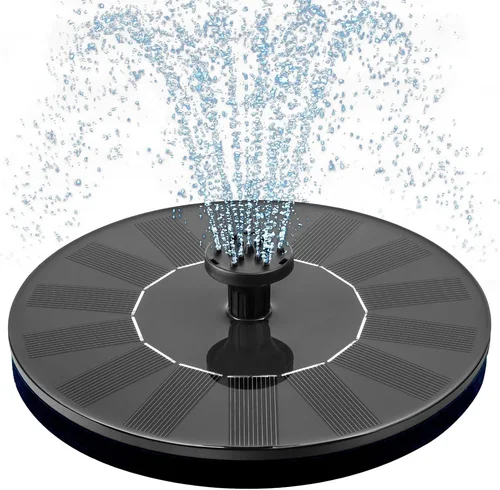
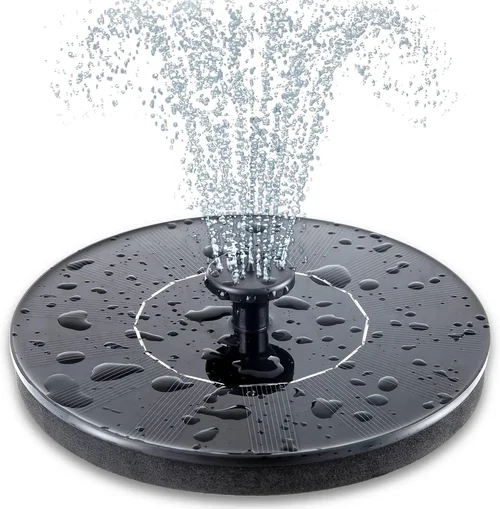
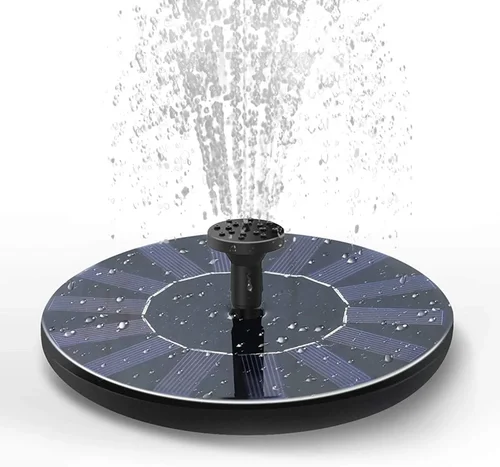
- Floating Kits: These are individual solar panels with a pump attached, designed to float on the water surface of an existing bird bath, pond, or container. They often lack battery backup, meaning they only work in direct sunlight. They come with a few interchangeable nozzles for spray patterns.
- Integrated Bird Baths: At the lower end, these will be small, simple designs, likely made from basic plastic or thin resin, with a very small solar panel integrated directly into the basin. They usually don’t have battery backup or advanced features.
Best for: Experimenting with solar fountains, adding a subtle water feature to an existing setup, or for those with very limited budgets. Don’t expect robust performance or long-term durability from most items in this range.
Mid-Range ($70 – $150)
Sweet spot for most buyers: This is where you start to find a good balance of features, durability, and aesthetic appeal.
- What to expect: Integrated bird baths with more robust resin construction, better detailing, and often a more substantial solar panel. Many models in this range will include a small battery backup, allowing for operation into the evening or on partly cloudy days. You might find some with LED lights or a wider variety of spray nozzles. Materials will be more durable, less prone to fading.
Best for: Homeowners seeking a reliable, attractive, and functional solar fountain bird bath that offers good value without breaking the bank. This range provides a noticeable step up in quality and features compared to entry-level options.
Premium ($150 – $300)
For enthusiasts and those seeking enhanced features: Moving into this tier, you can expect higher quality materials, larger sizes, and more advanced functionalities.
- What to expect: More durable materials like high-grade resin, ceramic, or even some metal options. The solar panels will be more efficient, often larger or remote-controlled for optimal sun exposure. Battery backup systems will be more substantial, offering longer run times. You’ll find features like comprehensive filtration systems, sophisticated LED lighting, multi-tiered designs, and more intricate aesthetics. Construction will be noticeably sturdier.
Best for: Buyers who prioritize durability, consistent performance, continuous operation (especially with battery backup), and a more prominent, attractive garden feature. These fountains offer a superior user experience and longer lifespan.
Luxury ($300+)
Top-tier features and craftsmanship: This category is for those who view their solar fountain as a significant garden investment and a focal point.
- What to expect: Exquisite craftsmanship, premium materials like natural stone, high-quality copper, or heavy-duty, meticulously sculpted resin. These will feature powerful, efficient solar panels, large-capacity battery backups, and advanced pumps for strong, consistent water flow. Expect sophisticated LED lighting, robust filtration systems, and often unique, artistic designs. These are built for longevity and maximum visual impact.
Best for: Enthusiasts, landscape designers, or anyone looking for a statement piece that combines top-tier performance with exceptional aesthetic appeal and durability. These are significant investments designed to last for many years and provide an unparalleled experience.
Expert Tips for Getting the Best Deal
Beyond simply choosing the right model, smart shopping strategies can help you secure the best value for your money. Here’s how to navigate the market like a seasoned pro and ensure you’re getting a fantastic deal on your solar powered water fountain bird bath.
1. Timing Your Purchase: Seasonal Sales & Off-Season Deals
Like many garden products, solar fountains often go on sale seasonally. The best times to buy are typically at the end of summer or early fall when retailers are clearing out inventory to make room for holiday items. You might also find deals during major shopping holidays like Black Friday, Cyber Monday, or even spring garden sales as new models are introduced. Purchasing during the off-season (late fall/winter) can sometimes yield significant discounts, though selection might be limited.
2. Where to Buy: Online vs. In-Store
Both online and brick-and-mortar stores have their advantages.
- Online Retailers: Offer a wider selection, competitive pricing due to lower overhead, and the convenience of home delivery. You can easily compare models, read extensive reviews, and often find unique designs. However, you can’t physically inspect the product, which can be a drawback for assessing material quality.
- In-Store (Garden Centers, Home Improvement Stores): Allows you to see the product firsthand, feel the materials, and assess the size and aesthetic. Staff can offer personalized advice. However, selection might be smaller, and prices could be slightly higher.
Recommendation: Research extensively online, read reviews, and compare prices. If possible, visit a local store to see similar models in person to get a feel for materials and scale, then buy from where you find the best combination of price, return policy, and shipping.
3. How to Spot a Genuine Deal
Not every “sale” is a good deal. Look for substantial discounts (20% or more off the regular price). Be wary of deals that seem too good to be true, especially from unknown sellers, as they might indicate lower quality or refurbished items. Compare the discounted price across multiple retailers to ensure it’s truly a bargain. Look for bundles where accessories like extra nozzles, cleaning kits, or even a protective cover are included.
4. Thoroughly Check Warranty Considerations
A strong warranty is your safeguard against manufacturing defects or premature component failure. Ensure the warranty covers both the main fountain structure and, crucially, the pump and solar panel. Electronic components are often the first to fail. A 1-2 year warranty on these parts is standard and advisable. Understand what voids the warranty (e.g., improper winterization).
5. Understand Return Policies Before You Buy
Even after thorough research, a product might not meet your expectations once it arrives. A clear and reasonable return policy is vital. Check the return window (e.g., 30, 60, or 90 days), whether you’re responsible for return shipping costs, and if there are any restocking fees. This is particularly important for larger items that are more cumbersome to return.
6. Don’t Hesitate to Ask Questions and Read Reviews Critically
If buying in-store, ask the sales associate about maintenance, durability, and specific features. Online, scour the FAQ section and customer Q&A. When reading user reviews, look for patterns. A few negative reviews are normal, but consistent complaints about pump failure, fading, or difficult assembly are red flags. Pay attention to reviews that mention specific details about long-term performance and customer service experiences.
7. Consider DIY Assembly and Setup
While some premium fountains might offer professional installation, most solar bird baths are designed for DIY setup. By handling the assembly yourself, you save on installation costs. Ensure you have clear instructions and all necessary parts upon delivery. A quick dry run of the assembly process can help you identify any missing pieces or potential difficulties before you start adding water.

Frequently Asked Questions
It’s natural to have a lot of questions when venturing into a new product category. Here are some of the most common queries about solar powered water fountain bird baths, answered to help you feel more confident in your purchase and ownership.
Q: How long do solar powered water fountain bird baths typically last?
A: The lifespan varies significantly based on material quality, brand, and maintenance. The fountain structure itself, if made from durable resin, ceramic, or stone, can last 5-10 years or more. However, the solar pump and panel are the most common components to wear out, typically lasting 1-3 years before needing replacement. Higher-quality pumps and panels may last longer. Proper winterization and regular cleaning can significantly extend the life of all components.
Q: Do solar fountains work on cloudy days or at night?
A: Basic solar fountains without battery backup only work in direct, strong sunlight. On cloudy days, their performance will be weak or non-existent. However, many mid-range and premium models include a battery backup. These batteries charge during sunny periods and can power the fountain for several hours after sunset or during overcast conditions. The duration depends on the battery’s capacity and the pump’s power consumption.
Q: How often should I clean my solar bird bath?
A: For hygiene and optimal performance, the water basin should be refreshed and rinsed every 2-3 days, especially in warm weather. A thorough cleaning of the basin, pump, and filter is recommended at least once a week to prevent algae growth, mineral buildup, and pump clogging. If you notice reduced water flow, it’s often an indication that the pump or filter needs cleaning.
Q: Can I use tap water in my solar fountain bird bath?
A: Yes, tap water is generally fine. However, if your tap water has a high mineral content (hard water), mineral deposits can accumulate on the fountain surfaces and inside the pump over time. This can look unsightly and potentially clog the pump. In such cases, using distilled water, or adding a bird-safe enzyme cleaner designed to reduce mineral buildup, can be beneficial.
Q: How do I prevent mosquitoes from breeding in the water?
A: The good news is that the constant movement of water in a fountain bird bath largely prevents mosquito breeding. Mosquitoes prefer stagnant water to lay their eggs. If your fountain isn’t running continuously due to lack of sun or battery, ensure you empty and refresh the water regularly (every 2-3 days). You can also add mosquito dunks (Bacillus thuringiensis israelensis – BTI), which are natural and bird-safe, to kill mosquito larvae without harming other wildlife.
Q: What should I do with my solar fountain bird bath in winter?
A: Most solar fountain bird baths, especially those made of ceramic or resin, are not designed to withstand freezing temperatures. Water expands when it freezes, which can cause cracking. It’s best to empty the fountain, clean it thoroughly, and store it indoors in a shed, garage, or basement for the winter. Remove the pump and solar panel first, clean them, and store them separately according to the manufacturer’s instructions. If you have a very robust stone or metal fountain, you might be able to leave the basin out, but you must remove the pump and ensure no water collects in the basin.
Q: My solar fountain isn’t working. What should I troubleshoot?
A:
- Check Sunlight: Ensure the solar panel is receiving full, direct sunlight, free from shadows.
- Clean Panel: Wipe the solar panel clean of dust, leaves, or bird droppings.
- Check Water Level: Make sure the water level is sufficient to fully submerge the pump.
- Clean Pump & Filter: Disassemble the pump and clean any debris from the impeller and filter. Mineral buildup can also hinder performance.
- Check Nozzle: Ensure the nozzle isn’t clogged.
- Battery (if applicable): If it has a battery, ensure it’s fully charged. If it’s old, the battery might need replacement.
If these steps don’t resolve the issue, consult the manufacturer’s manual or contact customer support.
Q: Are these fountains safe for all types of birds?
A: Yes, solar fountain bird baths are generally very safe for birds. The moving water attracts birds, keeps the water fresh, and discourages insect breeding. For smaller birds, ensure the basin isn’t too deep; adding some smooth stones or gravel to create shallow areas can provide safer perching and bathing spots. Avoid using harsh chemicals for cleaning, sticking to water and a brush, or bird-safe enzyme cleaners.
Our Final Recommendations
Choosing the perfect solar powered water fountain bird bath is a personal journey, but to help you finalize your decision, here are our top recommendations tailored to different buyer profiles, grounded in the expert advice we’ve shared throughout this guide.
Best for Budget-Conscious Buyers: Simple Floating Solar Fountain Kit
For those just starting out or looking to enhance an existing bird bath without a significant investment, a basic floating solar fountain kit is ideal. These cost-effective units provide the movement and sound of water, attracting birds, and are incredibly easy to deploy. Look for models with at least 1.5-2W solar panels and a selection of nozzles. While they typically lack battery backup, their affordability makes them a great entry point into solar-powered water features.
Best Overall Value: Mid-Range Integrated Solar Bird Bath with Battery Backup
This category represents the sweet spot for most buyers, offering a fantastic balance of features, durability, and consistent performance without a premium price tag. Look for integrated units made from UV-stabilized resin, with a solar panel of 3W or higher, and a reliable battery backup system that provides 2-4 hours of operation after dark or on cloudy days. Models with basic LED lighting and a few spray nozzle options will offer a rewarding experience and good longevity, providing excellent bang for your buck.
Best Premium Option: High-Capacity Multi-Tiered Solar Fountain with Advanced Features
If you’re ready to invest in a stunning garden focal point that offers continuous enjoyment and robust performance, a premium multi-tiered solar fountain is the way to go. Seek out models crafted from high-grade resin, ceramic, or even stone, with a powerful solar panel (5W+), a large-capacity battery (2000mAh+), and a durable, efficient pump. Features like integrated LED lighting, advanced filtration, and remote solar panel placement options will elevate your experience, delivering a luxurious and highly functional water feature designed to last.
Best for Beginners: Easy-Assembly Integrated Solar Bird Bath
New to solar fountains? Look for an integrated unit that boasts tool-free or minimal-tool assembly, clear instructions, and a relatively simple, one-piece design (aside from the pump/panel). Resin models are typically lighter and easier to move and clean. Prioritize a model with an easily accessible pump and filter for hassle-free maintenance. A mid-range integrated model with a small battery backup is a good starting point for a no-fuss setup and enjoyable experience.
Best for Advanced Users/Specific Needs: Modular Remote-Panel Solar Fountain System
For those with unique garden layouts, shaded areas, or a desire for customization, a modular system with a remote solar panel is an excellent choice. This allows you to place the fountain itself in a perfectly aesthetic spot, even if it’s partially shaded, while positioning the solar panel in optimal direct sunlight (up to 10-15 feet away). These systems often come with more powerful pumps, larger batteries, and the flexibility to integrate into existing ponds or custom basins, offering a high degree of control and performance for the discerning gardener.
Conclusion: Making the Right Choice
Bringing a solar powered water fountain bird bath into your garden is more than just an aesthetic upgrade; it’s an invitation for nature to thrive and a commitment to sustainable living. We’ve journeyed through the intricate world of these delightful garden features, exploring everything from crucial performance specifications and durable materials to thoughtful design choices and essential maintenance practices. Remember, the key to a satisfying purchase lies in understanding your specific needs, prioritizing quality components, and aligning your choice with your garden’s unique character and your personal budget.
Don’t rush the decision. Take the time to consider the factors we’ve discussed, read reviews from other users, and envision how the fountain will integrate into your outdoor sanctuary. By focusing on solar panel efficiency, pump longevity, material durability, and features like battery backup, you’ll be well-equipped to select a solar fountain bird bath that not only looks beautiful but also provides years of reliable, eco-friendly enjoyment for both you and your feathered visitors. Happy gardening!