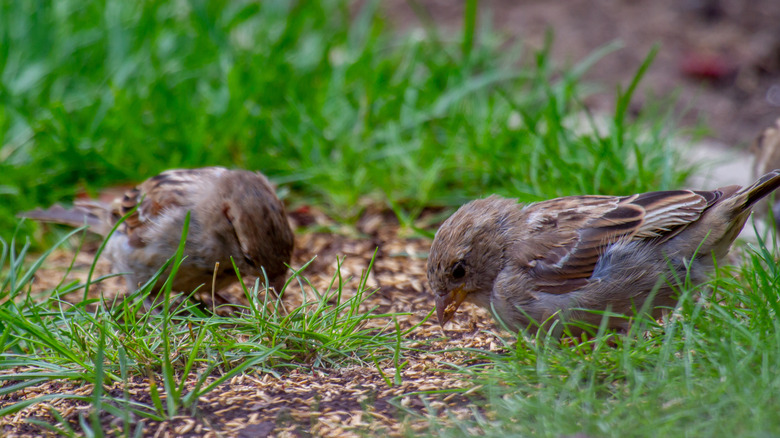
Are you tired of watching birds swoop down and snatch up the lawn seed you just spread? It’s frustrating to work hard on planting your perfect lawn, only to see those tiny seeds disappear before they have a chance to grow.
But don’t worry—you’re not alone, and there are simple, effective ways to protect your lawn seed from hungry birds. Keep reading to discover easy tips that will help you save your seeds and grow a lush, green lawn faster than you thought possible.
Your dream lawn is closer than you think!
Choose Bird-resistant Seed
Choose bird-resistant lawn seedto protect your grass from hungry birds. Some seeds are less tasty or harder to eat. This helps reduce seed loss and saves money.
Here are some common bird-resistant seed types:
- Fescue: Coarse texture that birds avoid.
- Ryegrass: Fast growing and less appealing.
- Bluegrass: Dense and harder for birds to pick.
Using these seeds can make a big difference. Also, mixing seeds might help keep birds away.
Credit: mossawistudios.com
Use Physical Barriers
Nettingis a simple and effective way to protect lawn seed. Use bird nettingmade of fine mesh to cover the seeded area. This stops birds from reaching the seeds while allowing sunlight and water to pass through. Secure the netting with stakes or weights to keep it from blowing away.
Temporary covers like lightweight fabricor plastic sheetscan also shield seeds. Remove covers once seeds start to grow to avoid trapping heat or moisture. These covers protect seeds during the most vulnerable time after planting.
Apply Natural Repellents
Natural repellents help keep birds away from lawn seed. They are safe and easy to use.
Homemade sprayscan be made with simple ingredients like garlic, chili, or vinegar. These smells bother birds and make them avoid the area. Spray the mixture lightly on the soil after planting seeds. Reapply after rain or watering to keep it fresh.
Commercial productsinclude bird repellents that use natural oils or smells. Many come in spray bottles or granules to spread around the lawn. They work by creating an unpleasant smell or taste for birds. Follow the instructions carefully to protect your grass and seeds.

Credit: www.aol.com
Create Distractions
Distract birds by placing shiny objects or bird feeders away from your lawn. This keeps them busy and protects the seeds from being eaten. Creating a different focus helps your grass grow without bird interruptions.
Bird Feeders Placement
Placing bird feedersaway from the lawn can help. Birds will be drawn to the feeders instead of the lawn seeds. Choose a spot that’s far enough from the grass. This keeps the birds busy and away from your lawn. Hang feeders at different heights. This adds interest for the birds.
Decoy Techniques
Using decoys like fake predator birdscan be effective. Owls or hawk statues keep birds away. Move the decoys often to keep them believable. Bright spinning objects can also distract birds. Try using pinwheels or shiny ribbons. They confuse and scare away birds.
Timing And Seeding Techniques
Seeding at the right timehelps protect seeds from birds. Early morning or late evening is best. Birds are less active then. Spring and early fall offer cool, moist soil for good seed growth.
Different sowing methodsalso reduce seed loss. Cover seeds lightly with soil to hide them. Using a seed spreader helps place seeds evenly and avoids clumps that attract birds.
- Mix seeds with sand to make them less visible.
- Water the lawn immediately after seeding to settle seeds.
- Use a roller to press seeds gently into the soil.
Credit: www.outdoorguide.com
Frequently Asked Questions
How Can I Protect Lawn Seed From Birds Naturally?
Cover seeds with light mulch or netting to keep birds away without chemicals.
What Homemade Bird Deterrents Work Best For Lawn Seed?
Shiny objects, like aluminum foil strips, or scare tape can scare birds off effectively.
When Is The Best Time To Sow Lawn Seed To Avoid Birds?
Plant seeds in the early morning or late evening when birds are less active.
Conclusion
Stopping birds from eating lawn seed takes patience and care. Cover seeds with light mulch or netting to protect them. Scare birds with reflective objects or noise makers. Water the soil gently to help seeds stay in place. Keep trying different methods until you find what works best.
Soon, your grass will grow green and strong. Enjoy a beautiful lawn without worrying about hungry birds.