
Are you tired of finding twigs and feathers scattered around your porch or garden? Birds building nests in unwanted places can be frustrating and messy.
But what if you could stop them before they settle in? You’ll discover simple, effective ways to keep birds from making nests where you don’t want them. Whether it’s your windowsill, attic, or outdoor furniture, these tips will help protect your space and save you time and effort.
Keep reading to learn how you can take control and keep your home bird-free in the best way possible.
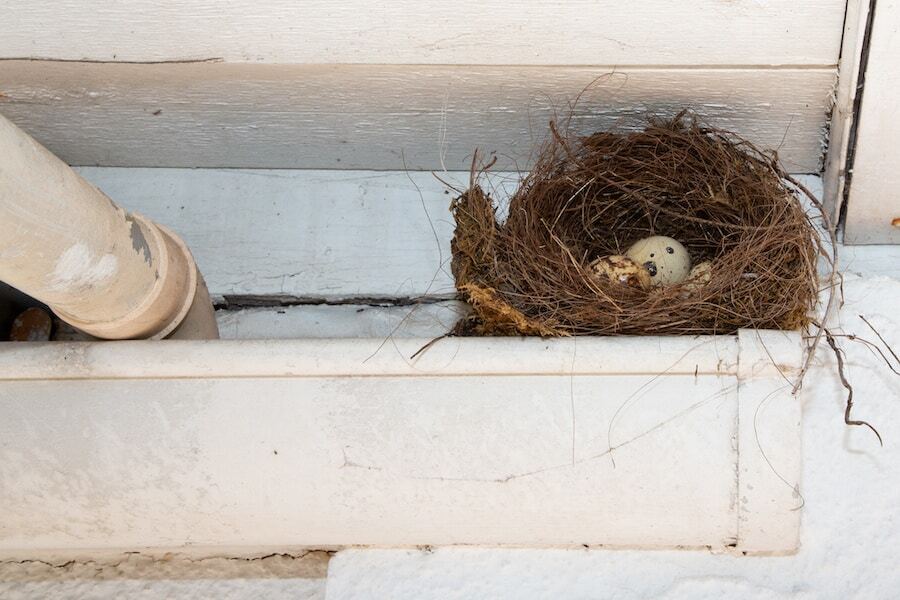
Credit: www.callnorthwest.com
Why Birds Build Nests
Birds build nests to keep their eggs safe and warm. Nests protect baby birds from cold weather and predators. Birds choose places that offer shelter and food nearby. A good nest spot helps them raise healthy chicks.
- Tree branches
- Under roof eaves
- Inside vents or chimneys
- On window ledges
- In garden shrubs
Some birds like to live close to humans. These species often make nests near homes:
| Bird Species | Common Nesting Spot Near Homes |
|---|---|
| House Sparrow | Roof eaves and vents |
| Swallows | Under porch ceilings |
| Pigeons | Building ledges and balconies |
| Robins | Garden shrubs and flowerpots |

Credit: www.familyhandyman.com
Signs Of Nest Building
Birds use many types of materialsto build nests. Common items include:
- Twigs and small sticks
- Leaves and grass
- Feathers and fur
- String, yarn, or cloth pieces
- Mud or clay for sticking things together
Birds collect these materials carefully. They look for soft and safe items to protect eggs.
Nest building often follows a daily pattern. Birds work mostly in the early morning and late afternoon. They stop during the hottest part of the day.
Many birds build nests in spring and early summer. This is the best time to watch for nest building signs.
Preventive Measures
Block all small openings and gaps where birds can enter. Use wire mesh or netting to cover vents and holes. Make sure the barriers are tight and secure.
Bird deterrents like shiny objects, reflective tape, and fake predators can scare birds away. Place them near common nesting spots. Change their position often to keep birds cautious.
Remove or trim trees and bushes close to buildings. Clear away clutter like old wood or piles of leaves. Keep the area clean and dry to make it less attractive for nesting.
Safe Removal Techniques
Prevent birds from nesting by gently removing early materials before they build a full nest. Use harmless deterrents like bird spikes or netting to keep birds away safely. Acting early helps avoid harm to birds and their young.
Legal Considerations
Birds are protected by laws. Check local rules before removing nests. Some birds cannot be disturbed during nesting season. Fines and penalties may apply if rules are broken. Always ensure you act within legal limits.
When And How To Remove Nests
Remove nests before eggs are laid. This is safer for birds. Wear gloves to protect your hands. Use a stick or a broom to gently move nests. Avoid hurting birds or breaking eggs. Cover the area to prevent birds returning. Clean the space to deter new nests. Bird repellents can help. Hang shiny objects to scare birds away. Noise makers can also be effective. Always be gentle and respectful.
Alternative Solutions
Providing birdhousesaway from your home gives birds a safe place. These houses attract birds to build nests there, not on your property. Place birdhouses in quiet, shaded areas. Use materials that protect birds from weather and predators. Clean birdhouses regularly to keep them inviting.
Encouraging natural habitatshelps birds find better nesting spots. Plant native trees and shrubs that offer shelter and food. Avoid cutting down bushes during nesting seasons. Leave some leaf litter and twigs for birds to use as nesting material. This approach supports birds and keeps them from nesting where you don’t want them.
Maintaining A Bird-free Area
Check the area often to spot early signs of bird nesting. Look for twigs, leaves, and feathers. Remove these materials quickly to stop nests from forming.
Keep the space clean and free from food scraps. Birds are less likely to stay if there is no easy food source.
- Use bird spikes on ledges and beams to prevent landing.
- Hang shiny objects like CDs or aluminum foil strips to scare birds.
- Set up fake predators like owls or snakes to keep birds away.
- Cover vents and holes with mesh to block entry points.
Regularly change deterrents so birds do not get used to them. Persistence helps keep the area bird-free.

Credit: www.facebook.com
Frequently Asked Questions
How Can I Prevent Birds From Nesting On My Property?
Use bird deterrents like spikes, netting, or reflective objects. Regularly clean potential nesting spots and seal entry points. Keep the area tidy to discourage birds from settling.
What Are Safe Ways To Stop Birds From Nesting?
Install bird netting or spikes to block nesting areas. Use visual deterrents like shiny tape or fake predators. Avoid harming birds or their eggs to comply with laws.
Why Do Birds Choose Certain Places To Nest?
Birds pick spots that are safe, sheltered, and close to food. They prefer quiet, undisturbed areas that protect their eggs and chicks from predators.
When Is The Best Time To Remove Bird Nests?
Remove nests before eggs are laid or early in nesting season. Check local wildlife regulations before removal to avoid legal issues and protect protected species.
Conclusion
Stopping birds from building nests takes patience and simple steps. Use safe barriers or bird deterrents to keep them away. Check your space often to remove early nest attempts. Act quickly before nests become permanent. Respect nature while protecting your property.
Small changes make a big difference over time. Keep your area clean and free of materials birds like. This helps prevent future nesting problems. Stay consistent and gentle in your approach. You can manage bird nesting without harm or stress.