Are you tired of dry, patchy grass and wasting water every time you water your lawn? Learning how to set a Rainbird sprinkler correctly can change that.
With the right setup, you’ll keep your garden lush and green without overwatering or missing spots. In this guide, you’ll discover simple steps to get your Rainbird sprinkler working efficiently, saving you time, money, and effort. Ready to make your lawn the envy of the neighborhood?
Let’s dive in and get your sprinkler set up perfectly.
Choosing The Right Sprinkler
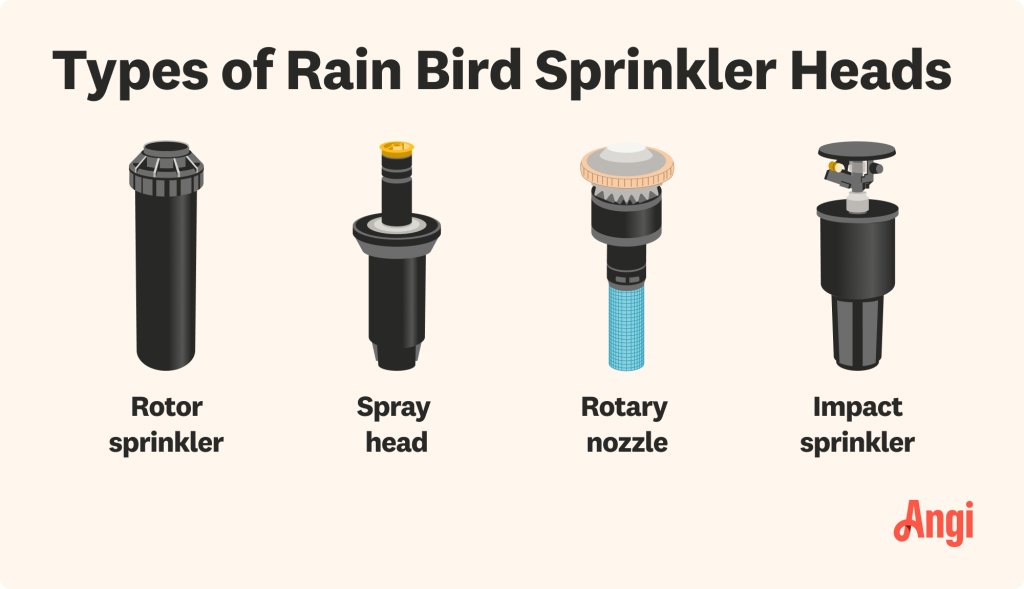
Rainbird sprinklerscome in different types. Choose based on your lawn’s needs. Rotary sprinklerscover large areas with slow, steady water. Fixed spray sprinklerswork well for small, rectangular lawns. Drip irrigationsaves water by watering roots directly.
Match your sprinkler to your lawn size for best results. Small lawns need sprinklers with less coverage. Large lawns require sprinklers that cover wide areas. Proper matching saves water and keeps grass healthy.
| Sprinkler Type | Best For | Coverage Area |
|---|---|---|
| Rotary | Large lawns | Up to 50 feet radius |
| Fixed Spray | Small lawns | 6 to 15 feet radius |
| Drip Irrigation | Garden beds | Localized watering |

Credit: www.instagram.com
Gathering Required Tools
Essential equipmentincludes the Rainbird sprinkler, a hose, and a timer. You also need a shovelfor digging holes and pipe connectorsto link the sprinkler to the water source. A screwdriverhelps with adjustments, and tapeseals connections to prevent leaks.
Optional accessoriesmake installation easier or improve performance. These include drip emittersfor precise watering and rain sensorsthat stop sprinklers during rain. A pressure regulatorhelps control water flow. Using a sprinkler wrenchcan speed up assembly.
Planning Your Sprinkler Layout
Start by drawing a simple map of your lawn. Note any trees, bushes, and flower beds. This helps in placing sprinklers correctly. Mark areas needing more water. Some spots might need less water. Remember your map should be clear.
Measure your lawn size. This helps in choosing sprinkler types. Bigger lawns need different sprinklers. Ensure each area gets enough water. Overlapping coverage is important. It prevents dry spots. Sprinklers should cover all corners and edges.
Installing The Sprinkler System
Connect pipes tightly to avoid leaks. Use pipe tape on threads for a secure fit. Attach hoses firmly to the pipe ends. Check all connections before turning on the water.
Place sprinkler heads where water covers the lawn evenly. Avoid placing near sidewalks or driveways. Keep heads away from bushes and trees to prevent blockages.
- Space sprinkler heads evenly for full coverage.
- Adjust the spray direction to avoid watering buildings.
- Use risers to raise heads above grass height.
- Test each head to confirm proper rotation and spray distance.
Adjusting Spray Patterns
Adjust the spray distance by turning the screw on top of the sprinkler. Turn clockwise to reducethe spray distance and counterclockwise to increaseit. This helps control how far water reaches your plants.
Control the spray angle by moving the arc adjustment stops on each side. Slide them closer to spray a narrower area. Move them apart for a wider coverage. This lets you water only the areas you want.
- Check the spray pattern before setting it permanently.
- Make small adjustments for best results.
- Use a bucket to measure how far water sprays.
Setting The Timer And Schedule
Choose watering timesduring early morning or late evening. These times reduce water loss from evaporation. Avoid watering in the heat of the day. This helps plants absorb water better.
Set the frequencybased on plant type and weather. Lawns may need watering 2-3 times a week. Trees and shrubs usually need less frequent watering.
- Water more often in hot, dry weather
- Reduce watering after rain
- Adjust for season changes
Use the timer to program start times and duration. This ensures your sprinkler runs automatically. Check settings regularly and adjust as needed.
Testing And Fine-tuning
Check the sprinkler’s water spread carefully. Walk around and watch if all areas get water. Look for spots that stay dry or get too much water. Use a small container to catch water in different places. This shows how much water each spot gets.
Adjust the sprinkler’s direction to cover dry spots better. Change the spray distance to avoid water wasting outside the lawn. Turn the sprinkler head to stop water hitting walls or paths. Set the watering time to avoid puddles or runoff.
- Test spray pattern and coverage
- Use containers to measure water
- Adjust spray direction and distance
- Set watering time carefully
- Check for leaks or blockages

Credit: store.rainbird.com
Maintenance Tips
Seasonal careis key to keep your Rainbird sprinkler working well. During winter, drain all water to stop pipes from freezing. Remove the sprinkler heads and clean out dirt and debris. Store parts indoors if possible. In spring, check for cracks or leaks. Replace any broken parts before using the system again.
Troubleshooting common issuesoften involves simple checks. Look for clogged nozzles; clean them with a soft brush. If water pressure is low, check for leaks or blocked pipes. Sometimes, the timer needs resetting. Make sure the sprinkler heads pop up fully and rotate smoothly. Fix any stuck heads by cleaning or replacing them.

Credit: www.rainbird.com
Frequently Asked Questions
How Do I Program A Rainbird Sprinkler Timer?
Set the current time, day, and watering schedule using the timer’s buttons. Follow the manual steps carefully.
What Is The Best Water Pressure For Rainbird Sprinklers?
Water pressure should be between 30 and 50 PSI for optimal sprinkler performance and coverage.
How Often Should I Water My Lawn With Rainbird Sprinklers?
Water 2-3 times a week, early morning or late evening, to save water and keep grass healthy.
Conclusion
Setting a Rainbird sprinkler is easier than you think. Follow the steps to ensure your lawn gets enough water. Check the sprinkler’s direction and adjust the spray pattern. Don’t forget to set the watering schedule based on your plants’ needs.
Regular maintenance helps keep the system working well. Enjoy a healthy, green garden with less effort. Simple actions make a big difference in watering your lawn efficiently. Keep your sprinkler in good shape for the best results year-round.