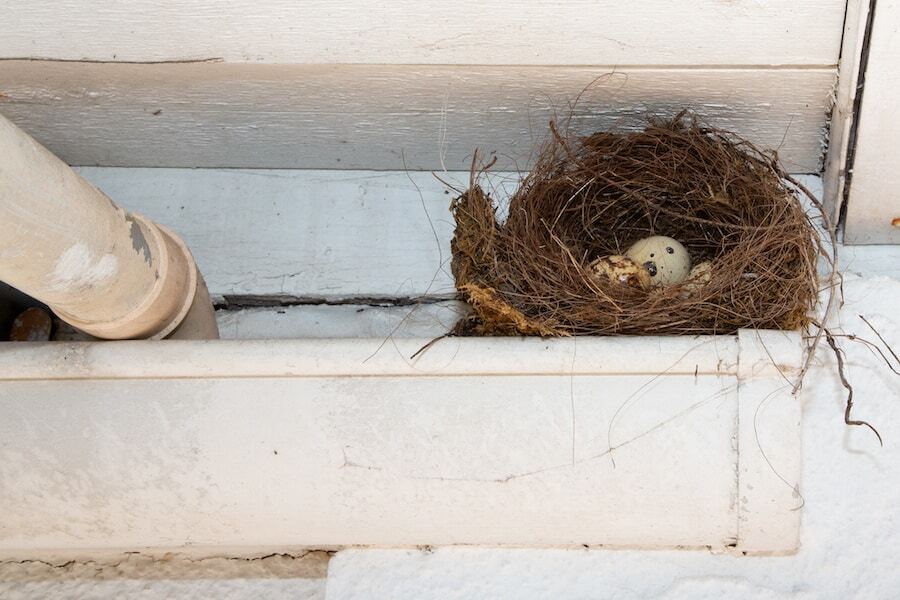
Have you ever found a bird’s nest in an inconvenient spot and wondered how to remove it without harming the birds? You’re not alone.
It can be tricky to balance keeping your space safe and respecting nature. But don’t worry—there are simple, effective ways to gently relocate a nest without causing any harm. You’ll discover step-by-step tips that protect both you and the birds, so you can handle the situation with care and confidence.
Keep reading to learn how to do this the right way.

Credit: www.yahoo.com
Why Remove Bird Nests
Bird nestscan cause damage to roofs, gutters, and vents. Their droppings may clog drainage and harm paint. Nesting materials can block airflow in vents, leading to moisture build-up and mold. Birds may also bring insects or parasites inside homes.
Many bird species are protected by law. It is illegal to harm or remove nests with eggs or young birds. Laws vary by region but usually require waiting for birds to leave before removal. Contact local wildlife authorities for guidance to avoid fines.

Credit: www.yahoo.com
When To Remove Nests Safely
Active nestshave birds or eggs inside. Look for birds flying in and out. Sounds like chirping also show activity. Abandoned nestsare empty and quiet. No bird visits happen for days.
Birds usually build nests in spring and summer. Best time to remove is after breeding season. This is when young birds leave the nest. Removing nests at this time keeps birds safe.
- Check nests carefully before removal.
- Wait until no birds or eggs are inside.
- Remove nests in late summer or fall.
- Avoid disturbing nests during spring and early summer.
Tools And Materials Needed
Wear thick glovesto protect your hands from sharp twigs. Use long sleevesand pants to avoid scratches. A face maskhelps keep dust and debris away from your nose and mouth. Safety goggles guard your eyes from small particles or insects.
- Soft brushto gently clean the nest area
- Plastic scraperto lift the nest without breaking it
- Bucket or containerto hold the nest safely
- Ladderfor reaching high nests
- Spray bottlewith water to calm birds during removal
Humane Removal Techniques
Relocating bird nests requires care to avoid harm. Wait until the eggs hatch or birds leave. Use a soft cloth to gently move the nest. Place it in a similar spot nearby, safe from predators. Keep noise and movement low to avoid stress.
Deterrents can stop birds from returning. Use natural options like hanging shiny objects or wind chimes. Birds dislike strong smells; try vinegar-soaked cloth nearby. Install bird spikes or netting on ledges to block access. Regularly check and maintain deterrents for best results.
Alternatives To Nest Removal
Birds need safe places to build nests. Create spaces away from buildings. Use birdhouses or nesting boxes. Place them in quiet areas with little disturbance. Hang them at a safe height. Ensure they are sheltered from harsh weather. This helps birds feel secure. They may choose these spots for nesting.
Guide birds to better nesting areas. Remove tempting materials like twigs or leaves. Trim trees near your home to reduce nesting spots. Use reflective surfaces or wind chimes to deter birds. Provide a nearby water source. Birds love water for drinking and bathing. A small bird bath can attract them to safer spots.
Aftercare And Monitoring
After removing a bird nest, clean the areacarefully. Remove any leftover twigs and debris to prevent pests. Use a mild, bird-safe cleaner. Avoid harsh chemicals that could harm wildlife.
Keep the space dry to stop mold growth. Birds prefer clean, safe spots for nesting.
- Check the area daily for signs of new nests.
- Make sure no eggs or chicks are left behind before cleaning.
- Use gentle methods to discourage birds from returning to unsafe spots.
- Provide alternative nesting sites like birdhouses nearby.
Monitoring helps keep birds safe and happy. Respect their natural habits while protecting them from harm.
Legal Considerations
Many places have laws to protect birds and their nests. These laws help keep birds safe during nesting. Removing a nest without permission can lead to fines or legal trouble.
Some regions require special permitsbefore moving a bird nest. These permits ensure that birds are not harmed. It is important to check local rules before taking action.
- Check local wildlife protection laws.
- Get permits if needed from wildlife authorities.
- Follow rules about timing—avoid nesting season if possible.
- Use safe methods to move nests without hurting birds.

Credit: www.yahoo.com
Frequently Asked Questions
How Can I Safely Remove A Bird Nest Without Harm?
Gently wait until the birds leave. Use gloves to carefully relocate the nest to a safe spot nearby.
When Is The Best Time To Remove A Bird Nest?
After baby birds have flown away is the best time. Avoid disturbing eggs or young birds.
What Tools Help In Removing A Bird Nest Safely?
Use gloves, a soft brush, and a container to move the nest without causing damage.
Conclusion
Removing a bird nest without harm shows care for nature. Patience and gentle methods help keep birds safe. Always check local laws before acting on nests. Use tools and timing wisely to avoid disturbing birds. Respecting wildlife creates a peaceful home for all.
Small actions make a big difference for animals nearby. Keep learning about safe ways to handle nests. Protect birds and your space with kindness and care.