If you’ve built or bought a bluebird house, you want to see those beautiful birds thrive. But just putting up a house isn’t enough.
Predators, weather, and other threats can put your feathered friends at risk. Protecting your bluebird house is the key to helping these charming birds raise their young safely. You’ll discover simple, effective ways to keep your bluebird house safe and welcoming.
Ready to become a true bluebird guardian? Let’s dive in and make sure your bluebird house stays a safe haven all season long.
Choosing The Right Location
Choose a spot that is safeand quiet. Place the bluebird house away from thick bushes. This helps avoid hiding places for predatorslike snakes and cats.
Keep the house at least 5 feetabove the ground. This height reduces risks from animals. Use metal guards on poles to stop climbing predators.
- Keep the bluebird house 30 to 50 feetaway from busy human areas.
- Avoid placing it near playgrounds or noisy spots.
- Choose a place with some open spacefor easy flying access.

Credit: www.facebook.com
Using Durable Materials
Choosing the right woodhelps bluebird houses last long outdoors. Cedaris popular because it resists rotand insects. Redwoodalso holds up well in rain and sun. Pine is cheaper but not as strong against weather.
Weatherproofing keeps the house dry inside. Use non-toxic, water-based sealantson the exterior only. Avoid sealing the inside where birds nest. A good roof angle helps rain slide off. Adding small drainage holesat the bottom prevents water buildup.
| Wood Type | Benefits | Notes |
|---|---|---|
| Cedar | Rot and insect resistant | Durable and lightweight |
| Redwood | Weather resistant | Good for wet climates |
| Pine | Affordable and easy to find | Needs sealing for protection |
Securing The House
Protect bluebird houses by placing them away from predators like cats and raccoons. Use metal guards on poles and keep the area clear of tall bushes to ensure safety. Check regularly for damage to maintain a secure home for bluebirds.
Proper Mounting Techniques
Mount bluebird houses on sturdy poles or posts. Choose a height around five to six feet. This keeps them safe from predators. Ensure the pole is straight and stable. Use screws or brackets for extra support. Avoid using flimsy materials. A solid mount helps in windy conditions.
Preventing Movement And Vibration
Secure the house tightly to the pole. Use strong brackets or clamps. Check regularly for loose parts. Tighten screws to prevent shaking. This reduces stress for the birds inside. A stable house attracts more bluebirds.
Credit: www.etsy.com
Protecting Against Predators
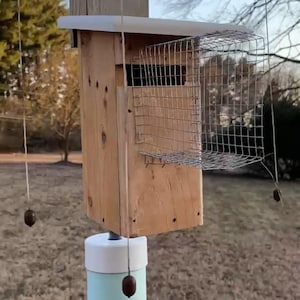
Installing predator guardsaround bluebird houses keeps unwanted animals away. These guards are usually metal or plastic barriers placed around the entrance or mounting pole. They stop predators like snakes, raccoons, and squirrels from reaching the nest.
Common predators to watch include:
- Snakes:Can climb poles and enter houses to eat eggs or chicks.
- Raccoons:Strong and smart, they can tear into nests.
- Squirrels:May steal eggs or damage the house.
- Cats and larger birds:Pose a threat to young bluebirds.
Using smooth metal guards and placing houses high on poles helps keep predators away. Avoid trees near the house so predators cannot jump onto it.
Maintaining Cleanliness
Cleaning bluebird houses helps keep birds healthy and safe. The best time to clean is after the breeding season, usually in late summer or early fall. This timing avoids disturbing eggs or baby birds. Remove old nests and debris carefully.
Use safe cleaning methodsto avoid harming birds. Avoid harsh chemicals. Instead, use a mild bleach solution: mix one part bleach with nine parts water. Scrub the box inside and out with a brush, then rinse well with water. Let it dry completely before reassembling.
- Wear gloves to protect your hands.
- Clean only when the box is empty.
- Check for damage and fix cracks or holes.
- Keep the box dry and well-ventilated.

Credit: www.facebook.com
Monitoring Nest Activity
Healthy nesting signsinclude clean nest material and active parents. Baby birds chirping often means they are fed well. Eggs should look smooth and unbroken. Nestlings growing feathers is another good sign. Watch for parents flying in and out regularly. This shows they care for their young.
Avoid disturbingbluebird houses during nesting. Loud noises or touching the nest can scare birds away. Keep pets and children far from the nest box. Check the house quietly and only when needed. Use a flashlight to peek inside without opening the box fully. This helps keep the birds calm and safe.
Seasonal Care Tips
Clean bluebird houses regularly to prevent mold and pests. Place houses in shaded areas to avoid heat damage during summer. Seal cracks and check for wear before winter to protect nesting birds.
Winter Protection
Remove old neststo stop parasites and keep the house clean. Check for any cracks or holesthat could let cold air in. Add a layer of insulationinside, like straw or wood shavings, to keep birds warm. Place the house where it is safe from strong winds and heavy snow. Avoid using chemicals or paints that can harm the birds.
Preparing For Breeding Season
Clean the birdhouse thoroughly before spring. Replace old nesting materials with fresh ones. Check the entrance hole size to make sure it fits bluebirds. Tighten any loose screws or nails. Position the house in a sunny spot, about 4 to 6 feet high. Keep the area free of tall grass or weeds to help bluebirds see predators.
Frequently Asked Questions
How Do I Keep Predators Away From Bluebird Houses?
Use predator guards and place houses on metal poles away from trees.
What Is The Best Way To Clean Bluebird Houses?
Clean houses yearly after nesting season to remove old nests and parasites.
How High Should I Mount A Bluebird House For Safety?
Mount houses 4 to 6 feet high to protect birds from predators.
Conclusion
Protecting bluebird houses keeps these birds safe and happy. Check nests often for pests and predators. Clean the house after each season to prevent disease. Place houses where birds can easily find food and water. Use safe materials and avoid harmful chemicals.
Small efforts make a big difference for bluebird families. Enjoy watching these beautiful birds thrive in your yard. Your care helps nature stay healthy and alive. Simple steps create a safe home for bluebirds every year.