Have you ever been startled by a sudden thud against your window? Birds flying into windows is a common problem that can harm these beautiful creatures and leave you feeling uneasy.
But what if you could stop this from happening easily? You’ll discover simple and effective ways to protect both your feathered visitors and your home. Keep reading to learn how small changes can make a big difference and keep your windows bird-safe.
Why Birds Collide With Windows
Birds often fly into windows because they see reflections of trees or sky. These reflections make birds think they can fly through. Clear glass can also confuse birds, as they cannot tell it is solid.
During the day, windows can act like mirrors. Birds see the reflected landscape and try to reach it. At night, indoor lights can attract birds to the glass.
Birds cannot understand glass as a barrier. This causes many accidents and injuries. Windows near bird habitats are especially risky.

Credit: www.facebook.com
Signs Birds Leave On Glass
Birds often leave marks on glassafter collisions. These signs help identify problem areas.
- Smudges or streaks:Oils from feathers or dirt can leave visible streaks.
- Feathers stuck:Tiny feathers may cling to the window edges or corners.
- Cracks or chips:Repeated hits can cause small cracks in the glass.
- Impact spots:Dirt or debris may gather where birds hit the glass.
Windows near trees or bird feeders often show more marks. These signs indicate where birds fly too close.
Effective Window Treatments
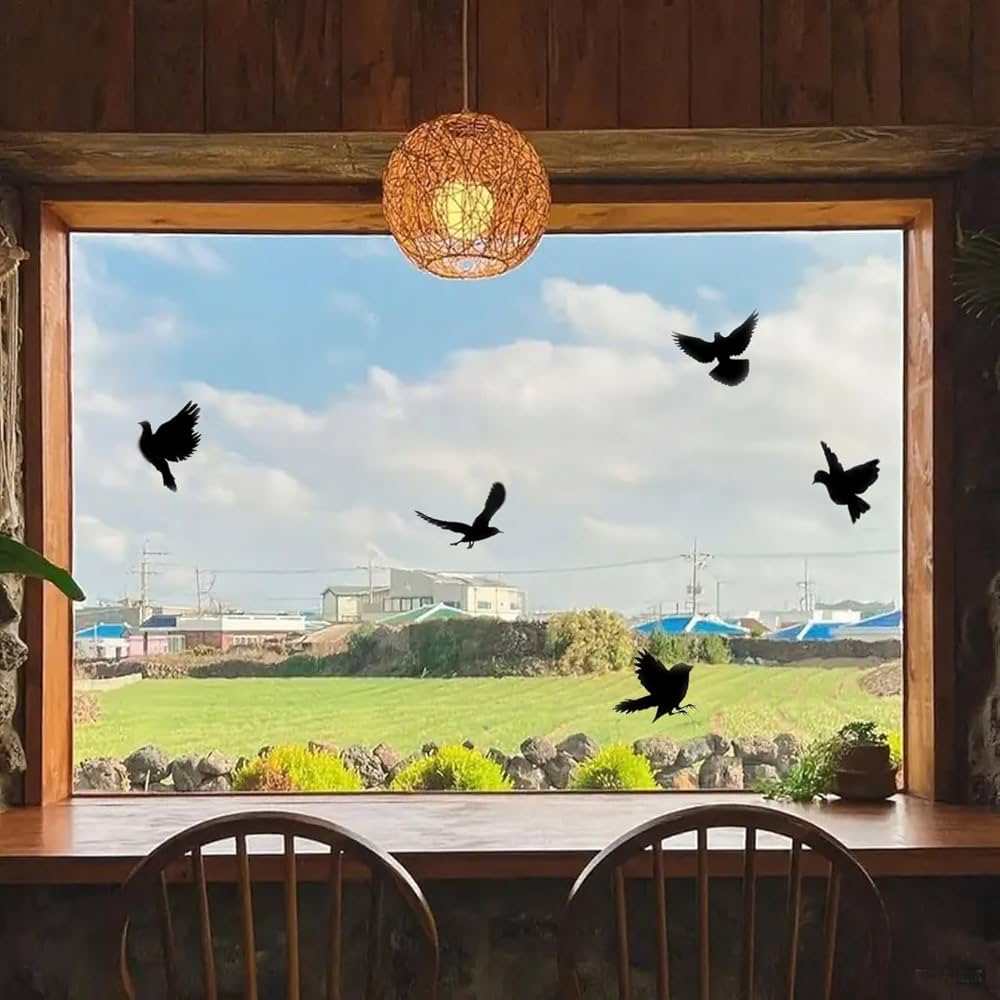
Decals and stickers can help birds see the glass. Place them in random patterns. This breaks up the reflection and reduces collisions. Bright colors work best. Change them often for better results.
Installing screens or netting outside windows is very effective. Soft mesh prevents birds from hitting the glass. It creates a visible barrier. Birds can see it and avoid crashing.
Use external shades or films to reduce window reflection. Tinted films make windows less shiny. Shades block reflections and keep birds safe. They also provide shade from the sun.

Credit: www.instagram.com
Landscaping Tips To Reduce Collisions
Place plants near windows to help birds see the glass. This reduces crashes. Trees and bushes act as natural markers.
Choose bird-friendly trees like oak, maple, and dogwood. These trees provide food and shelter.
Keep plants at least 3 feet away from windows. This stops birds from flying directly into glass.
Use dense shrubs or vines close to windows. They break up reflections and make glass visible.
Maintaining Bird Safety Year-round
Bird safetychanges with seasons. In spring and fall, birds fly more. Use window decals or screens to make glass visible. Bright colors or patterns help birds see windows as solid objects.
Keep windows clean to avoid confusion. Dirt and smudges can reflect sky or trees. Clean windows often with mild soap and water. This helps birds know windows are barriers.

Credit: www.amazon.com
Frequently Asked Questions
Why Do Birds Fly Into Windows?
Birds fly into windows because they see reflections of sky or trees. They think it is open space.
How Can Window Decals Stop Birds From Hitting Glass?
Window decals break reflections and make windows visible to birds. This helps birds avoid flying into glass.
What Other Methods Prevent Bird-window Collisions Effectively?
Using screens, netting, or closing blinds reduces window reflections and stops birds from crashing into windows.
Conclusion
Preventing birds from hitting windows protects both birds and your home. Simple steps like adding decals or screens make a big difference. Clear glass can confuse birds, so breaking reflections helps. Consistent effort keeps birds safe around your windows. Small changes create a safer space for wildlife.
Keep watching and adjusting methods as needed. Helping birds stay safe shows care for nature. Every effort counts in reducing window collisions.