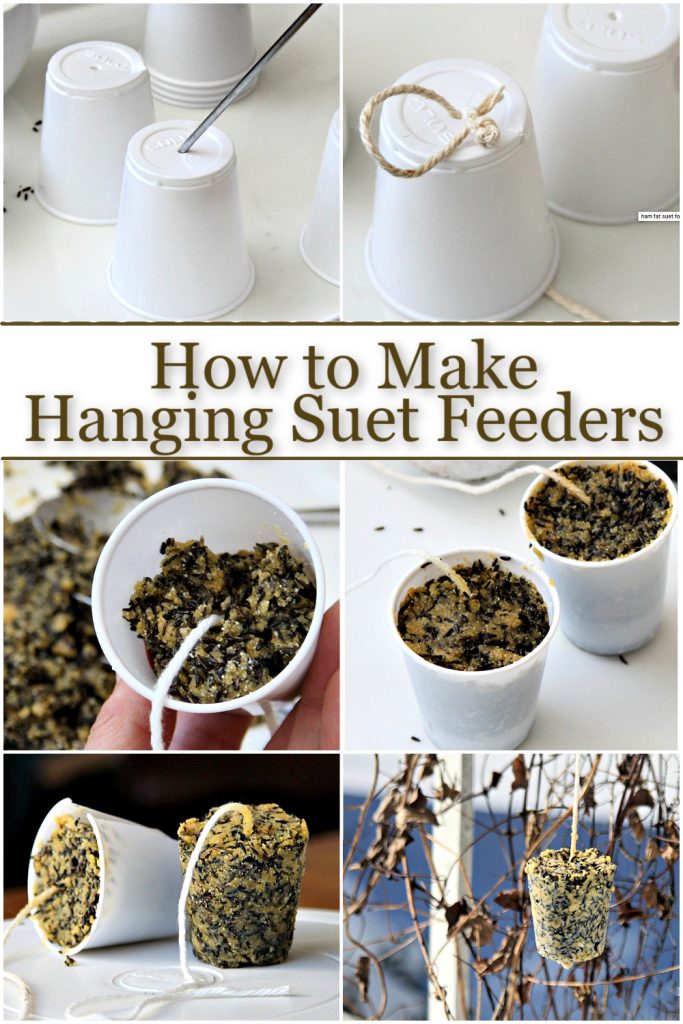
If you want to attract more birds to your garden, making suet balls is one of the easiest and most rewarding ways to do it. You might be surprised how simple it is to create these tasty treats that birds love.
Not only will you enjoy watching a variety of feathered visitors, but you’ll also be helping them stay nourished, especially during colder months. Keep reading, and you’ll discover step-by-step how to make suet balls that your birds won’t be able to resist.
Benefits Of Suet Balls
Suet ballsprovide essential energy for birds, especially in cold weather. They are rich in fatsthat help birds stay warm and active. Birds need suet to fuel their daily activities and survive harsh conditions.
Suet offers a high nutritional value. It contains important fats, proteins, and calories. These nutrients help birds grow, stay healthy, and maintain their energy. Suet balls are a great food source during winter when insects are scarce.
Using suet balls attracts many bird species. Different birds like woodpeckers, chickadees, nuthatches, and wrens visit suet feeders. This variety makes watching birds fun and interesting.
| Bird Species | Attracted by Suet |
|---|---|
| Woodpeckers | Strong beaks for suet feeding |
| Chickadees | Small size, quick feeders |
| Nuthatches | Climb tree trunks for suet |
| Wrens | Enjoy suet in winter |
Credit: www.food.com
Essential Ingredients
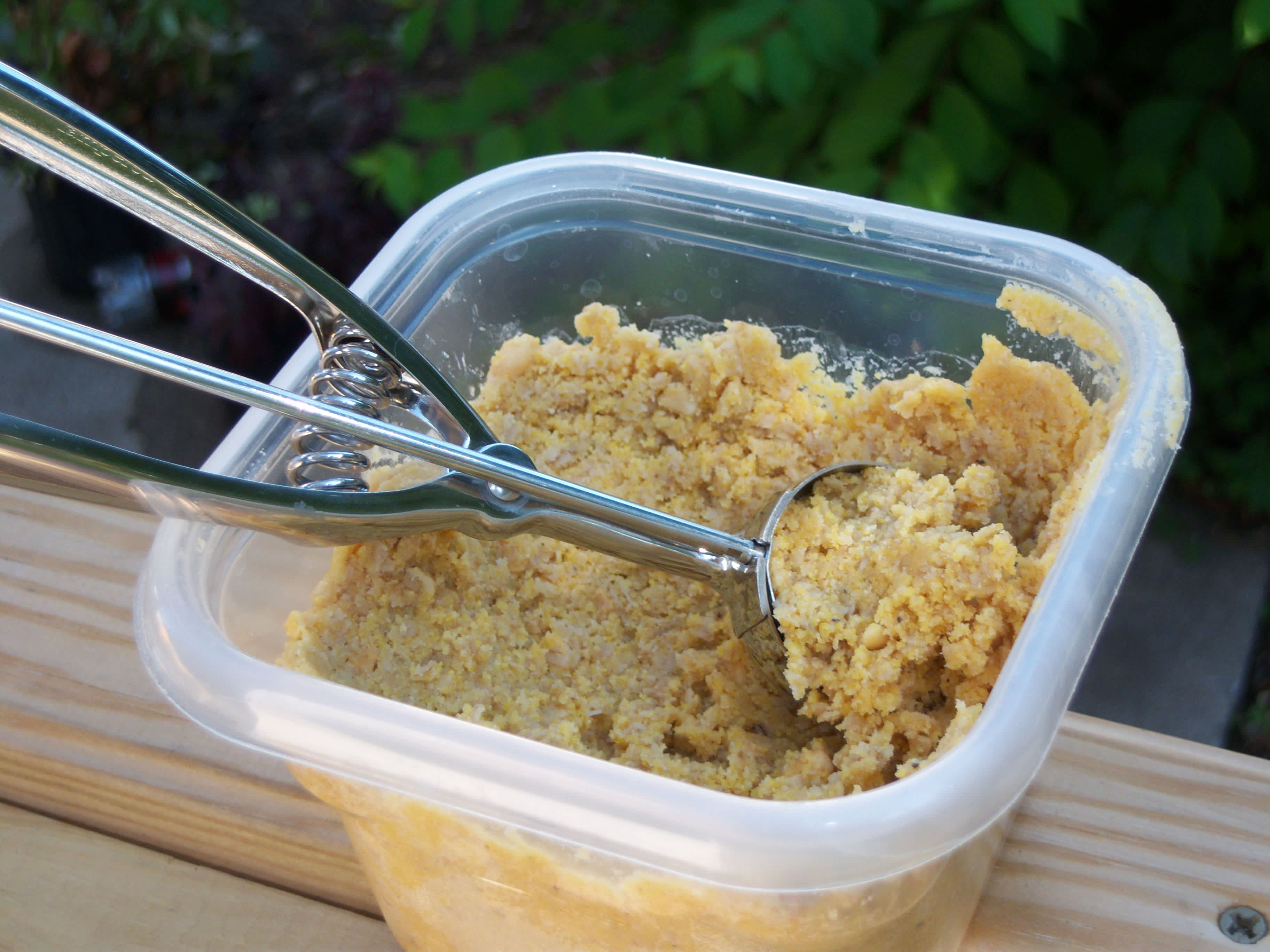
Types of fats to useare very important for making suet balls. Use beef suet, which is natural and melts slowly. Lardis also good but melts faster. Avoid fats with salt or spices. Vegetable fats like coconut oilcan work but may not hold well in warm weather.
Birds love seeds and grainsin their suet balls. Use sunflower seeds, millet, and cracked corn. These give energy and help birds stay healthy. Avoid large seeds that birds can’t eat easily.
Optional add-insgive variety and extra nutrition. Try dried fruitlike raisins or chopped apples. You can also add oatsor small pieces of nuts. These make the suet balls more tasty and attractive to different birds.
Tools And Materials
Suet balls need simple tools like a mixing bowl and spoon. Basic materials include suet, birdseed, and a mold or container. These help create a tasty treat that birds enjoy.
Mixing Bowls And Utensils
Choose large bowls for mixing ingredients. They help keep things tidy. Use sturdy spoons to stir the mix. Wooden or metal spoons work well. These tools make mixing easy.
Molds And Shaping Options
Select molds to shape your suet balls. Ice cube trays are a good choice. Cookie cutters can also be used. They make fun shapes for birds. Ensure molds are easy to clean.
Storage Containers
Store suet balls in airtight containers. This keeps them fresh. Use plastic or glass jars. Make sure they seal tightly. Label containers with dates for freshness.
Step-by-step Making Process
Start with a good fat base like suet or lard. Melt it gently in a pan without boiling. Keep it warm but not hot to avoid burning.
Mix birdseed, oats, and dried fruits into the melted fat. Stir well so ingredients are evenly coated. Use a spoon or your hands for better mixing.
Shape the mixture into balls or press into molds. Let them cool in a fridge or a cool place until solid. Store suet balls in a sealed container to keep fresh.
Tips For Success
Avoid common mistakeslike using spoiled fat or wet ingredients. This can spoil the suet balls quickly. Use fresh, clean ingredients only. Avoid making suet balls too soft. They should hold their shape but not be hard for birds to eat.
Adjust recipes for seasons.In cold weather, add more fat to keep balls from freezing hard. During warmer months, use less fat and more seeds or grains to prevent melting. Change ingredients to match what birds eat in your area.
Safe handling and hygieneare very important. Wash hands before and after making suet balls. Keep your work area clean. Store suet balls in a cool place until use. Remove old or moldy balls from feeders to keep birds safe.

Credit: www.willyswilderness.org
Storing And Using Suet Balls
Store suet balls in a cool, dry place to keep them fresh. Avoid heat as it melts the fat and causes spoilage. Use airtight containers or wrap them tightly in plastic wrap. Refrigeration can extend their shelf life for several weeks. Freeze extra suet balls if you want to save them longer.
- Place suet balls where birds can easily reach them.
- Use a bird feeder or hang them from a tree branch.
- Check feeders regularly and replace suet balls when they are gone or spoiled.
- Offer suet balls during cold months for extra energy.
Watch the birds visiting your feeder to see which types they prefer. Note the number and species of birds feeding on the suet balls. Remove any suet balls that show signs of mold or dirt. Cleaning feeders often helps keep birds healthy and happy.

Credit: gratefulprayerthankfulheart.com
Frequently Asked Questions
What Ingredients Are Needed To Make Suet Balls For Birds?
Suet balls require fat (like suet or lard), birdseed, and sometimes nuts or dried fruits. Mix well.
How Do You Store Homemade Suet Balls Safely?
Keep suet balls in a cool, dry place or refrigerate. Use within a few weeks for freshness.
Which Birds Are Attracted To Suet Balls In Gardens?
Woodpeckers, tits, nuthatches, and chickadees love suet balls. They provide energy, especially in winter.
Conclusion
Making suet balls for birds is simple and rewarding. You need just a few basic ingredients and tools. These tasty treats help birds stay healthy, especially in cold weather. Hang the balls outside where birds can easily find them. Watch as different bird species visit your garden.
Enjoy feeding birds while supporting local wildlife. Try making suet balls regularly to keep your feathered friends happy. It’s a small effort with big benefits for nature. Give it a go and see the bird activity increase!