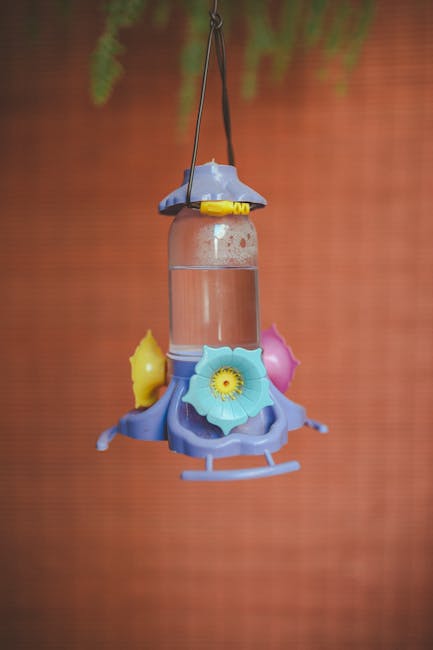
Are you tired of yellow jackets crashing your hummingbird feeder party? Those aggressive insects can quickly turn a peaceful backyard into a buzzing battleground.
But don’t worry—there are simple and effective ways to keep yellow jackets away while still enjoying the colorful dance of hummingbirds. You’ll discover easy tips that protect your feeders and let your favorite little birds feed in peace. Keep reading to learn how to reclaim your garden from these unwanted guests!

Credit: www.facebook.com
Why Yellow Jackets Target Feeders
Yellow jacketsare drawn to the sweet nectarin hummingbird feeders. The sugary liquid offers them an easy food source. This makes feeders a popular spot for these insects. They can be very persistent and aggressive in their search for food.
Feeder placementplays a big role in how much yellow jacket activity you see. Placing feeders in open spaces helps reduce visits. Yellow jackets like spots where they can hide nearby. Keeping feeders away from walls or bushes limits their access.
- Keep feeders at least 10 feet from doorways or windows.
- Hang feeders where sunlight reaches, deterring yellow jackets.
- Avoid placing feeders near trash or food waste.

Credit: www.facebook.com
Choosing The Right Feeder
Choose a feeder design that makes it hard for yellow jackets to reach the nectar. Feeders with bee guards or small feeding ports help keep these pests away. Some models have built-in barriers or covers that block yellow jackets without stopping hummingbirds.
The feeder’s material and color also matter. Yellow jackets are attracted to bright colors, especially yellow. Using feeders in red or other dark colors can reduce their interest. Plastic and glass feeders are easy to clean and less likely to trap insects inside.
| Design Feature | Benefit |
|---|---|
| Bee guards or small ports | Blocks yellow jackets from reaching nectar |
| Covered feeding areas | Prevents yellow jackets from landing |
| Red or dark colors | Less attractive to yellow jackets |
| Plastic or glass material | Easy to clean and maintain |
Placement Strategies
Place hummingbird feeders away from areas where yellow jackets often gather. Hanging feeders in open spaces helps reduce yellow jacket visits. Using feeders with built-in ant moats or guards also limits yellow jacket access.
Optimal Location For Feeders
Place feeders away from busy spots. Choose a quiet area in your yard. Avoid direct sunlight for long hours. Pick a shady spot with some sun. Hang feeders from a tree branch. Ensure it’s easy to reach for hummingbirds. Keep feeders high above the ground. This keeps them safe from insects.
Avoiding Nesting Areas
Yellow jackets love nests. Find places where they don’t nest. Check for holes or cracks nearby. Avoid areas close to trees where they might nest. Keep feeders far from bushes. Regularly inspect surroundings for wasp activity. Be alert for nests nearby and act fast.
Feeder Maintenance Tips
Keeping hummingbird feeders clean helps stop yellow jackets. Nectar spills attract these pests quickly. Check feeders daily for any sticky spots or leaks.
Use warm water and mild soap to clean the feeder well. Rinse it fully to remove soap taste. Let it dry before refilling with fresh nectar.
- Wipe around feeder base to remove spilled nectar.
- Clear any fallen nectar on nearby surfaces.
- Keep the feeding area dry and tidy.
Regular cleaning reduces smells that lure yellow jackets. It also keeps hummingbirds healthy and happy.
Natural Repellents
Herbs and plantscan help keep yellow jackets away from hummingbird feeders. Planting mint, basil, or citronellanear feeders works well. These plants have strong smells that yellow jackets dislike. Placing pots of these herbs around your yard creates a natural barrier.
Essential oilsare another way to repel yellow jackets. Oils like peppermint, eucalyptus, and citronellaare very effective. Use a few drops mixed with water in a spray bottle. Spray around the feeder area, but avoid spraying the feeder itself.
| Essential Oil | How to Use | Effect |
|---|---|---|
| Peppermint | Mix 10 drops in water, spray around feeder | Strong smell repels yellow jackets |
| Eucalyptus | Use in diffuser or spray diluted oil | Disrupts yellow jacket scent trails |
| Citronella | Plant near feeder or use oil spray | Keeps yellow jackets at a distance |
Physical Barriers
Yellow jacket guardsare small plastic or metal rings. They fit around feeder openings. These guards stop yellow jackets from reaching the nectar. Birds can still feed easily. Guards also help keep the nectar clean.
Simple DIY barriers work well too. Try these ideas:
- Use a mesh screen with small holes. Wrap it around the feeder neck.
- Hang the feeder from a thin wire. Yellow jackets struggle to land.
- Place sticky tape on the feeder pole to trap wasps.
- Use a wide, smooth baffle above the feeder. It blocks wasps from climbing down.
These barriers protect hummingbirds and keep feeders safe.
Decoys And Traps
Yellow jacket traps lure these insects away from your feeders. Use a sweet bait like sugar water or fruit juice. Hang traps about 10 feet from hummingbird feeders. This distance helps protect the birds while catching yellow jackets.
Decoy feeders attract yellow jackets to a separate spot. Fill them with a sugary solution that hummingbirds do not need. Place decoy feeders far from the real hummingbird feeders. This keeps yellow jackets busy and away from your birds.
| Trap Setup Tips | Decoy Feeder Tips |
|---|---|
| Use sugar water or fruit juice as bait | Fill with sugar water only, no food for birds |
| Hang 10 feet away from hummingbird feeders | Place far from real feeders to draw yellow jackets away |
| Check traps regularly and empty as needed | Keep decoy feeders clean to avoid mold |
Feeding Schedule Adjustments
Feed hummingbirds early in the morningor late in the evening. Yellow jackets are less active during these times. This helps protect your feeder and the birds.
Keep the nectar fresh but do not overfill the feeder. Yellow jackets are attracted to spilled or excess nectar. Use just enough nectar to attract hummingbirds without waste.
- Refill feeders daily or every other day.
- Clean feeders often to remove sticky residues.
- Remove leftover nectar promptly to avoid attracting yellow jackets.

Credit: www.countryliving.com
Frequently Asked Questions
How Can I Stop Yellow Jackets From Reaching My Feeder?
Place feeders away from yellow jacket nests and use feeder designs with bee guards.
What Homemade Traps Work Best To Catch Yellow Jackets?
Sugar water or meat bait traps can attract and trap yellow jackets effectively.
Does Changing Feeder Sugar Water Help Prevent Yellow Jackets?
Yes, using less sugary water reduces yellow jacket attraction to feeders.
Conclusion
Keeping yellow jackets away from hummingbird feeders takes patience and care. Place feeders away from areas where yellow jackets gather. Clean spills quickly to avoid attracting them. Use feeder designs that limit wasp access. Try natural repellents safe for birds.
Watch your feeders often and act fast. Enjoy watching hummingbirds without the buzz of yellow jackets. Small steps can make a big difference. Stay consistent, and your feeders will stay peaceful.