
Are you tired of raccoons raiding your bird feeder night after night? You’re not alone.
These clever creatures can turn your peaceful backyard into a messy battleground, leaving you frustrated and your feathered friends hungry. But don’t worry—keeping raccoons away doesn’t have to be a constant struggle. You’ll discover simple, effective ways to protect your bird feeder and enjoy watching birds without unwanted visitors crashing the party.
Ready to reclaim your feeder and create a raccoon-free zone? Let’s dive in!

Credit: www.facebook.com
Why Raccoons Visit Bird Feeders
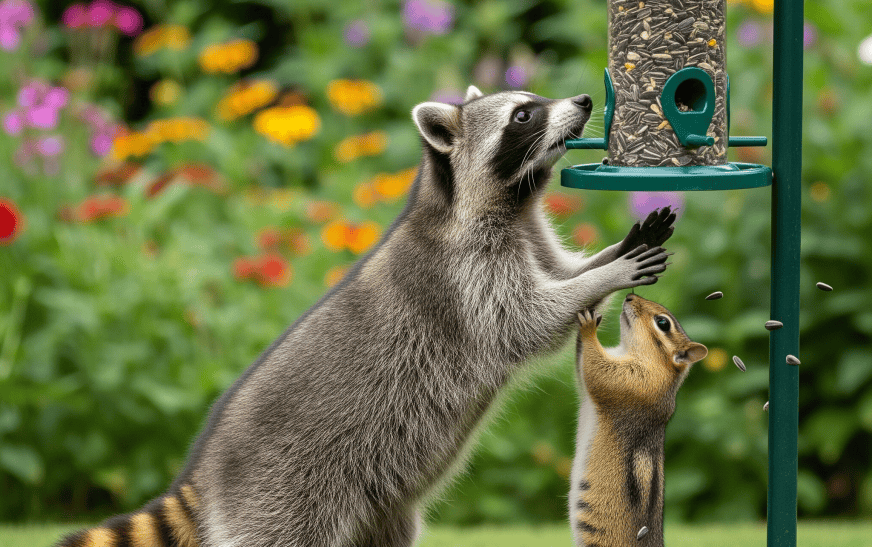
Raccoonsvisit bird feeders because they love easy food. Seeds and nuts attract them quickly. The smell of food is strong and hard for raccoons to ignore.
Many feeders are easy for raccoons to reach. They can climb poles or hangers. This makes it simple for raccoons to get to the food inside.
- Raccoons are most active at night.
- They often come to feeders during late evening or early morning.
- These times match their natural feeding habits.
Choosing Raccoon-resistant Feeders
Design featuresthat help keep raccoons away include weighted perchesand cage guards. These make it hard for raccoons to reach the seeds. Feeders with small openingsstop raccoons from getting inside. Hanging feeders on smooth, slippery polesalso work well. These poles can have bafflesthat stop climbing.
Materialsmatter. Feeders made of metalare tougher for raccoons to break. Plastic can be chewed or smashed easily. Wood feeders may attract raccoons if they can claw them.
| Feeder Type | Why It Works |
|---|---|
| Caged Feeders | Protect seeds with a metal cage. Only small birds fit inside. |
| Weight-Sensitive Feeders | Drop seed only when light birds land. Raccoons are too heavy. |
| Hopper Feeders with Baffles | Prevent climbing with smooth poles and baffles. |
Placement Strategies
Placing bird feeders away from trees and fences helps keep raccoons from reaching them. Using poles with baffles can block raccoons from climbing up. Choosing spots with open space reduces unwanted visitors while allowing birds easy access.
Optimal Feeder Locations
Choose a spot away from trees and fences. Raccoons can jump and climb easily. Keep bird feeders in open areas. This makes it hard for raccoons to reach them. The place should have a clear view from the house. This helps in keeping an eye on the feeder.
Height And Distance Tips
Place feeders at least 5 feet high. Use poles that raccoons can’t climb. Keep feeders 10 feet away from any structure. This includes walls and trees. Distance prevents raccoons from jumping onto the feeder.
Using Barriers And Supports
- Install a baffle under the feeder.
- Use a pole with a raccoon guard.
- Choose slippery materials for poles.
- Wrap poles with plastic or metal.
Physical Deterrents
Baffles and guardsstop raccoons from climbing to feeders. Install them on poles or hanging wires. Make sure they are smooth and wide enough to block raccoons’ reach.
Motion-activated devicesscare raccoons away with sudden action. Lights, sprinklers, or alarms turn on when movement is detected. This surprise often makes raccoons leave quickly.
Lighting and noise optionscan keep raccoons at bay. Bright lights shining on feeders at night make raccoons nervous. Noise makers or radios playing softly can also help.
Feeding Habits To Reduce Raccoon Visits
Feeding birds at specific times helps reduce raccoon visits. Fill feeders early in the morning and remove leftover seeds by evening. This limits food availability for raccoons during night hours.
Choosing the right seed can make a difference. Use seeds that birds like but raccoons dislike, such as safflower or nyjer seeds. Avoid seeds with high oil content that attract raccoons.
Keeping feeders clean is very important. Regularly remove spilled seeds and clean feeders with soap and water. This stops raccoons from finding easy food nearby and keeps birds healthy.

Credit: www.facebook.com
Natural Raccoon Repellents
Scent-based solutionswork well to keep raccoons away. Raccoons dislike strong smells like peppermint oil, vinegar, and ammonia. Soaking cotton balls with these scents and placing them near feeders can help. These smells confuse raccoons and make the area less inviting.
Plant-based deterrentsuse natural plants raccoons avoid. Planting mint, lavender, or garlicaround your yard can reduce raccoon visits. These plants smell strong and keep raccoons at a distance.
Safe chemical optionsare available but should be used carefully. Products with capsaicin(from chili peppers) can irritate raccoons’ noses and mouths. Always follow instructions to protect birds and pets. These options work best combined with other repellents for extra protection.
Dealing With Persistent Raccoons
Humane trappinghelps catch raccoons safely without harm. Use a live trap baited with food like marshmallows or canned tuna. Check traps often to avoid stress for the animal. Once caught, relocate raccoonsfar away from your home. Always follow local laws about trapping and moving wildlife.
Wildlife professionalshave the right tools and knowledge. They can remove raccoons safely and legally. Contact them if raccoons keep coming back or if trapping is difficult. They also offer advice on how to protect your bird feeder.
- Use raccoon-proof feeders with weight-sensitive perches.
- Hang feeders high on poles with guards to block climbing.
- Keep the area clean and remove spilled seeds.
- Bring feeders inside at night to avoid visits.
Credit: squirrelsinfo.com
Frequently Asked Questions
How Can I Stop Raccoons From Reaching My Bird Feeder?
Place the feeder away from trees and use baffles to block raccoon access.
What Type Of Bird Feeder Keeps Raccoons Away Best?
Metal feeders with weight-sensitive perches close when raccoons try to grab seeds.
When Is The Best Time To Feed Birds To Avoid Raccoons?
Feed birds early morning or late afternoon when raccoons are less active.
Conclusion
Keeping raccoons away from your bird feeder takes some effort and patience. Use sturdy, raccoon-proof feeders and place them where raccoons cannot reach. Regularly clean up spilled seeds to avoid attracting unwanted visitors. Try hanging feeders on poles with baffles to block raccoon climbs.
Remember, raccoons are clever but consistent actions can protect your birds’ food. Enjoy watching birds without worrying about raccoon trouble. Small changes make a big difference in keeping feeders safe and raccoon-free.