Are you tired of raccoons raiding your bird feeders every night? You’re not alone.
These clever creatures can turn your peaceful backyard into a mess, leaving you frustrated and wondering how to protect your feathered friends. But don’t worry—there are simple, effective ways to keep raccoons away without harming them or your birds. You’ll discover easy tips and smart tricks that work, so you can enjoy watching birds without the unwanted visitors crashing the party.
Keep reading to find out how to protect your bird feeders and reclaim your outdoor space.
Why Raccoons Visit Bird Feeders
Raccoons are attracted to bird feedersbecause they offer easy access to food. The seeds and nuts provide a rich source of calories for these animals. Bird feeders often spill food, making it simple for raccoons to find meals without much effort.
These animals are nocturnal feeders, so they usually visit feeders at night. They use their clever paws to grab and eat food. Raccoons have a strong sense of smell, which helps them locate bird feeders from a distance.
- Raccoons prefer high-calorie seeds like sunflower and peanuts.
- They are good climbers and can reach feeders on poles or trees.
- Food leftovers on the ground also attract them.
Credit: www.temu.com
Choosing Raccoon-resistant Feeders
Choose feeders made from heavy-duty metalor thick plastic. These materials resist raccoon damage well. Avoid feeders with thin parts that raccoons can chew easily.
Look for designs with weight-sensitive perches. These close access to food if a heavy animal, like a raccoon, sits on them. They allow small birds to feed safely.
Feeders with cage guardskeep raccoons out. The cages let birds in but block bigger animals. These are very effective for protection.
- Metal mesh feeders:tough and hard to break.
- Weight-activated feeders:close when heavy animals land.
- Caged feeders:allow birds but block raccoons.
| Material | Design Feature | Benefit |
|---|---|---|
| Heavy-duty metal | Strong frame | Hard to chew or break |
| Thick plastic | Durable body | Resists damage |
| Weight-sensitive perch | Closes feeder under heavy weight | Keeps raccoons out |
| Cage guard | Steel cage around feeder | Blocks large animals |
Placement Strategies For Feeders
Place bird feeders far from trees or fences to reduce raccoon access. Use pole-mounted feeders with baffles to block climbing animals. Keeping feeders clean and removing spilled seeds also helps discourage raccoons.
Optimal Height And Location
Choose a location that is far from trees. Trees give raccoons easy access. Place feeders at least five feet off the ground. This height deters raccoons from reaching them. Ensure feeders are away from fences or walls. Raccoons can climb these surfaces easily. Hanging feeders from a pole can be effective. Use smooth poles as raccoons struggle to climb them.
Avoiding Easy Access Points
- Keep feeders away from branches or ledges.
- Use a baffle on feeder poles to stop climbing.
- Ensure no food spills around feeders, attracting raccoons.
- Regularly check feeders for damages. Raccoons exploit weak points.

Credit: www.facebook.com
Using Physical Barriers
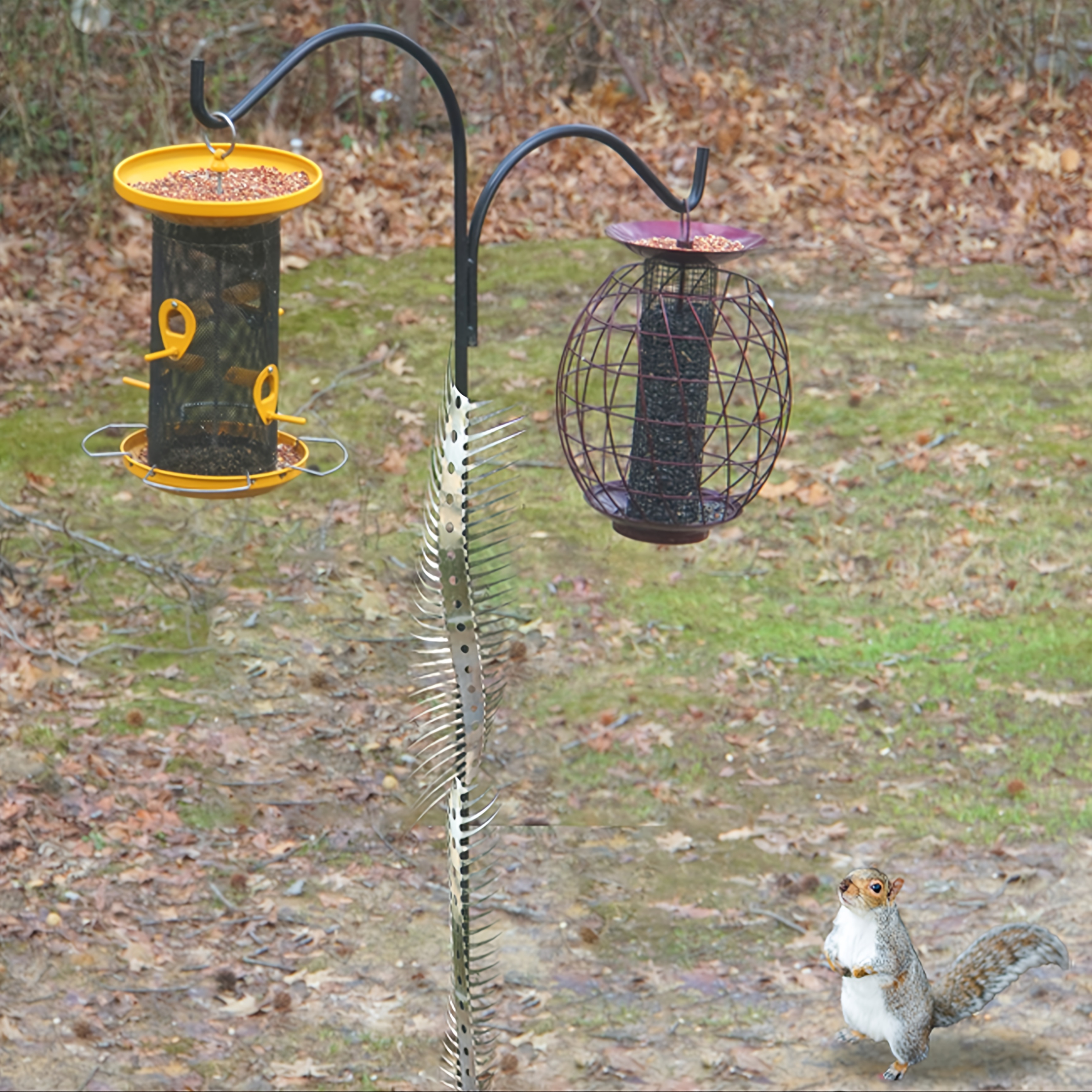
Baffles and guardsare very helpful in keeping raccoons away. These devices block raccoons from climbing poles or reaching bird feeders. They come in many shapes like cones, cylinders, or domes. Installing a metal or plastic bafflebelow the feeder pole makes it hard for raccoons to climb up. Make sure the baffle is wide enough to stop their paws from grabbing the feeder. Guards can also cover the feeder itself to stop raccoons from grabbing food.
Another way is using fences and enclosures. Surrounding your bird feeder with a fence that raccoons cannot climb or dig under helps a lot. A wire mesh fence with small holes works best. The fence should be high enough, at least 4 feet tall, to stop raccoons from jumping over. You can also build an enclosure around the feeder with a roof to keep raccoons out but still allow birds in.
Deterrents And Repellents
Natural repellents use strong smells that raccoons dislike. Sprinkling pepper flakesor placing garlic clovesnear feeders can help keep them away. Vinegar spraysalso work to repel raccoons but need frequent reapplication. Planting mint or lavenderaround feeders creates a scent barrier.
Commercial products are made to stop raccoons safely. Many use ultrasonic sound devicesthat humans cannot hear but bother raccoons. There are also animal-safe sprayswith scents raccoons avoid. Some feeders come with built-in cagesor guards that block raccoon access.
| Type | Examples | How it Works |
|---|---|---|
| Natural Repellents | Pepper flakes, garlic, vinegar, mint | Strong smells raccoons dislike |
| Commercial Products | Ultrasonic devices, animal-safe sprays, guarded feeders | Sound or scent repellents and physical barriers |

Credit: www.facebook.com
Maintaining Clean Feeding Areas
Keeping bird feeders clean helps stop raccoons from visiting. Remove old seeds and shells daily. This reduces smells that attract raccoons. Use a mild soap and water to wash feeders weekly. Let feeders dry before refilling.
Spilled seeds on the ground can invite raccoons. Sweep or rake the area around feeders often. Store extra bird food in sealed containers. This keeps the food fresh and out of reach.
- Remove leftover seeds daily
- Wash feeders with soap weekly
- Sweep spilled seeds promptly
- Use sealed containers for food
Additional Wildlife-friendly Practices
Providing alternative food sourcescan help keep raccoons away from bird feeders. Place food like corn or fruits away from feeders. This distracts raccoons and lets birds feed peacefully.
Adjusting the timing of feeder useis also useful. Fill feeders only during the day. Remove food at night when raccoons are most active. This reduces the chance of raccoons visiting.
- Put feeders in open areas to make raccoons nervous.
- Use feeders with raccoon-proof designs.
- Keep the area around feeders clean to avoid attracting raccoons.
Frequently Asked Questions
How Can I Stop Raccoons From Reaching My Bird Feeder?
Place feeders on tall poles with baffles to block raccoon climbing access.
What Type Of Bird Feeder Is Raccoon-resistant?
Feeders made of metal or with weight-sensitive perches help keep raccoons away.
When Is The Best Time To Clean Bird Feeders To Deter Raccoons?
Clean feeders daily to remove spilled seeds that attract raccoons.
Conclusion
Keeping raccoons away from bird feeders takes simple steps and patience. Secure feeders with raccoon-proof designs or place them out of reach. Clean up spilled seeds to avoid attracting these clever animals. Try using baffles or hanging feeders on smooth poles.
Remember, raccoons are smart and persistent, so stay consistent. Enjoy watching birds without unwanted visitors stealing the food. Small changes can make a big difference in protecting your feeders. Stay calm and keep trying different methods until you find what works best.