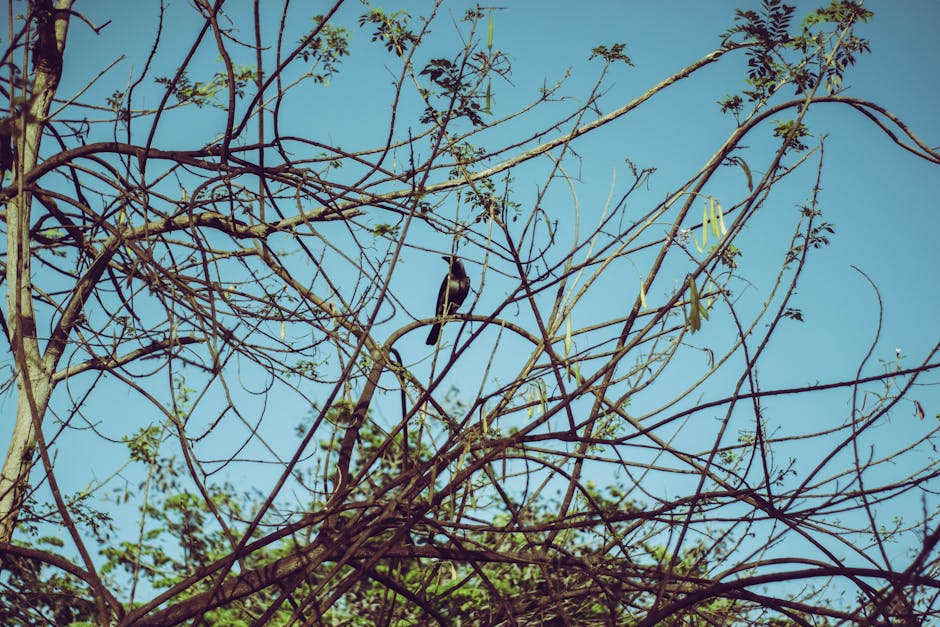
Are you tired of crows stealing all the food from your bird feeder? You’re not alone.
Crows are smart and persistent, and they can quickly take over your feeder, leaving little for the smaller birds you want to attract. But don’t worry—there are simple, effective ways to keep crows away without harming them. You’ll discover easy tips and tricks that will help protect your bird feeder and bring back the peaceful birdwatching you love.
Keep reading to learn how to enjoy your feeder without the crow chaos.

Credit: www.facebook.com
Why Crows Visit Bird Feeders
Crows visit bird feedersbecause they find food easily there. They like seeds, nuts, and leftover bits. Bird feeders offer a safe and steady food supply. Crows are smart birds and learn to find food fast.
They also come to feeders for social reasons. Crows often feed in groups. They watch each other and share food spots. This makes the feeder a popular place for many crows.
- Crows like easy access to food.
- Feeders provide a safe place to eat.
- They eat seeds, nuts, and scraps.
- Crows feed in groups and share spots.
- Feeders attract crows because of regular food.
Choose Crow-resistant Feeders
Crows prefer large, open feeders. Choose feeders with small openings. Tube feeders with narrow ports work well. Hopper feeders with weight-sensitive perches can stop crows. Avoid tray or platform feeders since crows like these.
Materials matter. Metal feeders are hard for crows to damage. Plastic feeders with smooth surfaces make it tough for crows to grip. Designs that hang or spin can scare crows away. Placing feeders on poles with baffles also helps.
| Feeder Type | Reason Crows Avoid |
|---|---|
| Tube Feeders | Small feeding ports limit crow access |
| Weight-Sensitive Hopper Feeders | Close ports under heavy weight like crows |
| Metal Feeders | Hard to damage or perch on |
| Spinning or Hanging Feeders | Movement deters crow landing |
Select Bird Food That Attracts Desired Birds
Choosing seeds can help keep crows away. Crows dislike safflower seeds. Crows find these seeds bitter. They avoid white millettoo. Smaller birds like these seeds. Nyjer seedsare tiny and less appealing to crows. Finches love nyjer seeds.
Offer food that crows don’t like. Use suet cakesfor smaller birds. Crows find them hard to eat. Hang fruit feedersfor orioles. Crows are less interested in fruit. Peanut feedersattract woodpeckers. Crows struggle to get peanuts. Use food that fits in small feeders.

Credit: www.yahoo.com
Use Physical Deterrents
Scare deviceslike fake owls or snakes can keep crows away. They see these as threats and avoid the area. Reflectorssuch as shiny tape or old CDs flash light and confuse crows. Moving reflectors work best because they catch the sun and create quick flashes. These devices need to be moved often to stay effective.
Nettingis a simple way to stop crows from reaching the feeder. Use fine mesh nettingaround or above the feeder. It lets small birds in but keeps larger birds out.
Coversor cages around the feeder protect seeds. These covers have small holes that only let small birds enter. Crows find it hard to get food this way and will stop trying.
Employ Noise And Movement
Wind chimes and sound makers create noisethat startles crows. The random soundskeep birds away from feeders. Place them near the feeder but not too close. The noise should be unpredictableto work well.
Motion-activated sprinklers use movementto scare crows. When crows approach, the sprinkler sprays waterquickly. This sudden spray makes crows fly away fast. It also helps keep other animals away from the feeder.
Modify Feeding Schedule And Location
Feed birds at times when crows are less active. Early morning or late afternoon works best. Crows usually come out during midday. Avoid these hours to reduce crow visits.
Place feeders in open spaces away from trees or tall structures. Crows like to perch high and watch before coming down. Moving feeders to spots with less cover can help.
- Choose quiet, less crowded areas for feeders.
- Keep feeders near bushes or shrubs for small birds to hide.
- Avoid placing feeders near crow nests or roosts.
- Use feeders with smaller openings to limit crow access.
Maintain Cleanliness Around Feeders
Spilled seeds attract crows and other unwanted birds. Clean up any seeds on the ground quickly. This helps keep the area tidy and less inviting to crows.
Feeders need regular cleaning to stay fresh and safe for birds. Wash feeders with warm water and mild soap every week. Rinse well to remove soap residue before refilling.
- Remove spilled seeds daily to avoid crow visits.
- Clean feeders weekly to prevent bad smells and mold.
- Use a brush to scrub feeders gently but thoroughly.
- Dry feeders completely before adding new seeds.
Consider Natural Predators And Habitat Adjustments
Natural predatorscan help keep crows away. Birds of prey like hawks scare crows from feeders. You can create a habitat that attracts these predators.
Adjusting the area around your feeder also helps. Keep the ground clear of seeds to avoid attracting crows. Use tall plants or shrubs to block crow access.
- Place feeders near trees where hawks perch.
- Remove fallen seeds quickly to reduce crow interest.
- Trim nearby bushes to reduce hiding spots for crows.
- Use plants that crows dislike, such as prickly bushes.

Credit: www.facebook.com
Frequently Asked Questions
How Can I Stop Crows From Eating Bird Feeder Food?
Place feeders with small openings for tiny birds only. Use crow-proof feeders or cover food with mesh.
What Bird Feeder Designs Keep Crows Away Effectively?
Tube feeders with weight-sensitive perches close for heavy birds like crows. Hanging feeders on thin wires help too.
Which Foods Attract Crows Less To Bird Feeders?
Offer seeds like nyjer or safflower. Avoid corn, peanuts, and large seeds that crows prefer.
Conclusion
Keeping crows away from your bird feeder takes patience and care. Try using different feeders or placing food in small amounts. Bright colors and noise can also help scare crows. Change your methods if one does not work well. Protecting smaller birds is possible with simple steps.
Enjoy watching your favorite birds without worry. Small changes make a big difference in your garden. Stay consistent and observe what works best. Your bird feeder can become a safe space for all birds.