
Are you tired of finding bird nests popping up around your home or garden? While birds are lovely creatures, their nests can sometimes cause damage or create unwanted messes.
You might be wondering how to gently stop birds from building nests in certain spots without harming them. This guide will show you simple, effective ways to keep birds away from your favorite areas. Keep reading, and you’ll learn easy tips that work—so you can protect your space while respecting nature.

Credit: www.amazon.com
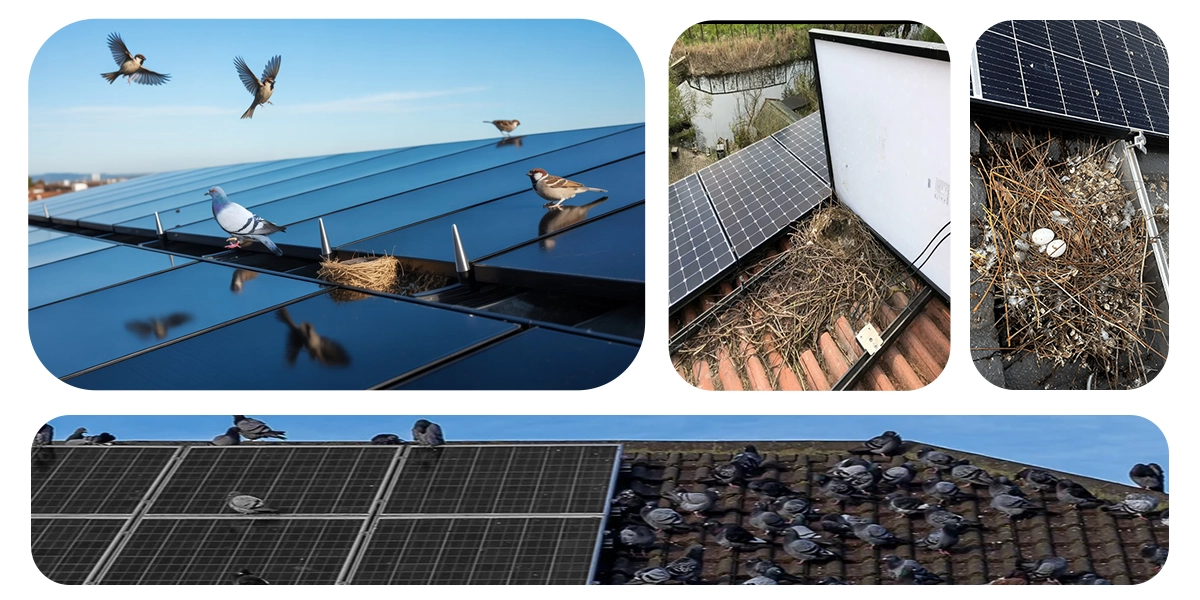
Reasons Birds Build Nests
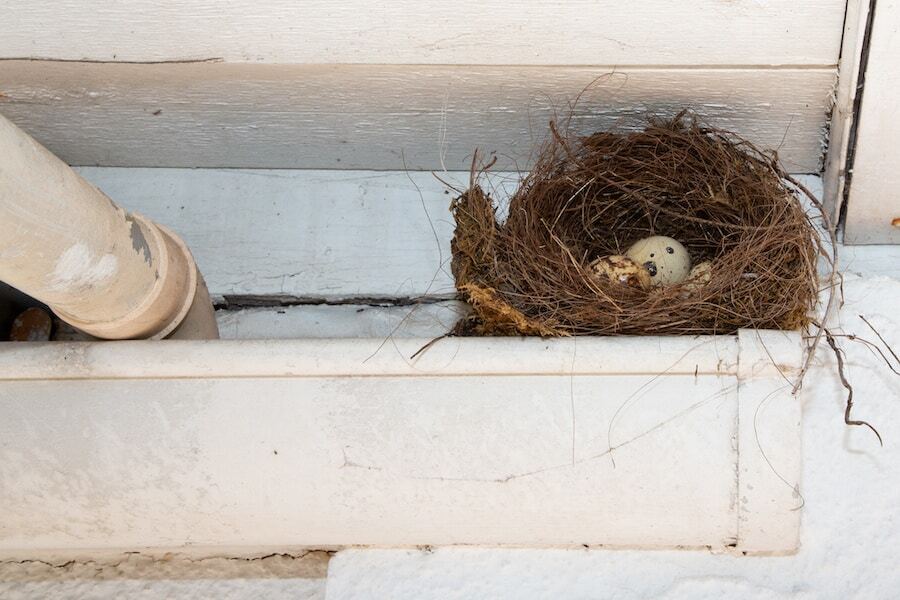
Birds build nests to keep their eggs safe and warm. Nests also protect baby birds from predators. Birds look for quiet and safe places to build nests. They use twigs, leaves, mud, and feathers to make nests strong and cozy.
- Common nesting spots include trees, bushes, and roof eaves.
- Birds also nest in vents, sheds, and flower pots.
- Some birds build nests on the ground or in tall grass.
Nesting happens mostly in spring and early summer. Birds choose warmer months to raise their young. Some birds may build nests more than once a year. The nesting season depends on the bird species and location.
Credit: solarsme.com
Signs Of Nest Building
Birds use many materialsto build nests. Common items include:
- Twigs and small branches
- Leaves and grass
- Feathers for softness
- Bits of string or yarn
- Mud to hold parts together
Watching bird behaviorhelps spot nest building early. Birds may:
- Carry materials in their beaks
- Visit the same spot repeatedly
- Fluff feathers while staying still
- Move in and out of a small area
- Make soft chirping sounds
Preventive Measures
Removing nesting materials helps stop birds from building nests. Clear away twigs, leaves, and string daily. Keep outdoor areas tidy and free from debris. Birds like soft materials for nests, so removing them is key.
Sealing entry points blocks birds from entering spaces. Use mesh, caulk, or foam to close holes and gaps. Pay attention to vents, eaves, and roof edges. This prevents birds from finding safe spots to nest.
| Preventive Measures | What to Do |
|---|---|
| Removing Nesting Materials |
|
| Sealing Entry Points |
|
Deterrents To Discourage Nesting
Visual deterrentsuse sights to scare birds away. Hanging shiny objects like old CDs or aluminum foil strips reflect light and move with the wind. These flashes confuse birds and stop them from nesting. Fake predators, such as plastic owls or snakes, also work well. They make birds feel unsafe and keep them away.
Sound deterrentsuse noises to frighten birds. Devices that emit bird distress calls or predator sounds can be effective. These sounds create a sense of danger. Ultrasonic devices produce high-pitched sounds humans cannot hear but annoy birds. Using sound deterrents near nesting spots can reduce bird activity.
Scent-based deterrentsrely on smells birds dislike. Spraying strong scents like vinegar or peppermint oil around the area helps. Birds avoid places with these odors. Some commercial bird repellents use natural ingredients to keep birds from settling. Regular reapplication is needed for these scents to stay strong.
Safe And Humane Practices
Keeping birds safewhile stopping them from nesting is very important. Avoid touching or moving nests with eggs or baby birds. Birds can get scared or hurt if nests are disturbed. Use gentle ways to keep birds away, like placing shiny objects or safe barriers where they try to build nests.
Many laws protect birds and their nests. Some birds are protected all year, and others only in certain seasons. It is illegal to remove or destroy active nestsin many places. Check local rules before acting. Always choose ways that do not harm birds or their homes.
Alternative Solutions
Placing shiny objects or fake predators can discourage birds from nesting nearby. Regularly cleaning potential nesting spots also helps keep birds away.
Providing Birdhouses Elsewhere
Birdhouses can be placed in different areas. Choose quiet spots away from busy places. Birds love peace for nesting. Secure birdhouses to keep them stable. Safety from predators is very important. Ensure they are clean and dry. Proper placement can attract birds to new spots. Consider the size of the birdhouse for different birds. This helps birds feel comfortable.
Creating Bird-friendly Zones
Set up zones with plants birds like. Use native plants to attract local birds. Provide water sources like small ponds or fountains. Birds love to bathe and drink. Avoid loud noises near these zones. Ensure there are places to perch and rest. This makes birds feel at home. Encourage birds to visit these areas often.
Credit: www.callnorthwest.com
Frequently Asked Questions
How Can I Stop Birds From Nesting On My Property?
To stop birds from nesting, remove existing nests and block entry points. Use bird repellents or deterrents like spikes and nets. Keep the area clean and avoid leaving food or water sources accessible. Regularly inspect and maintain your property to discourage nesting.
What Are Safe Methods To Prevent Birds From Building Nests?
Safe methods include installing bird spikes, netting, or reflective objects. Use natural repellents like peppermint oil or bird gel. Avoid harmful chemicals or traps. Regularly clear nesting materials and seal openings to prevent access without harming the birds.
Why Do Birds Choose Certain Spots To Build Nests?
Birds pick spots based on safety, shelter, and food availability. They prefer quiet, undisturbed areas protected from predators and weather. Accessibility to building materials and proximity to food sources also influence their nesting choice. Understanding this helps in preventing unwanted nesting effectively.
Can Noise Deter Birds From Nesting Near My Home?
Yes, noise can deter birds temporarily. Use wind chimes, radios, or ultrasonic devices to create disturbances. However, birds may get used to constant noise over time. Combine noise with other deterrents for better and longer-lasting results.
Conclusion
Preventing birds from building nests takes patience and simple steps. Use barriers or gentle deterrents to keep birds away. Keep areas clean and remove materials birds use for nests. Check your space often to catch problems early. Respect wildlife while protecting your home.
Small actions make a big difference in stopping nests. Stay consistent and watch your efforts pay off. A bird-free space feels safe and tidy.