
Are you tired of ants invading your hummingbird feeders and ruining the sweet nectar you put out? Watching hummingbirds is a joy, but those tiny ants can quickly turn your feeder into a no-go zone.
You want to keep your feeders clean and inviting for the birds, not a playground for ants. You’ll discover simple and effective ways to keep ants away, so your hummingbirds can enjoy their treat without interruption. Keep reading to protect your feeders and bring more hummingbirds to your garden!

Credit: www.facebook.com
Why Ants Are Attracted To Feeders
Ants are drawn to hummingbird feedersbecause they smell the sweet nectar inside. The sugary liquid is a perfect food source for ants. They travel in large groups, making it easy to find and reach the feeder.
Ants use trails to guide others to the feeder. Once one ant finds the nectar, many will follow the scent trail. This can quickly lead to an ant invasion around the feeder.
Warm weather and outdoor locations also attract ants. Feeders placed near plants or soil offer easy access for ants to climb and reach the nectar.
Understanding why ants come helps protect the feeder from getting crowded by ants.
Choosing Ant-proof Feeders
Choosing ant-proof hummingbird feedershelps stop ants from reaching nectar. These feeders often have built-in barriers that ants cannot cross. Some use a water moat that surrounds the feeder. Ants cannot swim across this water moat, keeping them away from the nectar.
Look for feeders made with smooth surfaces. Ants find it hard to climb slippery or smooth surfaces. Feeders with small feeding ports also limit ant access. Using feeders with an ant moat or guardis the best way to prevent ants.
- Feeders with built-in water moats
- Feeders with smooth, slippery surfaces
- Feeders with small nectar ports
- Feeders made of materials ants cannot easily climb
Using Physical Barriers
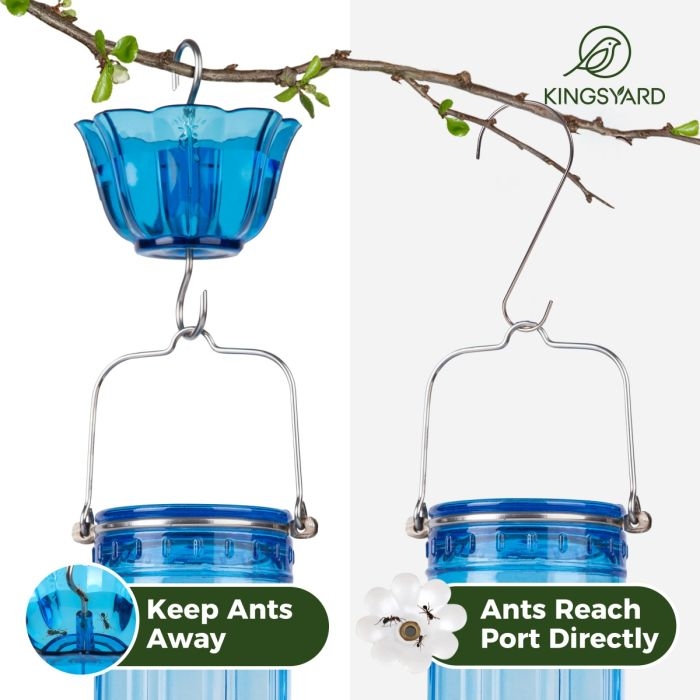
Ant moatsact as water barriers around hummingbird feeders. They stop ants from reaching the nectar. These moats are easy to fill with water and hang above the feeder. Ants cannot cross the water, so they stay away. Make sure to keep the water fresh to work well.
Sticky barriersuse a sticky substance on the feeder pole. Ants get stuck when they try to climb. These barriers need careful application to avoid harming hummingbirds. Reapply sticky tape or gels often, especially after rain. This keeps ants from crawling up to the nectar.

Credit: www.farmhouse40.com
Natural Repellents For Ants
Keeping ants away from hummingbird feeders can be done using natural repellents like vinegar or cinnamon. These safe ingredients create barriers that ants avoid, protecting the nectar without harming birds. Simple and eco-friendly solutions work well to keep feeders ant-free.
Using Vinegar Solutions
Vinegarkeeps ants away. Mix water and vinegar equally. Spray on the feeder. Ants dislike the smell. It confuses them. This solution is safe for birds. Repeat often for best results.
Applying Cinnamon Or Peppermint
Cinnamonand peppermintrepel ants naturally. Sprinkle cinnamon around the feeder. Ants avoid its smell. Use peppermint oil for more effect. Dab oil on feeder edges. Ants dislike peppermint too. Both are safe for hummingbirds.
Maintaining Clean Feeders
Keeping hummingbird feeders clean is essentialto stop ants. Set a regular cleaning scheduleto remove old nectar and dirt. Clean feeders every 3-4 days during hot weather. Use warm water and mild soap. Rinse well to avoid harming birds.
Spilled nectar attracts ants quickly. Place feeders where spills are easy to clean. Wipe up any drops immediately. Use a tray or plate under the feeder to catch drips. This helps keep the area dry and less inviting for ants.
Placement Tips To Deter Ants
Hanging feeders in the right place helps keep ants away. Place feeders where ants have trouble reaching them. Use tree branches or other supports to hang feeders high and far from ant trails.
Make sure the feeder is not touching leaves or branches ants can use to climb. A small gap between the feeder and the branch stops ants from crossing over. Use thin wires or strings to hang feeders.
| Placement Tip | Why It Works |
|---|---|
| Hang feeders away from ant trails | Stops ants from finding the feeder |
| Use thin wires or strings | Makes climbing difficult for ants |
| Keep feeder off leaves and branches | Prevents ants from crossing over |
| Hang feeders high from supports | Out of reach for most ants |
Alternative Feeding Solutions
Using different feeders can help keep ants away from hummingbird food. Some feeders have built-in ant moats. These small water-filled barriers stop ants from crossing.
Another option is to use a feeder made of smooth plastic or glass. Ants find it harder to climb these surfaces. Hanging feeders away from branches and walls also reduces ant access.
Placing feeders on poles with ant guards can block ants from climbing. These guards can be sticky or slippery. Keep feeders clean and dry to avoid attracting ants.
- Use ant moat feeders filled with water
- Choose smooth plastic or glass feeders
- Hang feeders away from plants and walls
- Install ant guards on poles
- Regularly clean and dry feeders
Credit: www.kingsyard.com
Frequently Asked Questions
How Do Ants Get Into Hummingbird Feeders?
Ants are attracted to the sweet nectar inside feeders. They crawl along the feeder’s base, poles, or nearby branches. Once they find a food source, ants leave a scent trail for others to follow. Preventing access points is key to keeping ants away.
What Natural Methods Deter Ants From Feeders?
Using natural deterrents like cinnamon, peppermint oil, or vinegar can repel ants. Placing a thin layer of petroleum jelly around the feeder’s hanger also blocks ants. These safe methods protect hummingbirds while discouraging ants effectively.
Can Ant Moats Keep Ants Off Feeders?
Yes, ant moats filled with water create a barrier ants cannot cross. Hanging the feeder from a hooked pole with an attached moat is effective. This method prevents ants without harming the hummingbirds or using chemicals.
How Often Should I Clean Hummingbird Feeders?
Clean feeders every 3-5 days to prevent mold and ant infestations. Regular cleaning removes leftover nectar that attracts ants. Use warm water and mild soap, then rinse thoroughly to keep feeders safe and fresh.
Conclusion
Keeping ants off hummingbird feeders protects the birds and keeps nectar fresh. Use barriers like sticky tape or water moats to stop ants easily. Clean feeders often to remove sugary spills that attract ants. Place feeders away from ant trails for best results.
Small steps can make a big difference for your hummingbirds. Enjoy watching them without worrying about ants invading their food. Simple care keeps feeders safe and hummingbirds happy all season long.