
Have you ever spotted a bird and wondered what it was? Knowing how to identify birds can turn a simple glance into a fascinating discovery.
Imagine the thrill of recognizing different species just by their colors, shapes, or songs. This guide will help you sharpen your observation skills and make birdwatching more exciting. By the end, you’ll feel confident spotting birds wherever you go. Ready to become a bird identification pro?
Let’s dive in!
Key Bird Features
Birds come in many sizes and shapes. Some are small like sparrows, others large like eagles. The body shape can be round, slim, or long. Wings may be broad or narrow. Tail shape also helps in identification.
Color patternsare very useful. Birds can have plain colors or bright patches. Some show stripes, spots, or bands on their feathers. Note the colors on the head, wings, and tail for clues.
| Beak Type | Purpose | Example Birds |
|---|---|---|
| Short and thick | Cracking seeds | Finches, Sparrows |
| Long and thin | Probing flowers or mud | Hummingbirds, Sandpipers |
| Hooked | Tearing meat | Hawks, Eagles |
| Flat and wide | Filtering water | Ducks, Swans |
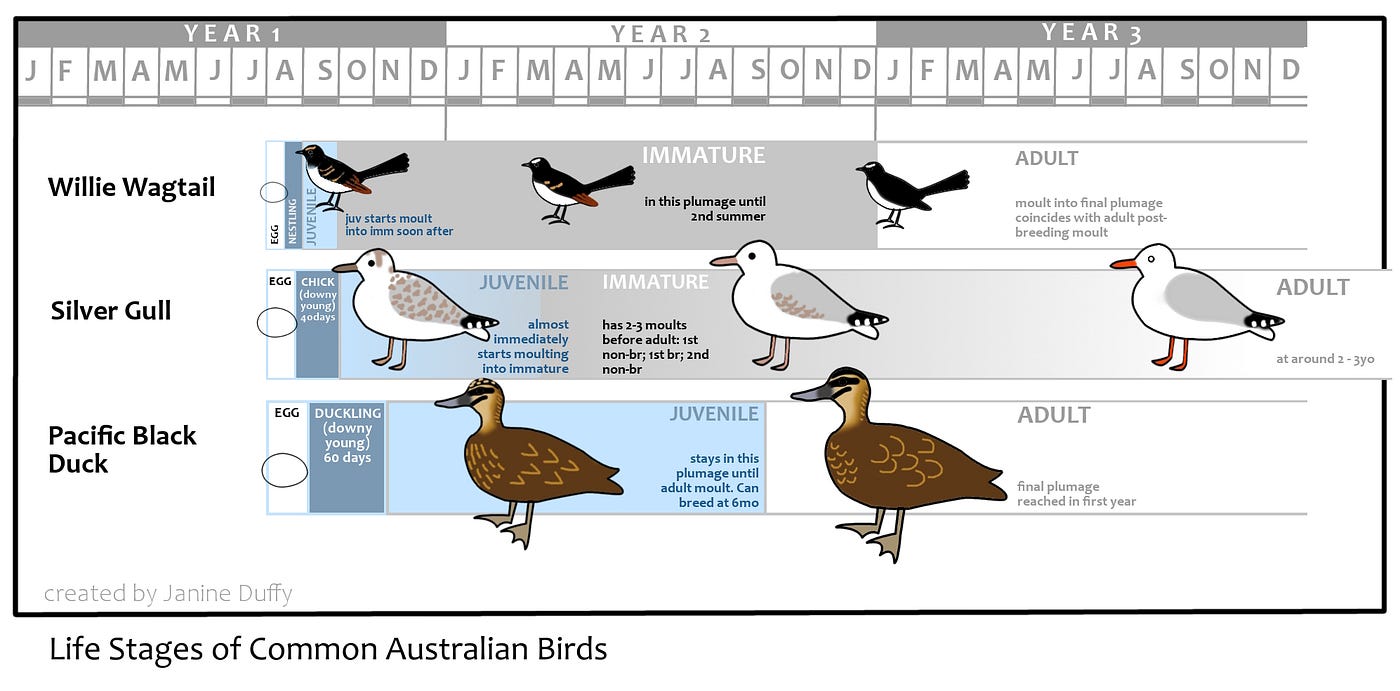
Credit: medium.com
Bird Sounds And Calls
Bird sounds help to identify specieswithout seeing them. Each bird has a unique songor call. Some songs are simple whistles, others are complex melodies. Learning these sounds can improve bird watchingskills.
Common bird songs often include:
- Clear, repeated notes
- Chirps and trills
- Short, sharp calls
- Varied rhythms
Using sound for ID means listening carefullyin quiet places. Focus on pitch, pattern, and lengthof the calls. Apps and recordings can help to compare sounds. Practice helps to recognize familiar birdsby their calls.
Habitat Clues
Birds live in different places. Knowing their habitats helps to identify them easily.
Forest birdsprefer tall trees and thick leaves. They often hide in branches. Their colors blend with greens and browns. You may hear soft calls or quick chirps among the leaves.
Wetland speciesstay near water like lakes, rivers, or marshes. They have long legs or big feet to walk on mud or water. Their feathers are often shiny or white. Listen for loud squawks or whistles.
Urban birdslive in cities and towns. They like parks, gardens, and rooftops. These birds are used to people and noise. They often have simple colors like grey, black, or brown. Watch for quick movements and familiar sounds like caws or chirps.
Behavior Patterns
Birds show unique flight styles. Some glide smoothly, others flap rapidly. Hawks soar high using thermal currents. Sparrows flit quickly from tree to tree. Each bird’s flight helps it find food or escape predators. Understanding their flight can help identify them.
Birds have different feeding habits. Some peck at seeds, others catch insects. Ducks dabble for plants in water. Hummingbirds sip nectar with long beaks. Feeding habits reveal what birds eat and where they live. Observing their eating can help in identification.
Nesting behaviorvaries among birds. Some build nests on trees. Others nest on cliffs or ground. Some use mud, others use twigs. Eagles build large nests, while finches make tiny ones. Nesting choices show bird preferences and habitats.
Tools For Birdwatching
Binocularshelp see birds clearly from far away. They make small details visible. Scopesgive even closer views, but they are heavier and need a stand.
Field guidesshow pictures and descriptions of birds. They help compare colors, shapes, and sizes. Carry a small, easy guide for quick checks outdoors.
Mobile appsprovide bird sounds and photos. They can identify birds by sound or image. Many apps work offline, useful in places without internet.

Credit: www.facebook.com
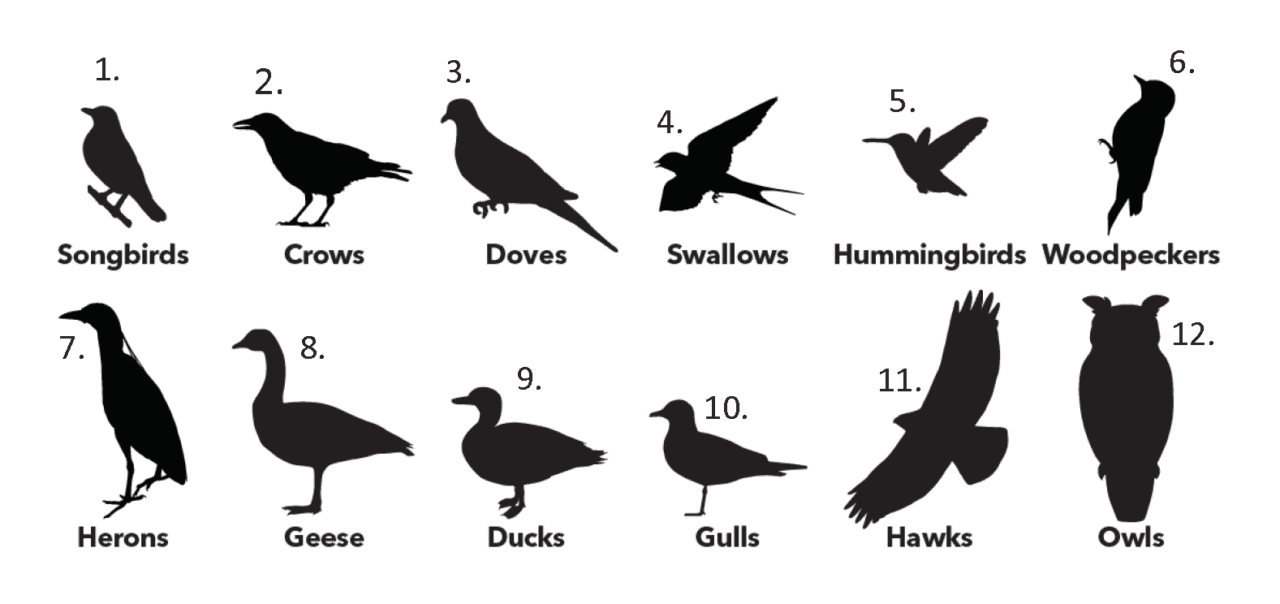
Credit: www.birds.cornell.edu
Frequently Asked Questions
How Can I Identify Birds By Their Colors?
Bird colors help spot species quickly. Look at patterns, shades, and color spots carefully.
What Bird Sounds Help With Identification?
Listen for calls and songs. Each bird species has unique sounds and rhythms to recognize.
Which Tools Help Identify Birds Easily?
Use binoculars, field guides, and bird ID apps. They make spotting details much clearer.
Conclusion
Bird watching becomes easier with practice and patience. Notice colors, shapes, and sounds carefully. Use a guidebook or app to help. Each sighting teaches something new and fun. Enjoy nature’s beauty right in your backyard. Keep observing, and your skills will grow.
Identifying birds brings joy and calm. Simple steps lead to great discoveries every time.