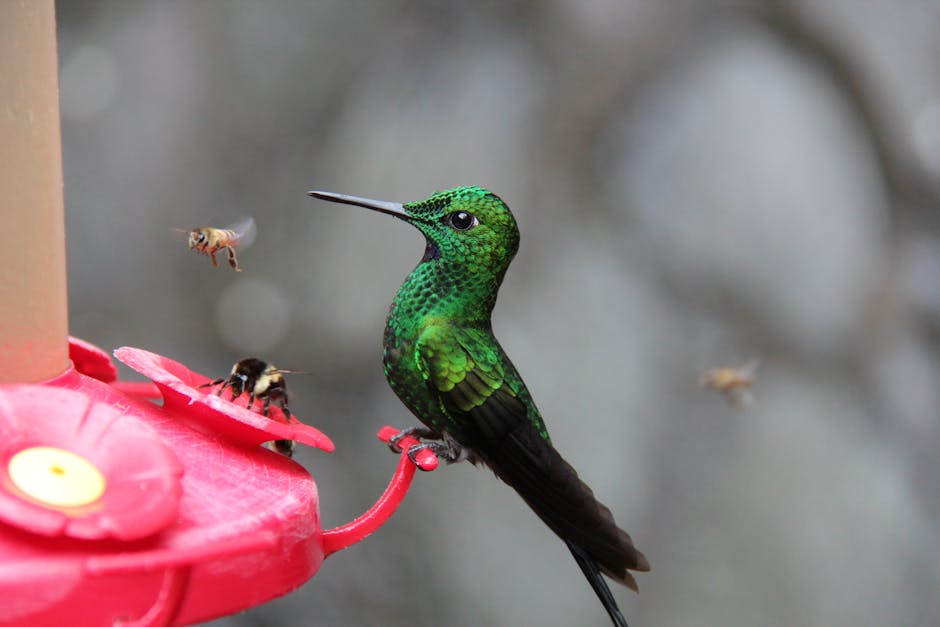
Are you tired of sharing your hummingbird feeder with buzzing bees and pesky wasps? It’s frustrating when these unwanted guests steal the sweet nectar meant for your tiny feathered friends.
You want to enjoy watching hummingbirds up close, but the constant battle with insects can spoil the experience. Luckily, there are simple and effective ways you can keep bees and wasps away without harming them or your hummingbirds. Keep reading to discover easy tips that will help you protect your feeder and bring more hummingbirds to your garden.

Credit: www.facebook.com
Why Bees And Wasps Are Drawn To Feeders
Bees and waspslove sweet nectar. Hummingbird feeders contain sugar water. This makes feeders very attractiveto these insects.
Bees and wasps are drawn by the smelland tasteof the nectar. They want to collect the sugar for food. The bright colors of feeders also catch their attention.
Both insects are persistentand can crowd the feeder quickly. This can scare hummingbirds away. Understanding why they come helps to find ways to keep them away.
Choosing The Right Feeder
Choosing the right feeder can help keep bees and wasps awayfrom hummingbird feeders. Designs with small feeding portslimit access to nectar for insects but allow hummingbirds to feed easily. Feeders with bee guardsor ant moatsalso prevent insects from reaching the nectar.
Materials play a key role. Use feeders made of thick glass or plasticthat bees and wasps find hard to cling to. Avoid bright yellow parts, as they attract insects. Red colors attract hummingbirds but not bees or wasps.
| Feeder Design | Effect on Bees and Wasps |
|---|---|
| Small feeding ports | Limit insect access |
| Bee guards | Keep insects away from nectar |
| Ant moats | Prevent crawling insects |
Placement Strategies
Placing hummingbird feeders away from flowers and shady spots helps reduce bees and wasps. Using a feeder with bee guards or hanging it where wind blows can also keep pests away. Regularly cleaning the feeder prevents attracting unwanted insects.
Ideal Locations For Feeders
Choose spots that are away from flowers and plants. These attract bees and wasps. Place feeders near trees or bushes. They provide shade and shelter. Avoid areas with direct sunlight. This keeps nectar cool and fresh. High places reduce insect access. Use hooks or poles to elevate feeders.
Using Distance To Your Advantage
Separate feeders from your garden. This creates a barrier for insects. Keep feeders 10 feet apart. This reduces crowding and competition. Space helps hummingbirds feel safe. It lowers stress and increases visits. Move feeders regularly. This confuses bees and wasps. They struggle to find nectar. Adjust positions every few days. This keeps pests guessing.
Feeder Maintenance Tips
Cleaning your hummingbird feeder often keeps bees and wasps away. Change the sugar water every 2-3 days. If it is hot outside, clean it more often. Use warm water and a mild soap to wash the feeder. Rinse well to remove all soap. This stops mold and harmful bacteria from growing.
Make sugar water by mixing 1 part white sugarwith 4 parts water. Do not use honey or artificial sweeteners. Boil the water first to kill germs, then cool it before adding sugar. Avoid adding food coloring. Red dye is enough to attract hummingbirds.
Natural Deterrents To Try
Herbs and plantslike mint, basil, and citronella work well to keep bees and wasps away. Plant these near your hummingbird feeder to create a natural barrier. Lavender and marigold also help by giving off scents insects dislike.
Homemade sprays can be made using simple ingredients. Mix water with a few drops of peppermint or eucalyptus oil. Spray this around the feeder but not on it. A solution of water and a small amount of dish soap can also deter insects without harming birds.
- Mint plants near feeders
- Basil pots around the area
- Lavender and marigold blooms
- Spray with water and peppermint oil
- Water mixed with mild dish soap spray

Credit: petrinspest.com
Physical Barriers And Traps
Bee guardsare small plastic or metal pieces that fit over the feeder ports. They let hummingbirds drink but block bees and wasps. These guards reduce unwanted visitors by limiting access to nectar.
Safe trapping methods catch wasps without harming hummingbirds. Use traps filled with sweet bait placed away from feeders. This draws wasps away from the feeding area. Traps should be checked often and cleaned to keep them effective.
- Place bee guards on all feeder ports.
- Use traps with sugar water or fruit juice as bait.
- Hang traps 10-15 feet away from feeders.
- Empty and clean traps regularly.
- Avoid using harmful chemicals near feeders.
Behavioral Adjustments
Choose feeding times when bees and wasps are less active. Early morning or late evening works best. These insects prefer warm hours, so avoid midday feeding.
Keep an eye on the feeder throughout the day. Regular monitoringhelps spot insects quickly. Remove any bees or wasps before they gather in large numbers.
React fast if insects appear. Clean spilled nectar promptly. This stops them from being attracted again. Quick action keeps the feeder safe for hummingbirds.

Credit: www.hummingbirdsociety.org
Frequently Asked Questions
How Can I Stop Wasps From Reaching Hummingbird Feeders?
Place feeders in shady spots and use wasp guards or bee-proof feeder designs to block their access.
What Type Of Nectar Keeps Bees Away From Feeders?
Use a nectar mix with no red dye and keep it clean to reduce bee attraction.
Why Do Bees And Wasps Like Hummingbird Feeders?
Sweet nectar attracts them as a food source, especially in hot weather when flowers are scarce.
Conclusion
Keeping bees and wasps away from hummingbird feeders takes patience and care. Use simple tricks like feeder placement and regular cleaning. Choose feeders designed to keep insects out. Sweet nectar attracts many insects, so check and refresh it often. Watching hummingbirds visit without pests makes feeding more fun.
Small changes can make a big difference. Protect your feeder, and enjoy the peaceful sight of hummingbirds. Stay consistent, and you will see better results over time.