Are you ready to bring a little nature right to your balcony? Hanging a bird feeder is a simple way to attract colorful birds and enjoy their cheerful visits every day.
But you might be wondering—how do you hang a feeder safely and securely without making a mess or disturbing your neighbors? In this guide, you’ll discover easy steps and smart tips to set up the perfect bird feeder on your balcony.
By the end, you’ll have everything you need to create a cozy spot that invites feathered friends and brightens your outdoor space. Let’s get started!
Choosing The Right Feeder
Bird feeders come in many types. Tube feeders hold seeds and suit small birds. Hopper feeders store lots of seed and attract many birds. Platform feeders are open and easy for birds to access. Suet feeders are good for high-energy food.
Choosing the right materialis key. Plastic feeders are light and cheap but may break easily. Metal feeders last long and resist squirrels. Wood feeders look natural but need care to avoid rot.
| Size | Capacity | Best For |
|---|---|---|
| Small | 1-2 cups | Small balconies, fewer birds |
| Medium | 3-5 cups | Moderate bird traffic |
| Large | 6+ cups | Busy bird feeders, many birds |
Pick size based on balcony space and bird numbers. Bigger feeders hold more food but take more room.

Credit: www.amazon.com
Selecting The Perfect Spot
Choose a safe spoton your balcony to hang the bird feeder. Make sure it is stable and secure.
- Keep the feeder out of reach from pets or children.
- Avoid spots near busy walkways to prevent accidents.
Find a balance between sunlight and shade. Birds like warmth but also need cool spots.
- Place the feeder where it gets morning sun and afternoon shade.
- Too much sun can spoil the bird food quickly.
Protect from wind and predators. Wind can tip the feeder or scare birds.
- Use a sheltered corner or hang the feeder near a wall.
- Keep it away from places where cats or other animals can jump.
Mounting Options
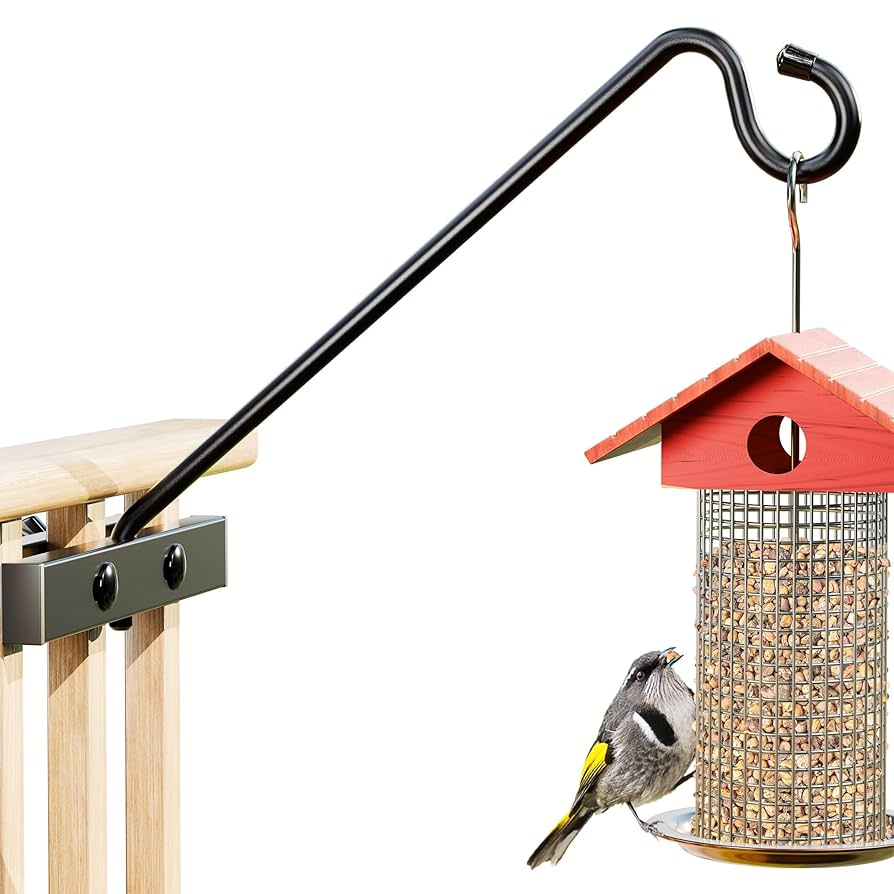
Choose a sturdy hook or bracket to secure the bird feeder safely on your balcony. Ensure it is strong enough to hold the feeder’s weight and withstand wind. Hanging the feeder at eye level helps attract birds while keeping it easy to refill.
Hanging Hooks And Brackets
Choose hanging hooksor brackets for easy setup. Attach them to the balcony rail. Ensure they are sturdyand can hold the feeder’s weight. Some hooks are adjustable. This allows for different angles. Use strong materials like metal. Avoid plastic hooks. They can break easily. Check if the hooks fit your balcony size. Safety is important. Make sure the feeder is secure.
Using Suction Cups
Suction cups are great for glass surfaces. Clean the glass before sticking the cups. This ensures a strong grip. Choose large suction cups for heavy feeders. Test the suction strength. Press firmly for a tight seal. Inspect suction cups regularly. Replace them if they lose grip.
Pole And Stand Alternatives
Pole stands offer flexibilityin placement. They don’t need railing. Position them on the balcony floor. Ensure the base is stable. Choose a pole height that suits you. Look for adjustable stands. These are useful for different feeder types. Make sure the stand can handle windy weather.
Installation Steps
Gathering tools and materials is essential for a smooth installation. You will need a bird feeder, a hook or bracket, a screwdriver or drill, and measuring tape. Choose materials that suit your balcony style.
Measuring and marking the spot ensures the feeder hangs safely. Use the measuring tape to find a place that is visibleand easy for birds to reach. Mark the spot lightly with a pencil or tape.
Securing the feeder properly will keep it stable. Fix the hook or bracket firmly to the wall or railing with screws. Hang the bird feeder and check if it swings freely and stays steady.
Choosing Bird Food
Popular seed typesattract different birds. Black oil sunflower seeds are loved by many small birds. Nyjer seeds attract finches. Mixed birdseed offers variety but may include filler seeds. Peanuts are good for woodpeckers and jays, but avoid salted ones.
Seasonal food choiceshelp birds in different weather. In winter, high-fat foods like suet or sunflower seeds give energy. During spring and summer, offer fruits, mealworms, or nectar to support breeding birds.
Avoiding mold and spoilagekeeps birds healthy. Store seeds in cool, dry places. Check feeders often and remove wet or old food. Clean feeders regularly to stop mold growth and bugs.

Credit: www.reddit.com
Maintenance Tips
Regular cleaningkeeps the bird feeder safe and inviting. Wash it every two weeks with warm soapy water. Rinse well to remove soap. Dry completely before refilling. This stops mold and bacteria growth.
Refill the feeder often to keep birds happy. Check daily during busy bird seasons. Avoid overfilling to prevent seed waste and pests.
| Task | Frequency | Reason |
|---|---|---|
| Clean feeder | Every 2 weeks | Prevents mold and disease |
| Refill seeds | Daily or as needed | Keeps birds coming back |
| Check for pests | Weekly | Protects birds and feeder |
Watch for ants, squirrels, or insects. Use safe methods to keep pests away. A clean feeder is a happy feeder.
Attracting Birds To Your Feeder
Adding water sourceshelps birds stay hydrated and visit more often. Place a small, shallow dish with clean water near the feeder. Change the water daily to keep it fresh and safe. A birdbath with gentle movement, like a dripper or mister, attracts more birds by creating sound and motion.
Planting bird-friendly plantsprovides natural food and shelter. Choose native plants with berries, seeds, or nectar. Examples include sunflowers, coneflowers, and berry bushes. These plants also offer safe places for birds to rest and hide from predators.
- Keep the area quiet to avoid scaring birds away.
- Limit loud noises and sudden movements near the feeder.
- Place feeders where birds feel safe, like near shrubs or trees.
- Clean the feeder regularly to prevent disease.

Credit: www.amazon.com
Frequently Asked Questions
How Do I Choose The Best Spot To Hang A Bird Feeder On A Balcony?
Pick a place with good bird visibility and away from strong wind or direct sun.
What Types Of Bird Feeders Work Well On Balconies?
Small tube or platform feeders fit best on balconies and attract many common birds.
How Can I Keep The Bird Feeder Clean And Safe?
Clean the feeder every two weeks with warm water to stop mold and disease.
Conclusion
Hanging a bird feeder on your balcony brings nature close. It’s simple and fun to do. Choose a safe spot that birds can easily find. Use strong hooks or brackets for support. Keep the feeder clean and refill it regularly.
Watching birds visit brightens any day. Enjoy the peaceful moments and the lively bird songs. Start today and bring more life to your balcony space.