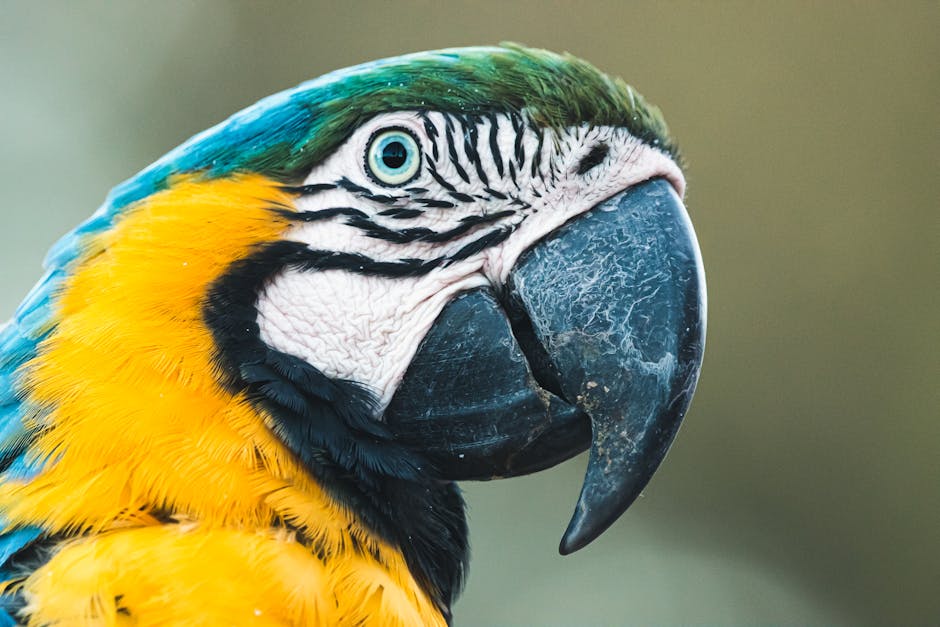
Have you ever wanted to discover the peaceful thrill of bird watching but didn’t know where to start? Imagine standing quietly in nature, spotting colorful birds you never knew existed.
Bird watching is more than just a hobby—it’s a way to connect with nature, clear your mind, and enjoy simple moments of wonder. In this guide, you’ll learn easy steps to begin your bird watching adventure. By the end, you’ll feel confident and excited to explore the skies and trees around you.
Ready to see the world from a new perspective? Let’s dive in!

Credit: www.instagram.com
Choosing The Right Gear
Choose binocularswith a clear view and good zoom. Compact and lightweight models are easier to carry. Cameras with a good zoom lens help capture bird details. A tripod can keep the camera steady for better shots.
Wear clothes that match the weather and blend with nature. Neutral colors like green, brown, and gray work best. Comfortable footwear is a must. Shoes with good grip help on uneven ground. Dress in layers to stay warm or cool as needed.

Credit: www.instagram.com
Picking The Best Locations
Local parks and reserves are great spots for bird watching. They often have easy trailsand places to sit quietly. Many birds like these areas because of the trees and bushes.
Wetlands and forests offer different types of birds. Wetlands have water birds like ducks and herons. Forests have songbirds and woodpeckers. Both places are good for spotting many species.
- Choose spots with varied plants for more bird types.
- Early morning is best for seeing active birds.
- Stay quiet and move slowly to avoid scaring birds.
Timing Your Bird Watching
Birds move with the seasons. Some birds stay all year. Others come only in spring or fall. Watching during springand fallhelps see many kinds. In winter, birds may be fewer but easier to spot. Summer can be hot, and birds rest more.
The best times of dayto watch birds are early morning and late afternoon. Birds are active then. They eat, sing, and fly around. Midday is usually quiet. Birds hide from the heat and rest.
- Early morning: Birds are loud and busy.
- Late afternoon: Birds feed before night.
- Midday: Birds rest and stay still.
Identifying Common Birds
Field guides help recognize birds easily. Look at pictures and names. Each bird has unique colors and patterns. Guides show habitat and behavior too. Some birds live near water. Others prefer forests. Guides have maps where birds are found. Use them for exploring new areas. Compare pictures with real birds. Notice size and shape. This helps identify quickly.
Birds make special sounds to communicate. Listen carefully to different calls. Some birds sing early in the morning. Others call during the day. Recognizing calls helps find birds faster. Calls can be melodies or simple chirps. Birds use calls to attract mates. They also warn of danger. Listen for patterns and rhythm. Practice makes it easier to identify.
Respecting Wildlife And Environment
Bird watching is fun but requires care to protect animals and nature. Keep a safe distance to avoid scaring birds. Use binoculars to watch from far away. Stay quiet and move slowly to not disturb their home.
Follow all local rules and signs about bird watching areas. Some places have special times or zones to protect birds. Respect these rules to help keep birds safe.
- Do not feed the birds or touch nests.
- Stay on marked paths to protect plants and animals.
- Carry out all trash and leave the area clean.
- Use natural colors in clothing to blend in with the environment.

Credit: www.facebook.com
Frequently Asked Questions
What Essential Gear Do I Need For Bird Watching?
Binoculars, a field guide, comfortable clothes, and a notebook help you spot and note birds easily.
Where Are The Best Places To Go Bird Watching?
Parks, nature reserves, wetlands, and forests usually have many birds to see and enjoy.
How Can I Identify Different Bird Species Quickly?
Look at size, color, shape, and sounds. Use a field guide or app for help.
Conclusion
Bird watching brings joy and peace to many people. Start with simple tools like binoculars and a bird guide. Visit local parks or nature reserves early in the morning. Watch quietly and patiently to see more birds. Remember, every trip helps you learn about different species.
Enjoy the calm sounds and sights around you. Keep practicing, and your skills will grow with time. Bird watching is a fun way to connect with nature daily. Give it a try and see what you discover!