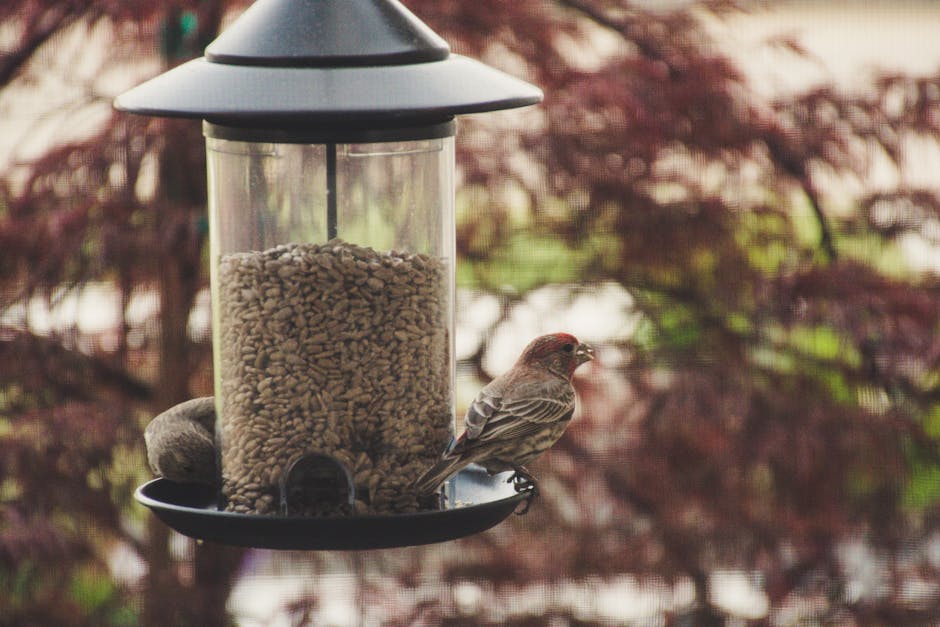
Are you tired of opening your bird seed only to find it filled with tiny moths and their webbing? These pesky insects can ruin your bird food and make feeding your feathered friends a frustrating task.
But don’t worry—you can take simple steps to get rid of moths in your bird seed and keep it fresh and safe. You’ll discover easy, effective methods to protect your bird seed from moth infestations. Keep reading to learn how to say goodbye to those unwanted guests and enjoy watching healthy birds visit your feeder.

Credit: www.amazon.com
Identify Moth Infestation Signs
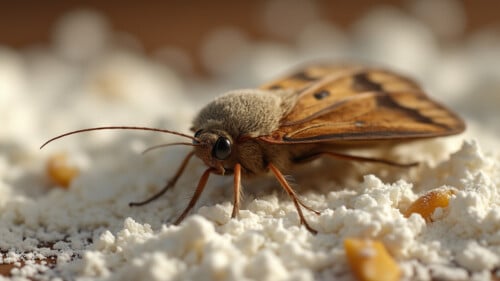
Mothsin bird seed are tiny insects that cause damage. They lay eggs in the seed, and larvae eat it. Common moths found in bird seed include Indian meal mothsand clothes moths. Indian meal moths have grayish wings with copper tips. Clothes moths are smaller and have golden or beige wings.
Look for webbing or silk threadsaround the seed. This is a sign of larvae presence. Seed may look clumped or have holes. You might see small white larvae moving inside the seed bag. Adult moths fly near the seed storage area, especially at night. The smell of spoiled seed can also alert you. Keeping seed dry and sealed helps prevent moth infestation.
Prevent Moths From Invading
Proper storageof bird seed helps stop moths from invading. Keep seeds in a cool, dry place. Moisture and warmth invite moths and larvae. Use containers that are airtightto block moths and eggs.
Choosing the right container is key. Containers made of metalor thick plasticwork best. Clear containers let you spot moths early. Avoid cardboard or thin bags, as moths can easily chew through them.
- Seal containers tightly after each use
- Store seeds off the ground to reduce moisture
- Keep storage area clean and free from spilled seeds
- Use smaller containers to limit exposed seed amount
Safe Cleaning And Disposal Methods
Removing contaminated seedis key to stop moths spreading. Throw away any seed with webs, larvae, or holes. Use sealed bags to keep fresh seed safe. Avoid keeping large amounts for long periods. Store seed in cool, dry places to prevent moth growth.
Sanitizing bird feeders and storage areashelps stop moths from returning. Clean feeders with warm soapy water. Rinse well to remove all residue. Let feeders dry completely before refilling. Vacuum or sweep storage areas to remove seed dust and debris. Wipe surfaces with a mild disinfectant. Check often for signs of moths and clean regularly.

Credit: www.facebook.com
Natural And Chemical Control Options
Natural control uses traps and good storage to stop moths from spreading in bird seed. Chemical options include safe insect sprays to kill moths quickly. Combining both helps keep bird seed fresh and moth-free.
Using Natural Repellents
Essential oils like lavender and eucalyptus can deter moths. Add a few drops to your bird seed storage. Herbs such as bay leaves are effective. Place them in your storage area. Cloves and peppermint can also help. Put them in small bags near the seed. Sunlight is a natural enemy of moths. Leave seeds in sunlight for a few hours. It kills larvae and eggs. Vinegar can clean storage containers. It removes moth traces effectively.
Applying Approved Insecticides
Insecticide sprays can control moths. Use sprays labeled safe for bird seed. Powder treatments might be necessary. Sprinkle powders in storage areas. Safety measures are vital. Follow instructions on insecticide packages. Inspect seeds regularly. Look for signs of moth activity. Traps can catch adult moths. Set traps around storage areas. Professional pest control might be needed. Call experts if moths persist.
Maintaining Moth-free Bird Seed
Check bird seed bags for holes or tears often. Moths lay eggs inside damaged bags. Store seed in airtight containers to keep moths out. Clear spilled seed on the ground quickly to avoid attracting pests. Keep storage areas dry and clean to prevent moth growth.
Warm months increase moth activity. Use sealed containers and inspect seed more often during spring and summer. Rotate seed stock regularly to use old seed first. Freeze new seed bags for a few days to kill any eggs before storing. Dry seed thoroughly if damp to stop moths from thriving.
Credit: www.planetnatural.com
Frequently Asked Questions
How Do Moths Get Into Bird Seed Containers?
Moths lay eggs on bird seed, and larvae hatch inside, feeding on the seeds.
What Are The Best Ways To Prevent Moths In Bird Seed?
Store seed in airtight containers and keep them in a cool, dry place.
Can Natural Remedies Help Remove Moths From Bird Seed?
Yes, freezing seeds for a few days or using bay leaves can reduce moths.
Conclusion
Moths in bird seed can be a big problem. Keep your seed dry and sealed tight. Regularly check for signs of moths or larvae. Clean your storage area often to avoid pests. Using natural repellents can help keep moths away.
Taking these steps protects both your seed and the birds. Stay consistent, and moths will not bother your bird seed. A little care goes a long way to keep feeders clean.